
25 Things People Accidentally Pack That They Need Immediately
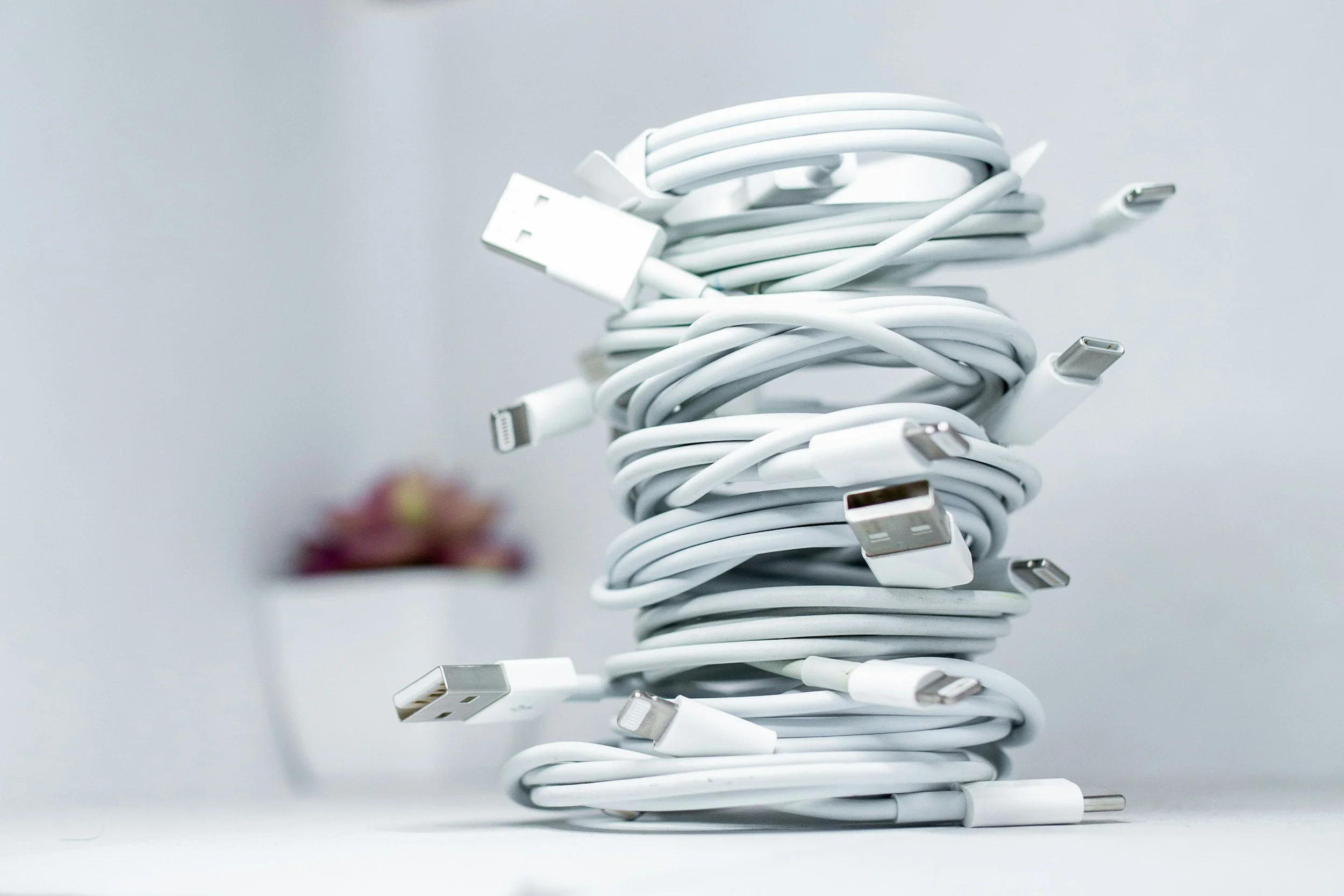
Moving day has a strange way of making ordinary household items suddenly become extremely important.
For weeks, you have been packing boxes, organizing furniture, sorting through closets, and preparing for the big move. You have carefully wrapped fragile belongings, labeled cartons, and tried to make sure nothing gets left behind.
Everything seems to be going according to plan.
Then, just as you are about to leave, you realize you cannot find your car keys.
Or your phone charger.
Or the medication you take every morning.
Perhaps you arrive at your new home, ready to assemble your bed, only to discover that the screwdriver you need is somewhere inside one of the forty boxes labeled "Garage."
These situations are surprisingly easy to create.
When people are focused on packing an entire household, they sometimes forget that certain everyday belongings still need to remain accessible.
The problem is not necessarily that the items have been lost. In many cases, they have been packed perfectly well.
They are simply packed too well.
They may be wrapped in protective materials, placed at the bottom of a box, loaded deep inside the moving truck, or sent ahead with belongings that will not arrive for several days.
Some of the most frustrating moving-day problems happen because people accidentally pack the very things they need to complete the move.
Fortunately, most of these situations can be prevented with a little planning.
Here are 25 things people frequently pack away too early, why they suddenly need them, and what to do instead.
1. Phone Chargers
Of all the belongings people accidentally pack during a move, phone chargers are among the most frustrating.
Your phone may be one of the most important tools you have on moving day.
You may need it to contact your movers, communicate with your landlord, coordinate with family members, check directions, access confirmation emails, or photograph the condition of your old and new homes.
But somewhere during the packing process, your charging cable disappears into a box of electronics.
At first, this may not seem like a problem.
Your phone still has plenty of battery.
Then the moving company calls. You use navigation for an hour. You take dozens of photographs. You coordinate with several people.
Suddenly, your battery is nearly empty.
And your charger is somewhere inside the moving truck.
What to Do Instead
Keep a phone charger, charging cable, and compatible power bank in your personal moving-day bag.
If you are driving, consider keeping a vehicle charger accessible as well.
Do not rely on being able to locate your electronics box immediately after arriving.
2. House Keys and Car Keys
Keys are small, easy to misplace, and absolutely essential.
During a move, they can disappear into jacket pockets, kitchen drawers, handbags, or boxes containing miscellaneous belongings.
The problem becomes particularly serious when you need to lock your old home, access your new property, or move your vehicle.
Imagine arriving at your new home with a truck full of furniture and realizing that the keys to the front door are packed inside the truck.
Or discovering that the car keys were placed in a box that has already been loaded.
What to Do Instead
Choose one designated location for essential keys.
Keep your current home keys, new home keys, car keys, storage-unit keys, and any necessary access fobs together.
Use a small pouch or key organizer that remains with you throughout the move.
Before leaving your old property, verify that you have every key required for the next stage.
3. Prescription Medications
Prescription medications are among the most important belongings to keep accessible during a move.
Yet they can easily end up packed with bathroom supplies or bedroom belongings.
This may create a serious problem if medication is needed at a particular time or if the moving truck is delayed.
Some medications also have specific temperature or storage requirements that make ordinary household transportation unsuitable.
What to Do Instead
Keep necessary medications in a personal bag that remains under your control.
Retain original packaging and prescription information where appropriate.
Follow storage instructions, especially for temperature-sensitive medications.
If you are moving long-distance, consider whether you have enough medication for the journey and potential delays.
Do not place essential medication in a box that may be inaccessible for hours or days.
4. Wallets, Identification, and Important Documents
Moving involves more paperwork than many people expect.
You may need identification, payment cards, lease documents, closing information, moving contracts, insurance details, or access instructions.
Unfortunately, important paperwork sometimes gets packed with office supplies or filing cabinets.
A homeowner may carefully place all documents into a labeled box, believing that everything is organized.
Then an unexpected situation arises.
The moving company needs information from the agreement.
You need identification to collect keys.
You need a payment card.
Or you need to confirm an address or reservation.
What to Do Instead
Prepare a dedicated document folder containing essential paperwork.
Keep identification, payment methods, moving agreements, property documents, and other important records accessible.
For especially important documents, consider maintaining secure digital copies where appropriate.
5. Toilet Paper
This is one of the classic moving-day mistakes.
You arrive at your new home after a long day.
You finally get a moment to use the bathroom.
And there is no toilet paper.
Perhaps the previous occupants removed everything.
Perhaps your own supplies are packed in a bathroom box.
Either way, you suddenly have a very immediate problem.
What to Do Instead
Pack a small bathroom essentials bag containing toilet paper, tissues, soap, and a hand towel.
If possible, bring these supplies into the new home before the moving truck arrives.
It is a small detail that can make the first few hours much more comfortable.
6. Hand Soap and Hand Sanitizer
Moving day involves handling boxes, furniture, tools, door handles, and equipment.
Your hands may become dirty repeatedly.
But bathroom supplies are often among the first things people pack.
You may arrive at the new property, wash your hands, and discover there is no soap.
What to Do Instead
Keep a small bottle of hand soap and hand sanitizer in your essentials bag.
Place soap in the bathroom and kitchen as soon as you arrive.
This is particularly useful when several family members or moving helpers are using the property throughout the day.
7. Toothbrushes and Toothpaste
Toothbrushes are easy to pack because they are small and usually stored alongside other toiletries.
The problem often appears at bedtime.
You have spent the entire day moving.
You are exhausted.
You want to brush your teeth and go to sleep.
But your toothbrush is buried inside a box that may not even be in the correct room yet.
What to Do Instead
Pack a small overnight toiletry kit as though you were staying in a hotel.
Include toothbrushes, toothpaste, deodorant, facial care products, and other everyday necessities.
Keep the kit with your personal belongings rather than in the moving truck.
8. A Change of Clothes
Many people pack their entire wardrobe before moving day.
This makes sense because clothing is relatively easy to organize in advance.
However, it becomes inconvenient when you need a clean shirt, socks, underwear, or comfortable clothing after a long day of carrying boxes.
Moving can be physically demanding.
You may become sweaty, dusty, or unexpectedly wet if the weather changes.
What to Do Instead
Prepare an overnight bag containing at least one complete change of clothes.
For longer moves, pack enough clothing for the journey and any possible delivery delays.
Include sleepwear and weather-appropriate items.
Do not assume you will want to unpack your wardrobe immediately after arriving.
9. Towels
Towels seem like straightforward packing items.
They are soft, lightweight, and easy to place into boxes.
But they are also useful throughout moving day.
You may need a hand towel after washing your hands.
You may want to shower after unloading.
You may need a clean towel for an unexpected spill.
What to Do Instead
Keep at least one clean towel per person accessible.
A small additional towel or cloth may also be useful for cleaning.
Place these in your overnight bag rather than with the rest of your linens.
10. Bedding and Pillows
One of the most disappointing moving-day experiences is finally assembling your bed and discovering that the sheets, pillows, and blankets are missing.
They are not actually missing, of course.
They are somewhere in a stack of moving boxes.
But after a long day, searching through every carton is the last thing you want to do.
What to Do Instead
Prepare a clearly identified first-night bedding bag.
Include sheets, pillowcases, pillows, and blankets for the beds you plan to use immediately.
If space permits, transport these items separately from the main shipment.
The ability to make your bed quickly can make the first night much easier.
11. Basic Tools
A screwdriver may not seem particularly important when you are packing the garage.
But it can become essential the moment you need to assemble furniture, remove a bracket, adjust a cabinet, or open a package.
People often pack all their tools together.
This is logical from an organizational perspective.
Unfortunately, the toolbox may be loaded early and become inaccessible until the truck is unloaded.
What to Do Instead
Keep a compact basic tool kit accessible.
Depending on your needs, this might include screwdrivers, an appropriate wrench, pliers, a tape measure, and the specific tools required for your furniture.
Follow manufacturer instructions when assembling or disassembling items.
Leave complex installations and connections to qualified professionals where necessary.
12. Scissors and Box Cutters
This is a particularly ironic moving-day mistake.
You pack everything neatly.
You tape every box securely.
Then you arrive at the new home and realize you have packed away every tool capable of opening the boxes.
You may find yourself trying to peel strong packing tape with your fingernails.
What to Do Instead
Keep scissors or a suitable box-opening tool in your essentials kit.
Store sharp tools safely and away from children.
Use care when opening boxes so you do not damage the contents.
13. Garbage Bags
Moving produces waste.
There may be used packing materials, food wrappers, discarded labels, damaged cardboard, and miscellaneous rubbish.
Yet garbage bags are frequently packed with cleaning supplies.
You may not realize how useful they are until the first pile of waste begins accumulating.
What to Do Instead
Keep a roll of garbage bags accessible.
They can help you manage ordinary rubbish during packing and unpacking.
Use proper recycling and disposal arrangements for materials that should not go into general waste.
14. Cleaning Supplies
Even if your new home appears clean, you may want to wipe countertops, clean shelves, sanitize appropriate surfaces, or address small messes before unpacking.
At the old property, you may also need to complete a final clean after the furniture has been removed.
But cleaning supplies are often packed too early.
What to Do Instead
Prepare a small cleaning kit containing appropriate cloths, paper towels, a broom or other basic cleaning equipment, and suitable cleaning products.
Remember that many moving companies restrict certain chemicals.
Transport cleaning products according to their labels and applicable requirements, or obtain supplies at the destination.
Never mix cleaning chemicals.
15. Paper Towels
Paper towels are one of those items people barely notice until they are unavailable.
A drink spills.
A countertop needs wiping.
Someone needs to dry their hands.
A dusty shelf needs cleaning.
Suddenly, paper towels become essential.
What to Do Instead
Keep a roll of paper towels or reusable cleaning cloths in an accessible bag.
Place them in the kitchen when you arrive.
16. Drinking Water
Moving can involve hours of physical activity.
People may spend the day carrying boxes, walking between the house and truck, climbing stairs, and working in warm conditions.
Access to drinking water is important.
But reusable bottles, cups, and kitchen supplies may all be packed away.
The new home's water supply may also require confirmation before use.
What to Do Instead
Keep drinking water readily available for everyone involved.
Bring reusable bottles or other suitable containers.
If the water supply at the destination is uncertain, arrange a reliable alternative.
Take appropriate breaks during physically demanding work.
17. Snacks and Easy-to-Eat Food
Moving day rarely follows a perfect schedule.
Loading may take longer than expected.
Traffic may delay the journey.
Unloading may continue into the evening.
You might discover that you have gone hours without eating.
Meanwhile, all the food is packed, the kitchen equipment is inaccessible, and nobody knows where the plates are.
What to Do Instead
Prepare easy-to-eat snacks and food that does not require complicated preparation.
Consider dietary needs and safe food storage.
Keep a small supply accessible during the journey.
For longer moves, plan meals rather than relying on unpacking the kitchen immediately.
18. Pet Food, Leashes, and Other Pet Essentials
Pets can be particularly sensitive to changes in routine.
Moving day introduces unfamiliar activity, open doors, new surroundings, and potential stress.
Their supplies should remain accessible.
Unfortunately, pet food, bowls, leashes, carriers, and other essentials sometimes get packed with general household belongings.
What to Do Instead
Prepare a separate pet moving kit.
Include food, water, bowls, necessary medication, a leash or carrier, waste supplies, and familiar comfort items.
Make suitable arrangements to keep pets safely away from active moving areas.
For long-distance moves, plan rest stops and other travel needs appropriately.
19. Children's Favourite Toys or Comfort Items
A child's favourite stuffed animal may not seem like a priority when packing the bedroom.
But during a move, familiar belongings can become especially important.
Children may be tired, confused, or unsettled by the disruption.
A favourite toy, blanket, or comfort object can help provide continuity.
The problem occurs when the item is packed into a large box of toys and loaded deep inside the truck.
What to Do Instead
Let children choose a few important belongings to keep with them.
Pack these items in a small personal bag.
Avoid placing essential comfort objects in the main shipment.
20. Glasses and Contact Lens Supplies
Eyeglasses, contact lenses, and related supplies are easy to overlook.
Spare glasses may be packed in a bedroom drawer.
Contact lens solution may disappear into a bathroom box.
A glasses case may be placed with miscellaneous accessories.
If you need these items, searching for them can become more than an inconvenience.
What to Do Instead
Keep necessary eyewear and contact lens supplies in your personal bag.
Include spare glasses where available and useful.
Follow appropriate hygiene and storage instructions for contact lenses.
21. Laptop Computers and Work Essentials
Many people continue working during the days surrounding a move.
You may need to answer emails, access documents, join a meeting, or communicate with clients.
But laptops, chargers, notebooks, and other work essentials are often packed with home office equipment.
The problem becomes particularly frustrating if the moving truck is delayed or your office is not unpacked immediately.
What to Do Instead
Prepare a dedicated work bag.
Include your laptop, charger, essential accessories, and any important documents.
Back up critical files before moving.
Keep sensitive work materials secure throughout the journey.
22. Remote Controls
Remote controls have an extraordinary ability to disappear during a move.
Television remotes may be packed with cables.
Garage door remotes may end up in a kitchen drawer.
Air-conditioning controls may be placed inside miscellaneous boxes.
And when you finally settle into your new home, you may discover that you cannot operate something you need.
What to Do Instead
Collect essential remote controls before packing electronics.
Label them according to the device they operate.
Keep especially important controls accessible.
Remember to follow property handover arrangements for remotes that must remain with the old home.
23. Light Bulbs, Lamps, and Flashlights
You may arrive at your new home after sunset.
The lighting may be unfamiliar.
Some rooms may have no functioning bulbs or installed fixtures.
Your lamps may still be packed.
And the flashlight you kept in the garage is now somewhere inside the moving truck.
What to Do Instead
Keep a reliable flashlight or rechargeable light accessible.
If you expect to need additional bulbs, confirm the correct types and fittings in advance.
Avoid performing electrical work beyond your competence.
Good lighting is especially important when navigating stairs or moving furniture.
24. Shower Curtains and Bathroom Accessories
A shower curtain is one of those household items that rarely seems important until you need one.
After a long moving day, taking a shower may be one of the first things you want to do.
But the new bathroom may not have a shower curtain or suitable accessories.
If your own shower curtain is packed somewhere in the truck, you may be unable to use the shower without getting water all over the floor.
What to Do Instead
Check the bathroom arrangements at your new home before moving.
If needed, keep a shower curtain, hooks, and basic bathroom accessories accessible.
Include them with your first-night supplies.
25. The Moving Paperwork and Contact Information
The final item is one that can affect the entire move.
People sometimes pack their moving paperwork, contact details, delivery instructions, and important confirmations into a box of office documents.
Then a question arises.
What time is the delivery scheduled?
What is the moving company's contact number?
Which belongings are going into storage?
What services were included in the agreement?
Where is the inventory?
If this information is inaccessible, resolving even a small issue can become more complicated.
What to Do Instead
Keep your moving agreement, inventory, relevant contact numbers, delivery details, and other essential information available.
Store secure digital copies where appropriate.
Make sure you can access the information even if your phone battery dies or internet service is unavailable.
Why People Accidentally Pack Things They Still Need
It might seem strange that people repeatedly pack away such obvious essentials.
But moving involves a tremendous number of decisions.
You are not simply putting belongings into boxes.
You are organizing an entire household, managing schedules, coordinating services, preparing a property, and planning the transition to another home.
In that environment, it is easy to focus on completing the packing rather than thinking about what you will need afterward.
There are several common reasons this happens.
People Pack by Room Instead of by Immediate Need
Packing by room is usually a sensible strategy.
Kitchen belongings go into kitchen boxes.
Bathroom supplies go into bathroom boxes.
Office equipment goes into office boxes.
However, this system does not automatically distinguish between items you can live without for several days and items you may need within the next hour.
Your toothbrush belongs in the bathroom, but it also belongs in your first-night essentials.
Your laptop belongs in the office, but you may need it during the move.
Your phone charger belongs with electronics, but it needs to remain accessible.
The solution is to create a separate category for immediate-use belongings.
People Underestimate How Long Unpacking Takes
Many homeowners imagine that they will arrive at the new house, unload the truck, and quickly locate everything.
In reality, unloading may take hours.
Furniture may need to be assembled.
Boxes may be stacked in different rooms.
You may be tired.
And some belongings may remain packed for several days.
Even a clearly labeled box can be difficult to locate when dozens of similar cartons are stacked together.
People Assume They Will Remember Where Everything Is
During packing, it is easy to think, "I'll remember which box I put that in."
But as the number of boxes increases, those memories become less reliable.
A small essential item may be placed in a box at the last minute simply because there is space.
By moving day, you may have no idea where it ended up.
People Focus on Protecting Belongings Rather Than Accessing Them
Packing is often treated as a process of preventing damage.
People carefully wrap electronics, secure toiletries, and organize fragile items.
But an item can be perfectly protected and still be inaccessible when needed.
Good moving preparation requires both protection and accessibility.
The Difference Between an Essentials Box and an Essentials Bag
One of the easiest ways to prevent these problems is to prepare two separate collections of belongings.
The first is a personal essentials bag.
The second is a first-night essentials box.
Although the terms are sometimes used interchangeably, they serve different purposes.
Your Personal Essentials Bag
This bag should remain with you throughout the move.
It should contain belongings that you may need during the journey or that should not be inaccessible inside the moving truck.
Examples include identification, keys, medication, phone chargers, important documents, wallets, necessary eyewear, and other personal necessities.
For families, each person may benefit from having their own small bag.
Your First-Night Essentials Box
This box contains practical household items you will need shortly after arriving.
Examples include toilet paper, soap, towels, bedding, basic tools, scissors, paper towels, and selected kitchen supplies.
Ideally, it should travel with you or be placed somewhere you can access immediately, consistent with the mover's loading and securement plan.
The most important distinction is that essential personal belongings should remain under your control, while household essentials should be easy to locate at the destination.
How to Pack a Moving-Day Essentials Bag
The best essentials bag is not necessarily the largest.
It is the one that contains the right belongings without becoming difficult to manage.
Think about the period between the moment the moving truck arrives at your old home and the moment your new home becomes functional.
What will you need during that time?
Consider your daily routine.
Do you take medication?
Do you need contact lenses?
Will you be traveling with children or pets?
Will you need to work?
Will you arrive late at night?
Will the moving truck arrive on the same day?
The answers will help determine what belongs in your bag.
Use a backpack, overnight bag, or small suitcase that can remain with you.
Avoid placing it in the moving truck unless there is a deliberate arrangement to keep it accessible.
How to Prepare a First-Night Moving Box
Your first-night box should focus on making the new home usable before everything is unpacked.
Start with the bathroom.
Include toilet paper, soap, towels, and essential toiletries.
Then consider the bedroom.
Pack bedding and anything needed for a comfortable night's sleep.
Next, think about the kitchen.
You may want drinking water, snacks, a few cups, and basic eating utensils.
Finally, include practical supplies such as scissors, paper towels, garbage bags, and a small tool kit.
The goal is not to recreate your entire household inside one box.
It is to make the first evening manageable.
What Should Never Be Buried Deep Inside the Moving Truck?
Certain belongings should remain accessible because losing access could create serious problems.
Important medication is one example.
Identification and essential documents are another.
Keys, wallets, phones, and chargers should also remain close at hand.
Sensitive electronics and valuables may require special arrangements.
If you are traveling with children or pets, their immediate necessities should not be packed away.
A useful question is:
If the moving truck were delayed until tomorrow, what would I absolutely need tonight?
Anything essential to your health, safety, access, or basic daily functioning should be handled accordingly.
Why You Should Pack for the First 24 Hours Separately
The first day in a new home is rarely as organized as people expect.
You may arrive later than planned.
The furniture may not be assembled.
The kitchen may be unusable.
You may discover that certain rooms need cleaning.
Internet service may not yet be available.
And after hours of moving, you may not have the energy to unpack more than a few essentials.
Preparing for the first 24 hours helps reduce the pressure to make the entire house functional immediately.
Instead of searching through dozens of boxes, you can focus on a few basic priorities.
Access the property.
Use the bathroom.
Eat and drink.
Charge your phone.
Set up a place to sleep.
Take care of children and pets.
Everything else can be unpacked in a more organized way.
What About the First 48 Hours?
For long-distance moves, the first 48 hours may be especially important.
Your household shipment may arrive later than you do.
Delivery windows may vary.
Travel delays can occur.
Some belongings may be in temporary storage.
If you will be separated from your shipment, pack personal necessities for the entire expected period, with a reasonable allowance for delays.
This may include additional clothing, toiletries, medication, chargers, work equipment, and other daily essentials.
Do not assume that everything will arrive at the same time unless your moving arrangements clearly establish that expectation.
The Last Box You Pack Should Be One of the First You Open
A useful moving principle is to pack your immediate-use household essentials last and unpack them first.
This helps distinguish them from ordinary household belongings.
However, the box still needs to be transported and secured appropriately.
If you are using professional movers, discuss where it should be placed so it can be accessed at the destination.
Do not ask for unsafe loading arrangements merely to keep a box close to the truck door.
Alternatively, transport the box in your own vehicle when practical.
Why Labels Alone Are Not Always Enough
Labeling boxes is important, but a label does not guarantee accessibility.
Imagine that your box is clearly marked "FIRST NIGHT ESSENTIALS."
Unfortunately, it is positioned behind a large wardrobe and twenty other boxes.
You know exactly where your supplies are supposed to be.
You simply cannot reach them.
This is why planning the transportation and unloading sequence matters.
An essentials box should not only be identifiable.
It should also be available when you need it.
What to Do If You Have Already Packed Something Important
Even with careful preparation, mistakes happen.
If you realize that an essential item has been packed, avoid immediately tearing through every box.
First, think about where it was last used.
Check any boxes packed in that room.
Review your labels or inventory.
If the item is already inside the moving truck, tell the moving crew rather than attempting to climb into a loaded vehicle or move heavy furniture yourself.
If the item is urgently needed and cannot be retrieved safely, consider an appropriate alternative.
For example, you may be able to purchase basic toiletries or obtain a replacement charging cable.
For essential medication, contact a pharmacist or healthcare professional about appropriate options rather than skipping doses or improvising.
How to Avoid Accidentally Packing Essentials When Moving With Children
Moving with children introduces additional considerations.
Children may need snacks, drinks, clothing, entertainment, and comfort items throughout the day.
Their routines may also be disrupted.
Prepare a separate bag for each child or a clearly organized family essentials bag.
Keep necessary supplies accessible.
For younger children, include appropriate hygiene items, feeding supplies, and changes of clothing.
Older children may appreciate having their own backpack containing a few familiar belongings.
How to Avoid Accidentally Packing Essentials When Moving With Pets
Pets require a separate plan.
Food, water, medication, leashes, carriers, and waste supplies should remain accessible.
Consider how your pet will travel and where it will stay during loading and unloading.
A quiet, secure location away from active moving areas may help reduce stress and prevent escapes.
Do not pack essential pet supplies into the main shipment without an alternative plan.
How to Avoid Accidentally Packing Essentials During a Long-Distance Move
Long-distance relocations make accessibility even more important.
You may be separated from your belongings for several days.
Travel plans may change.
The moving truck may arrive on a different date.
Prepare as though you are taking a short trip without immediate access to your household shipment.
Keep necessary medication, identification, clothing, chargers, toiletries, and other daily essentials with you.
Review your moving agreement so you understand the expected delivery arrangements.
The Simple Rule That Prevents Most Moving-Day Packing Mistakes
Before sealing any box, ask yourself one question:
Will I need anything inside this box before I have fully unpacked at the new home?
If the answer is yes, consider removing that item and placing it in your essentials bag or first-night box.
This simple habit can prevent many of the most frustrating moving-day problems.
It also encourages you to think about the move as a transition between two functioning homes rather than simply a process of transporting belongings.
Frequently Asked Questions
What are the most commonly forgotten moving-day essentials?
Phone chargers, keys, medications, toilet paper, toiletries, towels, bedding, scissors, basic tools, cleaning supplies, and important documents are among the items people commonly need after packing them away.
What should I pack last when moving?
Pack everyday essentials last, including necessary toiletries, chargers, basic clothing, bedding, and household supplies you will need immediately. Important personal items should remain with you.
What should I unpack first after moving?
Start with the items needed to make your new home functional: bathroom essentials, bedding, drinking water, basic kitchen supplies, chargers, and any necessities for children or pets.
What should go in a moving-day essentials bag?
Include identification, keys, wallet, medication, phone charger, important documents, necessary eyewear, personal toiletries, and other belongings you may need during the journey.
What should go in a first-night moving box?
Consider toilet paper, soap, towels, bedding, paper towels, garbage bags, scissors, a small tool kit, and a few basic kitchen supplies.
Should I put my essentials box in the moving truck?
You can, but it should be transported according to a plan that keeps it accessible at the destination. Important personal belongings are generally better kept with you.
Should I pack medications in moving boxes?
Essential medication should remain accessible and be transported according to its storage requirements. Avoid placing it in a shipment that may be delayed or inaccessible.
How many days of clothing should I keep out when moving?
Keep enough clothing for your expected travel and unpacking period, with an allowance for possible delays. Longer moves may require several days of essentials.
What should I keep with me during a long-distance move?
Keep identification, medication, important documents, keys, chargers, clothing, toiletries, and other immediate necessities accessible throughout the journey.
Why do people forget toilet paper when moving?
Toilet paper is often packed with bathroom supplies, and homeowners may assume the new property already has some. Keeping a roll in your essentials bag prevents this inconvenience.
How do I avoid losing my keys during a move?
Keep all necessary keys and access fobs in one designated pouch or organizer that remains with you. Check for them before leaving each property.
Should I pack all my tools before moving day?
Pack most tools, but keep a small essential kit accessible for necessary furniture assembly and other simple tasks. Use qualified professionals for work requiring specialized expertise.
What if I accidentally pack my phone charger?
Check your labeled electronics boxes if accessible. If it is buried in the moving truck, consider using a spare charger, power bank, or compatible replacement rather than disturbing a secured load.
What should I keep accessible when moving with pets?
Pet food, water, bowls, medication, a leash or carrier, waste supplies, and familiar comfort items should remain available.
What is the most important thing not to pack away?
There is no single answer for everyone, but essential medication, identification, keys, and other items needed for health, safety, and property access should remain under your control.
Final Thoughts
Packing for a move is not simply about putting everything you own into boxes.
It is also about deciding what should not go into those boxes just yet.
Some belongings are easy to replace temporarily.
Others are inconvenient to lose access to.
And certain items, such as necessary medication, identification, and keys, may be essential to completing the move safely and successfully.
The frustrating part is that most of these problems are preventable.
You do not need an elaborate system.
You simply need to think about what life will look like during the hours between leaving your old home and settling into your new one.
What will you need to communicate?
What will you need to eat?
What will you need to clean?
What will you need to sleep?
What will you need to access the property?
And what would become a serious problem if you could not find it?
Pack those belongings separately.
Keep personal necessities with you.
Prepare a clearly organized first-night box.
And make sure essential household supplies are accessible when you arrive.
Because the goal of packing is not just to make sure everything gets to your new home.
It is to make sure you can still function while everything else is packed away.
