
Things You Should Keep With You Instead of Putting on the Moving Truck
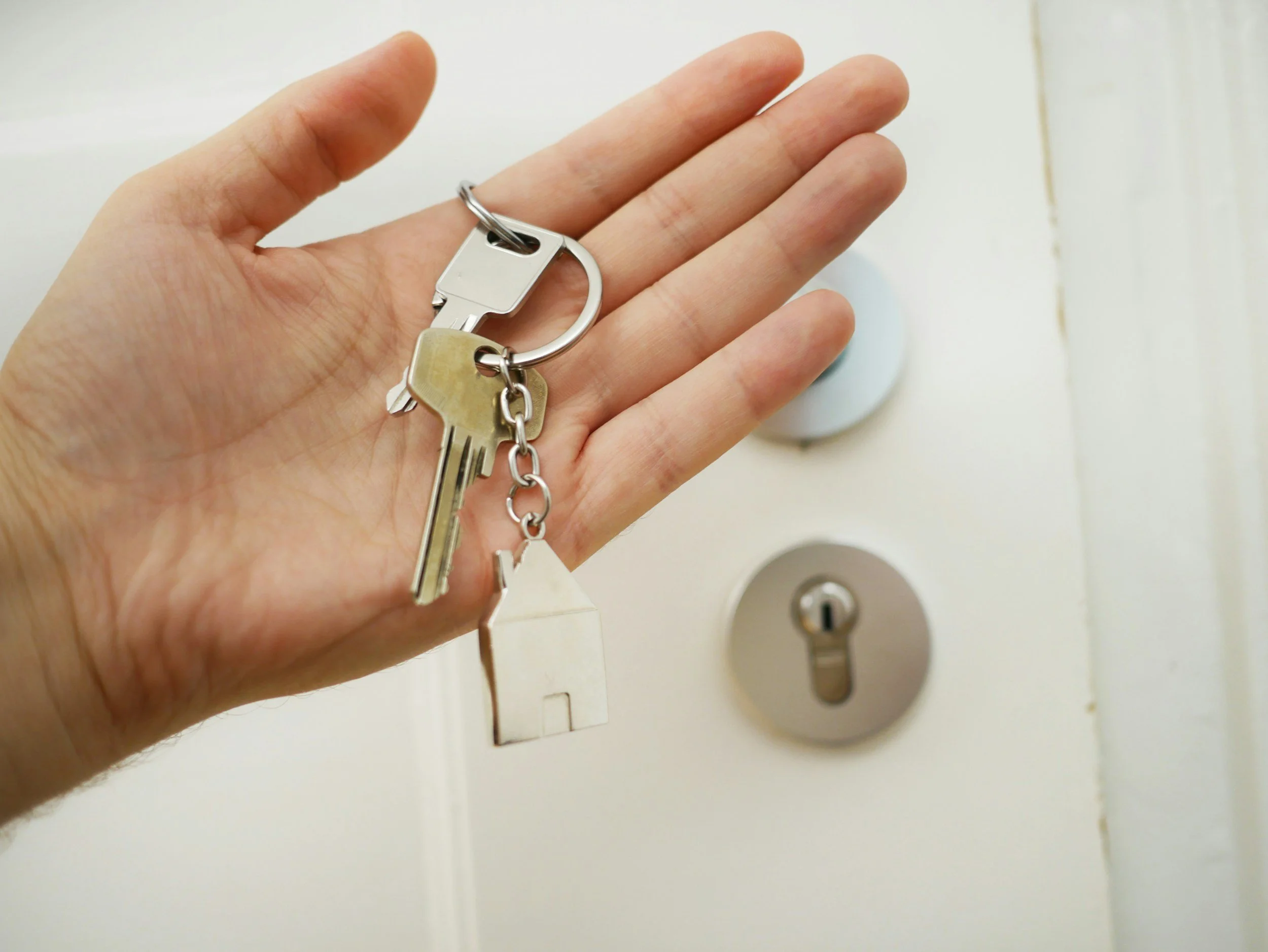
When preparing for a move, the goal often seems simple: get as many belongings as possible packed, loaded, and transported to the new home.
The fewer things you have left to carry yourself, the easier moving day should be.
Professional movers can transport furniture, boxes, appliances, and many of the household belongings that would otherwise require multiple trips.
But there are certain things you should think twice about putting on the moving truck.
Some items are too important to risk losing access to. Others are valuable, irreplaceable, sensitive to temperature, or required during the journey. Certain belongings may be restricted or prohibited from transportation by the moving company.
And then there are the everyday essentials that suddenly become extremely important when you realize they are buried somewhere behind a sofa, twenty moving boxes, and a dining table.
The best moving strategy is not to put absolutely everything on the truck. It is to know which belongings should travel with you and which ones are better handled by professional movers.
Whether you are moving across town, relocating to another province, or preparing for a long-distance move across Canada, keeping the right items accessible can prevent unnecessary stress, protect important belongings, and make your first days in the new home considerably easier.
Why You Should Not Put Everything on the Moving Truck
A moving truck is designed to transport household goods, but it is not necessarily the right place for every item you own.
Once the truck is loaded, your belongings may become inaccessible until unloading begins.
For local moves, this might mean several hours.
For long-distance moves, the separation may last days or longer, depending on the delivery arrangements.
Even when everything goes according to plan, you may need certain belongings before the truck arrives.
There are also practical differences between transporting ordinary household goods and transporting items that require continuous access, special storage conditions, or additional security.
A sofa can remain inside a moving truck until delivery.
Your prescription medication may not be able to.
A dining table can travel with the rest of the furniture.
Your passport, wallet, and keys should generally remain under your control.
Understanding these distinctions is one of the most useful parts of preparing for moving day.
1. Important Personal Identification
Identification should be one of the first categories of belongings you separate from the household shipment.
This includes passports, driver's licences, provincial identification cards, permanent resident cards, and other important identification documents.
These documents may be needed during the move.
You might need identification to collect keys, confirm a reservation, check into accommodation, or complete other arrangements.
For an international move, travel and immigration documents are particularly important.
Why Identification Should Stay With You
Identification documents can be difficult or time-consuming to replace.
If they are packed inside the moving truck, you may not be able to access them when needed.
Keep them in a secure personal bag or document organizer.
Avoid leaving them unattended in a parked vehicle.
2. Prescription Medications
Necessary medications should remain accessible throughout the move.
This is especially important if you take medication on a regular schedule.
A moving truck may arrive later than expected, and household goods may be exposed to temperatures that are unsuitable for certain medications.
Temperature-Sensitive Medication
Some medications require refrigeration or other controlled storage conditions.
Follow the instructions provided by your pharmacist or healthcare professional.
Do not assume that an ordinary moving truck provides suitable temperature control.
Keep Enough Medication for the Journey
For long-distance moves, consider the expected travel time and potential delays.
Speak with your pharmacist or healthcare professional in advance if you have concerns about supply or storage.
3. Wallets, Cash, and Payment Cards
Your wallet should remain with you throughout moving day.
You may need payment cards for transportation, meals, accommodation, parking, or other expenses.
Cash may also be useful in certain circumstances.
Why Wallets Should Not Be Packed
A wallet contains sensitive personal and financial information.
Losing access to it can complicate your move.
Keep it secure and readily available.
4. House Keys, Car Keys, and Access Fobs
Keys are among the most important belongings to keep out of moving boxes.
You may need access to your old home, new home, vehicle, storage unit, or building.
Access fobs and garage door controls may also be essential.
Organize Keys Before Moving Day
Keep necessary keys together in a secure pouch or organizer.
Clearly distinguish keys that belong to the old property from those needed at the new one.
Follow the appropriate handover arrangements for keys and remotes that must remain with the old property.
5. Important Legal and Financial Documents
Some documents should not be placed into the main household shipment.
Examples include property agreements, moving contracts, insurance documents, financial records, legal paperwork, and other important original documents.
Why These Documents Matter
You may need to refer to them during the move.
Certain originals may also be difficult to replace.
How to Transport Them
Use a secure document folder or organizer.
Keep it with you rather than in a general moving box.
Where appropriate, maintain secure digital copies as backups.
6. Jewellery and Small Valuable Items
Jewellery is often small, valuable, and easy to misplace.
Rings, watches, necklaces, bracelets, and other valuable personal accessories should generally remain under your control.
Why Small Valuables Are Vulnerable
Small items can become mixed with other belongings.
They may be difficult to locate if packed inside larger boxes.
How to Protect Them
Use a secure jewellery case or suitable organizer.
Avoid leaving valuable items visible or unattended.
For especially valuable pieces, consider appropriate insurance and secure transportation arrangements.
7. Irreplaceable Family Heirlooms
Some belongings are valuable because of their financial worth.
Others are valuable because they cannot be replaced.
Family heirlooms, sentimental keepsakes, and inherited objects may fall into this category.
A small item passed down through generations may have little market value but enormous personal importance.
Why You May Want to Carry Them Yourself
If an item is compact, fragile, and irreplaceable, keeping it with you may provide greater control over its handling.
However, large or delicate heirlooms may require professional packing or specialist transportation.
Choose the method appropriate to the object's size, construction, and fragility.
8. Family Photographs and Original Keepsakes
Printed photographs, original albums, handwritten letters, and other personal keepsakes may be difficult to replace.
Digital copies can help preserve memories, but they do not necessarily replace original objects.
What to Keep With You
Consider carrying especially important photographs, small albums, and irreplaceable documents yourself.
Larger collections can be packed appropriately for the move.
9. Phones and Essential Communication Devices
Your phone is likely to be one of your most useful tools on moving day.
You may need it to contact movers, check directions, coordinate with family members, access confirmation details, or respond to unexpected changes.
Keep Your Phone Charged
Carry a charger and compatible power bank.
If you are driving, a vehicle charger may also be useful.
Do not pack every charging cable into the electronics boxes.
10. Laptop Computers and Essential Work Equipment
If you need to work during the move, keep your essential work equipment accessible.
This may include a laptop, charger, headphones, and important work documents.
Protect Sensitive Information
Back up important files before moving.
Use appropriate device security.
Avoid leaving laptops unattended in vehicles.
Consider Fragility
Portable electronics can be vulnerable to impact and extreme temperatures.
A padded bag and careful personal handling may be appropriate.
11. External Hard Drives and Important Digital Backups
External hard drives and other storage devices may contain photographs, financial information, work files, and personal records.
Some of this information may be difficult or impossible to recreate.
Why Backups Matter
A physical storage device can fail, become damaged, or go missing.
Maintain appropriate backups of important information before moving.
Keep Critical Devices Secure
If you are transporting a drive containing sensitive or irreplaceable data, keep it protected and under your control.
12. Essential Medical Equipment
Some people rely on medical equipment that must remain available during travel or immediately after arriving.
The appropriate arrangements depend on the equipment.
Plan Before Moving Day
Consult the equipment manufacturer, supplier, or healthcare professional regarding safe transportation and storage.
Arrange suitable power, supplies, and accessories where necessary.
Do not assume that essential medical equipment can be inaccessible until the moving truck arrives.
13. Eyeglasses and Contact Lens Supplies
Glasses and contact lenses are easy to pack accidentally.
But if you depend on them, losing access can create immediate difficulties.
Keep a Personal Eyewear Kit
Include necessary glasses, contact lenses, solution, and appropriate cases.
If you have spare glasses, consider keeping them accessible.
14. A Change of Clothes
Even during a local move, it is useful to have a change of clothing available.
Moving can be physically demanding.
You may become sweaty, dusty, or wet.
You may also arrive at the new home too tired to unpack your wardrobe.
What to Pack
Keep underwear, socks, comfortable clothing, sleepwear, and weather-appropriate items accessible.
For long-distance moves, pack enough clothing for the journey and reasonable delays.
15. Personal Toiletries
Toothbrushes, toothpaste, deodorant, skincare products, and other everyday toiletries should not disappear into the moving truck.
Prepare an Overnight Toiletry Bag
Pack the essentials you would take for a short trip.
Include anything you need for your normal daily routine.
Keep the bag with your personal belongings.
16. Phone Chargers and Power Banks
Charging equipment deserves separate attention because it is so easy to overlook.
A phone may be fully charged when moving day begins, but navigation, calls, photographs, and messages can drain the battery.
Keep Multiple Charging Options
A charging cable, compatible adapter, and power bank can be useful.
Make sure the equipment is charged and working before departure.
17. Moving Contracts and Inventory Lists
Your moving agreement and inventory documentation should remain accessible.
You may need to confirm services, delivery arrangements, or contact information.
Keep Important Details Available
Have the moving company's contact information, booking confirmation, inventory, and relevant delivery instructions readily available.
Secure digital copies may also be useful.
18. Snacks and Drinking Water
Moving day can be long.
You may spend hours loading, traveling, waiting, and unloading.
Food and water should be readily available.
Plan for Delays
Keep suitable snacks and drinking water accessible.
Consider dietary requirements and safe food storage.
For longer journeys, plan meal stops and rest breaks.
19. Children's Essential Belongings
Moving with children requires additional preparation.
Children may need clothing, snacks, drinks, hygiene supplies, entertainment, and comfort items.
Prepare a Separate Bag
Include the essentials appropriate to each child's age and needs.
A familiar toy or blanket may help make the transition easier.
Keep necessary supplies accessible throughout the journey.
20. Baby Supplies
Families moving with infants or toddlers should keep necessary baby supplies separate from the household shipment.
These may include diapers, wipes, feeding supplies, clothing, and other daily necessities.
Pack for the Full Journey
Bring enough supplies for the expected travel time and possible delays.
Follow safe storage requirements for food and feeding products.
21. Pet Food, Medication, and Travel Supplies
Pets need access to their essential belongings during the move.
Food, water, bowls, medication, carriers, leashes, and waste supplies should remain available.
Make a Pet Travel Plan
Arrange appropriate transportation and safe containment.
Keep pets away from active loading and unloading areas.
For long-distance moves, plan rest stops and other necessary care.
22. A Small First-Aid Kit
Minor cuts, scrapes, and other small incidents can occur during moving.
A basic first-aid kit may be useful.
What to Include
Consider appropriate bandages, antiseptic supplies, and other basic items suitable for your household.
For serious injuries or emergencies, seek appropriate medical assistance.
23. Basic Tools You May Need Immediately
You do not need to carry an entire workshop.
However, a compact tool kit can be useful for simple tasks after arriving.
Useful Items
Depending on your furniture and needs, you may want screwdrivers, a tape measure, pliers, and appropriate small tools.
Follow manufacturer instructions for assembly and disassembly.
Leave electrical, gas, and other specialized work to qualified professionals.
24. Scissors or a Safe Box-Opening Tool
Once you arrive, you will need to open boxes.
If every pair of scissors and every utility knife is packed, unpacking can become frustrating.
Keep One Accessible
Carry a suitable box-opening tool safely.
Keep sharp objects away from children.
Take care not to damage the contents when opening cartons.
25. Toilet Paper and Basic Bathroom Supplies
The bathroom is one of the first rooms you may need to use at the new home.
Do not assume it will already contain toilet paper, soap, or towels.
Prepare a Bathroom Essentials Kit
Include toilet paper, hand soap, tissues, and a hand towel.
Transport these supplies separately or in an immediately accessible first-night box.
26. Towels and Bedding for the First Night
You may not want to unpack every linen box immediately.
But you will probably want a shower and a comfortable place to sleep.
Pack a First-Night Linen Bag
Include towels, sheets, pillowcases, pillows, and blankets for the people staying at the property.
27. Cleaning Essentials
Even a clean new home may need a little attention before unpacking.
You might want to wipe shelves, clean countertops, or address small spills.
Keep Basic Supplies Available
Paper towels, reusable cloths, garbage bags, and suitable cleaning products can be useful.
Follow product instructions and transportation restrictions.
Do not place prohibited chemicals in the moving truck.
28. Flashlights and Portable Lighting
Moving schedules do not always go according to plan.
You may arrive after dark.
Some rooms may not have adequate lighting.
Keep a Reliable Light Source
A flashlight or rechargeable portable light can be useful.
Good lighting helps reduce the risk of trips and falls while moving around an unfamiliar property.
29. Items Needed for Immediate Access to Your New Home
Some belongings are specific to your destination.
These might include building access fobs, parking permits, elevator reservations, entry codes, or other arrangements.
Review Access Requirements in Advance
Confirm how you will enter the property.
Check whether you need identification or documentation.
If you are moving into a condominium or apartment building, review any move-in procedures.
30. Anything You Cannot Afford to Be Without for Several Days
This final category is different for everyone.
For one person, it may be specialized work equipment.
For another, it may be a medical device.
For a family, it may be childcare supplies.
For someone moving internationally, it may be immigration documents or travel paperwork.
The important question is not whether the item is expensive.
It is whether losing access to it would create a serious problem.
If you would be unable to manage safely or reasonably without an item until the moving truck arrives, it probably belongs in your personal travel plan rather than the main household shipment.
What Should You Never Put on a Moving Truck?
Some items are not simply better kept with you.
They may be prohibited or restricted by the moving company or applicable transportation rules.
Examples can include gasoline, propane cylinders, certain chemicals, flammable liquids, explosives, and other hazardous materials.
Restrictions depend on the item, carrier, route, and regulations.
Do not assume that a prohibited item can simply be transported in your personal vehicle. Some substances are also subject to restrictions on private transportation.
Review the moving company's prohibited-items list and arrange lawful handling or disposal as appropriate.
What About Cash, Jewellery, and Other Valuables?
Small valuables generally deserve special consideration.
Moving companies may have contractual limitations or exclusions concerning certain high-value items.
Insurance and valuation arrangements can also vary.
Before the move, review your agreement and available coverage.
For compact valuables, secure personal transportation may be preferable.
For large valuable objects, professional packing or specialty transportation may be necessary.
What Should You Keep With You During a Local Move?
A local move may take only a few hours, but you should still keep essential belongings accessible.
Identification, keys, wallet, phone, charger, medication, important documents, and immediate personal supplies should remain with you.
You may also want water, snacks, basic tools, and bathroom essentials.
Even when the destination is nearby, unexpected delays can occur.
What Should You Keep With You During a Long-Distance Move?
Long-distance moves require more planning because your belongings may arrive on a different day.
Pack as though you will be traveling without access to your household shipment.
Keep enough clothing, toiletries, medication, chargers, and daily essentials for the expected journey and reasonable delays.
Important documents and valuables should remain secure.
If you are moving with children or pets, prepare their travel supplies separately.
What Should You Keep With You When Moving Across Canada?
Moving between provinces can involve a lengthy journey.
Your household shipment may travel separately from you.
Depending on the move, you may need identification, vehicle documents, accommodation confirmations, property paperwork, and other important information.
Keep essential belongings accessible throughout the journey.
Review your moving company's delivery arrangements so you understand when your shipment is expected.
What Should You Keep With You When Moving Internationally?
International moves introduce additional considerations.
Passports, visas, immigration documents, travel confirmations, and other necessary paperwork should remain accessible.
You may also need medication documentation, customs-related information, and important financial records.
Requirements depend on the destination country and your circumstances.
Review applicable travel, customs, and immigration requirements well before departure.
Do not place documents needed for travel or entry into a shipment that may arrive weeks later.
How to Create a Personal Moving Essentials Bag
A personal essentials bag should contain the belongings you need during the journey.
Think of it as a travel bag rather than an ordinary moving box.
Choose a backpack, overnight bag, or small suitcase that is easy to carry.
Keep identification, keys, wallet, medication, phone, charger, important documents, and necessary personal supplies inside.
If you need additional clothing or toiletries, include them.
For families, separate bags may make organization easier.
The goal is to keep essential belongings accessible without carrying unnecessary items.
How to Create a First-Night Essentials Box
A first-night essentials box serves a different purpose.
It contains the household supplies you need immediately after arriving.
Consider bathroom supplies, bedding, towels, paper towels, garbage bags, basic kitchen items, and a compact tool kit.
Label the box clearly.
If practical, transport it in your own vehicle.
Otherwise, coordinate with the moving company so it can be accessed promptly at the destination without compromising safe loading.
Why You Should Not Leave Valuables in an Unattended Vehicle
Keeping important belongings with you does not automatically make them secure.
A vehicle can be vulnerable to theft, particularly when valuables are left visible.
Avoid leaving passports, wallets, jewellery, laptops, or other important belongings unattended in a parked vehicle.
If you must stop during a long-distance journey, plan how you will secure your possessions.
Why Temperature-Sensitive Items Need Special Planning
Ordinary moving trucks are not necessarily climate-controlled.
The cargo area may become hot or cold depending on weather and vehicle conditions.
Certain medications, electronics, musical instruments, artwork, and other belongings may be sensitive to extreme temperatures.
However, transporting them in your own vehicle is not automatically sufficient.
A parked car can also become very hot or cold.
Follow manufacturer or specialist guidance and arrange suitable temperature control where necessary.
Why Irreplaceable Items Deserve a Separate Plan
Some belongings can be replaced if damaged.
Others cannot.
An original family photograph, handwritten letter, or inherited keepsake may carry personal significance that no insurance payment can restore.
For compact, fragile, irreplaceable belongings, personal transportation may be appropriate.
For larger items, discuss specialized packing and handling with qualified professionals.
The right approach depends on the object.
Why You Should Never Pack Your Essentials Bag by Accident
This may sound obvious, but it happens.
A homeowner prepares a carefully organized essentials bag.
Then, during the rush of moving day, someone places it beside the other luggage.
A mover assumes it belongs on the truck.
The bag disappears into the shipment.
How to Prevent This
Keep your personal essentials bag in a designated area that is separate from belongings being loaded.
Tell everyone involved that the bag is not going on the moving truck.
If possible, place it in your personal vehicle or keep it with you before loading begins.
How to Decide Whether Something Belongs on the Truck
When you are unsure about an item, ask yourself a few questions.
Will I need this before the shipment arrives?
Would losing access to it create a serious problem?
Is it difficult or impossible to replace?
Does it require special temperature or handling conditions?
Is it permitted by the moving company?
Can I transport it safely and securely myself?
The answers can help you determine whether the item should travel with you, go with the household shipment, or require another arrangement.
Common Mistakes People Make When Choosing What to Keep With Them
One common mistake is keeping too little.
People assume the moving truck will arrive exactly when expected and that unpacking will be easy.
Another mistake is keeping too much.
Carrying an excessive amount of belongings can make travel difficult and create security concerns.
Some people also forget that certain items are restricted regardless of who transports them.
Others assume that anything valuable should automatically be carried personally, even when its size or fragility makes specialist transportation safer.
The best approach is to make deliberate decisions based on accessibility, safety, security, and the characteristics of each item.
Frequently Asked Questions
What should I keep with me instead of putting on the moving truck?
Keep identification, keys, wallet, essential medication, important documents, phone, chargers, necessary clothing, toiletries, and other immediate-use belongings with you. Small valuables and irreplaceable items may also be better transported personally.
Should I put my passport on the moving truck?
Generally, no. Passports and other essential identification documents should remain secure and accessible, especially when traveling internationally.
Should I put jewellery on the moving truck?
Small valuable jewellery is generally better kept under your control. Review your moving agreement and insurance arrangements for high-value items.
Can I put medication in moving boxes?
Essential medication should remain accessible and be transported according to its storage requirements. Avoid placing it in a shipment that may be delayed.
Should I transport my laptop myself?
Personal transportation may be appropriate for laptops and other portable electronics, particularly when they contain sensitive or important information. Protect them from impact, theft, and unsuitable temperatures.
Should I keep cash with me during a move?
Yes. Keep necessary cash and payment cards secure rather than packing them into the household shipment.
Can movers transport important documents?
Moving companies may transport boxes containing documents, but originals needed during the move or difficult to replace are generally better kept with you.
What should I keep accessible for the first night?
Toiletries, medication, bedding, towels, toilet paper, drinking water, chargers, clothing, and basic household supplies are useful first-night essentials.
What should I keep with me during a long-distance move?
Pack enough personal necessities for the expected journey and possible delays, including medication, identification, clothing, toiletries, chargers, and important documents.
Should I keep my house keys with me?
Yes. Keep current and new property keys, vehicle keys, and necessary access fobs secure and accessible.
Can movers transport hazardous materials?
Many hazardous materials are restricted or prohibited. Review the moving company's policies and applicable transportation requirements before packing.
Should I keep family photographs with me?
Especially important or irreplaceable photographs may be worth transporting personally. Larger collections should be packed appropriately.
What should I do with temperature-sensitive belongings?
Follow manufacturer or specialist instructions and arrange suitable transportation conditions. Neither an ordinary moving truck nor a parked personal vehicle automatically provides temperature control.
Can I put my first-night essentials box on the moving truck?
Yes, if it is permitted and loaded appropriately, but make sure it can be accessed promptly at the destination. Transporting it personally may be more convenient.
What is the most important thing to keep with you when moving?
The answer depends on your circumstances, but essential medication, identification, keys, and other belongings necessary for health, safety, and property access should remain under your control.
Final Thoughts
Professional moving services can make relocating much easier by handling furniture, boxes, appliances, and other household belongings.
But not everything you own belongs on the moving truck.
Some items are needed during the journey.
Some are too important to lose access to.
Others are valuable, irreplaceable, or sensitive to transportation conditions.
And certain materials may be restricted or prohibited altogether.
The key is to separate your belongings into three categories before moving day.
The first includes ordinary household goods that can travel with the moving company.
The second includes personal essentials and important belongings that should remain with you.
The third includes items requiring special handling, alternative transportation, or lawful disposal.
Once you make these distinctions, the move becomes easier to organize.
You will know where your identification is.
You will have access to necessary medication.
Your phone will remain charged.
Your keys will be available.
And when you arrive at your new home, you will have the basic supplies needed to get through the first night without searching through dozens of boxes.
A successful move is not about getting every possession onto the truck. It is about making sure the right belongings travel in the right way, and that the things you need most are always within reach.
