
Why Moving Makes You Realize How Much Stuff You Actually Own
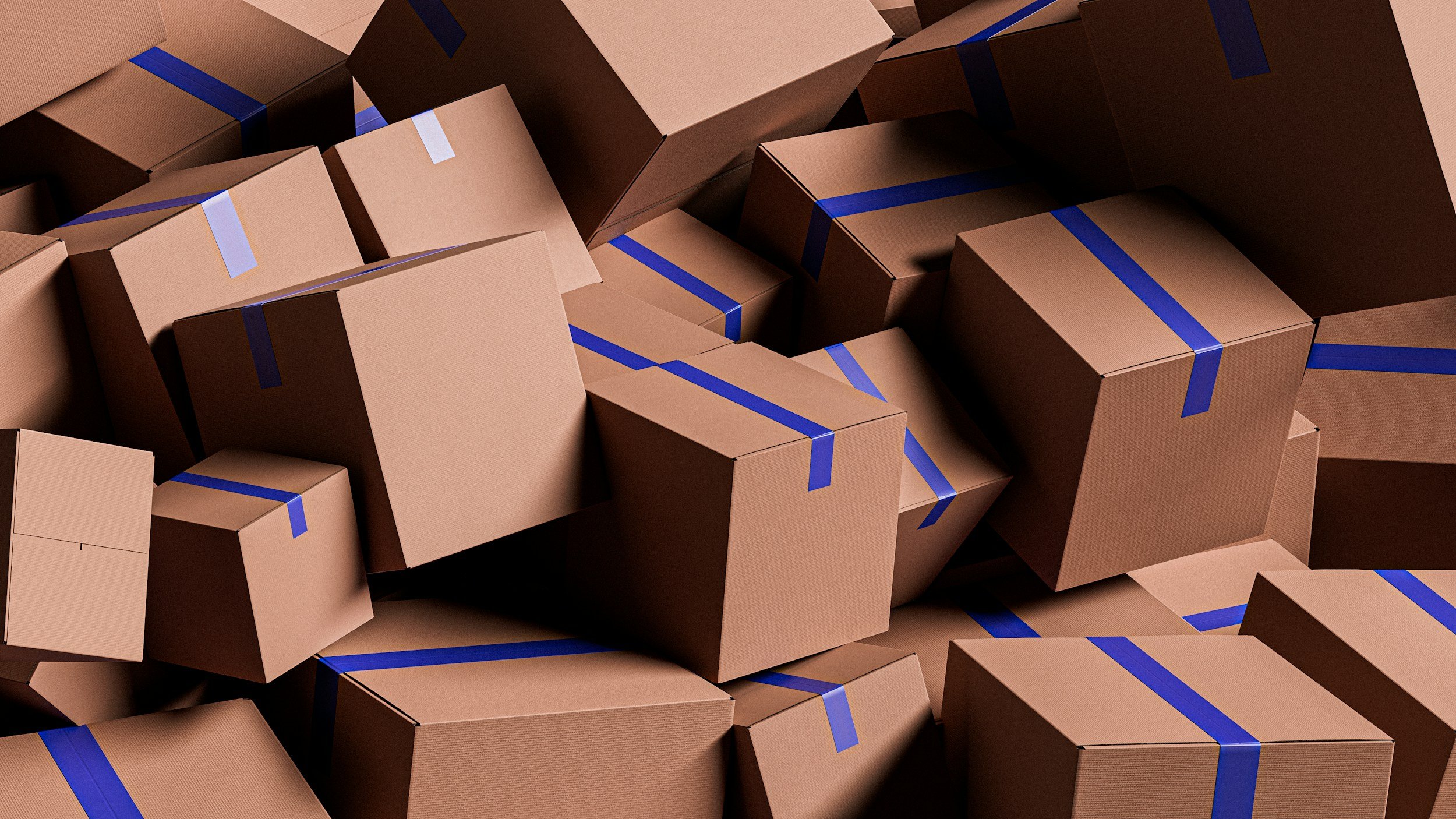
Most people don't think they own that much.
A few pieces of furniture. Some clothes. Kitchen supplies. A television. Maybe some boxes in the basement and a few things in the garage.
Then moving begins.
Suddenly, every drawer has to be emptied, every closet has to be opened, every shelf has to be cleared, and every object has to be packed, carried, transported, and unpacked.
That's when the realization hits:
You own a lot more than you thought.
Moving has a unique way of making the true volume of your possessions impossible to ignore. Belongings that seem insignificant when spread throughout a home become surprisingly substantial once everything is packed into boxes and stacked together.
This is one of the reasons moving can feel so overwhelming. You're not simply changing addresses. You're physically handling nearly everything you own, often within a very short period of time.
Here's why moving makes people suddenly realize how much stuff they actually own—and what you can do with that realization.
Your Belongings Are Usually Hidden Throughout the House
One reason we underestimate how much we own is that everything is distributed throughout different areas of the home.
Your possessions may be stored in:
Bedroom closets
Kitchen cupboards
Bathroom cabinets
Hallway closets
Basement shelves
Garage storage
Dressers
Desks
Attics
Storage rooms
When belongings are spread across dozens of different spaces, they don't seem overwhelming.
A closet full of clothes doesn't look like much.
A cabinet full of dishes doesn't feel excessive.
A garage shelf containing several storage bins seems manageable.
But when everything is removed from those individual spaces and collected into moving boxes, the total volume becomes obvious.
Moving Forces You to Touch Almost Everything You Own
During everyday life, you may go months or even years without interacting with certain belongings.
Moving changes that.
Almost everything must be:
Picked up.
Sorted.
Packed.
Moved.
Loaded.
Unloaded.
Unpacked.
This forces you to physically interact with possessions that may have been sitting untouched for years.
An item that was easy to ignore in the back of a closet becomes much harder to ignore when you're deciding whether it's worth packing and carrying to another home.
Boxes Make Your Possessions Visible
Boxes create a visual representation of how much you own.
You may begin packing and think:
"We probably need twenty boxes."
Then the kitchen alone takes twelve.
The bedrooms take another twenty.
The basement adds fifteen.
The garage adds ten more.
Suddenly, the living room is filled with boxes and you're nowhere near finished.
When everything is inside furniture and cupboards, it's difficult to understand the total volume.
Boxes make that volume visible.
Homes Are Extremely Good at Hiding Clutter
Modern homes contain many storage areas.
Closets.
Cabinets.
Drawers.
Shelving.
Storage rooms.
Garages.
Basements.
These spaces are useful, but they also allow belongings to disappear from view.
You can place something in a closet and forget about it for years.
Because it's out of sight, it stops feeling like part of your everyday possessions.
Moving removes that illusion.
Eventually, every storage area has to be emptied.
You Accumulate Things Gradually
Most people don't suddenly acquire hundreds of unnecessary items.
Accumulation happens slowly.
You buy a few things here.
Receive gifts there.
Keep something because it might be useful later.
Save clothes you may wear again.
Store children's belongings.
Keep old electronics.
Hold onto furniture from previous homes.
Over several years, those small additions become significant.
Because the accumulation happens gradually, you rarely notice it.
Moving compresses years of accumulation into a few weeks of packing.
You Probably Have More Clothes Than You Think
Clothing is one of the first categories that surprises people.
A wardrobe may contain:
Work clothes.
Casual clothes.
Formal clothes.
Seasonal clothing.
Old clothing.
Shoes.
Jackets.
Sportswear.
Accessories.
Clothes that don't fit.
Clothes you plan to wear again someday.
Once everything comes off hangers and out of drawers, the amount can be surprising.
Moving can be an excellent opportunity to decide which clothing deserves to follow you into your new home.
The Kitchen Contains Hundreds of Small Items
Kitchens are another major source of moving-day surprise.
A typical kitchen contains:
Plates.
Bowls.
Glasses.
Mugs.
Utensils.
Pots.
Pans.
Food storage containers.
Small appliances.
Cookware.
Bakeware.
Cleaning supplies.
Pantry food.
Spices.
Because these belongings are distributed throughout cupboards and drawers, the kitchen doesn't necessarily seem crowded.
Then you start packing.
The kitchen often requires far more boxes than expected.
You Own More Furniture Than You Notice
Furniture blends into the background of everyday life.
A sofa simply becomes part of the living room.
A dresser becomes part of the bedroom.
A bookshelf becomes part of the wall.
But during a move, each piece becomes an object that must be physically handled.
Suddenly you're counting:
Beds.
Mattresses.
Dressers.
Nightstands.
Sofas.
Tables.
Chairs.
Desks.
Shelving.
Cabinets.
Outdoor furniture.
Moving makes you realize just how many large objects are required to furnish a home.
Garages Can Hold an Entire Extra Household
Garages are famous for hiding possessions.
You may find:
Tools.
Bicycles.
Camping equipment.
Sports gear.
Lawn equipment.
Car accessories.
Seasonal decorations.
Storage bins.
Old furniture.
Building supplies.
Half-finished projects.
The garage often becomes the place where objects go when nobody knows where else to put them.
By moving day, those objects still need to go somewhere.
Basements Can Contain Years of Accumulation
Basements create similar problems.
They often contain belongings that aren't used regularly enough to stay upstairs but aren't unwanted enough to throw away.
Over time, this can include:
Old furniture.
Children's belongings.
Holiday decorations.
Boxes from previous moves.
Books.
Documents.
Exercise equipment.
Seasonal clothing.
Sometimes people discover boxes in the basement that haven't been opened since their last move.
That's a powerful sign that those belongings may not be essential.
You May Discover Boxes You Never Unpacked
One of the strangest moving discoveries is finding boxes from your previous move.
They still have the original labels.
You moved them into your home, placed them somewhere, and never opened them.
Then several years later, you're moving them again.
This raises an obvious question:
If you didn't need anything in that box for several years, do you really need to move it again?
Moving provides an opportunity to finally answer that question.
You Own a Lot of "Just in Case" Items
Many households contain items kept for hypothetical future situations.
You may recognize thoughts such as:
"I might need this someday."
"This could be useful."
"I don't want to buy another one later."
"Someone might want this."
"Maybe I'll repair it."
There's nothing wrong with keeping useful items.
The problem occurs when "just in case" becomes the reason for keeping hundreds of objects that haven't been used for years.
Moving makes the cost of keeping those items more obvious because each one requires space, packing, and transportation.
Sentimental Belongings Add Up Quickly
Not all accumulation is practical.
Many belongings carry memories.
These may include:
Family photos.
Letters.
Cards.
Children's artwork.
School projects.
Souvenirs.
Awards.
Inherited belongings.
Gifts.
Individually, sentimental objects may seem small.
Collectively, they can fill many boxes.
Moving forces people to reconsider the difference between preserving memories and preserving every physical object associated with those memories.
You Keep Things Because They Were Expensive
Another common reason people hold onto belongings is the original purchase price.
You may think:
"I paid a lot for this."
Unfortunately, what an item cost years ago doesn't necessarily determine whether it still deserves space in your current life.
If something is no longer useful, no longer fits your home, or hasn't been used in years, the original price may not be a good reason to keep moving it.
Moving forces you to weigh the item's current value against the effort and cost required to transport it.
You Keep Things Because Someone Gave Them to You
Gifts can be particularly difficult to declutter.
You may not use the item.
You may not even like it.
But because someone gave it to you, getting rid of it can feel disrespectful.
Moving often forces these decisions because you have limited time, space, and energy.
It's worth remembering that appreciation for the person doesn't necessarily require permanent ownership of every gift they gave you.
Your Home's Storage Capacity Can Distort Your Perception
A large home can make accumulation easier to ignore.
If you have:
A basement.
Garage.
Spare bedroom.
Several closets.
Storage room.
there may be little pressure to reduce belongings.
You simply find somewhere else to put them.
This becomes especially obvious when moving into a smaller property.
Suddenly, you're faced with the possibility that everything from the old home simply won't fit.
Downsizing Makes the Realization Even Stronger
Moving from a larger home into a smaller one creates an immediate confrontation with possessions.
You may be moving from:
A house to a condo.
A large family home to a townhouse.
A four-bedroom property to a two-bedroom property.
The question changes from:
"Can we move this?"
to:
"Where would we even put this?"
Downsizing forces more intentional decisions about furniture, storage, and household belongings.
Storage Areas Create the Illusion of Space
When a storage room is full, it can still feel organized.
Everything may be neatly stacked in bins.
But those bins represent real volume.
A row of ten storage containers may occupy surprisingly little visual space on shelving.
Place those same ten bins beside twenty boxes from the rest of the house and the total suddenly looks much larger.
Moving removes the visual tricks created by storage systems.
You Don't Notice Repetition Until Everything Is Together
Moving often reveals duplication.
You may discover:
Multiple sets of dishes.
Several frying pans.
Duplicate tools.
Extra linens.
Several sets of luggage.
Multiple winter coats.
Old phones.
Several vacuum cleaners.
Reusable bags filling an entire cabinet.
These duplicates may have accumulated gradually because you couldn't find the original, received another as a gift, or upgraded without getting rid of the previous version.
Packing everything puts those duplicates side by side.
You May Be Paying to Move Things You Don't Want
This is where the realization becomes financially important.
Moving costs are influenced by factors such as:
Volume.
Weight.
Labour.
Truck space.
Distance.
The more belongings you move, the more resources the relocation may require.
Packing something you don't need isn't just clutter.
You're potentially spending money and effort to relocate it.
This is why decluttering before the movers arrive can make such a difference.
Long-Distance Moves Make Every Item More Important
When moving locally, you may be more willing to transport something simply because it's easy.
Long-distance moving changes the calculation.
If an item needs to travel hundreds or thousands of kilometres, you may ask:
Is this worth moving?
Would replacing it cost less?
Will it fit in the new home?
Do I actually want it?
The farther you're moving, the more important intentional packing becomes.
International Moving Makes the Question Even Bigger
International relocations can make possession decisions even more significant.
You're no longer moving something across town.
Your belongings may travel across:
Countries.
Borders.
Oceans.
Customs systems.
In that situation, moving old, inexpensive, or unnecessary possessions may make less sense.
International moves often encourage people to significantly reduce what they own before departure.
Moving Reveals How Much Stuff Children Accumulate
Children can accumulate belongings surprisingly quickly.
Toys.
Books.
Clothes.
School supplies.
Sports equipment.
Artwork.
Crafts.
Baby items.
Outgrown furniture.
A child's room may appear manageable until every drawer and storage bin is emptied.
Moving is often a useful time to involve older children in deciding what they still use and what they are ready to donate.
Toys Multiply When Nobody Is Looking
Parents often discover that toys seem to reproduce.
Individual toys don't occupy much space.
But dozens or hundreds together can require many boxes.
Before moving, sort toys into categories:
Keep.
Donate.
Discard if broken.
Store as sentimental items.
There's little reason to move toys that haven't been played with for years.
Books Create an Unexpected Amount of Weight
A shelf of books looks compact.
Pack the same books into boxes and you quickly understand their weight.
Books are dense.
A home library can add substantial weight to a move.
This doesn't mean you need to get rid of books you love, but moving is a good opportunity to donate books you know you won't read again.
Paper Can Become a Major Category
Paper accumulates quietly.
You may discover:
Old bills.
Receipts.
Instruction manuals.
Tax documents.
School papers.
Printed emails.
Outdated warranties.
Old magazines.
Moving provides a good opportunity to review paperwork and securely dispose of documents you no longer need.
Important records should, of course, be retained according to your legal, financial, and personal requirements.
Bathrooms Contain More Than Expected
Bathroom cabinets can contain years of small purchases.
You may find:
Half-used toiletries.
Expired products.
Old cosmetics.
Duplicate shampoo bottles.
Unused grooming tools.
Towels.
Medication.
Cleaning supplies.
Because these items are small, they accumulate easily.
Packing them together makes their total volume much more obvious.
You Have More Towels and Bedding Than You Realize
Linen closets can hide large quantities of bulky belongings.
Sheets.
Blankets.
Comforters.
Pillows.
Towels.
Guest bedding.
Seasonal bedding.
These items aren't particularly heavy, but they occupy significant space.
Moving is a good opportunity to decide how many sets your household realistically needs.
Seasonal Decorations Can Become a Collection of Their Own
Holiday decorations are used only briefly each year, which makes it easy to forget how much you've accumulated.
You may have:
Christmas decorations.
Halloween decorations.
Outdoor decorations.
Artificial trees.
Lights.
Wreaths.
Gift wrapping supplies.
Over several years, seasonal items can occupy a substantial portion of storage space.
Hobbies Can Require More Space Than Expected
Hobbies often come with equipment.
Photography.
Cycling.
Camping.
Fishing.
Golf.
Crafts.
Painting.
Music.
Fitness.
Woodworking.
You may not think of these belongings as clutter because they serve a purpose.
However, moving reveals just how much space hobbies can require.
This is worth considering when planning storage in your next home.
You Start Thinking Differently About What You Buy
One of the most interesting effects of moving occurs after the move.
Once you've personally packed, carried, and unpacked hundreds of belongings, shopping can begin to feel different.
You may start asking:
Where will I store this?
Do I really need it?
Do I already own something similar?
Would I want to move this again?
Moving can create a much stronger awareness of the physical cost of ownership.
Every Object Requires Space
Buying something isn't only about its purchase price.
Every physical object requires somewhere to live.
It may require:
A shelf.
A drawer.
A cabinet.
A closet.
Garage space.
Basement space.
Storage space.
Moving makes this relationship between belongings and space much more obvious.
Every Object Also Requires Management
Possessions require more than storage.
They may need to be:
Cleaned.
Maintained.
Organized.
Repaired.
Protected.
Moved.
Replaced.
The more you own, the more you have to manage.
Moving compresses all of that management into a short period of time, which is why accumulation suddenly becomes so noticeable.
Moving Can Change Your Definition of Clutter
Before moving, clutter may simply mean items left on countertops or floors.
After moving, your definition may change.
You begin recognizing that clutter can also include neatly organized objects you don't use.
Something doesn't become useful merely because it's stored in a labeled container.
Moving forces you to evaluate belongings based on usefulness rather than organization alone.
Packing Creates a Natural Decision Point
One of the best questions to ask while packing is:
"Would I pay someone to move this?"
It's a useful way to think about belongings.
If the answer is no, perhaps it shouldn't enter the moving box.
Other useful questions include:
Have I used this in the last year?
Does this fit my new home?
Would I buy this again today?
Is this difficult or expensive to replace?
Does this have genuine sentimental value?
These questions can make decluttering easier.
Moving Is One of the Best Times to Declutter
Decluttering can happen anytime, but moving creates a natural deadline.
Every item must either:
Move.
Be donated.
Be sold.
Be recycled.
Be disposed of appropriately.
There's no option to simply leave everything exactly where it is.
This creates motivation that everyday decluttering often lacks.
Start Decluttering Before You Start Packing
Ideally, don't pack first and make decisions later.
Sort before placing items into boxes.
Otherwise, you may spend time and money moving belongings only to throw them away after arriving.
Start with areas containing the least sentimental belongings.
Good places to begin include:
Pantries.
Bathrooms.
Garages.
Utility rooms.
Storage closets.
Once you build momentum, move toward more difficult categories.
Declutter One Category at a Time
Trying to declutter the whole house at once can become overwhelming.
Instead, focus on individual categories.
For example:
Clothes.
Books.
Kitchenware.
Tools.
Toys.
Electronics.
Paperwork.
Decorations.
This allows you to see all similar items together and identify duplicates more easily.
Don't Move Obvious Garbage
It sounds obvious, but rushed moves often result in people packing things they know should be discarded.
Broken items.
Empty containers.
Expired products.
Unusable electronics.
Damaged furniture.
If you already know something isn't worth keeping, deal with it before moving day.
There is little benefit in transporting waste to your new property.
Sell Valuable Items Early
If you have belongings worth selling, don't wait until the final weekend.
Selling furniture and household goods can take time.
You may need to:
Photograph items.
Create listings.
Answer messages.
Arrange pickup.
Starting early gives you more options.
When time runs out, donating may become the only practical alternative.
Donate Usable Belongings
Many unwanted items may still be useful to someone else.
Depending on local organizations and their policies, you may be able to donate:
Clothing.
Furniture.
Books.
Household goods.
Toys.
Kitchenware.
Decluttering can feel easier when you know useful belongings are getting another life.
Be Careful With Sentimental Decluttering
Not every moving decision needs to be aggressive.
Some items deserve to come with you simply because they matter.
Moving isn't about owning as little as possible.
It's about becoming more intentional about what you choose to keep.
If something carries significant memories or emotional value, that may be more than enough reason to move it.
Photograph Sentimental Items You Don't Need to Keep
Sometimes the memory matters more than the physical object.
If you're struggling to part with something that isn't practical to keep, consider taking photographs.
This can work for:
Children's artwork.
Old furniture.
Large sentimental objects.
Collections.
You can preserve the memory without necessarily preserving every physical item.
Measure Your New Home Before Deciding What to Keep
Decluttering decisions become easier when you know what will actually fit.
Measure:
Rooms.
Doorways.
Closets.
Storage areas.
Wall space.
Large furniture.
Knowing your new home's dimensions can prevent you from moving furniture that has nowhere to go.
Ask Whether Your New Home Supports Your Old Lifestyle
Moving is a natural opportunity to reconsider how you use your belongings.
Perhaps your old house had a large dining room, but your new home doesn't.
Maybe you're moving somewhere with less outdoor space.
Perhaps you no longer need a home office.
Your possessions should support the way you'll live in the new home, not simply recreate the old one automatically.
Don't Let Packing Become Storage in Disguise
One temptation is to avoid decisions by putting everything into boxes.
You tell yourself:
"I'll sort it when we get there."
Sometimes that's necessary during a rushed move.
But if you have time, it's usually better to sort first.
Otherwise, packed boxes can simply become another form of storage—and some may remain unopened for years.
Professional Movers Also See How Much Households Accumulate
Experienced movers regularly see the true volume of household belongings.
What looks like a relatively small home can still require a substantial amount of truck space.
This is one reason accurate moving estimates often require information about more than just the number of bedrooms.
Factors such as:
Basements.
Garages.
Storage rooms.
Outdoor furniture.
Home offices.
Large collections.
can significantly change the size of a move.
Why Accurate Moving Estimates Matter
If you underestimate how much you own, you may also underestimate the requirements of your move.
That can affect:
Truck size.
Number of movers.
Packing supplies.
Labour time.
Storage requirements.
Moving cost.
Providing your moving company with an accurate description of your household helps them plan the relocation more effectively.
Don't Forget Areas Outside the Main House
When estimating your belongings, remember areas such as:
Garage.
Shed.
Balcony.
Patio.
Locker.
Storage unit.
Attic.
Basement.
People sometimes focus entirely on the main living areas and forget that an entire shed or storage locker still needs to be moved.
You May Already Be Paying for Extra Storage
Some people discover while moving that their home isn't the only place containing belongings.
They may also have a storage unit.
If you're paying monthly to store objects you rarely access, moving may be a useful time to evaluate whether those belongings still justify the ongoing expense.
Moving items from one storage location to another without reconsidering them can simply extend the problem.
Owning Less Can Make the Move Easier
You don't need to become a minimalist.
But reducing unnecessary belongings has practical moving benefits.
Fewer belongings can mean:
Less packing.
Fewer boxes.
Less lifting.
Less truck space.
Less unpacking.
Less clutter in the new home.
The benefit continues long after moving day.
Your New Home Can Start With Less Clutter
One of the best feelings after moving is opening the door to a fresh space.
Instead of immediately filling every closet and cabinet, you have an opportunity to organize your new home intentionally.
Bring in what you genuinely need.
Choose where belongings belong.
Leave some storage space empty.
You don't have to recreate every crowded closet from your previous property.
Moving Can Be a Reset
Ultimately, the realization that you own a lot of stuff isn't necessarily negative.
It's information.
Moving gives you an opportunity to ask:
What do I want to carry forward?
What have I outgrown?
What do I actually use?
What deserves space in my new home?
Instead of viewing decluttering simply as getting rid of things, think of it as choosing what belongs in your next chapter.
Frequently Asked Questions
Why do I suddenly feel like I own too much when moving?
Because moving requires you to physically handle and gather nearly everything you own. Items that were previously distributed across closets, cabinets, drawers, garages, and basements suddenly become visible together, making the total volume much easier to recognize.
Is it normal to underestimate how much stuff you have?
Yes. Most people don't regularly see all their possessions in one place. Storage areas make belongings easy to overlook, and accumulation happens gradually over time.
Should I declutter before hiring movers?
Decluttering before your move is usually beneficial. It reduces the number of belongings requiring packing and transportation and may also reduce the amount of time, storage space, or truck capacity needed.
How early should I start decluttering before moving?
Start as early as practical. Several weeks before moving gives you more time to sell, donate, recycle, or appropriately dispose of belongings instead of making rushed decisions during the final days.
What should I get rid of before moving?
Start with items that are broken, expired, duplicated, unused, poorly suited to your new home, or inexpensive and difficult to move. Sentimental and high-value belongings deserve more careful consideration.
Why do people move unopened boxes from one house to another?
Often because they didn't have time to sort them during the previous move. Once stored in a basement or garage, the boxes may remain untouched. Finding them during the next move can be a strong indicator that their contents aren't regularly needed.
Does having fewer belongings reduce moving costs?
It can. Moving costs depend on multiple factors, but reducing the volume or weight of what you're moving may decrease packing requirements, labour, storage needs, and transportation requirements.
How can I estimate how much stuff I actually have?
Walk through every area of your property, including closets, cupboards, garage, basement, shed, attic, and external storage. Creating an inventory or showing your mover the entire property can help produce a more realistic estimate.
Final Thoughts
Moving makes you realize how much stuff you actually own because, perhaps for the first time in years, you're forced to confront almost all of it at once.
Every closet gets opened.
Every drawer gets emptied.
Every basement shelf gets cleared.
Every piece of furniture has to go somewhere.
Belongings that seemed almost invisible during normal life suddenly become dozens—or even hundreds—of boxes.
That realization can be surprising, frustrating, and occasionally overwhelming. But it can also be incredibly useful.
Moving gives you a natural opportunity to reconsider what you own before taking everything into your next home.
You don't have to throw away everything that isn't essential. Your possessions can be practical, sentimental, enjoyable, or simply meaningful to you.
The goal isn't to own the fewest things possible.
The goal is to avoid automatically carrying belongings forward simply because you've always had them.
Before sealing each box, ask yourself whether what's inside deserves the space, effort, and cost required to move it.
Keep the things that support your life.
Keep the things you genuinely value.
Let go of what no longer serves a purpose.
That way, when the moving truck arrives at your new home, you're not simply bringing everything you've accumulated.
You're bringing the belongings you've consciously chosen to take with you.
