
Why Moving Is the Perfect Excuse to Reinvent Your Home
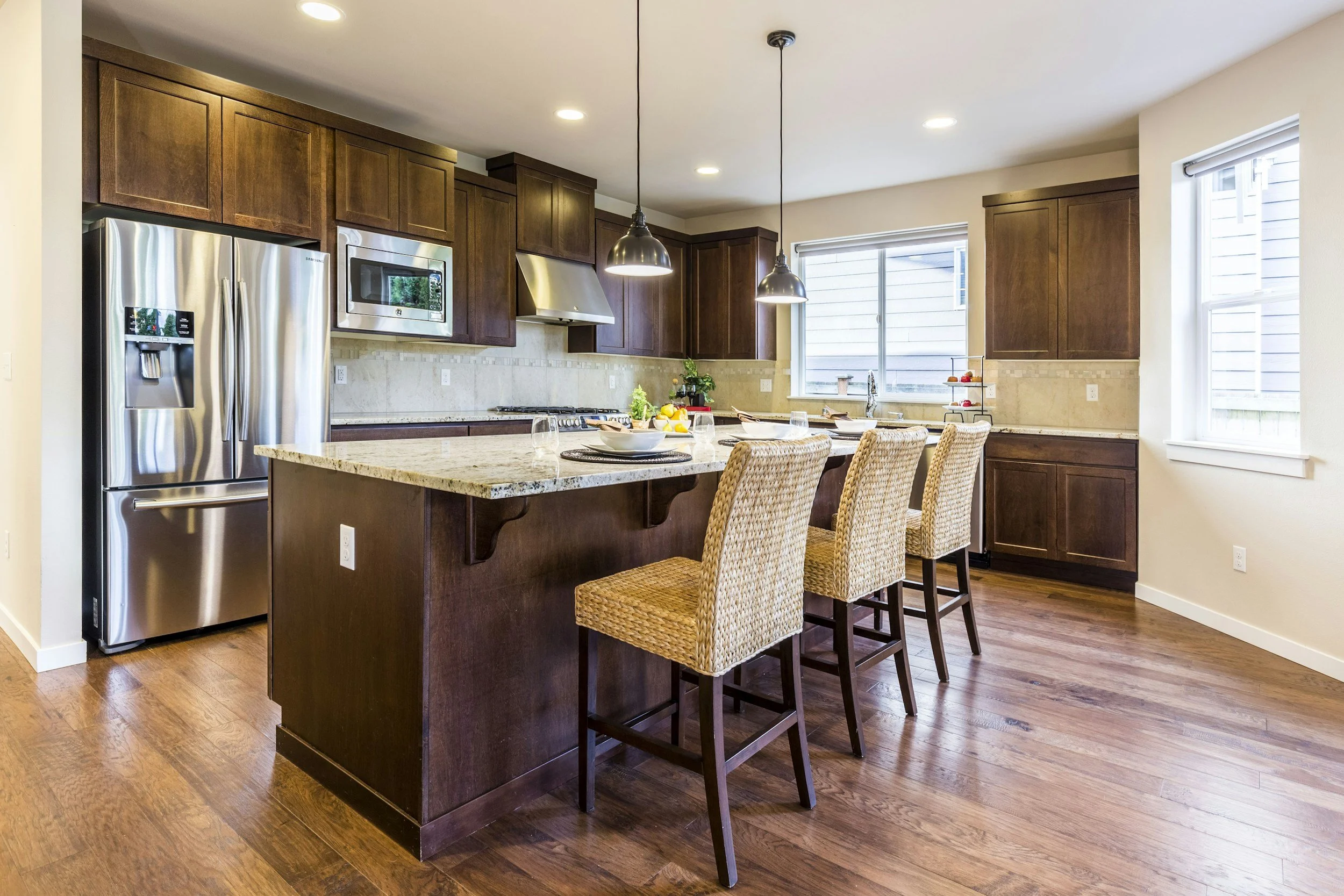
Moving gives you something that everyday life rarely does: a completely fresh starting point.
In your current home, furniture may have been in the same place for years. Closets may be filled with things you barely use. Certain rooms may no longer reflect your lifestyle, but because everything is already set up, changing them can feel like too much work.
Then you move.
Suddenly, every room is empty.
Every piece of furniture has to be placed somewhere.
Every box has to be opened.
Every decoration has to earn its place again.
That makes moving one of the best opportunities to reinvent your home.
Instead of automatically recreating your old house in a new location, you can use the move as a chance to rethink how you live, what you own, how your rooms function, and what you want your new home to feel like.
A move doesn't have to be about transferring your old environment into a different building.
It can be an opportunity to create something better.
A New Home Gives You a Blank Canvas
One of the most exciting things about moving is seeing your new home before your belongings arrive.
The rooms are empty.
The walls are open.
The closets are clear.
Nothing has an assigned location yet.
This creates possibilities that are difficult to see once a home is fully furnished.
You can ask:
How should this room actually function?
Where should the furniture go?
What atmosphere do I want?
What should I change before everything arrives?
Instead of being limited by existing arrangements, you get to start again.
You Don't Have to Recreate Your Old Home
One of the most common moving habits is trying to reproduce the previous home.
The sofa goes against a similar wall.
The television goes across from it.
The same pictures get hung in approximately the same arrangement.
Furniture remains paired together because that's how it was before.
But your new home is different.
It may have:
Different room shapes.
Different natural light.
Different ceiling heights.
Different storage.
Different traffic patterns.
Different views.
Different proportions.
What worked perfectly in the old home may not be the best choice now.
Moving gives you permission to reconsider everything.
Your Lifestyle May Have Changed
Your home should reflect your current life, not necessarily the life you were living when you bought your furniture.
Perhaps you now:
Work from home.
Have children.
Entertain more often.
Cook more.
Exercise at home.
Need more storage.
Want quieter spaces.
Spend more time outdoors.
Moving gives you an opportunity to redesign your home around the way you actually live today.
Moving Makes You Evaluate What You Own
Before something enters your new home, you have to decide whether it deserves to come with you.
That makes moving a powerful decluttering opportunity.
You may discover belongings that are:
Unused.
Broken.
Outdated.
Too large.
Too small.
No longer your style.
Unsuitable for the new home.
Instead of automatically moving everything, you can become more selective.
This creates a cleaner starting point for your new space.
Reinvention Starts Before Moving Day
You don't need to wait until the truck arrives at your new home.
Start thinking about your new space while you're still packing.
Look at every major item and ask:
Do I still want this?
Does it fit the new home?
Does it fit the way I want the new home to look?
Would I buy this today?
If not, moving may be the perfect time to let it go.
Decluttering Changes the Entire Feel of a New Home
Moving fewer belongings doesn't just reduce packing.
It changes the way your new home feels.
Instead of filling every:
Closet.
Shelf.
Drawer.
Cabinet.
Storage room.
you begin with breathing room.
Empty space can make a home feel:
Larger.
Calmer.
Cleaner.
More organized.
More intentional.
You don't need to become a minimalist.
You simply need to avoid bringing unnecessary clutter into your fresh start.
You Can Finally Get Rid of Furniture You've Outgrown
Furniture often stays in homes long after people stop loving it.
You may keep something because:
It still works.
It was expensive.
Someone gave it to you.
Replacing it seems unnecessary.
Moving changes the equation.
If a piece is difficult to move, poorly suited to the new home, or no longer reflects your preferences, this may be the ideal time to replace it.
There's little reason to pay to transport a piece of furniture you already know you want to get rid of.
Measure Before You Decide What Comes With You
Before deciding which furniture to move, measure the new home.
Pay attention to:
Room dimensions.
Doorways.
Stairways.
Hallways.
Elevators.
Closets.
Wall lengths.
Large furniture may fit in the room but still be impossible to get through the doorway.
Measurements also help you avoid moving oversized furniture that overwhelms the new space.
You Can Rethink Every Room's Purpose
A move gives you the opportunity to reconsider how rooms are used.
Maybe the previous homeowner used a room as a dining room.
That doesn't mean you have to.
It could become:
A home office.
Playroom.
Reading room.
Workout room.
Studio.
Guest room.
Hobby space.
Homes don't need to follow traditional room labels.
Design each space around your actual needs.
Your Living Room Doesn't Need to Look Like the Old One
Living rooms often become frozen in one layout for years.
Moving gives you a reason to experiment.
Try changing:
Furniture orientation.
Conversation areas.
Television placement.
Lighting.
Rugs.
Artwork.
Side tables.
You may discover a layout that makes the room feel completely different.
Before placing large furniture permanently, experiment with several arrangements.
Think About Traffic Flow
A beautiful room can still be frustrating if people constantly have to walk around furniture.
When arranging the new home, think about how people will move through each room.
Try to create clear pathways between:
Doors.
Stairs.
Hallways.
Seating areas.
Kitchen spaces.
Outdoor exits.
Good traffic flow can make a home feel more comfortable and spacious.
Take Advantage of Natural Light
Your new home may receive sunlight differently than your previous one.
Notice which rooms receive:
Morning light.
Afternoon light.
Direct sunlight.
Soft indirect light.
Then arrange rooms accordingly.
Perhaps a bright corner becomes:
A reading space.
Breakfast area.
Home office.
Plant area.
Natural light can completely change how a space feels.
Paint Before Your Furniture Arrives
If you're planning to repaint, before moving in is often one of the easiest times.
Painting an empty room means you don't have to:
Move furniture.
Cover everything.
Work around boxes.
Disassemble rooms.
If your schedule allows, completing painting before final delivery can save considerable effort.
Flooring Is Easier Before Moving In
The same principle applies to flooring.
If you plan to replace:
Carpet.
Hardwood.
Vinyl.
Laminate.
Tile.
it's usually much easier when the rooms are empty.
A short delay in moving furniture into a room may save you from having to move everything twice.
Use the Empty Home to Make Repairs
An empty property gives you easy access to areas that will eventually be hidden.
Before moving furniture in, consider addressing:
Wall damage.
Loose trim.
Electrical outlets.
Door hardware.
Minor repairs.
Caulking.
Paint touch-ups.
Once furniture and boxes arrive, small projects often get postponed.
Sometimes for years.
Rethink Your Colour Palette
Moving gives you a natural reason to reconsider colour.
Maybe your previous home was dominated by:
Grey.
Beige.
White.
Dark furniture.
Bright colours.
Now you may want something different.
You can reinvent your home using colour through:
Paint.
Rugs.
Furniture.
Curtains.
Artwork.
Accessories.
Even small changes can make the new home feel distinct from your old one.
You Don't Need to Buy Everything Immediately
A fresh home can create pressure to furnish every room immediately.
Resist that pressure.
Live in the space first.
You may discover that your original ideas change after a few weeks.
Perhaps:
A chair works better in another room.
You don't need another table.
A room functions better with less furniture.
Storage requirements are different than expected.
Allow the home to reveal what it needs.
Empty Space Is Not a Problem
People often feel uncomfortable leaving areas unfinished.
But empty space can be useful.
An empty corner doesn't necessarily need:
A chair.
Plant.
Shelf.
Table.
Basket.
Sometimes leaving space alone makes a room feel better.
Moving is a rare opportunity to avoid filling every available area automatically.
You Can Develop Better Storage Habits
Storage systems often evolve accidentally in a long-term home.
You put something somewhere because it fits.
Five years later, that's where it still lives.
A new home gives you the chance to create better systems from the beginning.
Think about storing items based on where they're actually used.
For example:
Cooking tools near preparation areas.
Cleaning supplies near where they're needed.
Shoes near entrances.
Bedding near bedrooms.
Frequently used items within easy reach.
Logical storage can make everyday life easier.
Don't Fill Closets Immediately
An empty closet is valuable.
Don't rush to fill every inch.
First decide what belongs there.
You may be able to create categories for:
Daily clothing.
Seasonal items.
Linens.
Household supplies.
Storage.
Leaving some unused space makes future organization easier.
Moving Is the Perfect Time to Improve Your Entryway
The entrance to your home affects daily routines more than people realize.
Consider what happens when you arrive home.
Where do you put:
Shoes?
Coats?
Keys?
Bags?
Mail?
Umbrellas?
Pet supplies?
Creating a practical entryway from the beginning can prevent clutter from spreading throughout the home.
Create a Better Drop Zone
A small drop zone near your main entrance can make a huge difference.
Depending on your space, it might include:
Hooks.
A small table.
Storage baskets.
Shoe storage.
Key storage.
The goal is to give everyday items an immediate destination.
If everything has somewhere to go, your home is easier to keep organized.
Reinvent Your Kitchen Organization
Moving into a new kitchen gives you a chance to avoid recreating old frustrations.
Think about how you cook.
Store frequently used items close to where you need them.
For example:
Cooking utensils near the stove.
Glasses near the refrigerator.
Dishes near the dishwasher.
Coffee supplies near the coffee maker.
Food preparation tools near the main counter.
Small organizational changes can make the kitchen significantly more efficient.
Don't Automatically Fill Every Kitchen Cabinet
You may have more storage than your old kitchen.
That doesn't mean you need more stuff.
Keep space available.
A partially empty cabinet is often more useful than one filled completely with appliances and dishes you rarely use.
Moving Is a Great Time to Upgrade Your Bedroom
Bedrooms often become collections of furniture rather than intentionally designed spaces.
Moving allows you to reconsider:
Bed placement.
Lighting.
Nightstands.
Storage.
Colours.
Window coverings.
You can create a bedroom around comfort and rest rather than simply placing furniture wherever it fits.
Make the Bedroom Feel Calmer
If you want your bedroom to feel more relaxing, start by reducing visual clutter.
Limit unnecessary furniture.
Create convenient storage.
Keep surfaces relatively clear.
Use lighting intentionally.
A fresh move is much easier than trying to reorganize a fully established bedroom later.
Create a Home Office That Actually Works
If you work from home, moving gives you the chance to correct problems with your previous setup.
Think about:
Natural light.
Noise.
Privacy.
Internet access.
Desk size.
Chair placement.
Storage.
Video call backgrounds.
A home office should support concentration rather than simply occupy an unused corner.
Give Hobbies Their Own Space
Many homes become cluttered because hobby supplies don't have a defined location.
Moving provides an opportunity to create dedicated storage for:
Crafting.
Music.
Photography.
Cycling.
Fitness.
Gaming.
Reading.
Collections.
Even if you can't dedicate an entire room, having a defined area can prevent hobby equipment from spreading throughout the house.
Create Better Spaces for Children
Children's needs change quickly.
Moving may be a chance to update their rooms around their current stage of life.
Consider:
Age-appropriate storage.
Homework areas.
Toy organization.
Reading areas.
Clothing accessibility.
You may find that some furniture and storage systems designed for younger children are no longer necessary.
Let Children Participate
Older children may enjoy helping plan their new rooms.
Allow them to contribute to decisions about:
Furniture placement.
Colours.
Artwork.
Storage.
Decorations.
Giving children some ownership over their space can also make the transition to a new home feel more exciting.
Create Better Pet-Friendly Spaces
Pets affect home organization too.
Think about where you'll keep:
Food.
Leashes.
Beds.
Toys.
Cleaning supplies.
Litter boxes.
Creating dedicated pet areas from the beginning can help keep the rest of the house more organized.
Moving Can Help You Break Bad Household Habits
Some home problems aren't really design problems.
They're habit problems.
Maybe:
Mail always piles up on the kitchen counter.
Shoes collect beside the door.
Laundry accumulates in one chair.
Boxes stay in the basement forever.
Moving creates a chance to design systems that make better habits easier.
If you know where clutter used to develop, create a solution before it starts again.
Give Everything a Home
One of the simplest principles of good organization is that every item should have a logical location.
When belongings don't have homes, they become clutter.
Moving gives you the chance to establish those locations as you unpack.
Instead of asking:
"Where can I put this?"
ask:
"Where should this permanently live?"
That small change can improve organization dramatically.
Unpack Intentionally
Don't treat unpacking as a race.
Instead of opening boxes and placing things wherever space exists, unpack room by room.
Decide:
Where items should live.
Whether they're still needed.
Whether storage makes sense.
You may even find additional things to donate during unpacking.
Avoid the "Temporary" Pile
One of the biggest dangers after moving is creating a pile of belongings you'll "deal with later."
Later can become years.
If possible, make decisions while unpacking.
Keep it.
Store it.
Donate it.
Dispose of it appropriately.
Avoid creating permanent temporary storage.
Reinvent Your Home Without Spending a Fortune
Home reinvention doesn't necessarily mean buying expensive furniture or renovating every room.
Some of the biggest improvements cost little or nothing.
You can:
Rearrange furniture.
Remove clutter.
Change room functions.
Move artwork.
Improve storage.
Use furniture in different rooms.
Open up walkways.
Change lighting placement.
Sometimes subtraction makes a bigger difference than buying something new.
Use What You Already Own Differently
Moving lets you see familiar belongings in a new context.
A dresser previously used in a bedroom could become hallway storage.
A bookshelf could become office storage.
An occasional chair could create a reading corner.
A table may function better as a desk.
Instead of assuming each item must serve the same purpose it always has, experiment.
Moving Can Reveal Your Actual Style
Many homes contain layers of different styles accumulated over time.
Furniture purchased ten years ago.
Decorations received as gifts.
Items inherited from family.
Impulse purchases.
Trends that came and went.
When everything is packed away, you get a chance to decide what you actually like now.
Your new home doesn't need to represent every version of your taste you've ever had.
Choose What Deserves to Be Displayed
Not everything meaningful needs to be visible at once.
Choose a smaller number of:
Photographs.
Artwork.
Collections.
Decorative objects.
Displaying fewer items can make each one more noticeable.
You can rotate decorations periodically rather than covering every available surface.
Rethink Your Relationship With Sentimental Items
Sentimental belongings can be difficult to integrate into a fresh space.
Some deserve prominent display.
Others may be better stored carefully.
Moving gives you an opportunity to distinguish between items you genuinely enjoy seeing and belongings you're keeping primarily because of memories.
Both can be valuable without necessarily occupying the same type of space.
Create Rooms That Feel Easier to Maintain
Design isn't just about how your home looks.
It's also about how easily you can maintain it.
When placing furniture, consider:
Can I vacuum around this?
Can I access the window?
Can I clean behind it?
Can I reach storage easily?
Is this room overcrowded?
A home that's easier to clean and organize is often more enjoyable to live in.
Don't Over-Furnish the New Home
One of the easiest mistakes after moving is placing too much furniture in each room.
Because you already own the furniture, you may feel obligated to use it.
You don't.
If removing one chair makes the room easier to navigate, remove it.
If a large cabinet overwhelms the room, use it elsewhere or consider letting it go.
Furniture should serve the space, not dominate it.
Think About How You Want Your Home to Feel
Before choosing furniture placement and decoration, consider the atmosphere you want.
Do you want your home to feel:
Relaxed?
Bright?
Minimal?
Warm?
Social?
Quiet?
Functional?
Family-oriented?
Elegant?
Your answer can guide decisions throughout the home.
Reinvention Doesn't Mean Following Trends
You don't need to redesign your home around whatever happens to be popular.
Trends change quickly.
Your home should work for you.
Prioritize:
Comfort.
Function.
Storage.
Lifestyle.
Personal taste.
A home that supports your routines is more valuable than one designed simply to look fashionable.
Moving Can Help You Become More Intentional About Purchases
After packing and moving everything you own, you may become much more selective about what comes into the new house.
That's a good thing.
Before buying something, you may begin asking:
Where will this go?
What purpose does it serve?
Do I already have something similar?
Will I still want this next year?
Would I want to move this again?
That mindset can help prevent your new home from becoming cluttered as quickly as the old one.
Create Some Rules for the New Home
You may decide to establish simple household rules.
For example:
Don't buy storage containers until you actually need them.
Donate clothing when buying replacements.
Keep kitchen counters mostly clear.
Avoid using the garage as permanent overflow storage.
Review storage areas once a year.
Rules don't need to be strict.
They're simply tools for maintaining the fresh start you've created.
Reinvent Your Outdoor Space Too
If your new home has:
A balcony.
Patio.
Deck.
Yard.
Garden.
don't forget about these areas.
Think about how you want to use them.
Perhaps you want:
Outdoor dining.
A garden.
Children's play space.
A barbecue area.
A quiet seating area.
Outdoor spaces can become important extensions of the home.
A Move Can Inspire Better Daily Routines
The layout of your home can influence habits.
You might create:
A coffee station that simplifies mornings.
A charging station for electronics.
A dedicated homework area.
A laundry sorting system.
A meal-preparation area.
A place for exercise equipment.
Good home organization supports better routines automatically.
You Can Design Around the Things That Annoyed You Before
Think about what frustrated you in your old home.
Perhaps:
You never had enough shoe storage.
The kitchen counters were always cluttered.
Your office had poor lighting.
There wasn't anywhere for coats.
Children's toys spread everywhere.
Laundry accumulated in the wrong place.
Those frustrations give you clues.
Your new home is an opportunity to solve them.
Moving Is a Chance to Improve, Not Just Relocate
It's easy to view moving as a logistical project.
Pack everything.
Transport everything.
Unpack everything.
Done.
But moving can be something more useful.
It can be an opportunity to improve how your home functions.
Instead of asking:
"Where should all our stuff go?"
ask:
"How do we want to live here?"
That question leads to very different decisions.
Professional Movers Can Give You More Energy for Reinventing the Home
One overlooked advantage of hiring professional movers is that you may have more physical and mental energy available for setting up the new home.
If you've spent twelve hours carrying:
Boxes.
Beds.
Dressers.
Sofas.
Mattresses.
you're probably not going to feel enthusiastic about experimenting with furniture layouts afterward.
Professional movers can handle many of the physically demanding parts of the relocation, allowing you to focus more attention on:
Furniture placement.
Organization.
Unpacking.
Family needs.
Setting up the new space.
Tell Movers Where Furniture Should Go
If you're hiring movers, think about furniture placement before unloading begins.
You can identify rooms or even prepare a basic furniture plan.
This helps movers place large pieces where you want them.
It's much easier to have a dresser positioned correctly during the move than to discover later that you want it on the opposite side of the room.
You Don't Have to Finish the House on Moving Day
A new home takes time to understand.
Don't pressure yourself to make every design decision immediately.
Set up the essentials first.
Then live in the space.
Pay attention to:
Where people naturally sit.
Where clutter accumulates.
Which rooms receive the best light.
Which storage areas are convenient.
Where furniture feels awkward.
Your home can evolve gradually.
Give Yourself Permission to Change Your Mind
Furniture placement isn't permanent.
Neither are most decorating decisions.
You may arrange the living room one way and change it two weeks later.
That's part of learning the new space.
Experiment until the home feels right.
The Best Home Is One That Works for You
Reinventing your home isn't about creating something perfect.
It's about creating something more suited to your life.
A beautiful home that's inconvenient isn't necessarily a successful home.
A well-designed home should make everyday tasks easier.
It should provide enough storage.
It should feel comfortable.
It should support your routines.
It should reflect the people who live there.
Moving gives you a rare opportunity to build those qualities from the beginning.
Frequently Asked Questions
Why is moving a good time to redesign your home?
Moving gives you an empty space and forces you to reconsider every piece of furniture and household item before placing it. This makes it easier to change layouts, declutter, improve storage, repaint, and create rooms around your current lifestyle.
Should I buy new furniture before or after moving?
Unless you already know exactly what you need, waiting until after moving can be helpful. Living in the new home for a short period allows you to understand room proportions, traffic flow, storage needs, and how you actually use the space before making large purchases.
Should I get rid of old furniture before moving?
If furniture is damaged, no longer useful, doesn't fit your new home, or isn't worth the cost and effort of moving, it may make sense to sell, donate, recycle, or appropriately dispose of it before moving day.
Is it better to paint before moving in?
If your schedule allows, painting an empty home can be significantly easier because you don't need to move or protect furniture. The same can be true for flooring and certain repairs.
How do I avoid cluttering my new home?
Declutter before moving, unpack intentionally, give belongings permanent locations, avoid filling every storage space immediately, and be selective about new purchases.
How can I make my new home feel different without spending much money?
Change furniture layouts, reduce clutter, repurpose existing furniture, move artwork to new locations, rethink how rooms are used, and improve organization. You can substantially change the feel of a home without replacing everything.
Should I unpack everything immediately?
No. Focus first on bedrooms, bathrooms, kitchen essentials, work necessities, and other daily needs. Less important belongings can be unpacked gradually, allowing you to make more thoughtful decisions about where they belong.
Can movers help with furniture placement?
Professional movers can typically place furniture into the rooms or locations you indicate during unloading. Discuss your requirements with your moving company beforehand, particularly if you have large or specialty furniture.
Final Thoughts
Moving is one of the few moments when your entire home is essentially reset.
Everything comes off the walls.
Everything leaves the cabinets.
Every piece of furniture moves.
Every closet becomes empty.
That's why moving is the perfect excuse to reinvent your home.
You don't have to recreate the exact environment you left behind.
You can declutter.
You can change furniture layouts.
You can rethink how rooms are used.
You can improve storage.
You can finally get rid of furniture you've outgrown.
You can fix the household problems that have annoyed you for years.
Most importantly, you can design your new home around the life you're living now rather than automatically rebuilding the life you had before.
A successful move isn't only about getting everything safely from one address to another.
It's also about deciding what deserves to come with you and what kind of home you want waiting when the boxes are finally unpacked.
Use the move as a reset.
Bring what you love.
Leave behind what no longer works.
Create better systems.
Experiment with the space.
Give yourself permission to do things differently.
Your new address can be more than just another place to put the same belongings.
It can be an opportunity to create a home that works better for the person you are now.
