
Why Garages Are Often Harder to Move Than Bedrooms
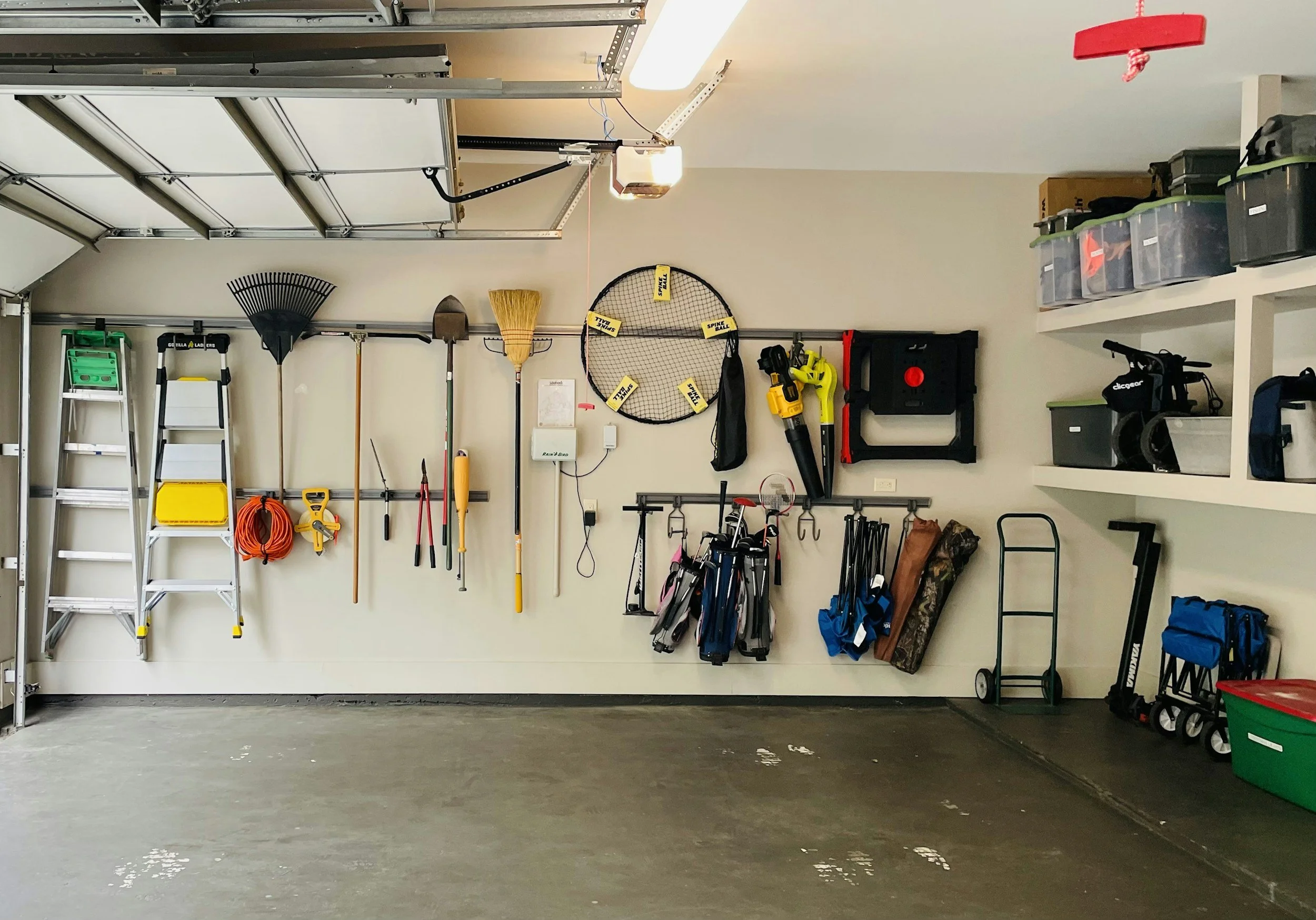
When most people prepare to move, they naturally focus on the rooms where they spend the most time. The bedrooms need packing, the living room furniture needs wrapping, the kitchen cupboards need emptying, and the dining table may need disassembling. These are the obvious parts of a household move, and they usually receive the most attention.
The garage, however, is often treated as an afterthought.
It is easy to assume that moving the garage will be straightforward. After all, there may not be any beds to dismantle, mattresses to carry, or delicate bedroom furniture to protect. Perhaps there are just a few shelves, some tools, a lawnmower, bicycles, and several storage boxes.
But once packing begins, the garage can quickly become one of the most frustrating, physically demanding, and time-consuming areas of the entire home.
A garage that looks relatively organized may contain hundreds of individual items. A garage that has served as a storage space for years may contain belongings that nobody remembers owning. There may be sharp tools, heavy equipment, awkward machinery, dusty furniture, leaking containers, and materials that a moving company cannot legally or safely transport.
And unlike bedrooms, where most belongings fit into recognizable categories, garages often contain a mixture of almost everything.
Garages are often harder to move than bedrooms because they combine heavy objects, irregularly shaped belongings, hidden storage, safety concerns, and years of accumulated clutter in one space.
Understanding why garages create so many challenges can help homeowners prepare earlier, reduce unnecessary moving work, and avoid unpleasant surprises when moving day arrives.
1. Bedrooms Are Usually More Predictable Than Garages
One of the biggest differences between moving a bedroom and moving a garage is predictability.
Most bedrooms contain a relatively familiar collection of belongings. There is usually a bed, mattress, dresser, nightstands, clothing, bedding, and personal possessions. Some bedrooms also contain wardrobes, desks, televisions, or additional furniture.
Although these belongings may require careful handling, professional movers generally know what to expect.
A standard bed can often be disassembled according to its construction. Clothing can be packed into suitable cartons or wardrobe boxes. Dressers can be prepared for transportation. Mattresses can be protected and carried using appropriate methods.
The garage is different.
One garage may contain nothing more than a vehicle, a bicycle, and a few gardening tools. Another may contain a complete workshop, hundreds of tools, several shelving units, sports equipment, automotive supplies, and decades of household storage.
The contents can vary dramatically from one home to another.
This unpredictability makes garage moving more complicated to estimate, organize, and execute.
Why Predictability Matters During a Move
Professional moving companies plan jobs based on the expected volume and nature of the belongings.
When a room contains familiar furniture and properly packed boxes, it is generally easier to estimate the labour, equipment, and vehicle space required.
When the garage contains unexpected machinery, loose tools, oversized equipment, and dozens of additional boxes, the original plan may need to change.
This is one reason homeowners should never assume that the garage will be the easiest part of the move.
2. Garages Become Storage Spaces for Everything That Does Not Belong Anywhere Else
Bedrooms usually have a clear purpose.
They are designed for sleeping, dressing, and storing personal belongings.
Garages often serve several purposes simultaneously.
They may be used for parking vehicles, storing tools, keeping outdoor equipment, organizing sports gear, completing home improvement projects, and holding belongings that have no obvious place inside the house.
Over time, the garage becomes a collection point for miscellaneous possessions.
A broken chair may be placed in the corner because someone plans to repair it.
An old television may be stored on a shelf because it still works.
Boxes from the previous move may remain unopened.
Holiday decorations may be stacked above the workbench.
Unused paint cans may accumulate beside the gardening equipment.
The problem is that these items rarely arrive in the garage all at once. They accumulate gradually, making the total volume easy to underestimate.
The Garage Becomes a Household's Waiting Room
Many belongings end up in the garage because nobody has decided what to do with them.
They are not important enough to keep inside the house, but they are not unwanted enough to discard.
Moving day forces those decisions.
Every object must either be transported, sold, donated, recycled, or disposed of appropriately.
This decision-making process can take longer than the physical packing.
3. Garage Items Are Often Much Heavier Than Bedroom Belongings
Bedrooms contain heavy furniture, but many of their smaller belongings are relatively lightweight.
Clothing, pillows, bedding, and personal accessories can usually be packed into manageable containers.
Garages contain a different type of inventory.
Hand tools, power tools, automotive equipment, metal shelving, workbenches, hardware, and exercise equipment can be exceptionally heavy.
Even a relatively small toolbox can contain a substantial amount of weight.
A box filled with books may be heavy, but a similarly sized box filled with metal tools can be considerably heavier.
Heavy Tools Create Packing Problems
Tools are often made from steel and other dense materials.
When homeowners place too many tools into a single cardboard box, the result can be difficult to lift and potentially unsafe to transport.
Boxes may tear or fail under excessive weight.
Professional movers generally prefer heavy belongings to be packed in suitably strong, manageable containers.
Workbenches Can Be Surprisingly Heavy
Large workbenches may have solid-wood tops, metal frames, drawers, and attached equipment.
Some can be disassembled.
Others are built as substantial single units.
Their weight and dimensions may require additional planning.
Garage Cabinets May Be Heavier Than They Look
Metal storage cabinets and tool chests can weigh hundreds of pounds, particularly when they contain tools or other equipment.
Loose contents may need to be removed before transportation.
The weight of the empty cabinet must also be considered.
4. Garage Belongings Rarely Fit Neatly Into Moving Boxes
One of the reasons bedrooms are relatively straightforward to pack is that many belongings fit into conventional moving cartons.
Clothing can be folded.
Shoes can be organized.
Books can be packed in small boxes.
Bedding can be placed in appropriately sized containers.
Garage items are rarely so cooperative.
A rake may be five feet long.
A ladder may be too long for an ordinary box.
A bicycle has wheels, handlebars, pedals, and an awkward frame.
A wheelbarrow is bulky and difficult to stack.
A lawnmower may have a heavy motor and protruding components.
A large garden hose may be flexible but difficult to contain neatly.
These objects require individual preparation and thoughtful loading.
Why Awkward Shapes Matter
Moving trucks have limited space.
Rectangular boxes are generally easier to stack and secure than irregular objects.
A large collection of awkwardly shaped garage equipment can create unused gaps and complicate load planning.
The crew may need to position and secure items individually.
This can take more time than loading a similar volume of ordinary household cartons.
5. Garages Often Contain Items Movers Cannot Transport
One of the most significant differences between garages and bedrooms is the presence of potentially hazardous or restricted materials.
Most bedrooms contain belongings that can be transported by a residential moving company with relatively few restrictions.
Garages may contain fuel, propane cylinders, certain chemicals, pesticides, solvents, and other materials that moving companies may prohibit.
The exact restrictions depend on the mover, the transportation arrangements, and applicable regulations.
Fuel and Gasoline
Gasoline and other flammable fuels require appropriate handling.
Do not assume they can be placed in a moving truck.
Propane Cylinders
Propane cylinders may be restricted even when they appear empty.
Ask the moving company about its policy and arrange approved handling separately.
Paints and Solvents
Certain paints, thinners, solvents, and related products may be restricted.
Their handling depends on the product and applicable requirements.
Automotive Chemicals
Garage shelves may contain antifreeze, oils, cleaning chemicals, and other automotive products.
Some may require separate transportation or disposal arrangements.
Pesticides and Other Chemicals
Products used for pest control, lawn care, or home maintenance may be unsuitable for ordinary household moving shipments.
Why This Creates Extra Work
These belongings cannot simply be placed into boxes and forgotten.
Homeowners need to identify them, check the applicable requirements, and arrange appropriate handling.
Some products may be used before moving.
Others may be donated where lawful and appropriate.
Unwanted materials may need to be taken to a designated collection or disposal facility.
This adds an entire preparation process that bedrooms rarely require.
6. Garage Storage Is Often More Disorganized Than Bedroom Storage
Bedroom storage usually follows recognizable categories.
Clothing goes into closets and drawers.
Bedding goes into cupboards.
Shoes go into racks or boxes.
Personal belongings are often kept near where they are used.
Garage storage tends to be less consistent.
A single shelf may contain gardening equipment, old electronics, sports accessories, cleaning products, and leftover building materials.
A toolbox may contain hardware from several unrelated projects.
A cardboard box may hold Christmas decorations mixed with old computer cables and automotive parts.
This makes packing difficult because belongings must first be sorted.
Why Mixed Storage Takes Longer
When items are already organized by category, packing is relatively straightforward.
When every container contains unrelated belongings, each object may require an individual decision.
Should it be kept?
Where does it belong?
Is it safe to transport?
Does it need special protection?
Will it be useful in the new home?
These questions slow the process considerably.
7. Garages Contain More Forgotten Belongings
One of the most surprising things people discover while moving is how much they have forgotten about.
The garage is often where these discoveries happen.
A box placed on a high shelf five years ago may not have been opened since.
An old bicycle may be hidden behind storage cabinets.
A collection of spare tiles may be tucked beneath the workbench.
Unused furniture may be stacked behind gardening equipment.
The garage can become a small archive of previous homes, unfinished projects, and forgotten purchases.
Forgotten Items Still Need Decisions
Even if an object has not been used in years, it still occupies space.
It must be packed or removed.
This is why a garage can take much longer to prepare than homeowners expect.
8. Garages Are More Likely to Contain Broken or Unwanted Items
Bedrooms tend to contain belongings that people use regularly.
Garages often contain objects that are waiting to be repaired, reused, or discarded.
A damaged lawn chair.
A broken vacuum cleaner.
An old appliance.
A malfunctioning power tool.
A piece of furniture with a missing leg.
Leftover construction materials.
Moving these objects to another home may not make sense.
But deciding what to do with them requires time.
The Cost of Moving Things You No Longer Need
Unwanted items increase the shipment volume.
They require handling and transportation.
They occupy space in the new home.
They may also create additional unpacking work.
Decluttering the garage before packing can make the move significantly more manageable.
9. Garage Shelving Can Be Complicated to Dismantle
Garage storage systems are often designed to hold substantial weight.
They may include heavy-duty metal shelving, wall-mounted racks, overhead storage platforms, cabinets, and custom-built workstations.
Some systems are freestanding.
Others are attached to the walls or ceiling.
These differences matter during a move.
Freestanding Shelving
Freestanding shelving may need to be emptied and disassembled before transportation.
Large units can be awkward to move intact.
Wall-Mounted Storage
Wall-mounted systems may require appropriate removal.
Some installations may be intended to remain with the property.
Overhead Storage
Overhead racks may be difficult to access safely.
Removing stored items can require additional preparation.
Custom Workbenches
Custom-built workstations may not be designed for easy disassembly.
Homeowners should determine whether they are practical to relocate before moving day.
10. Garage Equipment May Need Special Preparation
Certain garage belongings cannot be transported safely without preparation.
This is particularly true for powered equipment.
Lawnmowers, pressure washers, generators, and other machinery may contain fuel, oil, batteries, or other components that require attention.
The exact preparation depends on the equipment and the moving company's policies.
Lawnmowers
Fuel-powered lawnmowers may need preparation according to manufacturer instructions and the mover's requirements.
Electric models may have battery-related transport considerations.
Generators
Generators can contain fuel and other components requiring special handling.
Pressure Washers
Pressure washers may contain residual water, hoses, and detachable accessories.
Power Tools
Power tools should be secured.
Battery-powered equipment may be subject to specific battery transportation rules.
Why Preparation Cannot Be Left Until the Last Minute
Some equipment requires more than simply unplugging it.
Discovering these requirements on moving morning can create delays.
Review the manufacturer's instructions and moving company's policies in advance.
11. Garages Often Contain Sharp and Dangerous Objects
Bedrooms may contain scissors, grooming tools, and other small sharp objects.
Garages can contain much more substantial hazards.
Saws.
Axes.
Hedge trimmers.
Garden shears.
Drill bits.
Metal scraps.
Nails.
Screws.
Blades.
These belongings require careful packing.
Sharp Tools Should Be Secured
Exposed blades and cutting edges can injure people handling the equipment.
Use appropriate protective covers or packaging.
Loose Hardware Can Create Problems
Nails, screws, bolts, and other small metal components should be stored in secure containers.
Heavy and Sharp Items Are a Difficult Combination
A box containing heavy metal tools and exposed sharp edges can be especially hazardous.
Do not overload containers or use weak packaging.
12. Garage Floors and Equipment May Be Dirty
Garage belongings are often exposed to dust, grease, soil, moisture, and other substances.
Outdoor equipment may contain mud or grass.
Tools may have oil residue.
Storage boxes may be dusty.
Garden furniture may be covered in dirt.
These conditions can complicate packing and transportation.
Dirt Can Transfer to Other Belongings
Dirty equipment can soil furniture, cartons, or the interior of a moving truck.
Moisture Can Damage Packaging
Wet items and damp cardboard may create problems during storage or transportation.
Cleaning Takes Time
Equipment may need cleaning and drying before moving.
This is another reason to begin garage preparation early.
13. Garages Can Hide Pest and Moisture Problems
Because garages often contain long-term storage, they may provide hiding places for insects or rodents.
Stored cardboard, fabrics, and other materials can be affected.
Moisture may also damage boxes or belongings.
Inspect Stored Items
Look for signs of damaged packaging, moisture, pests, or contamination.
Replace Weak Boxes
Cardboard that has become damp or deteriorated may not be suitable for moving.
Avoid Transporting Contaminated Materials
Items affected by pests or contamination may require appropriate treatment or disposal before relocation.
The goal is to avoid bringing an existing storage problem into the new home.
14. Garages Often Contain More Items Than the Moving Estimate Included
This is a common planning problem.
When homeowners describe their move, they may provide a detailed inventory of bedrooms, living room furniture, and kitchen appliances.
The garage may receive only a brief mention.
But the moving crew may arrive to discover an extensive collection of tools, shelving, equipment, and stored belongings.
Why This Matters
The additional volume may affect the vehicle space required.
Heavy equipment may require different handling.
Extra items may increase loading time.
Some objects may need specialist services.
How to Avoid Surprises
Include the garage in the moving inventory.
Provide photographs or a detailed description.
Identify unusually heavy or oversized belongings.
Update the company if the contents change before moving day.
15. Garages May Contain Items That Do Not Fit the New Home
Bedroom furniture is often selected to fit a familiar type of space.
A bed may fit into another bedroom.
A dresser may fit against a different wall.
Although measurements still matter, the intended use is generally clear.
Garage equipment can be more difficult to accommodate.
A large workbench may not fit the new garage.
A heavy storage cabinet may block parking space.
Overhead racks may not be compatible with the new building.
A large collection of tools may have no suitable storage area.
Measure Before Moving
Consider the dimensions of the new garage.
Determine whether vehicles need to be parked inside.
Check the available storage space.
Plan where workbenches and cabinets will go.
There is little benefit in moving a large storage system that cannot be used at the destination.
16. Garages Often Contain Multiple Categories of Belongings
A bedroom usually has a relatively narrow range of contents.
A garage may contain belongings from nearly every part of the household.
Sports equipment.
Tools.
Holiday decorations.
Furniture.
Automotive accessories.
Camping supplies.
Gardening equipment.
Cleaning products.
Building materials.
Old electronics.
Storage boxes.
Each category may require different preparation.
Why Categories Matter
Organizing belongings by category helps with packing and unpacking.
It also makes it easier to identify restricted items and decide what should be kept.
Without this organization, the garage can become a collection of miscellaneous boxes that are difficult to unpack later.
17. Sports Equipment Can Be Surprisingly Awkward to Move
Garages often serve as storage areas for recreational equipment.
Bicycles, skis, snowboards, golf clubs, hockey equipment, camping gear, and other belongings may require special packing.
Bicycles
Bicycles are bulky and may have delicate components.
Some may benefit from suitable protective packaging or partial disassembly according to manufacturer guidance.
Skis and Snowboards
Long equipment can be difficult to secure among ordinary boxes.
Golf Equipment
Clubs and accessories may require suitable protection.
Camping Gear
Tents, sleeping bags, folding furniture, and equipment may occupy substantial storage space.
Hockey and Other Sports Gear
Sports bags may contain numerous individual items that need sorting and cleaning.
The garage can contain an entire household's recreational life in one space.
18. Garage Items Can Be Difficult to Stack in the Moving Truck
Moving trucks are easier to load efficiently when belongings are packed into stable, appropriately sized cartons.
Garage items often resist neat stacking.
Ladders are long.
Bicycles are irregular.
Wheelbarrows are bulky.
Lawn equipment has protruding parts.
Tool chests are dense and heavy.
These belongings may require careful positioning and securement.
Why Truck Space Can Be Misleading
A garage may contain fewer individual objects than a bedroom but occupy more truck space because of their shapes.
Irregular items can create gaps that are difficult to fill safely.
This is why garage volume should not be estimated simply by counting boxes.
19. Garages Are Often Packed Last
One of the biggest reasons garages become difficult is that homeowners postpone them.
The bedrooms feel urgent.
The kitchen feels important.
The living room furniture is obvious.
The garage can wait.
Unfortunately, the garage may require more preparation than expected.
By the time homeowners begin sorting it, moving day may be only a day or two away.
Why Last-Minute Garage Packing Is Stressful
There may be restricted materials to address.
Equipment may need preparation.
Shelving may require disassembly.
Boxes may need replacing.
Unwanted items may require disposal arrangements.
Trying to complete all of this at the last minute can be overwhelming.
20. Garages Are Often More Physically Demanding to Pack
Packing a bedroom can involve lifting boxes, dismantling furniture, and carrying mattresses.
Packing a garage may involve repeated handling of dense, awkward, dirty, or sharp objects.
The physical demands can be different.
Heavy tools may need to be separated into manageable containers.
Bulky equipment may require assistance.
Storage shelves may need dismantling.
Some belongings may be difficult to reach.
Avoid Trying to Lift Everything Yourself
Heavy garage equipment can cause injuries if handled improperly.
Use suitable equipment and professional assistance where necessary.
Do not attempt to move large tool cabinets, machinery, or other substantial objects without a safe plan.
21. Garage Moving Requires More Safety Planning
A bedroom generally presents familiar moving hazards.
Garages can introduce additional risks.
Sharp tools.
Heavy machinery.
Flammable products.
Unstable shelving.
Loose hardware.
Uneven surfaces.
Stored materials.
These hazards should be identified before moving day.
Clear the Walking Routes
Remove unnecessary obstacles.
Secure Sharp Equipment
Protect exposed cutting edges.
Identify Restricted Materials
Check transportation requirements.
Assess Heavy Objects
Determine whether specialist handling is necessary.
Keep Children and Pets Away
Garage packing and loading areas should remain clear of unsupervised children and animals.
22. Garage Packing Can Take Longer Than Bedroom Packing
A bedroom with ordinary furniture and an organized closet may be packed relatively efficiently.
A garage with extensive storage can require much more sorting.
The challenge is not simply the amount of property.
It is the number of decisions involved.
Every tool, container, piece of equipment, and stored object may need to be reviewed.
Sorting Adds Time
You may discover belongings you no longer want.
Cleaning Adds Time
Outdoor equipment may require preparation.
Special Packing Adds Time
Irregular and sharp objects need suitable protection.
Disposal Adds Time
Restricted or unwanted materials may require separate arrangements.
These tasks can make the garage one of the longest parts of the moving process.
23. Garage Belongings May Be Harder to Unpack Too
The challenge does not necessarily end when the truck arrives at the new home.
A bedroom has an obvious arrangement.
The bed goes into the bedroom.
Clothing goes into the closet.
The dresser goes against a wall.
The garage may require an entirely new organization system.
Where should the tools go?
Will the workbench fit?
Which wall should hold the shelving?
Where will the bicycles be stored?
How much space must remain available for parking?
Without a plan, garage boxes may remain unpacked for months.
Plan the New Garage Before Moving
Measure the space.
Decide where large equipment will go.
Identify storage areas.
Keep frequently used tools accessible.
Avoid recreating the same clutter that made the old garage difficult to move.
Why a Small Garage Can Be Harder to Move Than a Large Bedroom
Room size is not a reliable measure of moving difficulty.
A large bedroom with a bed, dresser, and organized closet may be relatively straightforward.
A small garage containing a dense collection of tools, machinery, storage boxes, and irregular equipment may require considerably more preparation.
The garage may also contain restricted materials and objects that cannot be packed into ordinary cartons.
This is why a smaller garage can create more work than a much larger bedroom.
Why a Two-Car Garage Can Be One of the Biggest Moving Projects
A two-car garage provides substantial storage space.
But that extra capacity can encourage the accumulation of belongings.
One side may be used for parking.
The other may contain shelving, tools, bicycles, sports equipment, and household storage.
Over time, the garage can become a second storage unit.
Moving its contents may require a detailed inventory and significant decluttering.
Why Professional Movers Pay Special Attention to Garages
Experienced movers understand that garages can contain unexpected challenges.
They may look for unusually heavy equipment, restricted materials, irregular objects, and extensive storage.
They may also assess whether the garage contents were included in the moving estimate.
For a garage with substantial equipment, the crew may need additional planning or specialist assistance.
How to Make Your Garage Easier to Move
The best way to simplify a garage move is to begin well before moving day.
Unlike a bedroom, the garage usually contains many belongings that are not needed every day.
This makes it an ideal place to start preparing early.
Begin With a Complete Inventory
Walk through the garage and identify everything that needs to be moved.
Do not forget overhead shelves, cabinets, drawers, and stored boxes.
Declutter Before Packing
Separate belongings into categories such as keep, sell, donate, recycle, and dispose of appropriately.
Avoid paying to transport items you no longer need.
Identify Restricted Materials
Review fuels, chemicals, propane, batteries, and other potentially restricted products.
Ask your mover about its policies.
Clean Equipment
Remove dirt, debris, and moisture where appropriate.
Follow manufacturer instructions for powered equipment.
Pack Heavy Tools Carefully
Use strong, manageable containers.
Do not overload cardboard boxes.
Secure sharp edges.
Prepare Shelving and Workbenches
Determine which units can be disassembled safely.
Keep hardware organized.
Measure Large Equipment
Check whether substantial objects will fit through the available access routes and into the new garage.
Communicate With Your Movers
Tell the moving company about large tool chests, machinery, exercise equipment, workbenches, and other unusual items.
Provide photographs and weight information where available.
How Far in Advance Should You Start Packing the Garage?
The ideal timeline depends on the amount of property stored there.
For a relatively organized garage with few belongings, preparation may be straightforward.
For a garage containing years of accumulated storage, beginning several weeks before moving day is often sensible.
A practical approach is to start with long-term storage and unwanted items.
Then organize tools, sports equipment, and seasonal belongings.
Leave frequently used equipment until closer to moving day.
The important thing is not to assume that the garage can be packed in a few hours without first assessing its contents.
Should You Hire Professional Movers for Garage Equipment?
Professional assistance can be particularly valuable when a garage contains heavy, awkward, or specialized equipment.
Large tool cabinets, substantial workbenches, machinery, and exercise equipment may require suitable handling equipment.
Some objects may fall outside the capabilities of an ordinary residential moving company.
Discuss these belongings before booking.
Is It Better to Sell Garage Equipment Before Moving?
Sometimes.
If equipment is no longer needed, does not fit the new property, or would require disproportionate effort to transport, selling or donating it may be practical.
However, valuable tools and high-quality equipment may be worth keeping.
The decision depends on the item's usefulness, condition, replacement cost, and moving requirements.
Why Garage Decluttering Can Save More Work Than Bedroom Decluttering
Bedroom decluttering often involves clothing, shoes, accessories, and personal belongings.
Garage decluttering can remove entire pieces of bulky equipment or large collections of unused materials.
Eliminating an unwanted workbench, broken lawnmower, or several boxes of old hardware may reduce both moving volume and handling requirements.
However, the benefits depend on what the garage contains.
The goal is not simply to discard belongings.
It is to avoid transporting items that no longer serve a purpose.
The Biggest Mistakes People Make When Moving a Garage
One common mistake is underestimating the amount of property stored there.
Another is leaving garage preparation until the final days.
Homeowners may also pack tools into oversized boxes, overlook restricted materials, fail to prepare powered equipment, or forget to include garage contents in the moving inventory.
Some attempt to move heavy machinery without appropriate assistance.
Others transport unwanted belongings because they have not had time to sort them.
Most of these problems can be reduced through early preparation.
Frequently Asked Questions
Why are garages harder to move than bedrooms?
Garages often contain heavier, more irregularly shaped belongings, extensive storage, tools, machinery, and potentially restricted materials. Bedrooms usually contain more predictable furniture and personal belongings that are easier to organize and pack.
What makes garage packing so difficult?
The main challenges include sorting mixed belongings, handling heavy tools, packing awkward equipment, identifying hazardous materials, dismantling storage systems, and deciding what to keep or discard.
How long does it take to pack a garage?
The time required depends on the garage's size, organization, and contents. A lightly stocked garage may be relatively quick to prepare, while one containing years of storage and substantial equipment may require several days of sorting and packing.
Should I pack my garage before my bedroom?
Often, yes. Many garage belongings are used less frequently than bedroom essentials, making the garage a practical place to begin packing early.
Can movers transport everything in my garage?
Not necessarily. Moving companies may restrict fuels, propane, certain chemicals, batteries, and other hazardous materials. Heavy or specialized equipment may also require additional services.
Can professional movers move large tool chests?
Some moving companies can handle large tool chests, depending on their weight, dimensions, contents, and access conditions. Very heavy cabinets may require specialist handling.
Should I empty my toolbox before moving?
For heavy toolboxes and cabinets, removing contents can reduce weight and prevent shifting. Follow the moving company's requirements and secure tools appropriately.
Can I move a lawnmower in a moving truck?
Some lawnmowers can be transported after appropriate preparation, but requirements vary by equipment type and moving company. Fuel, batteries, and other components may be subject to restrictions.
How do I pack gardening tools for moving?
Clean and dry them where appropriate, secure sharp edges, and bundle or package long-handled tools safely. Use suitable containers for smaller accessories.
What should I do with paint and chemicals before moving?
Check the moving company's policies and applicable local requirements. Some products may need separate handling or disposal through designated programs.
Should I dismantle garage shelving?
Some shelving units are easier to transport when dismantled. However, the appropriate approach depends on their construction and whether they are designed for disassembly.
Why do garages take up so much moving truck space?
Garage belongings are often bulky or irregularly shaped, making them harder to stack efficiently than ordinary moving boxes.
How can I reduce the cost of moving my garage?
Declutter unwanted belongings, prepare equipment properly, pack suitable items in advance, and provide an accurate inventory. Actual savings depend on the moving company's pricing structure.
What is the hardest item to move from a garage?
Large tool cabinets, heavy machinery, substantial workbenches, and certain exercise machines can be especially difficult. The access route and equipment available also matter.
Should I clean my garage before moving?
Cleaning and sorting can make packing safer and easier. Equipment should be free of unnecessary dirt and moisture before transportation where appropriate.
How do I organize my new garage after moving?
Plan storage zones, measure large equipment, position shelving appropriately, and group belongings by category. Avoid unpacking everything randomly.
Final Thoughts
Garages are often harder to move than bedrooms because they contain a completely different type of household inventory.
Bedrooms are generally predictable.
There are beds, dressers, clothing, mattresses, and personal belongings.
Garages are much less predictable.
They may contain heavy tools, large machinery, awkward equipment, outdoor furniture, storage shelves, sports gear, restricted materials, and boxes that have not been opened in years.
Many garage belongings require sorting before they can be packed.
Some need cleaning.
Others need disassembly.
Certain items require separate handling because they cannot travel in an ordinary moving shipment.
And some objects are so heavy or awkward that they require professional equipment or specialist assistance.
The biggest challenge is often not the weight of any single item.
It is the combination of accumulated belongings, unusual shapes, safety considerations, and decisions that have been postponed for years.
That is why the garage deserves as much attention as the kitchen, living room, or bedrooms when preparing for a move.
Start early.
Take inventory.
Declutter thoroughly.
Prepare equipment properly.
Identify restricted materials.
And tell your movers about anything unusually heavy or difficult to handle.
Because while a bedroom may contain the furniture you use every day, the garage often contains everything you have been meaning to deal with for years—and moving day is when all of it finally demands your attention.
