
The Most Difficult Rooms in a House to Move
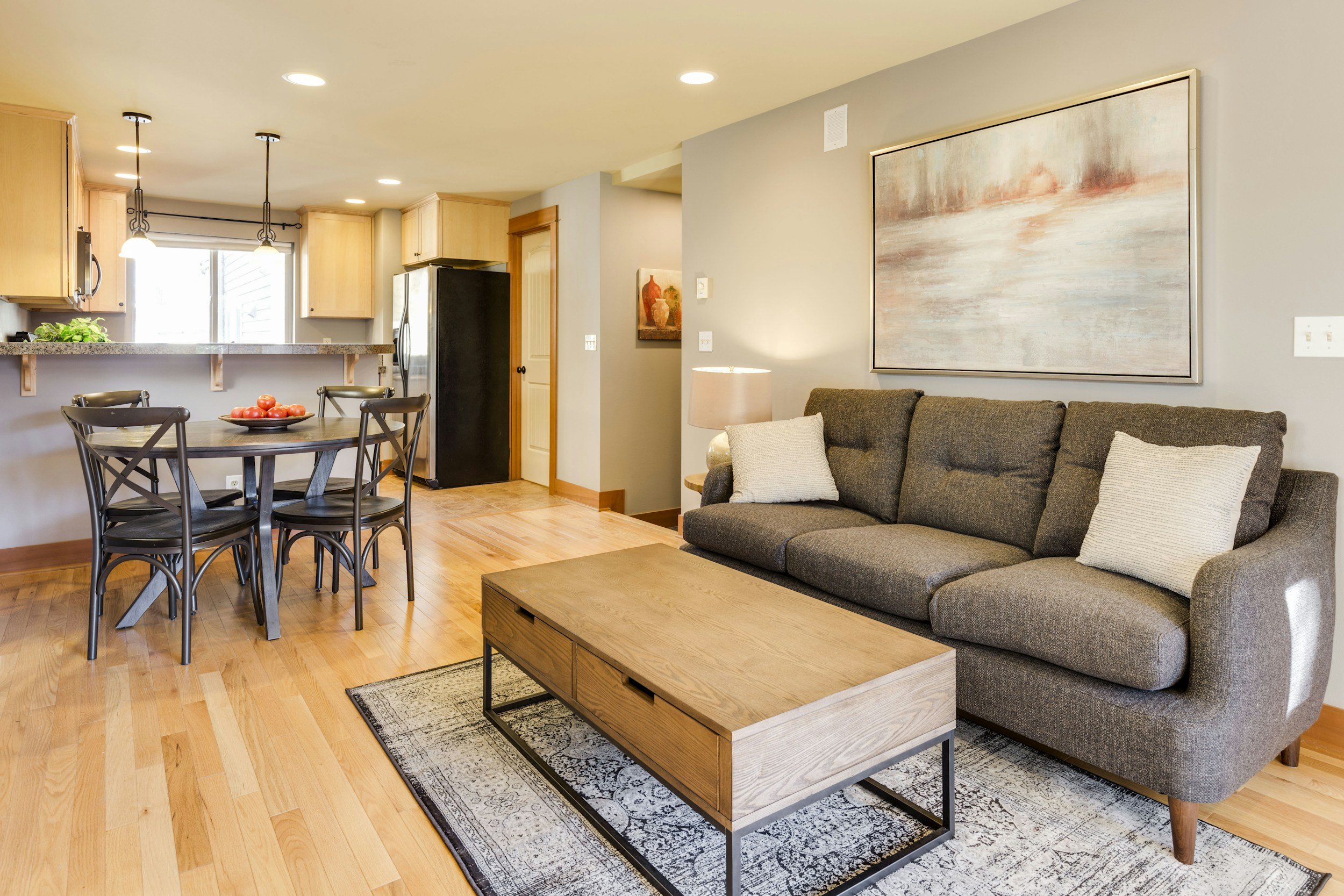
When people prepare for moving day, they often assume that the largest rooms will be the hardest to move.
The living room has the biggest furniture. The bedrooms contain heavy mattresses and dressers. The dining room may have a substantial table and chairs.
Surely, those rooms must require the most work.
But ask an experienced professional mover which room is the most difficult to pack and move, and you might get a surprising answer.
Some will say the kitchen.
Others will point to the garage.
A few may mention the basement, particularly when it contains years of accumulated belongings and an awkward staircase.
And anyone who has ever attempted to move a fully furnished home office, a crowded attic, or a large entertainment room knows that the difficulty of moving a room is not always related to its size.
The hardest rooms to move are often the ones with the most complicated combination of belongings, furniture, packing requirements, and access challenges.
A small kitchen filled with hundreds of fragile items can take longer to pack than a large living room.
A garage containing tools, bicycles, outdoor equipment, and years of storage can create more logistical problems than several bedrooms combined.
A basement may contain only a few large pieces of furniture, but getting them up a narrow staircase can become one of the most challenging parts of the entire move.
Every room presents different problems.
Some are difficult because of the number of individual belongings.
Others are difficult because of heavy furniture, fragile possessions, complicated disassembly, or limited access.
Understanding which rooms are likely to cause the most trouble can help you plan your move, avoid unexpected delays, and decide where professional moving assistance will be most valuable.
What Actually Makes a Room Difficult to Move?
Before identifying the most challenging rooms, it helps to understand what makes one room harder to move than another.
The obvious answer might be the amount of furniture.
However, furniture is only one consideration.
Professional movers must also account for the number of individual items, the time required to pack them, the materials needed for protection, and the difficulty of transporting everything out of the property.
A room with three large pieces of furniture may be relatively straightforward if those items can pass through wide doorways and travel directly to the moving truck.
A much smaller room containing hundreds of fragile objects may require considerably more preparation.
Several factors determine how difficult a room will be to move.
The Number of Individual Items
Packing fifty books is different from packing fifty pieces of delicate glassware.
A room filled with hundreds of small belongings requires sorting, wrapping, boxing, labeling, and organization.
The more individual items a room contains, the longer preparation may take.
The Weight of the Furniture
Heavy wardrobes, large dressers, solid-wood tables, and oversized sofas may require additional planning.
Weight becomes particularly important when furniture must travel through stairs or restricted spaces.
Fragile Belongings
Glassware, artwork, mirrors, electronics, and antiques require suitable protection.
Fragile items often take longer to pack because they cannot simply be placed together in a box.
Awkward Furniture Dimensions
Some furniture is difficult because of its shape rather than its weight.
A long sectional sofa may be difficult to maneuver around a corner.
A tall cabinet may not clear a low ceiling.
A large table may need to be disassembled.
Access Restrictions
The room's location matters.
A basement with a narrow staircase may be more difficult than a similarly furnished room on the main floor.
An attic with a steep staircase may create additional handling challenges.
How Much Decluttering Is Needed
Rooms that contain years of accumulated belongings often require more preparation.
The moving process becomes harder when homeowners have not decided what to keep, donate, sell, recycle, or discard.
With these factors in mind, some rooms consistently stand out as particularly challenging.
1. The Kitchen: Often the Most Time-Consuming Room to Pack
The kitchen is frequently one of the most difficult rooms to prepare for a move.
At first glance, this may seem surprising.
Most kitchens do not contain the enormous furniture found in living rooms or bedrooms.
But kitchens are filled with hundreds of individual belongings, many of which are fragile, heavy, awkwardly shaped, or difficult to organize.
Open an average kitchen cabinet and you may find plates, bowls, glasses, mugs, serving dishes, cookware, food containers, baking equipment, and miscellaneous utensils.
Multiply that by every cabinet and drawer.
Then add the pantry, refrigerator, freezer, countertops, and small appliances.
Suddenly, the kitchen becomes a major packing project.
Why Kitchens Take So Long to Pack
The kitchen combines quantity with fragility.
Many belongings require individual attention.
Glasses may need cushioning.
Plates need suitable packing methods.
Small appliances may require separate preparation.
Pantry items must be sorted.
Sharp utensils need to be packed safely.
Unlike clothing or bedding, kitchenware cannot simply be placed into large boxes without considering weight and breakage.
Kitchen Cabinets Hide More Than You Think
One of the biggest surprises during moving preparation is how much property fits inside kitchen cabinets.
A cupboard that appears relatively small can contain dozens of items.
Deep drawers may hold years of accumulated utensils and accessories.
Upper cabinets may contain dishes that are rarely used.
The kitchen often seems manageable until everything is removed from storage.
Dishes and Glassware Require Extra Care
Fragile kitchenware can make packing particularly slow.
Plates, bowls, glasses, and serving dishes need suitable cushioning and sturdy cartons.
Heavy dishes should not be overloaded into large boxes.
Packing materials should be selected according to the items being transported.
Small Appliances Add Complexity
Coffee machines, mixers, blenders, food processors, air fryers, and other appliances may have removable parts.
These components should be secured and packed appropriately.
Appliances should also be clean and dry before transportation.
The Pantry Creates Another Project
Pantries often contain food that homeowners have forgotten about.
Before moving, it is worth checking expiration dates, identifying opened packages, and deciding what is worth transporting.
Some moving companies restrict certain food products, particularly for long-distance moves.
Refrigerators and Freezers Need Planning
Refrigerators and freezers require preparation before moving.
Food must be addressed.
Water lines may need appropriate disconnection.
The appliance may need cleaning and drying.
Manufacturer instructions should be followed for transportation and reconnection.
How to Make the Kitchen Easier to Move
Begin packing rarely used kitchenware well before moving day.
Declutter duplicate utensils and unused appliances.
Use appropriately sized boxes for heavy dishes.
Label fragile cartons clearly.
Keep a small collection of everyday essentials available until the final days.
The kitchen is one of the best rooms to begin packing early because leaving it until the last minute can create substantial delays.
2. The Garage: The Room That Can Double the Workload
If the kitchen is one of the hardest rooms to pack, the garage may be one of the most unpredictable.
Garages often become storage spaces for belongings that do not have a permanent place inside the home.
Over time, they can accumulate tools, sports equipment, seasonal decorations, outdoor furniture, bicycles, gardening supplies, and boxes of miscellaneous possessions.
Some garages are neatly organized.
Others contain years of belongings that have barely been touched.
The challenge is that homeowners may underestimate how much is stored there.
Why Garages Are Difficult to Move
Garage contents tend to be irregularly shaped.
Tools may be heavy.
Bicycles are bulky.
Garden equipment can be awkward.
Storage shelves may need disassembly.
Some items may contain hazardous materials or substances that movers cannot transport.
The garage requires careful sorting before packing begins.
Tools Can Be Surprisingly Heavy
A collection of hand tools may not look particularly substantial.
But when packed together, tools can create extremely heavy boxes.
Use appropriate containers and avoid overloading cartons.
Sharp tools should be secured to prevent injuries.
Outdoor Equipment Requires Preparation
Lawn equipment, pressure washers, gardening tools, and similar belongings may require cleaning or preparation.
Fuel-powered equipment may be subject to transportation restrictions.
Consult the moving company's policies and manufacturer instructions.
Garages Often Contain Forgotten Storage
Old holiday decorations.
Unused furniture.
Boxes from previous moves.
Sports equipment.
Broken appliances.
Spare building materials.
These belongings can significantly increase the amount of work.
Hazardous Materials Create Complications
Fuel, propane, certain chemicals, paints, and other potentially hazardous substances may be restricted or prohibited by moving companies.
Do not place these items into ordinary moving boxes without checking the applicable requirements.
How to Make the Garage Easier to Move
Start by sorting the contents into belongings you want to keep, sell, donate, recycle, or dispose of appropriately.
Identify restricted materials early.
Pack tools in suitable containers.
Disassemble shelving where appropriate.
Avoid waiting until moving day to discover what is hidden behind the garage cabinets.
3. The Basement: Heavy Furniture, Hidden Storage, and Difficult Stairs
Basements can be among the most challenging areas of a house to move.
Some basements are fully furnished living spaces.
Others are used primarily for storage.
Many contain a combination of both.
A finished basement may have a sectional sofa, television, entertainment centre, exercise equipment, and additional furniture.
An unfinished basement may contain shelves, boxes, seasonal belongings, tools, and household supplies.
The contents can be substantial.
But the biggest challenge is often getting everything upstairs.
Why Basement Stairs Make Moving Difficult
Basement staircases may be narrow, steep, or interrupted by tight landings.
Large furniture must be maneuvered carefully.
A couch that fits comfortably in the basement may be difficult to remove.
A heavy cabinet may be impossible to move safely using ordinary handling methods.
Basement Furniture Can Be Awkward
Basement entertainment areas often contain oversized furniture.
Large sectionals and recliners may be difficult to navigate through staircases.
Exercise equipment can be heavy and complicated to disassemble.
Storage Areas Can Hide Years of Belongings
Basements often become long-term storage spaces.
Boxes may contain items that have not been opened for years.
This creates an opportunity to declutter, but it also adds preparation time.
Moisture Can Affect Stored Belongings
Some basements are vulnerable to dampness.
Cardboard boxes stored in moist conditions may weaken.
Inspect containers before attempting to lift or stack them.
How to Make the Basement Easier to Move
Sort stored belongings well in advance.
Measure large furniture and staircases.
Identify items requiring professional handling.
Replace damaged boxes.
Do not attempt to force heavy furniture up stairs without suitable assistance.
4. The Attic: Difficult Access and Forgotten Belongings
Attics can be surprisingly difficult to empty.
Many homeowners use them for long-term storage.
Holiday decorations, childhood belongings, old clothing, keepsakes, luggage, and miscellaneous boxes may accumulate over many years.
The challenge is often the access.
Some attics have full staircases.
Others are reached through narrow stairs or pull-down ladders.
Not every attic access system is suitable for carrying heavy belongings.
Why Attic Access Matters
A box that is easy to carry across a room may be difficult to remove through a narrow attic opening.
Low ceilings and restricted movement can complicate handling.
Some attic spaces have limited safe walking areas.
Temperature Can Make Attic Work Uncomfortable
Attics may become extremely hot or cold depending on the season and building design.
This can make prolonged sorting and carrying physically demanding.
Attics Often Contain Sentimental Belongings
Old photographs.
Family keepsakes.
Childhood toys.
Documents.
Holiday decorations.
These belongings may require careful sorting rather than hurried packing.
How to Make the Attic Easier to Move
Begin early.
Sort belongings before carrying them downstairs.
Use suitable containers.
Avoid overloading boxes.
Never carry heavy loads on attic ladders or enter unsafe storage areas.
If access is restricted, seek appropriate professional assistance.
5. The Living Room: Large Furniture and Awkward Shapes
The living room is often one of the most physically demanding rooms to move.
It may contain fewer individual items than the kitchen, but the furniture tends to be larger.
Sofas.
Sectionals.
Recliners.
Coffee tables.
Entertainment units.
Bookcases.
Large televisions.
Display cabinets.
These belongings can create significant handling challenges.
Why Sofas Are Difficult
A sofa may be long, deep, and difficult to grip.
It may need to pass through narrow doorways or turn around corners.
Sectionals may require separation into individual modules.
Sleeper sofas and powered recliners can be especially heavy.
Entertainment Units Can Be Bulky
Large entertainment cabinets may contain heavy wood panels, glass doors, and removable shelves.
Some need disassembly.
Others are difficult to move because of their dimensions.
Televisions Require Protection
Large televisions are fragile and can be difficult to transport safely.
Suitable packaging is important.
Original boxes may be useful when available.
Decorative Items Add Packing Time
Living rooms may contain artwork, mirrors, lamps, framed photographs, books, and decorative objects.
These items can require individual packing.
How to Make the Living Room Easier to Move
Measure large furniture before moving day.
Remove loose cushions and detachable components where appropriate.
Pack decorative items early.
Prepare electronics and cables.
Discuss oversized furniture with the moving company in advance.
6. The Primary Bedroom: Heavy Beds, Dressers, and Closets
The primary bedroom may look relatively simple.
A bed.
A dresser.
Nightstands.
A wardrobe.
Some clothing.
But moving the room can involve substantial disassembly and packing.
Beds are often large.
Mattresses can be awkward.
Dressers may be heavy.
Closets can contain far more belongings than expected.
Why Beds Require Preparation
Many bed frames must be dismantled before transportation.
Headboards, footboards, slats, rails, and hardware may need separate handling.
Some adjustable beds contain motors and heavy components.
Mattresses Are Awkward to Carry
Mattresses are not necessarily the heaviest household objects, but their size can make them difficult to maneuver.
Large mattresses may be hard to carry through staircases or narrow hallways.
Dressers Can Be Extremely Heavy
Solid-wood dressers may weigh several hundred pounds.
Drawers and loose contents may need removal.
Mirrors attached to dressers may require separate protection.
Closets Hide Large Amounts of Clothing
Clothing may seem easy to pack, but a full walk-in closet can require numerous boxes or wardrobe cartons.
Shoes, accessories, bags, and seasonal clothing add to the workload.
How to Make the Primary Bedroom Easier to Move
Declutter clothing before packing.
Determine whether the bed requires disassembly.
Keep hardware organized.
Use suitable mattress protection.
Empty heavy furniture as required by the mover.
Pack rarely used clothing first.
7. Children's Bedrooms: Small Furniture, Enormous Amounts of Stuff
Children's bedrooms can be among the most time-consuming rooms to organize.
The furniture may be smaller than adult bedroom furniture.
But the number of individual belongings can be enormous.
Toys.
Books.
Clothing.
School supplies.
Art materials.
Games.
Stuffed animals.
Sports equipment.
Keepsakes.
These belongings can quickly fill numerous boxes.
Why Toys Make Packing Difficult
Toys come in many shapes and sizes.
Some have small components.
Others are bulky.
Certain toys contain batteries or delicate mechanisms.
Keeping sets together can require extra organization.
Children's Furniture May Need Disassembly
Bunk beds, loft beds, desks, and storage units may require preparation.
Bunk beds can be particularly complicated because of their height and construction.
Sentimental Decisions Can Slow Packing
Children may be attached to toys or belongings they have outgrown.
Decluttering may require patience and family involvement.
How to Make Children's Bedrooms Easier to Move
Begin sorting early.
Keep toy sets together.
Label boxes clearly.
Separate important comfort items.
Pack essential belongings in an accessible bag.
Keep children safely away from active moving areas.
8. The Home Office: Electronics, Documents, and Heavy Equipment
Home offices can be deceptively difficult to move.
A desk and chair may appear straightforward.
But the room may contain computers, monitors, printers, filing cabinets, books, paperwork, and specialized equipment.
Some of these items are fragile.
Others are heavy.
Many contain important information.
Why Electronics Need Careful Packing
Computers and monitors can be vulnerable to impact damage.
Cables and accessories should be organized.
Sensitive equipment may require suitable packaging.
Filing Cabinets Can Be Extremely Heavy
Paper is surprisingly dense when stored in large quantities.
A full filing cabinet can become difficult to move.
Cabinets may need to be emptied before transportation.
Documents Need Organization
Important business records, identification, financial documents, and confidential materials should be handled carefully.
Some documents are better transported personally.
Desk Disassembly Can Be Complicated
Large desks may have multiple sections, drawers, cable systems, and attachments.
Some are designed for disassembly.
Others are not.
How to Make the Home Office Easier to Move
Back up important digital information.
Organize cables.
Pack electronics appropriately.
Secure sensitive documents.
Empty heavy cabinets.
Label components clearly.
9. The Dining Room: Fragile Displays and Heavy Tables
Dining rooms may contain relatively few pieces of furniture, but those pieces can be substantial.
Large dining tables.
China cabinets.
Buffets.
Sideboards.
Display shelves.
Dining chairs.
The room may also contain fragile dishes, glassware, and decorative items.
Heavy Dining Tables
Solid-wood and stone dining tables can weigh hundreds of pounds.
Some require leg removal or specialized handling.
China Cabinets
China cabinets may combine heavy wooden frames with glass doors and shelves.
Their contents should be removed and packed separately.
Fragile Dinnerware
Formal dishes and glassware may be particularly delicate or valuable.
Packing can take considerable time.
How to Make the Dining Room Easier to Move
Pack display items early.
Empty cabinets.
Measure large tables.
Check whether table components can be removed safely.
Discuss fragile or valuable furniture with your movers.
10. The Laundry Room: Appliances and Household Supplies
Laundry rooms may be small, but they can contain heavy appliances and products requiring special handling.
Washing machines.
Dryers.
Storage shelves.
Cleaning products.
Laundry supplies.
Utility equipment.
Washing Machines Can Be Heavy
Washing machines contain internal components and counterweights.
They may require manufacturer-specified transport preparation.
Dryers Need Proper Disconnection
Electric and gas dryers have different disconnection requirements.
Gas connections should be handled by appropriately qualified professionals.
Cleaning Products May Be Restricted
Certain chemicals and other products may not be accepted by moving companies.
Check the mover's policies.
How to Make the Laundry Room Easier to Move
Use up or properly dispose of unwanted supplies.
Arrange appliance disconnections.
Follow manufacturer instructions.
Clean and dry appliances.
Pack shelves and loose belongings separately.
11. Bathrooms: Small Rooms With Surprisingly Complicated Contents
Bathrooms are rarely the heaviest rooms to move.
But they can be surprisingly time-consuming to pack.
They contain numerous small items, liquids, toiletries, medications, grooming equipment, and cleaning products.
Liquids Can Leak
Shampoo, soap, lotion, and other products may leak if packed improperly.
Containers should be secured and packed appropriately.
Medications Need Special Attention
Important medications should remain accessible and be transported according to their storage requirements.
Expired Products Accumulate
Bathrooms often contain old cosmetics, unused toiletries, and expired products.
Moving is a good opportunity to sort these items.
How to Make Bathrooms Easier to Move
Declutter before packing.
Separate daily essentials.
Secure permitted liquids.
Keep medications accessible.
Pack fragile mirrors and accessories appropriately.
12. The Storage Room: The Place Where Everything Gets Forgotten
Dedicated storage rooms can be among the most difficult spaces to organize.
They often contain belongings that do not fit neatly into other rooms.
Old furniture.
Seasonal decorations.
Unused appliances.
Clothing.
Books.
Sports equipment.
Boxes from previous moves.
The challenge is that these belongings may not have been reviewed for years.
Why Storage Rooms Take Time
Every box may require a decision.
Is the item still useful?
Should it be donated?
Is it worth transporting?
Does it belong in the new home?
These decisions can take longer than the physical packing.
Old Boxes May Be Damaged
Cardboard can weaken over time.
Inspect containers before lifting them.
How to Make Storage Rooms Easier to Move
Start several weeks before moving day.
Open and review old boxes.
Remove unwanted belongings.
Replace weak containers.
Label everything clearly.
13. The Shed: Awkward Outdoor Equipment and Restricted Items
Garden sheds can create many of the same problems as garages.
They may contain lawn equipment, gardening tools, hoses, outdoor furniture, plant containers, and seasonal supplies.
Some items are dirty, sharp, or awkward to pack.
Others may contain fuel or chemicals.
Why Sheds Are Often Overlooked
Homeowners sometimes focus on the interior of the house and forget to include the shed in their moving inventory.
This can create unexpected work.
Gardening Tools Need Preparation
Sharp tools should be secured.
Long-handled equipment may need to be bundled appropriately.
Outdoor Equipment May Need Cleaning
Mud, debris, and moisture should be addressed before transportation.
How to Make the Shed Easier to Move
Sort the contents early.
Identify restricted materials.
Clean equipment.
Secure sharp edges.
Inform the moving company about large or heavy outdoor items.
14. The Home Gym: Heavy, Awkward, and Difficult to Disassemble
A home gym can be one of the most physically demanding rooms to move.
Exercise equipment is often heavy, bulky, and mechanically complicated.
Treadmills.
Stationary bikes.
Weight benches.
Strength-training machines.
Free weights.
Racks.
These items may require special handling.
Treadmills
Large treadmills can weigh several hundred pounds.
Their dimensions can make them difficult to maneuver through doorways and stairs.
Strength-Training Machines
Multi-station equipment may contain weight stacks, cables, pulleys, and substantial metal frames.
Disassembly may require manufacturer instructions or specialist assistance.
Free Weights
Dumbbells and weight plates are dense.
They require suitable containers and careful load planning.
How to Make the Home Gym Easier to Move
Check manufacturer instructions.
Identify equipment requiring disassembly.
Keep hardware organized.
Tell your moving company about heavy machines.
Do not attempt to move substantial equipment without appropriate assistance.
15. The Entertainment Room: Large Electronics and Specialty Furniture
Entertainment rooms may contain large televisions, projectors, sound systems, gaming equipment, media cabinets, and specialty furniture.
Some also contain pool tables, arcade machines, or other substantial items.
Large Screens Need Protection
Televisions and projection equipment can be fragile.
Appropriate packaging is important.
Audio Equipment Can Be Complicated
Speakers, receivers, cables, and accessories should be organized.
Pool Tables Require Specialist Planning
Slate pool tables can be extremely heavy.
Many require specialist disassembly and reassembly.
Arcade Machines Can Be Awkward
Full-size arcade cabinets may be heavy and difficult to maneuver.
They may also contain fragile electronic components.
How to Make the Entertainment Room Easier to Move
Photograph cable connections.
Organize accessories.
Pack electronics carefully.
Identify specialty items.
Arrange qualified handling where necessary.
16. The Walk-In Closet: More Belongings Than Expected
Walk-in closets are often underestimated.
They may contain hundreds of clothing items, shoes, handbags, accessories, luggage, and seasonal belongings.
The packing challenge comes from volume.
Clothing Takes Space
Even lightweight clothing can fill many boxes.
Hanging garments may require wardrobe cartons or other suitable packing methods.
Shoes Need Organization
Shoes can be bulky and difficult to pack efficiently.
Accessories Add Up
Belts, bags, hats, jewelry, and other accessories require sorting.
How to Make Walk-In Closets Easier to Move
Declutter before packing.
Separate seasonal clothing.
Use suitable cartons.
Keep valuable personal items secure.
Label boxes by category or destination.
17. The Guest Room: The Room That Becomes a Storage Space
Guest rooms often begin as spare bedrooms.
Over time, they may become storage areas for belongings that do not fit elsewhere.
A guest bed may share the room with luggage, boxes, old furniture, seasonal clothing, and miscellaneous household items.
Why Guest Rooms Become Difficult
The room may contain belongings from several different categories.
Sorting becomes more complicated because items do not necessarily belong together.
How to Make the Guest Room Easier to Move
Decide what belongs in the new home.
Pack stored items by category.
Disassemble furniture where appropriate.
Avoid treating the guest room as a last-minute dumping area.
18. The Nursery: Delicate Equipment and Essential Supplies
Nurseries may contain relatively small furniture, but they require careful organization.
Cribs.
Changing tables.
Dressers.
Baby clothing.
Toys.
Feeding supplies.
Strollers.
Other childcare equipment.
Cribs Require Careful Disassembly
Follow manufacturer instructions.
Keep hardware together.
Do not modify structural components.
Essential Supplies Must Stay Accessible
Diapers, feeding supplies, clothing, and other necessities should not disappear into the moving truck without a plan.
How to Make the Nursery Easier to Move
Pack rarely used items early.
Keep daily essentials separate.
Follow manufacturer instructions for furniture.
Prepare the new nursery's basic necessities before unpacking everything else.
Which Room Is Usually the Hardest to Pack?
For many households, the kitchen is a strong contender.
It contains numerous small belongings, fragile items, heavy dishes, appliances, and pantry goods.
Packing everything properly can require substantial time and materials.
However, a heavily stocked home office, extensive walk-in closet, or crowded storage room may be more difficult in another household.
The hardest room to pack is usually the one with the greatest combination of item quantity, fragility, and sorting requirements.
Which Room Is Usually the Hardest to Physically Move?
The living room, basement, dining room, and home gym are common candidates.
These rooms may contain large, heavy, or awkward furniture.
Basements can be especially challenging because of stair access.
A room containing a piano, large safe, slate pool table, or substantial exercise machine may require specialist moving services.
The hardest room to physically move is often the one with the most difficult access route rather than the greatest number of belongings.
Which Room Takes the Longest to Move?
There is no universal answer.
A kitchen may take a long time to pack.
A garage may require extensive sorting.
A basement may require slow, careful furniture handling.
A home office may involve complicated electronics and document organization.
The time required depends on the room's contents, preparation, access, and services booked.
Why the Smallest Rooms Can Be the Hardest
Small rooms are easy to underestimate.
A bathroom may contain dozens of products.
A pantry may hold hundreds of food items.
A closet may contain years of clothing and accessories.
A compact home office may contain important electronics and documents.
The size of the room does not necessarily reflect the amount of packing work required.
Why the Largest Rooms Are Not Always the Hardest
A large living room with one sofa, a television, and a coffee table may be relatively straightforward to move.
A small kitchen with fully stocked cabinets may take considerably longer to prepare.
Similarly, a spacious bedroom with minimal furniture may be easier than a small basement storage room filled with boxes.
The contents matter more than the square footage.
How Professional Movers Approach Difficult Rooms
Professional movers may assess the room's contents, furniture, access route, and handling requirements before beginning.
They may identify items that need disassembly, special packing, or additional equipment.
For heavy or fragile belongings, the moving plan may need to be adjusted.
The objective is to move everything safely rather than simply working as quickly as possible.
Should You Pack the Hardest Rooms First?
Often, beginning with difficult rooms early can be helpful.
However, you should also consider which rooms you still need for daily living.
For example, the kitchen may be difficult to pack, but you probably need some kitchen essentials until moving day.
A practical approach is to pack rarely used items first while leaving essential belongings accessible.
The garage, attic, storage room, and seasonal belongings are often good starting points.
Why You Should Not Leave the Garage Until Moving Day
Garages can contain more belongings than expected.
They may also contain restricted materials requiring separate handling.
Leaving the garage until the final day can create significant delays.
Sorting and packing it early helps prevent surprises.
Why You Should Not Leave the Kitchen Until the Last Minute
The kitchen contains many fragile items.
Packing it properly requires time.
If you wait until moving morning, you may discover that several cupboards are still full.
Begin with rarely used dishes, serving items, and small appliances.
Keep only the essentials available during the final days.
Why Bedrooms Should Be Packed Strategically
Bedrooms contain belongings you use daily.
Packing everything too early can make the final nights uncomfortable.
Start with seasonal clothing, decorations, and rarely used items.
Leave bedding, daily clothing, and essential toiletries accessible.
Why Storage Rooms Should Be Decluttered Before Packing
Packing belongings you no longer want creates unnecessary work.
Storage rooms often contain items that have not been used for years.
Reviewing them before moving can reduce the shipment and simplify unpacking.
How to Decide Which Room to Pack First
The best starting point depends on your household.
Consider which rooms contain the most rarely used belongings.
Think about where the greatest amount of sorting is required.
Identify rooms with fragile or complicated items.
Then create a packing schedule that spreads the work over several weeks.
Avoid leaving every difficult room until the final days.
How to Make Every Room Easier to Move
The most effective approach is to prepare systematically.
Begin by decluttering.
Separate belongings that will not be moving.
Pack items according to their weight and fragility.
Use appropriate containers.
Label boxes clearly.
Identify furniture requiring disassembly.
Measure difficult access routes.
Discuss specialty items with your moving company.
Keep essential belongings accessible.
A well-organized move is easier regardless of which room presents the greatest challenge.
Frequently Asked Questions
What is the hardest room in a house to move?
The kitchen, garage, basement, and living room are often among the most challenging. The kitchen contains many fragile items, the garage may contain extensive storage and equipment, the basement may have difficult stairs, and the living room often contains large furniture.
What room takes the longest to pack when moving?
The kitchen is frequently one of the most time-consuming rooms because it contains numerous dishes, glasses, utensils, appliances, and pantry items. However, heavily stocked storage rooms and home offices can also take considerable time.
Why is the kitchen so hard to pack?
Kitchens contain many individual belongings, including fragile glassware, heavy dishes, awkward cookware, small appliances, and food products. These items require sorting and appropriate packing.
Why is the garage difficult to move?
Garages often contain bulky equipment, heavy tools, irregularly shaped belongings, stored boxes, and potentially restricted materials. The contents may also be underestimated during moving estimates.
Why are basements difficult for movers?
Basements may contain large furniture and extensive storage. Narrow staircases, tight landings, and limited access can make removing heavy items particularly challenging.
Is the living room harder to move than the bedroom?
It depends on the furniture. Living rooms often contain large sofas and entertainment units, while bedrooms may contain heavy beds, dressers, and wardrobes. Access conditions can determine which room is more difficult.
What is the easiest room to move?
A minimally furnished room with few belongings and easy access is generally among the easiest. A simple guest room or lightly furnished bedroom may require relatively little packing and handling.
Should I pack the kitchen or bedroom first?
Start by packing rarely used belongings in either room. The kitchen often requires more time overall, but essential cooking items should remain accessible until close to moving day.
How early should I start packing difficult rooms?
Starting several weeks before moving day is often helpful, especially for garages, attics, storage rooms, and kitchens. The ideal timeline depends on household size and the amount of preparation required.
Do professional movers pack every room?
Some moving companies offer full-service packing, while others provide transportation only or partial packing services. Confirm exactly what is included in your agreement.
Which room usually has the most moving boxes?
Kitchens, bedrooms, home offices, and storage rooms can produce large numbers of boxes. The answer depends on how many belongings the household owns.
What room contains the heaviest furniture?
Living rooms, dining rooms, bedrooms, basements, and home gyms may contain particularly heavy furniture or equipment. Large wardrobes, stone tables, sleeper sofas, and exercise machines can require special handling.
How can I make difficult rooms easier to move?
Declutter early, pack rarely used items first, use appropriate packing materials, label boxes, measure large furniture, and identify specialty items before moving day.
Final Thoughts
The most difficult room in a house to move is not necessarily the biggest room.
It is the room that creates the greatest combination of packing work, heavy lifting, fragile belongings, complicated furniture, and access challenges.
For some households, that room is the kitchen.
For others, it is the garage.
A basement filled with oversized furniture may be the biggest challenge in one home, while an attic full of forgotten belongings may create the most work in another.
The living room may require careful handling of large sofas and electronics.
The dining room may contain fragile cabinets and heavy tables.
The home office may require meticulous organization of electronics and important documents.
And a children's bedroom may contain far more individual belongings than anyone expected.
Every room has its own challenges.
The best way to manage them is to identify those challenges before moving day.
Start with the rooms that require the most sorting.
Pack fragile belongings carefully.
Measure large furniture.
Prepare difficult access routes.
And communicate unusual moving requirements to your moving company.
Because the hardest room to move is often not the one with the most furniture.
It is the one you underestimated until moving day arrived.
