
Moving to King
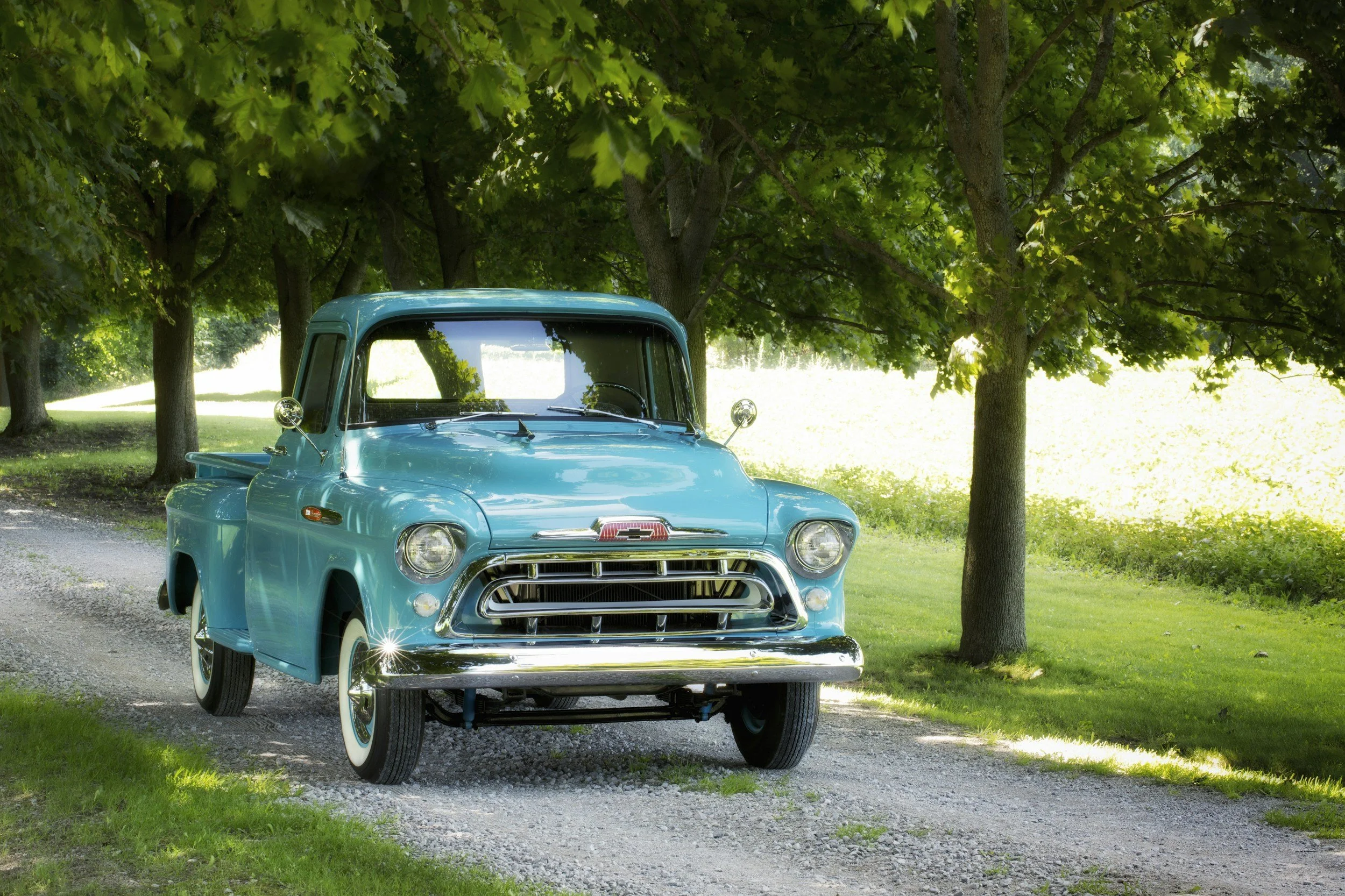
Relocating to King represents one of the most exclusive and low-density lifestyle choices in the Greater Toronto Area (GTA). Situated between Newmarket, Vaughan, and Caledon, King is known for its large estate properties, rural landscapes, and highly controlled development patterns that preserve its countryside identity.
Unlike suburban municipalities that have rapidly expanded with dense housing, King has maintained a deliberate focus on low-density residential zoning, agricultural land protection, and estate-style living. This makes it one of the most prestigious and spacious places to live within commuting distance of Toronto, while also being one of the least urbanized.
Why Move to King
Ultra-Low Density Living Within the GTA
King is defined by space—both in terms of land and population density. It is one of the most rural-feeling municipalities still considered part of the GTA, with vast stretches of farmland, conservation land, and large residential estates.
Residents are drawn to King for:
large custom-built homes on multi-acre lots
privacy and separation from neighbours
minimal commercial and urban development
This creates a lifestyle that feels more like countryside living than suburban life, even though major urban centres are still accessible.
Prestige and Estate Living
King is widely known for its luxury estate homes and high-end rural properties. Areas like King City feature some of the most expensive and expansive residential real estate in York Region, often set on large landscaped lots with gated driveways and custom architecture.
This appeal attracts:
high-income professionals
business owners and executives
buyers seeking privacy and exclusivity
The housing stock is not about density or convenience—it is about space, design, and prestige.
Strategic Location Between Key GTA Hubs
Although rural in character, King is strategically located near major GTA corridors. It sits between Vaughan, Richmond Hill, and Newmarket, providing access to employment hubs while maintaining separation from urban density.
Highway 400 is the primary transportation route, connecting King to Toronto and northern Ontario. However, commuting times can still be significant depending on destination and traffic conditions.
Strong Preservation of Rural Character
One of King’s defining traits is its strict land-use planning. Large portions of the municipality are protected under greenbelt regulations, limiting urban sprawl and preserving farmland, forests, and natural landscapes.
This means:
limited high-density housing development
strong protection of agricultural land
long-term preservation of rural identity
As a result, King has avoided the rapid suburbanization seen in neighbouring municipalities.
Access to Nature and Outdoor Lifestyle
King offers extensive access to natural landscapes, including conservation areas, trails, and rural open spaces. The environment is ideal for those who prioritize outdoor living and tranquility.
Residents enjoy:
hiking and walking trails
equestrian facilities and rural recreation
scenic countryside views
The emphasis on nature is central to King’s identity and long-term planning philosophy.
Cost of Living in King
Housing Costs and Market Overview
Housing in King is among the most expensive in the GTA due to its large estate properties and limited supply. The market is dominated by detached homes, custom builds, and luxury estates.
Rental options are extremely limited. Where available, one-bedroom or basement suites may range from $2,000 to $2,800 per month, while larger estate rentals can exceed $3,500 to $6,000 depending on property size and features.
For buyers, detached homes typically start around $1.2 million to $1.5 million, but most properties fall well above this range. Luxury estates commonly exceed $2 million to $5 million or more, especially in King City and rural estate pockets.
Unlike suburban markets, pricing is heavily influenced by land size, privacy, and architectural quality rather than density or proximity to transit.
Monthly Living Expenses
Everyday expenses in King are similar to other GTA regions, but transportation and property maintenance costs are often higher due to larger homes and rural distances.
Utilities typically range from $200 to $400 per month or more depending on home size. Internet and mobile services usually cost between $100 and $200 combined.
Grocery and household expenses are consistent with regional averages, with individuals spending around $350 to $600 per month and families spending $900 to $1,500 or more.
Transportation is a significant cost factor due to reliance on personal vehicles and longer commuting distances.
Cost Comparison Within York Region and GTA
King is generally:
significantly more expensive than East Gwillimbury in housing
more expensive than Aurora and Newmarket in most segments
comparable to luxury pockets of Vaughan depending on estate size
This positions King firmly in the upper-tier housing market within the GTA.
Best Communities in King
King City
King City is the most developed and recognizable community within King. It features luxury homes, private estates, and limited commercial amenities. It is the central hub of residential life in the municipality.
Nobleton
Nobleton offers a slightly more village-like environment with luxury homes and newer developments. It is popular among families seeking estate-style living with slightly more community structure.
Schomberg
Schomberg is a historic village with charm, local businesses, and a strong community identity. It offers a mix of rural and small-town living with access to surrounding countryside.
Rural King
The majority of King consists of rural land, including farmland, forested areas, and estate properties. These areas offer maximum privacy and space, often with custom-built homes on large parcels of land.
Moving to King from Within Canada
Relocating to King from cities such as Toronto, Mississauga, or Vaughan typically represents a move toward exclusivity, privacy, and luxury living.
Many movers are attracted by:
large estate properties
reduced density and traffic
long-term land value
However, this comes with longer commute times and reduced access to urban amenities.
Moving to King from the United States or North America
Cross-border relocation to King involves customs clearance, financial setup, and healthcare registration. Moving costs typically range from $5,000 to $25,000 or more depending on estate size and distance.
New residents must:
establish Canadian banking
apply for Ontario health coverage
manage importation of high-value household goods
King is often chosen by high-income international movers seeking privacy, land, and luxury estate living.
Employment and Career Opportunities
King has a very limited local job market compared to surrounding GTA cities. Employment is primarily found in:
agriculture and equestrian industries
small businesses and local services
construction and trades supporting estate development
Most residents commute to Vaughan, Richmond Hill, or Toronto for professional employment. As such, King functions primarily as a residential and estate community rather than a job centre.
Transportation and Commuting
Transportation in King is almost entirely car-dependent. There is no major urban transit system, and GO Transit access is limited compared to southern York Region.
Highway 400 is the main commuting corridor, but travel times can be long, particularly during peak hours.
For residents working remotely or locally, transportation is less of an issue, but for daily commuters into Toronto, it is a major lifestyle factor.
Lifestyle in King
Life in King is defined by privacy, space, and rural luxury. It is one of the quietest and least dense environments in the GTA, with a strong focus on estate living and natural surroundings.
Residents enjoy:
large private properties
equestrian and outdoor recreation
quiet, low-traffic environments
Entertainment, shopping, and nightlife options are limited, but nearby cities provide access when needed.
Challenges of Moving to King
The primary challenge is distance and convenience. Daily commuting can be time-consuming, and public transit is minimal.
Another challenge is cost, as both housing and property maintenance are significantly higher than average. Additionally, services and amenities are more spread out due to low population density.
Step-by-Step Moving Plan
Planning a move to King should begin early, particularly when searching for estate properties or custom homes.
Start by identifying whether King City, Nobleton, or rural estates best suit your needs. Set a budget that accounts for both property costs and long-term maintenance.
In the weeks before moving, organize logistics carefully due to larger property sizes and potential access limitations.
After arrival, focus on adjusting to rural commuting patterns, setting up services, and integrating into a quieter, more private lifestyle.
Final Thoughts
Is King the Right Move?
Moving to King offers a rare combination of:
luxury estate living
large land ownership within the GTA
privacy and low-density environment
long-term prestige and exclusivity
It is best suited for high-income families, executives, and buyers prioritizing space, privacy, and long-term land value over convenience.
Closing Perspective
King stands apart as one of the most exclusive and rural-feeling municipalities in the GTA. While it demands trade-offs in terms of commuting and accessibility, it delivers a lifestyle centered on space, privacy, and long-term residential quality that is increasingly rare in the region.
