
Moving to Georgina
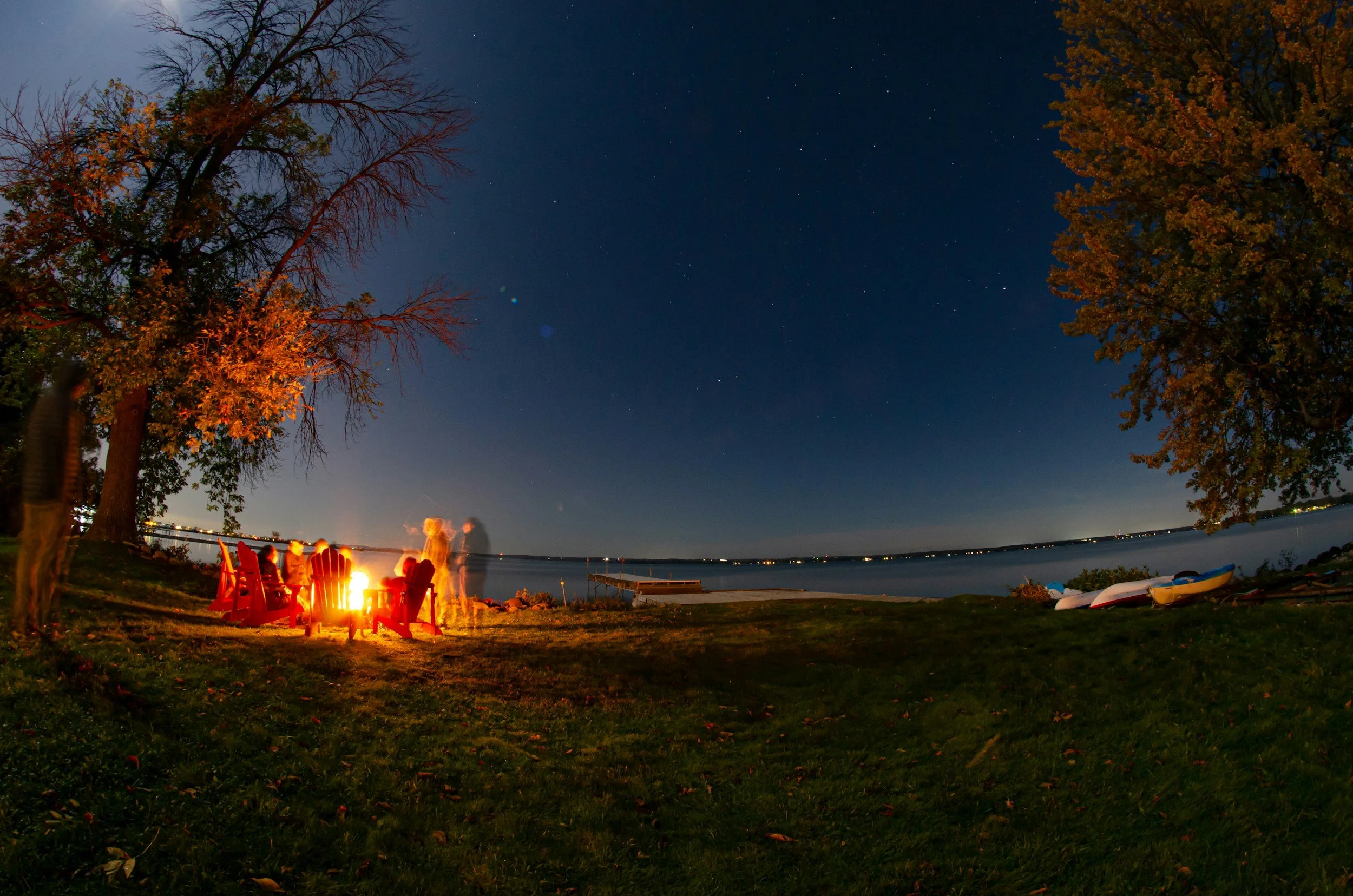
Relocating to Georgina offers one of the most distinctive lake-based living experiences within reach of the Greater Toronto Area (GTA). Located north of East Gwillimbury and bordering Lake Simcoe, Georgina is a large, geographically spread-out municipality that combines small-town communities, waterfront living, rural land, and seasonal tourism economies.
Unlike more suburbanized GTA cities, Georgina is shaped heavily by its shoreline geography and lake access. Communities such as Keswick, Sutton, and Jackson’s Point form the main residential hubs, while surrounding areas include rural farmland and cottage-style properties. This creates a hybrid environment where year-round residents, seasonal cottage owners, and commuters all share the same region.
Why Move to Georgina
Lake Simcoe Waterfront Lifestyle
One of Georgina’s strongest defining features is its direct access to Lake Simcoe. This shapes both lifestyle and property value across the municipality. Waterfront living is a major attraction, offering recreational opportunities and scenic surroundings that are uncommon in most GTA municipalities.
Residents enjoy:
boating, fishing, and water sports
lakeside trails and beaches
seasonal recreational activities
This makes Georgina especially appealing to those seeking a lifestyle centered around water and nature rather than dense urban amenities.
A Slower, Small-Town and Cottage-Influenced Environment
Georgina has a noticeably slower pace of life compared to surrounding York Region cities. It feels more like a collection of lakeside towns and rural communities than a unified suburban centre.
Each community has its own identity:
Keswick as the largest and most developed hub
Sutton as a quieter historic village
Jackson’s Point as a lakeside and tourism-oriented area
This creates a lifestyle that blends permanent residential living with cottage-country influence.
Affordable Entry Point Into Waterfront Living
Compared to most waterfront communities in Southern Ontario, Georgina still offers relatively accessible pricing, especially in non-waterfront areas. While lakefront properties can be expensive, inland housing remains more affordable than much of York Region.
This creates a unique market dynamic:
premium pricing for waterfront homes
moderate pricing for suburban-style homes in Keswick
more affordable rural properties inland
For many buyers, Georgina represents one of the most accessible ways to enter waterfront living within reach of Toronto.
Expanding Growth and Infrastructure
Although Georgina has historically been more rural and seasonal, it is gradually experiencing suburban growth, especially in Keswick. New residential developments, schools, and commercial services are expanding to accommodate a growing population.
This growth includes:
new housing subdivisions
improved local infrastructure
expanded retail and service availability
However, development remains balanced to preserve the municipality’s natural and rural character.
Commuting Access to the GTA
Georgina is connected to the rest of York Region via Highway 404 and regional roads, allowing access to southern employment hubs. However, commute times are longer than most suburban GTA cities.
GO Transit provides limited bus service, but most residents rely on personal vehicles. As a result, Georgina is often chosen by those willing to trade commute time for affordability and lifestyle benefits.
Cost of Living in Georgina
Housing Costs and Market Overview
Housing in Georgina varies significantly depending on proximity to Lake Simcoe and community location. Keswick is the most populated and developed area, while Sutton and rural regions offer more space and privacy.
Rental housing is relatively limited. One-bedroom units typically range from $1,700 to $2,200 per month, while larger units or homes can range from $2,200 to $3,000 depending on condition and location.
For buyers, detached homes dominate the market. Prices in Keswick typically start around $700,000 to $900,000, while waterfront properties can range from $1.2 million to $3 million or more depending on lot size and lake access. Rural properties vary widely based on acreage and condition.
Georgina remains one of the more accessible waterfront municipalities compared to other lakefront regions in Southern Ontario.
Monthly Living Expenses
Everyday expenses in Georgina are generally consistent with other suburban-rural Ontario communities. Utilities typically range from $150 to $300 per month depending on home size and heating needs, particularly in waterfront or rural properties.
Internet and mobile services usually cost between $100 and $200 combined. Grocery expenses are similar to regional averages, with individuals spending $350 to $600 per month and families spending $900 to $1,500 or more.
Transportation is a key cost factor due to commuting distances and reliance on vehicles, especially for residents working outside the municipality.
Cost Comparison Within York Region
Georgina is generally:
more affordable than Newmarket in most housing categories
significantly more affordable than Richmond Hill
comparable to East Gwillimbury in inland areas
However, waterfront properties can exceed pricing found in many central GTA suburbs due to scarcity and lake access.
Best Communities in Georgina
Keswick
Keswick is the largest and most developed community in Georgina. It offers suburban-style housing, schools, shopping, and services. It is the primary residential hub and the main growth area within the municipality.
Sutton
Sutton is a historic village with a quieter lifestyle, offering a mix of older homes and small-town charm. It is ideal for those seeking a slower pace and stronger community identity.
Jackson’s Point
Jackson’s Point is a lakeside community with a strong tourism influence. It offers cottages, waterfront homes, and seasonal appeal, making it popular for both permanent residents and vacation properties.
Pefferlaw
Pefferlaw is a rural community within Georgina, characterized by larger lots, farmland, and forested areas. It is ideal for those seeking privacy and space inland from the lake.
Rural Georgina
Large portions of Georgina consist of rural land and agricultural areas. These regions offer estate-style properties, farmland, and significant privacy, often at lower prices than waterfront zones.
Moving to Georgina from Within Canada
Relocating to Georgina from cities such as Toronto, Calgary, or Vancouver often reflects a lifestyle shift toward nature, water access, and affordability.
Many movers are drawn to Georgina for:
waterfront or near-water living
larger homes and more space
quieter suburban-rural lifestyle
However, this comes with longer commutes and fewer urban conveniences compared to southern GTA cities.
Moving to Georgina from the United States or North America
Cross-border relocation to Georgina requires customs clearance, financial setup, and healthcare registration. Moving costs typically range from $4,000 to $20,000 or more depending on distance and property size.
New residents must:
establish Canadian banking
apply for Ontario health coverage
manage importation of household goods
Georgina is often chosen by international movers seeking waterfront or rural lifestyle options within reach of Toronto.
Employment and Career Opportunities
Georgina has a limited local job market compared to larger GTA municipalities. Employment is primarily found in:
retail and local services
tourism and seasonal industries
healthcare and education support roles
Most residents commute to Newmarket, East Gwillimbury, or Toronto for broader employment opportunities.
Transportation and Commuting
Transportation in Georgina is heavily car-dependent. While Highway 404 provides access to southern York Region, commute times can be long, especially during peak hours.
Public transit options are limited, with GO Transit bus service offering some regional connectivity but not full commuter rail access.
As a result, transportation planning is a key factor for anyone considering moving to Georgina.
Lifestyle in Georgina
Life in Georgina is strongly influenced by its waterfront geography and rural character. The pace is slower, and daily life often revolves around outdoor and community-based activities.
Residents enjoy:
boating, fishing, and lake recreation
small-town festivals and community events
quiet residential and rural environments
While entertainment and urban amenities are limited, nearby towns and cities provide additional options when needed.
Challenges of Moving to Georgina
The main challenge is commuting distance and transportation dependency. Most residents require a vehicle for daily life, and travel times to major employment hubs can be significant.
Seasonal population changes in waterfront areas can also affect traffic and service availability. Additionally, infrastructure is still developing in some growing parts of Keswick and surrounding communities.
Step-by-Step Moving Plan
Planning a move to Georgina should begin early, especially when considering waterfront or rural properties.
Start by deciding whether Keswick, Sutton, or rural Georgina best fits your needs. Set a budget that accounts for both housing and commuting costs.
In the weeks before moving, organize logistics carefully, particularly if relocating to larger properties or waterfront homes.
After arrival, focus on adjusting to commuting patterns, exploring the lake lifestyle, and integrating into a smaller, community-oriented environment.
Final Thoughts
Is Georgina the Right Move?
Moving to Georgina offers a strong combination of:
waterfront and lake-access lifestyle
affordability compared to most GTA waterfront areas
quieter suburban-rural environment
access to nature and outdoor recreation
It is especially well-suited for families, retirees, remote workers, and lifestyle-focused buyers seeking water access without leaving commuting distance of the GTA.
Closing Perspective
Georgina stands out as one of the most distinctive municipalities in York Region due to its lakefront identity and rural-suburban mix. While it requires trade-offs in commuting and convenience, it delivers a lifestyle centered on space, water, and long-term livability that is increasingly rare within reach of Toronto.
