
How to Move Large Mirrors Without Breaking Them
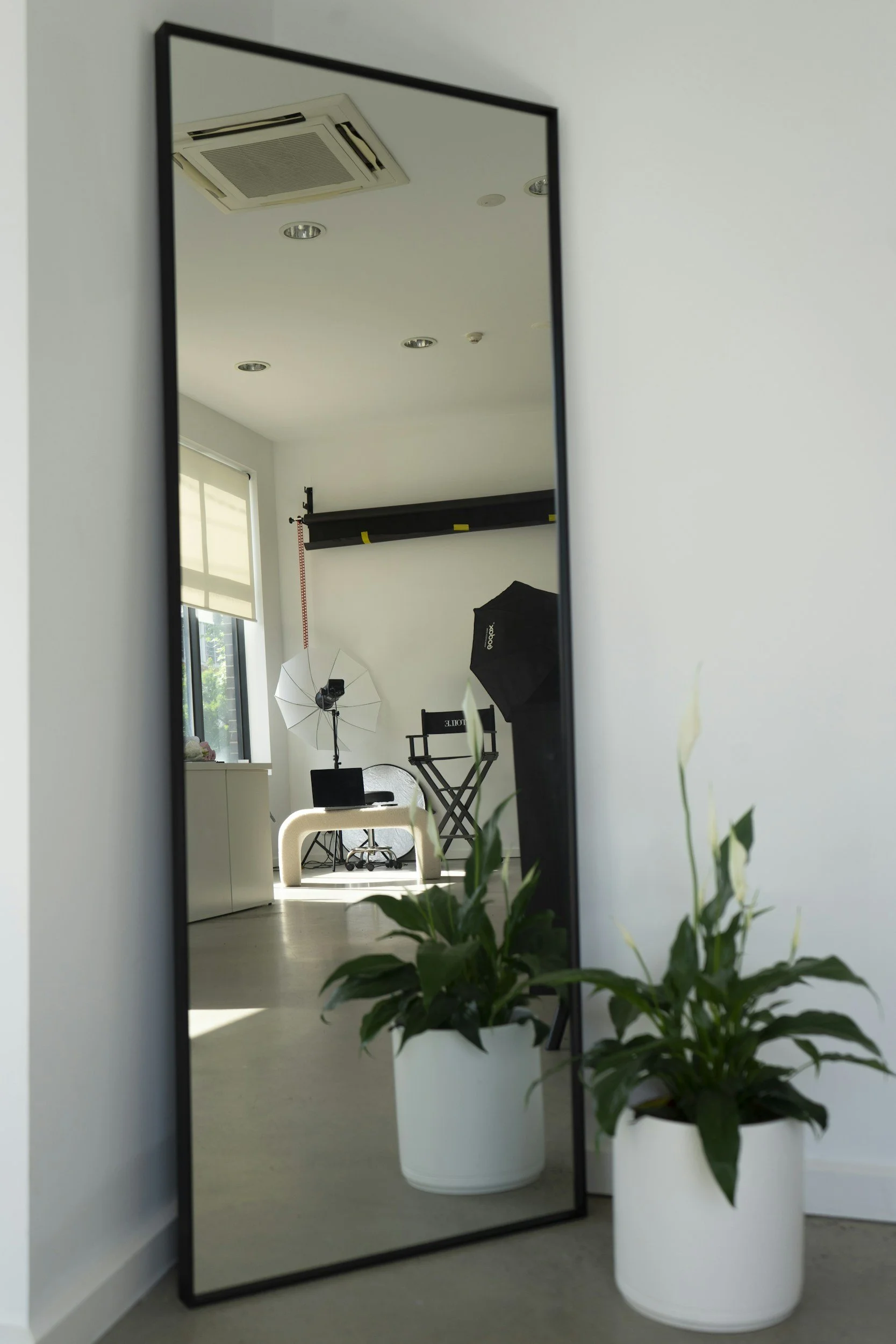
Moving a large mirror can be nerve-wracking. Mirrors are not only heavy and awkward to carry, but they are also fragile and prone to cracking or shattering if not handled correctly. Whether you’re relocating a wall mirror, a full-length mirror, or a decorative framed piece, proper preparation and technique are essential to keep it intact.
This guide walks you through how to move large mirrors safely without breaking them, covering preparation, packing, carrying techniques, and transport strategies used by professionals.
Why Large Mirrors Are Difficult to Move
Large mirrors present several challenges:
Fragility: Glass can crack or shatter from pressure or impact.
Size and Weight: Large mirrors are bulky and awkward to grip.
Sharp Edges: Broken glass poses safety risks.
Flexibility: Thin glass can bend slightly, increasing the risk of breakage if unsupported.
Because of these risks, mirrors require careful handling, proper packing, and controlled movement.
Step 1: Assess the Mirror
Before moving, evaluate the mirror’s condition and structure:
Check if it is framed or frameless.
Identify the thickness of the glass.
Look for existing cracks or weak points.
Determine how it is mounted (hooks, brackets, adhesive, etc.).
Understanding these factors helps you plan how to safely remove and transport it.
Step 2: Gather the Right Supplies
Having the proper materials is critical for protecting your mirror:
Moving blankets or padded covers
Packing tape (strong, non-residue)
Bubble wrap
Cardboard sheets
Mirror boxes or custom-sized cartons
Corner protectors (foam or cardboard)
Stretch wrap
Gloves (to protect your hands)
Painter’s tape or masking tape (for temporary glass protection)
These supplies help absorb shock and prevent scratches or cracks during the move.
Step 3: Prepare the Mirror for Moving
Proper preparation is key to preventing damage:
3.1 Clean the Surface
Gently clean the mirror with a soft cloth.
Avoid harsh chemicals that could damage the frame or backing.
3.2 Tape the Glass (Optional but Recommended)
Apply painter’s tape in an “X” or grid pattern across the glass.
This helps hold shards together if the mirror breaks.
Do not use strong adhesive tape directly on delicate finishes.
3.3 Protect the Edges and Corners
Add corner protectors to prevent impact damage.
Wrap edges with foam or cardboard padding.
Step 4: Remove the Mirror Safely
If the mirror is mounted on a wall:
Use the appropriate tools to remove screws, brackets, or hooks.
Have at least one person support the mirror while it is being unmounted.
Tilt the mirror slightly away from the wall before lifting it off its mount.
Avoid letting it drop or shift suddenly once detached.
Never attempt to remove a large mirror alone—always have assistance.
Step 5: Wrap the Mirror Properly
Once removed, wrapping is essential:
Start with a layer of bubble wrap or foam padding.
Cover the entire surface, including edges and corners.
Wrap the mirror in moving blankets for added protection.
Secure the wrapping with stretch wrap or tape (avoid direct contact with the glass).
For framed mirrors, ensure the frame is also protected from scratches and dents.
Step 6: Use Proper Lifting Techniques
Large mirrors should always be handled with care:
Use at least two people for lifting and carrying.
Hold the mirror vertically (upright position), not flat.
Grip from the sides or frame—not the glass surface.
Keep the mirror close to your body for stability.
Move slowly and communicate clearly with your partner.
Avoid twisting or sudden movements while carrying the mirror.
Step 7: Navigate Doorways and Tight Spaces
Getting a large mirror through doorways can be tricky:
Measure the mirror dimensions and compare them with doorways and hallways.
Tilt or rotate the mirror slightly to fit through narrow spaces.
Move slowly and watch for edges hitting walls or frames.
Use padding on door frames and walls to prevent scratches or chips.
Planning your route in advance helps avoid last-minute adjustments.
Step 8: Load the Mirror Into the Moving Truck
Proper loading is crucial for safe transport:
Place the mirror upright against the wall of the truck.
Secure it using straps to prevent shifting during transit.
Position it between soft, padded items such as mattresses or furniture.
Avoid placing heavy items on top of or against the mirror.
Ensure it is tightly secured and cannot move.
A stable position prevents vibrations and impacts during transport.
Step 9: Transport with Care
During transportation:
Drive slowly, especially over bumps or uneven roads.
Avoid sudden stops or sharp turns.
Ensure the mirror remains stable and secure throughout the trip.
Even minor movement can cause damage if the mirror is not properly secured.
Step 10: Unloading and Placement
When unloading:
Carefully remove the mirror from the truck with assistance.
Keep it upright while carrying it into the home.
Avoid setting it down flat on hard surfaces unless padded.
Remove protective wrapping slowly to avoid accidental drops or scratches.
Once inside, position the mirror in its final location before removing all protective materials.
Step 11: Reinstalling the Mirror
If the mirror is being re-hung:
Ensure the mounting hardware is properly installed and secure.
Use wall anchors if necessary for added support.
Have at least one person hold the mirror while another secures it in place.
Double-check alignment before fully releasing the mirror.
Proper installation ensures safety and prevents future accidents.
Special Tips for Different Types of Mirrors
Framed Mirrors
Frames add protection but can still be damaged if mishandled.
Wrap both the frame and glass for full coverage.
Frameless Mirrors
Require extra edge and corner protection.
More prone to chipping, so padding is critical.
Antique or Decorative Mirrors
Handle with extreme care due to age and fragility.
Consider professional movers for valuable pieces.
Oversized or Wall-Length Mirrors
May require multiple people and specialized equipment.
Moving straps and dollies can help with stability.
Common Mistakes to Avoid
Carrying the mirror flat instead of upright
Moving it alone without assistance
Skipping protective padding
Using improper tape directly on delicate surfaces
Rushing through doorways or tight corners
Failing to secure the mirror in the truck
Avoiding these mistakes significantly reduces the risk of breakage.
When to Hire Professional Movers
While DIY moving is possible, professional movers are recommended when:
The mirror is very large or extremely heavy
The mirror is antique, custom, or high-value
There are tight spaces, stairs, or complex navigation involved
You want added insurance and peace of mind
Professionals use specialized equipment and techniques to minimize risk and ensure safe transport.
Final Thoughts
Moving a large mirror safely requires preparation, the right materials, careful handling, and proper transport techniques. By protecting the glass, using correct lifting methods, and securing the mirror during transit, you can greatly reduce the risk of damage.
The key principles are simple but essential:
Always keep the mirror upright
Use adequate padding and protection
Move slowly and with assistance
Secure it properly during transport
With these steps, your mirror can arrive at its destination safely, intact, and ready to be installed in your new space.
