
How to Move Antique Furniture Safely
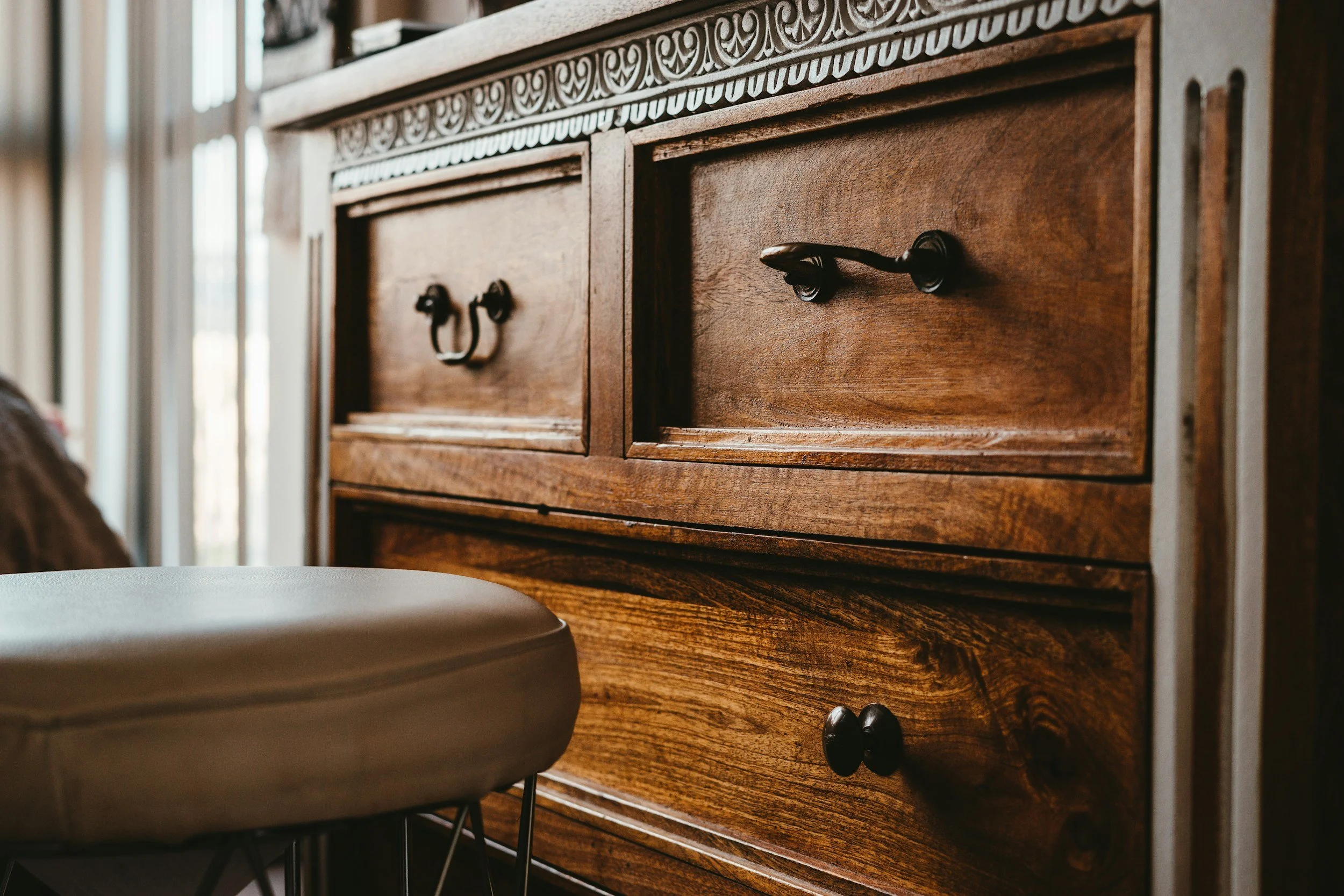
Antique furniture is more than just functional—it often carries historical, sentimental, and monetary value. Whether it’s a vintage armoire, a handcrafted dining table, or a delicate heirloom chair, moving antique furniture requires extra care, planning, and precision. Unlike modern furniture, antiques are often made with older materials, joinery methods, and finishes that can be fragile and irreplaceable.
This guide explains how to move antique furniture safely, from preparation and packing to transportation and setup, while minimizing the risk of damage.
Why Antique Furniture Requires Special Care
Antique furniture is typically more vulnerable than modern pieces for several reasons:
Age and Wear: Materials may have weakened over time.
Delicate Finishes: Original varnishes, paints, and stains can chip or crack easily.
Handcrafted Construction: Older joinery methods may not withstand rough handling.
Irreplaceability: Damage to antique pieces can significantly reduce their value.
Because of these factors, moving antiques isn’t just about logistics—it’s about preservation.
Step 1: Evaluate the Furniture
Before moving anything, assess each piece carefully:
Identify the material (wood, glass, metal, upholstery).
Look for weak joints, loose parts, or existing damage.
Determine whether the piece can be disassembled safely.
Check for fragile components such as carvings, glass panels, or inlays.
If a piece is particularly valuable or fragile, consider consulting a professional mover or restoration expert.
Step 2: Gather the Right Supplies
Proper materials are essential for protecting antique furniture:
Moving blankets or padded furniture covers
Bubble wrap (use sparingly on delicate finishes)
Stretch wrap (to hold padding in place)
Acid-free paper (for sensitive surfaces)
Corner protectors or foam padding
Furniture straps
Cardboard sheets for extra protection
Furniture dollies (for heavier items)
Gloves (to avoid transferring oils from hands)
Using the right materials helps prevent scratches, moisture damage, and structural stress.
Step 3: Clean and Prepare the Furniture
Before wrapping or moving antiques:
Gently dust and clean the surface using a soft cloth.
Avoid harsh chemicals that can damage finishes.
Ensure the furniture is completely dry before wrapping.
Cleaning prevents dirt or debris from scratching the surface during transport.
Step 4: Disassemble When Possible
Some antique furniture can be partially disassembled to make moving easier:
Remove drawers, shelves, or detachable legs if they are designed to come off.
Take out glass panels, mirrors, or fragile inserts.
Store hardware in labeled bags and keep them with the corresponding piece.
However, avoid forcing disassembly—antique joints can be fragile and may not be designed for repeated assembly/disassembly.
Step 5: Protect Each Piece Carefully
Proper wrapping is one of the most important steps:
Use moving blankets to cover the entire piece.
Wrap loose parts separately to avoid movement during transit.
Avoid direct plastic contact with delicate finishes, as it can trap moisture.
Secure padding with stretch wrap, but do not over-tighten.
For highly delicate antiques, consider double-layering protection with blankets and cardboard.
Step 6: Handle with Proper Technique
Moving antique furniture requires careful lifting and handling:
Always lift from the base or strongest structural points.
Avoid lifting by fragile areas such as arms, legs, or decorative elements.
Use at least two people for larger items.
Keep the piece upright whenever possible.
Move slowly and communicate clearly with your partner(s).
Never drag antique furniture across floors, as this can damage both the item and your flooring.
Step 7: Navigate Doorways and Tight Spaces
Antiques often have irregular shapes that make navigation tricky:
Measure doorways, hallways, and staircases in advance.
Tilt or rotate the furniture carefully to fit through narrow spaces.
Use padding on door frames and walls to prevent accidental damage.
If necessary, temporarily remove doors for extra clearance.
Planning the route ahead of time prevents last-minute struggles.
Step 8: Use Proper Equipment
For heavier antique pieces, equipment can make a big difference:
Furniture dollies: Help transport heavy items without lifting the full weight.
Moving straps: Distribute weight evenly and reduce strain.
Sliders: Allow furniture to glide across floors with minimal friction.
These tools improve safety and reduce the risk of injury or damage.
Step 9: Load Antique Furniture Carefully
When placing antiques into a moving truck:
Position them upright whenever possible.
Keep them away from heavy or shifting items.
Place them against padded walls of the truck.
Secure each piece with straps to prevent movement.
Avoid stacking heavy items on top of antiques.
Proper loading ensures stability during transit.
Step 10: Transport with Caution
During transportation:
Drive slowly and avoid sudden stops or sharp turns.
Be mindful of bumps and uneven roads.
Ensure items remain secured throughout the journey.
Even small movements inside the truck can cause damage if items are not properly secured.
Step 11: Unloading and Reassembly
At your destination:
Carefully unload each piece using proper lifting techniques.
Remove protective wrapping gently to avoid damaging finishes.
Reassemble any parts that were removed during disassembly.
Inspect each piece for any signs of damage before placing it in its final location.
Take your time—rushing increases the risk of accidental damage.
Special Considerations for Different Types of Antique Furniture
Wooden Antiques
Sensitive to temperature and humidity changes
Avoid exposure to extreme conditions
Handle joints and carvings with extra care
Glass or Mirror Elements
Remove if possible and pack separately
Use padding and rigid supports to prevent breakage
Label clearly as fragile
Upholstered Antiques
Protect fabric from stains and tears using breathable covers
Avoid plastic wrapping directly on fabric for long periods
Metal Antiques
Watch for rust or corrosion
Prevent scratching by using padded coverings
Common Mistakes to Avoid
Using too much plastic wrap directly on delicate finishes
Skipping padding around corners and edges
Attempting to move heavy antiques alone
Not measuring doorways or hallways beforehand
Overpacking the moving truck
Failing to secure items during transport
Avoiding these mistakes can make a significant difference in preserving your furniture.
When to Hire Professional Movers
While DIY moving is possible, professional movers are often the best choice for antiques:
They have experience handling fragile and high-value items
They use specialized equipment and packing techniques
They understand how to navigate tight spaces safely
They can provide insurance coverage for added protection
Hiring professionals is especially recommended for extremely valuable, rare, or irreplaceable pieces.
Final Thoughts
Moving antique furniture safely requires patience, preparation, and the right approach. Unlike standard furniture, antiques demand a higher level of care due to their age, craftsmanship, and value. By properly assessing each piece, using protective materials, handling items carefully, and planning the move in detail, you can ensure your antiques arrive at their new home in excellent condition.
Whether you choose to move them yourself or hire professionals, the key is to prioritize preservation over speed. With the right techniques and precautions, your antique furniture can continue to be enjoyed for generations to come.
