
The 20/20 Decluttering Rule: Could It Make Moving Easier?
Moving has a way of turning ordinary household clutter into a much bigger problem.
A drawer full of random items does not seem particularly important when it has been sitting quietly in the same place for years.
A basement shelf filled with things you “might need someday” does not feel urgent.
A closet full of duplicate household goods is easy to ignore.
Then moving day approaches.
Suddenly, every single item has to be:
Packed.
Protected.
Carried.
Loaded.
Transported.
Unloaded.
Unpacked.
Stored again.
That is when people begin asking a much more practical question:
Do I actually need to move this?
One decluttering idea that can help answer that question is commonly called the 20/20 rule.
The basic idea is simple.
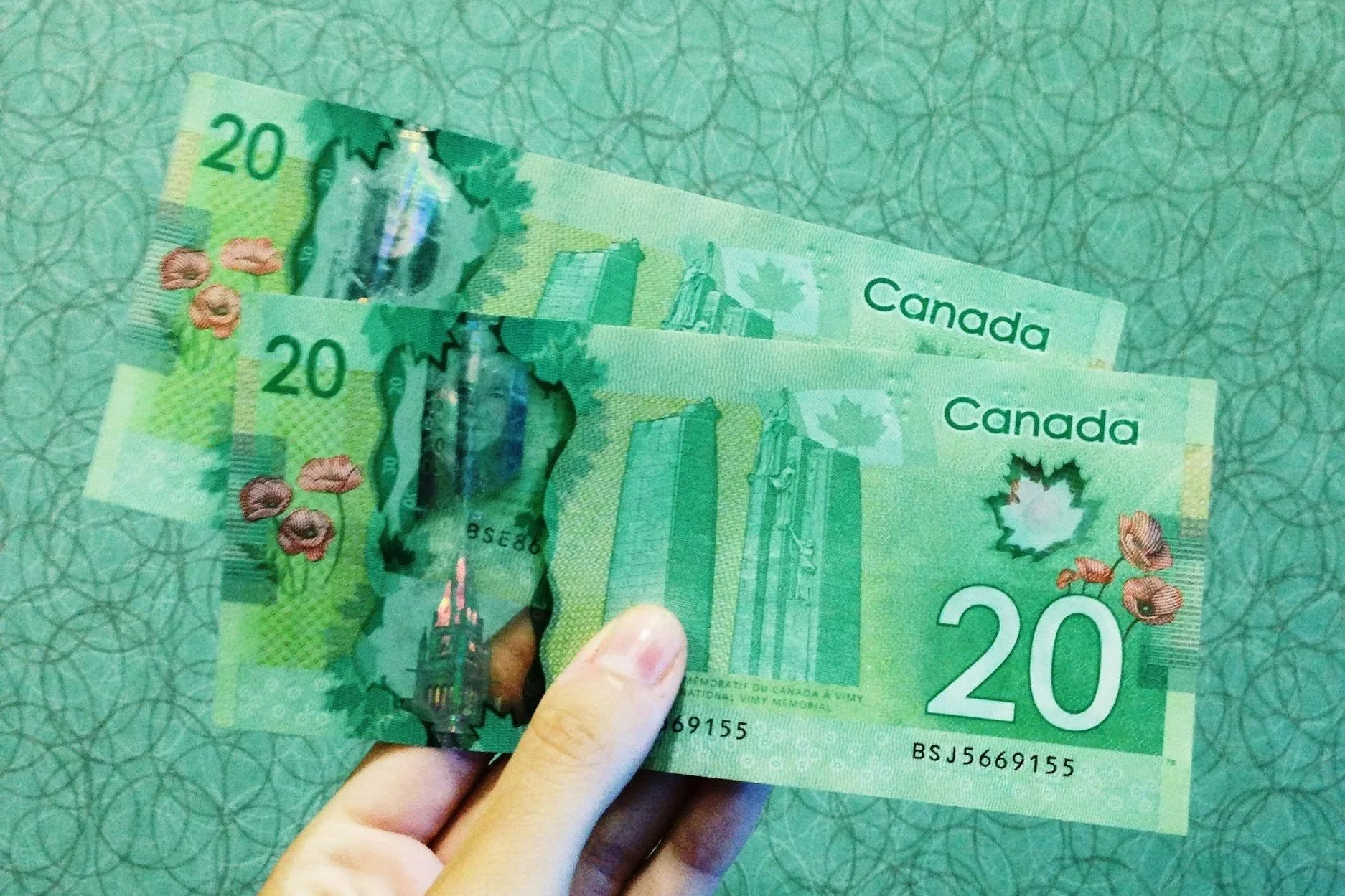
If you are uncertain about keeping a relatively inexpensive item, ask whether you could replace it for around $20 or less and whether you could replace it within roughly 20 minutes if you genuinely needed it again.
If the answer is yes, the argument goes, you may feel more comfortable letting the item go instead of keeping it purely because you are afraid you might need it someday.
It is not a rule that should be applied blindly.
It does not make sense for sentimental items, important documents, specialty equipment, medications, difficult-to-find belongings, or anything where replacement would be inconvenient or wasteful.
But when used carefully, the 20/20 decluttering rule can be an extremely useful way to challenge one of the biggest causes of moving clutter:
“What if I need this someday?”
What Is the 20/20 Decluttering Rule?
The 20/20 rule is a simple decision-making tool for low-value belongings.
Imagine you are holding an object you rarely use.
You do not really want it.
You do not use it regularly.
But you hesitate to get rid of it because there is a small possibility that you could need it in the future.
The 20/20 rule asks two questions:
Could I replace this for approximately $20 or less?
Could I obtain a replacement within approximately 20 minutes?
If both answers are yes, keeping the item solely because of a hypothetical future need may not be necessary.
The principle is designed to reduce fear-based clutter.
Why Do People Keep So Many “Just in Case” Items?
Because throwing something away can feel irreversible.
You look at an old household item and think:
What if I need this next year?
What if something breaks?
What if we suddenly need another one?
That possibility, however unlikely, can be enough to keep the item.
One object is not a problem.
The problem is repeating that logic hundreds of times.
Soon you have closets, drawers, garages, and storage rooms filled with things kept almost entirely because of hypothetical future situations.
Moving Makes “Just in Case” Clutter More Expensive
When an item sits quietly in a basement, keeping it seems free.
During a move, it is no longer free.
The item may contribute to:
Packing materials.
Packing time.
Moving weight.
Truck space.
Labour.
Storage requirements.
Unpacking time.
You now have to spend effort moving something you might never use.
That changes the decision.
The 20/20 Rule Challenges Scarcity Thinking
One reason people struggle to declutter is the fear that letting something go means losing access to it forever.
For many ordinary household items, that simply is not true.
If something is common, inexpensive, and readily available, getting rid of it does not mean you can never have one again.
You are simply choosing not to store one indefinitely.
That distinction can make decluttering easier.
It Is Not Really About the Exact Number 20
The most useful part of the rule is the concept, not necessarily the exact dollar amount or time.
For one household, $20 may make sense.
For another, $10 may be a better threshold.
Someone living in a remote area may not be able to replace anything within 20 minutes.
The principle is:
If an item is inexpensive, easily replaceable, rarely used, and taking up unnecessary space, you do not necessarily need to keep it because of a remote possibility that it might become useful.
Why the Rule Can Be Especially Helpful Before Moving
Moving creates a natural opportunity to evaluate everything you own.
You already have to touch most belongings.
You already have to decide how they will be packed.
That makes it the perfect time to ask whether certain objects deserve the effort of moving.
The 20/20 rule gives you a quick filter for low-stakes decisions.
Instead of debating every ordinary object for five minutes, you can make faster decisions.
It Can Reduce Decision Fatigue
Decluttering an entire house can involve thousands of decisions.
That becomes exhausting.
You may begin with enthusiasm.
After several hours, every object starts feeling complicated.
Should I keep this?
Could someone use it?
What if we need it?
The 20/20 rule can simplify a certain category of decisions.
If the item is cheap, ordinary, and easily replaced, you may not need a long internal debate.
It Works Best for Low-Risk Items
The rule is most useful when the consequences of letting something go are small.
Examples might include ordinary:
Kitchen gadgets.
Office supplies.
Decorative accessories.
Duplicate household goods.
Basic storage items.
Low-cost hobby supplies.
The important word is ordinary.
If an item has unusual value, importance, or replacement difficulty, the rule may not apply.
Duplicate Kitchen Tools Are a Good Example
Suppose you discover four vegetable peelers.
You use one.
The others have been sitting in the drawer for years.
A common reaction is:
What if this one breaks?
That is exactly the kind of thinking the 20/20 rule can challenge.
If replacing a basic peeler would be inexpensive and easy, do you really need three backups?
Probably not.
Extra Measuring Cups and Spoons
Kitchens often contain duplicates because household items accumulate gradually.
You buy a new set.
The old set remains.
Another appears as part of a gift.
Eventually, one drawer contains several versions.
If you only use one or two sets, the rest may be unnecessary.
Cheap Utensils You Never Use
That oddly shaped kitchen tool purchased for one recipe five years ago may not deserve another move.
If you cannot remember the last time you used it and replacing it would be simple, it may be a good candidate for decluttering.
Extra Mugs
Mugs deserve their own moving category.
Almost every household has more than it uses.
Work mugs.
Promotional mugs.
Souvenir mugs.
Gift mugs.
Novelty mugs.
If you have fifteen more mugs than your household realistically needs, ask whether the extras are worth packing individually.
Plastic Food Containers
This category can become enormous.
Containers without lids.
Lids without containers.
Stained containers.
Duplicate sizes.
Cheap containers that are easily replaced.
Moving is a perfect opportunity to match sets and reduce the collection.
Reusable Shopping Bags
A few reusable bags are useful.
An entire cabinet full may not be.
Because they are individually cheap and easy to replace, extras can fit the spirit of the 20/20 rule.
Basic Office Supplies
Office drawers accumulate:
Pens.
Notebooks.
Paper clips.
Staplers.
Tape dispensers.
Folders.
Scissors.
You may genuinely need many of these.
But do you need six cheap staplers?
Thirty partly used pens?
Dozens of folders you have not touched in years?
The rule can help reduce duplicates.
Cheap Decor
Decorations can accumulate without much thought.
Small:
Vases.
Frames.
Candles.
Bowls.
Ornaments.
may not individually take up much space.
Collectively, they can fill several moving boxes.
If you no longer like the item and it would be inexpensive to replace, there may be little reason to move it.
Basic Cleaning Tools
Some homes accumulate several versions of the same cleaning item.
Brushes.
Buckets.
Small squeegees.
Cheap dusters.
Spray bottles.
If they are duplicates and easily replaceable, moving all of them may not be necessary.
Hobby Supplies Can Be Tricky
The 20/20 rule can work for certain inexpensive hobby supplies.
But hobby items deserve more caution.
Some supplies appear cheap but are:
Specialized.
Discontinued.
Hard to find.
Part of a larger system.
The rule should never replace common sense.
Why Replacement Time Matters
The price component is only half the idea.
Something may cost $10 but be extremely difficult to find.
Perhaps it is:
A specialty adapter.
A discontinued furniture fitting.
A particular replacement part.
A unique craft component.
In those cases, replacement inconvenience matters.
That is why the second part of the rule is so important.
Why Price Alone Is a Bad Decluttering Method
Cheap does not automatically mean disposable.
A handwritten notebook may cost almost nothing but be irreplaceable.
A childhood photograph has little market value but enormous personal value.
A tiny key might cost almost nothing to duplicate—but only if you know what lock it belongs to.
Financial cost is only one form of value.
The Rule Should Never Be Used for Sentimental Belongings
Do not look at your grandmother's handwritten recipe card and think:
“I could buy another recipe card for fifty cents.”
That completely misses the point.
Sentimental items are valuable because of:
History.
Memory.
Connection.
Meaning.
Their value is not based on replacement price.
Family Photographs Are Not Replaceable
A printed photograph may cost very little physically.
But the moment captured in it cannot necessarily be recreated.
That makes the 20/20 rule inappropriate.
The same applies to:
Letters.
Journals.
Children's artwork.
Family records.
Heirlooms.
Important Documents Should Be Evaluated Separately
Do not apply casual decluttering rules to legal, financial, tax, insurance, identification, or property records.
Document retention depends on what the record is and why it may be needed.
Review important paperwork carefully.
Digitization may help reduce physical clutter, but documents should not simply be discarded because they appear inexpensive to replace.
Keys Are Another Bad Candidate
A random key looks like a low-value object.
But if it belongs to:
A storage locker.
Safe.
Cabinet.
Bike lock.
Piece of furniture.
you may create a much larger problem by discarding it.
Identify keys first.
Furniture Hardware Should Be Kept Carefully
The same principle applies to small hardware.
A bolt may technically cost less than $20.
But if it is a proprietary piece for a particular bed frame, replacing it may be surprisingly difficult.
Tiny objects can create big problems.
Cables and Chargers Need Context
An ordinary USB cable may be easy to replace.
A proprietary charger for an older device may not be.
Before discarding cables, determine what they belong to.
The 20/20 rule is useful only when you actually understand the item.
Medications and Medical Supplies Are Different
Health-related belongings should not be treated as ordinary decluttering decisions.
Availability, prescription requirements, cost, and medical necessity can make replacement much more complicated.
Follow appropriate health and pharmacy guidance.
Safety Equipment Should Be Evaluated Carefully
A flashlight might be inexpensive.
Emergency supplies may be inexpensive.
But their purpose is to be available when you need them unexpectedly.
Do not eliminate sensible household safety equipment simply because it is not used often.
The Rule Is Not Permission to Waste Money
There is a possible downside to the 20/20 rule.
If you constantly throw away useful $15 items and later rebuy them, you may spend more money over time.
The idea is not:
“If it costs less than $20, get rid of it.”
The idea is:
“If I do not use this, do not particularly want it, and am only keeping it because of a low-probability future need, easy replacement may make letting it go less risky.”
That is very different.
It Should Not Encourage Disposable Thinking
Decluttering should not become a cycle of:
Buy.
Discard.
Rebuy.
Discard.
That is expensive and wasteful.
The better goal is owning fewer unnecessary things and becoming more intentional about future purchases.
Ask Whether You Already Own Another One
Before applying the replacement test, check for duplicates.
If you have three similar tools, you may not need to imagine buying another one at all.
You already have backups.
The Rule Is Particularly Useful for Duplicates
Duplicates are where the 20/20 rule often makes the most sense.
You are not deciding whether to own a screwdriver.
You are deciding whether you need six screwdrivers of nearly the same type.
You are not eliminating all scissors.
You are reducing eight pairs to three.
That is much lower risk.
Consider How Often You Actually Use It
Frequency matters.
If you use something every week, it probably deserves space even if it is cheap.
If you have not used it in five years, the decision becomes different.
Ask:
When did I last use this?
Can I imagine a realistic situation where I will use it again?
Be Careful With Seasonal Items
A snow brush may sit unused for months.
That does not make it clutter.
Seasonal belongings naturally have long periods of inactivity.
The same can apply to:
Holiday items.
Camping gear.
Formalwear.
Garden equipment.
The 20/20 rule works best when infrequent use truly means low usefulness, not merely seasonal usefulness.
Consider Where You Are Moving
Your destination changes the equation.
Perhaps you are moving from a house to a condo.
Certain yard tools may no longer be needed.
Maybe you are moving somewhere with significantly different weather.
Certain seasonal belongings may become less useful.
Decluttering should reflect the life you are moving into.
Downsizing Makes the Rule More Valuable
When moving into a smaller home, storage space becomes more precious.
A low-value object occupying a small amount of space may not matter.
Hundreds of low-value objects do.
The 20/20 rule can help you identify which items are not worth using limited storage space to keep.
Long-Distance Moves Change the Calculation Too
For a local move, transporting one extra inexpensive object may not matter much.
For a major long-distance relocation, every unnecessary possession contributes to overall volume and complexity.
This can make inexpensive, bulky, replaceable items more questionable.
Bulky Items Deserve a Different Version of the Rule
Suppose something costs $25 to replace but takes up half the back seat of your car.
The exact 20/20 threshold is less important than the broader question:
Is transporting this worth the effort compared with replacing it if necessary?
Size can matter as much as value.
Small Items Can Still Create Big Clutter
The opposite is also true.
People often say:
“It is tiny. Why get rid of it?”
One tiny object makes no difference.
Five hundred tiny objects do.
Junk drawers exist because small things rarely feel important enough to declutter individually.
Moving exposes the cumulative effect.
Try the Rule on Your Junk Drawer
A junk drawer is an excellent place to experiment.
Remove everything.
You may find:
Old pens.
Cheap clips.
Mystery batteries.
Expired coupons.
Duplicate tape measures.
Broken small items.
Spare cords.
Then ask whether each object is genuinely useful.
The 20/20 concept can help with ordinary, easily replaceable items you have been keeping automatically.
Try It in the Bathroom
Bathrooms accumulate small inexpensive products.
Unused accessories.
Old travel containers.
Duplicate grooming tools.
Empty or nearly empty products.
Some things can simply be used up before moving.
Others may be unnecessary.
Be cautious with medication and personal health items, but ordinary low-value clutter can often be reduced.
Try It in the Kitchen
Kitchen drawers are full of excellent candidates.
Duplicate utensils.
Cheap gadgets.
Unwanted mugs.
Extra plastic containers.
Unused serving tools.
You may be surprised how much volume disappears when you stop keeping every inexpensive object “just in case.”
Try It in the Office
Old office supplies can follow people through several moves.
Think about whether you need:
Every binder.
Every folder.
Every promotional notebook.
Every spare pen.
The new home does not need to become permanent storage for unused stationery.
Try It in the Garage
The garage requires more caution because parts and tools can be difficult to replace.
But ordinary duplicates may still be candidates.
Broken inexpensive tools.
Cheap containers.
Unused household accessories.
Just make sure you know what something is before discarding it.
Try It With Moving Supplies
You may even have moving supplies left from previous relocations.
Old:
Tape dispensers.
Markers.
Cheap packing accessories.
Weak boxes.
If they are no longer usable or necessary, you do not have to move your moving clutter.
A Better Question Than “Could I Need This?”
Almost anything could theoretically become useful.
That is not a helpful standard.
A better question is:
“How likely am I to need this, and what happens if I do not have it?”
That introduces probability and consequence.
Low Probability + Low Consequence Is the Sweet Spot
The 20/20 rule makes the most sense when both are low.
You are unlikely to need the item.
And if you do need it, replacement is easy.
That creates a relatively safe decluttering decision.
High Consequence Means Keep or Think Carefully
Suppose you rarely use an item but not having it when needed would create a major problem.
That deserves more consideration.
Emergency supplies are an obvious example.
You hope you rarely use them.
Their value is precisely that they are available when unusual situations happen.
High Replacement Difficulty Also Changes the Decision
An item may be inexpensive but inconvenient to replace.
Perhaps you would have to:
Order it online.
Wait several weeks.
Visit a specialty store.
Find a discontinued model.
In that case, keeping it may make more sense.
Accessibility Matters
The “20 minutes” idea assumes replacement is convenient.
That may be true in a large city.
It may not be true in:
Rural areas.
Remote communities.
Locations with limited retail access.
Your personal circumstances matter more than a rigid rule.
Transportation Matters Too
If replacing something would require a long drive or a vehicle you do not normally have access to, it is not truly a 20-minute replacement.
Adapt the principle realistically.
Your Budget Matters
Twenty dollars means different things to different households.
If frequently replacing $20 items would strain your budget, use a lower threshold.
The rule should reduce stress, not create financial problems.
You Can Create Your Own Version
Maybe your rule is:
$10 and 10 minutes.
Maybe it is:
$30 and easy online delivery.
The exact numbers matter less than having a reasonable standard that helps you challenge fear-based clutter.
Add a Frequency Rule
You might combine the idea with another question:
Have I used this in the last two years?
If no, and replacement is inexpensive and easy, it becomes a stronger decluttering candidate.
Again, seasonal and emergency items need exceptions.
Add a Duplicate Rule
Another useful variation is:
If I already own another item that can perform the same function, do I need this one too?
This works well for:
Kitchen utensils.
Tools.
Office supplies.
Cleaning equipment.
Add a Space Rule
For downsizing, consider:
Is this worth the storage space it consumes?
A $15 item occupying an entire shelf may deserve more scrutiny than a $15 item that fits into a tiny drawer.
Add a Moving-Effort Rule
Ask:
Would I willingly pack, carry, and unpack this again?
This is a surprisingly effective question.
People often discover that they do not actually want many of the things they technically “own.”
The Rule Can Help With “Sunk Cost” Clutter
Sometimes people keep an inexpensive item because they paid for it.
But that money is already spent.
Moving the item does not recover the purchase price.
If it is no longer useful, keeping it merely because you once bought it may not improve the situation.
It Can Help With Gifts Too
A gift may have emotional significance.
But not every gift is sentimental.
Sometimes people keep ordinary objects purely because someone gave them the item.
You can appreciate the gesture without necessarily storing the physical object forever.
If the gift itself is meaningful, of course, that is different.
The Rule Can Help With Aspirational Clutter
Aspirational clutter consists of things connected to the person you imagine you might become.
The craft supplies for a hobby you never started.
The kitchen tool for recipes you never make.
The equipment for an activity you stopped years ago.
If the item is easily replaceable should you genuinely return to the activity, letting it go may feel easier.
“Someday” Is Often the Problem
Someday is not a date.
When you ask whether you will use something someday, almost anything can survive decluttering.
Instead ask:
Can I describe a realistic situation in which I will use this?
That produces better decisions.
The Rule Can Make Packing Faster
Every object you declutter is one less thing to wrap or place in a box.
That might seem minor.
Across an entire home, it adds up.
Fewer belongings can mean:
Fewer boxes.
Less labeling.
Less sorting.
Less carrying.
It Can Make Loading Faster
Less household volume generally makes the physical move simpler.
There is less to load onto the truck.
Less to keep track of.
Fewer items competing for space.
That can be particularly valuable in moves involving:
Stairs.
Elevators.
Long carries.
Tight parking.
It Can Make Unpacking Much Easier
This may be the biggest advantage.
Anything you do not move is something you do not have to unpack.
That means fewer objects requiring permanent locations in the new home.
The result can be a cleaner, calmer start.
It Can Prevent the New Home From Filling Immediately
There is something disappointing about walking into an empty new home that feels spacious and then immediately filling every cabinet and closet with old clutter.
Decluttering before moving protects that fresh start.
But Do Not Declutter Just to Hit a Number
There is no prize for getting rid of fifty percent of your possessions.
The purpose is not extreme minimalism.
The purpose is making thoughtful decisions.
If you use something, like it, need it, or value it, keep it.
There Is No Perfect Decluttering Percentage
Some households need a major reduction.
Others are already organized.
A family moving from a 4,000-square-foot house into a 1,200-square-foot condo has different needs from someone moving between similar properties.
Use rules as tools, not targets.
Do Not Declutter While Panicking
Decision quality declines when people are exhausted.
If you are throwing things away simply because movers arrive tomorrow, you may make mistakes.
Start early enough to think.
Begin With the Easy Categories
Try the 20/20 rule first on objects where the decision is relatively low risk.
Duplicates.
Cheap ordinary items.
Things you dislike.
Things you forgot you owned.
Avoid starting with sentimental boxes.
Make a “Not Sure” Box
If you genuinely cannot decide, create a limited uncertainty category.
Do not create fifteen boxes of uncertain items.
One manageable box can prevent impulsive decisions.
You can review it again before moving day.
Use a Holding Period
Some people find it useful to place uncertain items into a temporary box.
If you do not retrieve anything from it over a set period, that provides additional evidence that the objects may not be essential.
Moving timelines may limit how long you can test this, but even a few weeks can be informative.
Sell Higher-Value Items Instead
The 20/20 rule is intended for low-value belongings.
If an item has meaningful resale value but no longer serves you, selling may be better than simply discarding it.
Start early.
Selling takes time.
Donate Useful Items
An item may not be worth keeping or selling but still be useful to someone else.
Appropriate donation can be a good option for:
Household goods.
Clothes.
Books.
Toys.
Small furniture.
Always check what local organizations accept.
Do Not Donate Garbage
Decluttering responsibly means distinguishing unwanted from unusable.
Broken, unsafe, contaminated, or severely damaged items may not be suitable for donation.
Donation organizations should not become disposal services for your move.
Recycle Where Appropriate
Depending on local programs, certain unwanted items may have recycling options.
This may include categories such as:
Electronics.
Textiles.
Metals.
Cardboard.
Batteries.
Rules vary, so check local requirements.
Disposal Is Sometimes the Correct Option
Not everything deserves another owner.
Broken low-value belongings may simply have reached the end of their useful life.
Dispose of them appropriately rather than moving them to another home out of guilt.
Consider the Environmental Side of the Rule
The biggest criticism of easy-replacement thinking is that it can encourage people to treat household goods as disposable.
That concern is valid.
The rule works best when combined with more intentional future shopping.
If you let something go because you rarely use it, the ideal result is that you probably never replace it.
Not that you buy another one two months later.
Track What You Actually Replace
Want to test whether the rule works for you?
Keep a simple note.
After the move, record any decluttered item you actually had to rebuy.
You may discover that the list is surprisingly short.
This can make future decluttering easier.
If You Constantly Rebuy the Same Things, Adjust Your Rule
Your results matter more than internet decluttering advice.
If you discover that you regularly regret letting go of certain categories, become more conservative with them.
Decluttering should fit your household.
Borrowing Can Sometimes Replace Ownership
Some rarely needed objects may be borrowed from:
Friends.
Family.
Neighbours.
Community programs.
Tool libraries where available.
This can further reduce the need to own something solely for one hypothetical future use.
Renting Can Also Change the Equation
Certain equipment is only needed for specific projects.
Rather than storing large specialty equipment indefinitely, rental may be an option depending on availability and cost.
Again, the logic is not universal.
Evaluate what makes practical sense.
A Moving Company Cannot Decide What You Value
Professional movers can pack and transport belongings efficiently.
But they cannot decide whether your third inexpensive kitchen gadget matters to you.
Decluttering decisions need to happen before moving day.
Professional Movers Benefit From Clear Decluttering
A well-sorted move is easier to organize.
There are fewer confusing piles.
Items that stay behind are clearly separated.
Boxes can be labeled more logically.
Movers can focus on transporting what you actually want.
Do Not Declutter While Movers Are Waiting
Moving day is not the ideal time to stand beside the truck debating whether you need an old lamp.
Those decisions slow everything down.
Have your keep-or-remove decisions largely completed beforehand.
Separate Items That Are Leaving the House
Create clear areas for:
Donations.
Items for sale.
Recycling.
Disposal.
Do not mix them with belongings movers should load.
This prevents accidental transportation of things you intended to leave behind.
The Rule Works Best as Part of a Bigger Decluttering System
The 20/20 rule cannot answer every question.
A more complete approach might consider:
Usefulness.
Frequency.
Sentimental value.
Replacement difficulty.
Replacement cost.
Condition.
New-home space.
Moving effort.
The 20/20 test is simply one useful filter among several.
Try the “Would I Buy This Again?” Question
This pairs extremely well with the rule.
If you saw this object in a store today, would you spend money on it?
If not, why are you paying in space and moving effort to keep it?
Try the “Would I Notice?” Question
If this item disappeared today, would you notice?
Again, this is not appropriate for important or sentimental possessions.
But for ordinary clutter, it can be revealing.
Try the “Would I Move It Again?” Question
Imagine another move three years from now.
Would you willingly pack this object again?
If the thought annoys you immediately, that may be useful information.
Try the “Does It Have a Home?” Question
Where will this item live in the new property?
Not somewhere.
Specifically where?
If you cannot identify a realistic place or use, reconsider whether it belongs in the move.
Try the “Could Something Else Do the Job?” Question
Many homes contain multiple items that perform nearly identical functions.
If something else you own can reasonably do the same job, a backup may be unnecessary.
Apply the Rule Before Buying Things Too
The best decluttering happens before clutter enters your home.
After moving, you may become more thoughtful about purchases.
Before buying something inexpensive, ask:
Will I actually use this?
Where will it live?
Do I already own something similar?
Would this become another 20/20 item during my next move?
That mindset can prevent clutter from rebuilding.
Frequently Asked Questions
What is the 20/20 decluttering rule?
The 20/20 rule is a simple decluttering guideline suggesting that if an item can be replaced for about $20 or less and replaced within about 20 minutes, you may be more comfortable letting it go rather than keeping it solely because you might need it someday.
Does the 20/20 rule mean I should throw away everything under $20?
No. The rule is not based on price alone. If you regularly use, value, need, or genuinely enjoy an inexpensive item, there is no reason to get rid of it. It is mainly intended to challenge low-value “just in case” clutter.
Is the 20/20 rule good for moving?
It can be very useful before moving because it helps simplify decisions about inexpensive, easy-to-replace belongings. Reducing unnecessary items can make packing, transportation, unpacking, and organization easier.
What kinds of items work best with the 20/20 rule?
It generally works best for ordinary, low-cost, easy-to-replace items such as unnecessary duplicates, some kitchen gadgets, certain office supplies, basic household accessories, and inexpensive items you rarely use.
What should I never apply the 20/20 rule to?
Use much more caution with sentimental belongings, photographs, heirlooms, important documents, medications, safety equipment, specialty parts, difficult-to-find items, valuable objects, keys, and anything whose real value is not reflected by replacement cost.
What if I live somewhere where things are difficult to replace?
Adapt the rule. The 20-minute element is intended to represent easy accessibility. If replacement requires a long trip, special ordering, or lengthy delivery, the item may not qualify as easily replaceable.
What if $20 is too much for my budget?
Use a lower threshold. The numbers are not mandatory. The rule should fit your financial circumstances rather than encouraging unnecessary replacement spending.
Can the 20/20 rule reduce moving costs?
Potentially. Fewer belongings may mean fewer packing materials, less volume, and less labour or transportation depending on how the move is priced. The exact financial effect varies by move.
Is it wasteful to use the 20/20 rule?
It can be if it encourages repeated cycles of discarding and rebuying useful items. A better approach is to use the rule selectively, donate or recycle appropriately, and become more intentional about future purchases.
What if I regret getting rid of something?
That can happen. Review what you actually replaced after the move and adjust your decluttering standards in the future. The goal is not perfect decision-making; it is reducing unnecessary clutter without creating significant inconvenience.
Final Thoughts
The 20/20 decluttering rule works because it challenges one of the most powerful phrases in any cluttered home:
“But what if I need it someday?”
Someday is responsible for a lot of moving boxes.
Someday is why duplicate kitchen tools stay in drawers.
Someday is why unused office supplies move from one desk to another.
Someday is why garages contain objects nobody has touched in years.
The 20/20 rule introduces a practical counterargument.
If you genuinely need an ordinary object later and replacing it would be cheap and easy, keeping it indefinitely may not be necessary.
That can be incredibly freeing before a move.
But the rule should remain exactly what it is:
A tool.
Not a command.
Do not use it on irreplaceable memories.
Do not use it on important records.
Do not use it on specialty equipment without understanding replacement difficulty.
Do not use it to justify constantly throwing things away and buying them again.
Instead, use it where it works best.
Use it on low-value clutter.
Use it on unnecessary duplicates.
Use it on ordinary possessions you have not touched in years.
Use it when the only argument for keeping something is a vague fear that one day, under some unlikely circumstance, you might need it.
Every object you decide not to move is one less object to pack.
One less object to carry.
One less object taking up truck space.
One less object to unpack.
And one less object requiring storage in your new home.
You do not need to own every inexpensive thing you might possibly need someday.
Sometimes knowing that you could replace something easily is enough to finally give yourself permission to let it go.
