
Moving Your Car During a Long-Distance Move: Everything You Need to Know
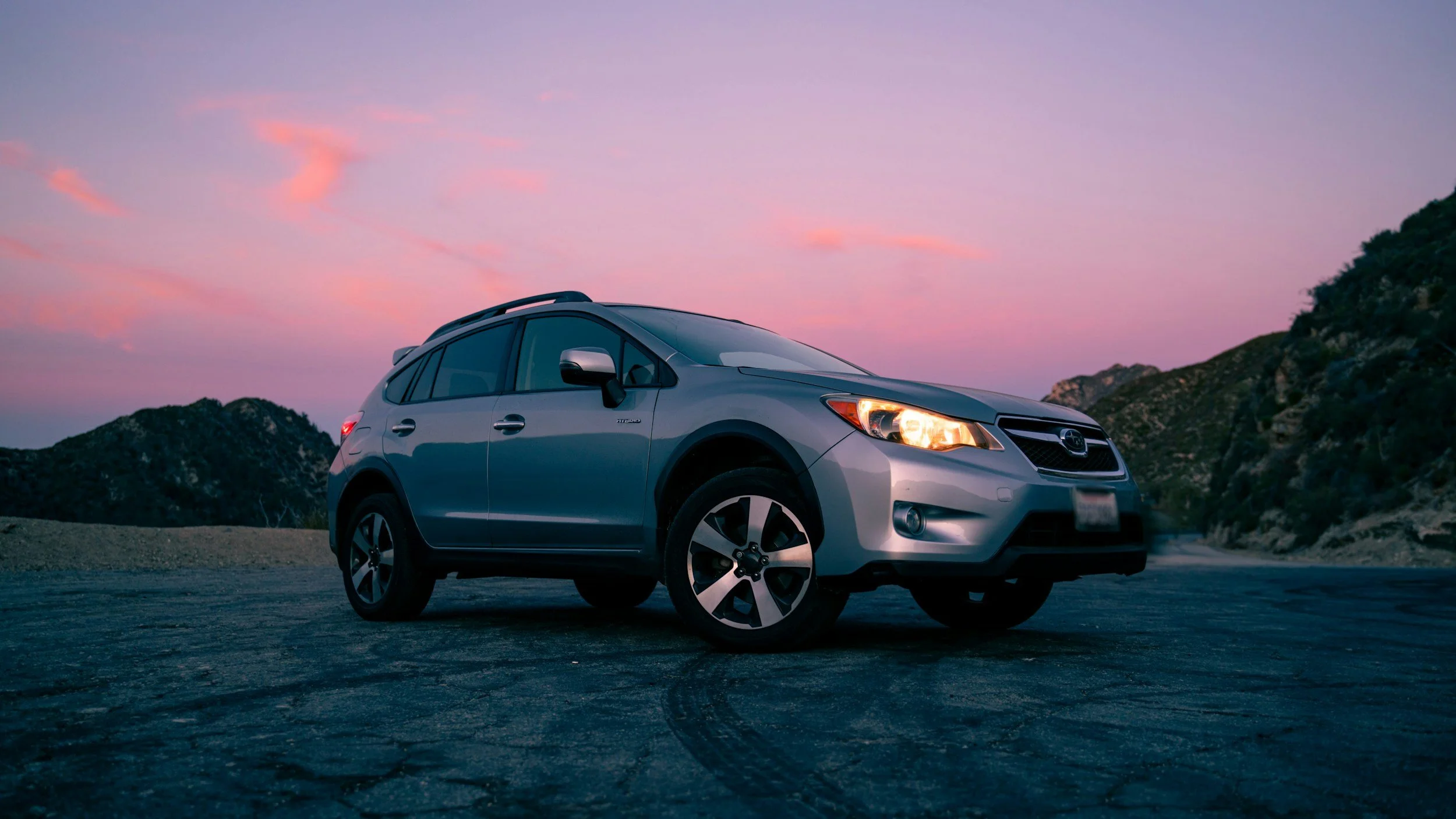
A long-distance move involves much more than packing boxes and transporting furniture. One of the biggest decisions you'll face is how to move your vehicle. Should you drive it yourself, hire an auto transport company, or ship it along with your household belongings?
The right choice depends on several factors, including the distance of your move, your budget, the condition of your vehicle, and your personal schedule. While driving your car may seem like the simplest option, it isn't always the most practical or cost-effective—especially for cross-country or international relocations.
This guide explains everything you need to know about moving your car during a long-distance move, including transportation options, costs, preparation tips, and common mistakes to avoid.
Why Planning Your Vehicle Move Is Important
Many people focus so much on moving their household items that they don't think about their vehicle until the last minute.
Without proper planning, you could encounter:
Delivery delays
Additional transportation costs
Scheduling conflicts
Insurance issues
Registration complications
Unnecessary wear and tear on your vehicle
Planning ahead gives you more transportation options and can often save you money.
Your Main Options for Moving Your Car
There are three primary ways to relocate your vehicle during a long-distance move.
Option 1: Drive Your Car Yourself
Driving is often the first option people consider.
Advantages
Complete control over your schedule
Immediate access to your vehicle
No shipping arrangements required
Opportunity to enjoy a road trip
Disadvantages
Fuel expenses
Hotel accommodations
Meals
Vehicle wear and tear
Additional mileage
Time away from work or family
Driving may be ideal for shorter long-distance moves, but it becomes more demanding as the distance increases.
Option 2: Hire an Auto Transport Company
Auto transport services specialize in moving vehicles safely over long distances.
Instead of driving your vehicle, it is loaded onto a carrier and delivered to your new location.
Benefits
No additional mileage
Less wear on your vehicle
Saves time
Reduces travel fatigue
Convenient for families moving multiple vehicles
This option is especially popular for moves across provinces, across the country, or into the United States.
Option 3: International Vehicle Shipping
If you're moving overseas, your vehicle may need to be transported by sea.
International shipping generally involves:
Customs documentation
Vehicle inspections
Import regulations
Shipping schedules
Port handling
Because every destination has different rules, it's important to understand the import requirements before deciding whether to ship your vehicle.
Should You Drive or Ship Your Car?
The answer depends on your situation.
Driving Makes Sense If:
Your destination is relatively close.
You enjoy road trips.
Your vehicle is reliable.
You have enough time.
You're moving on a limited budget.
Shipping Makes Sense If:
You're relocating across the country.
You're moving multiple vehicles.
You own a luxury or classic vehicle.
You want to avoid putting thousands of kilometres on your car.
You're flying to your new destination.
Open vs. Enclosed Auto Transport
If you hire a transport company, you'll usually choose between open and enclosed carriers.
Open Transport
This is the most common option.
Your vehicle travels on an open trailer alongside several other vehicles.
Advantages
Lower cost
Widely available
Faster scheduling
Best For
Daily drivers
Family vehicles
Standard SUVs
Pickup trucks
Enclosed Transport
Your vehicle travels inside a fully enclosed trailer.
Advantages
Better weather protection
Added security
Less exposure to road debris
Best For
Luxury vehicles
Exotic cars
Classic cars
Collector vehicles
High-value automobiles
Enclosed transport typically costs more but offers additional protection.
How Much Does It Cost to Move a Car?
Vehicle transportation costs depend on several factors, including:
Distance
Vehicle size and weight
Pickup and delivery locations
Time of year
Type of transport (open or enclosed)
Fuel prices
Seasonal demand
Larger vehicles generally cost more to transport than compact cars because they occupy more space and weigh more.
For an accurate estimate, request quotes from reputable auto transport providers and compare what's included in each price.
When Should You Book Auto Transport?
The earlier you book, the better.
Ideally, reserve transportation:
Four to eight weeks before your move
Even earlier during peak moving season
Early booking provides:
Better pricing
Greater scheduling flexibility
More transport options
Preparing Your Vehicle for Transport
Proper preparation helps prevent delays and protects your vehicle.
Wash Your Vehicle
Cleaning your car before pickup makes it easier to identify existing scratches, dents, or chips during the inspection.
Take clear photos from multiple angles before handing it over.
Remove Personal Belongings
Most transport companies recommend removing loose personal items from your vehicle.
Examples include:
Electronics
Sports equipment
Child seats (if requested)
Important documents
Valuables
Loose items can shift during transport and may not be covered if they're damaged or lost.
Check for Fluid Leaks
Inspect your vehicle for:
Oil leaks
Coolant leaks
Transmission fluid leaks
Mechanical issues should be addressed before transport whenever possible.
Reduce Fuel Level
Most carriers recommend keeping the fuel tank about one-quarter full.
This provides enough fuel for loading and unloading while reducing unnecessary weight.
Check Tire Pressure
Properly inflated tires help with loading and unloading.
Also ensure:
Battery is charged
Parking brake works properly
Keys are available
Inspect Your Vehicle Before Pickup
Both you and the transport driver should inspect the vehicle before loading.
Document:
Existing dents
Paint chips
Scratches
Windshield damage
The inspection report becomes an important record if you need to file a damage claim later.
Vehicle Insurance During Transport
Before shipping your vehicle, ask the transporter:
What insurance coverage is included?
What damage is covered?
Are there coverage limits?
How are claims handled?
What documentation is required?
It's also a good idea to check with your own auto insurance provider to understand whether your policy offers any protection during transport.
International Vehicle Shipping Considerations
Moving a vehicle internationally involves more planning than a domestic relocation.
Important considerations include:
Import duties and taxes
Emissions standards
Vehicle safety requirements
Registration rules
Customs inspections
In some cases, buying a vehicle after arriving may be more practical than shipping your current one, depending on the destination country's regulations and overall costs.
Common Mistakes to Avoid
Waiting Too Long to Book
Transport availability becomes limited during busy seasons.
Booking early provides more flexibility.
Choosing the Lowest Quote Without Research
As with household movers, unusually low auto transport quotes can sometimes lead to:
Hidden fees
Delays
Poor communication
Reduced service quality
Compare companies based on reputation, experience, insurance, and customer service—not price alone.
Leaving Valuables Inside the Vehicle
Never leave:
Cash
Jewelry
Laptops
Passports
Important documents
Carry these items with you instead.
Forgetting to Photograph the Vehicle
Take clear photos immediately before pickup.
Photographs help document the vehicle's condition should a claim become necessary.
Ignoring Delivery Windows
Auto transport delivery times are often estimates rather than exact appointment times.
Weather, traffic, road conditions, and carrier schedules can affect arrival dates.
Build some flexibility into your plans.
Frequently Asked Questions
Is driving my car cheaper than shipping it?
Not always. Once you factor in fuel, hotels, meals, vehicle wear, additional mileage, and time away from work, shipping can be a competitive option—especially for very long distances.
Can I pack boxes inside my car during transport?
Some transport companies allow a small amount of cargo, while others prohibit personal belongings altogether. Always confirm their policy before loading anything into the vehicle.
How long does vehicle transport take?
Delivery times vary depending on distance, weather, and route. Your transport company should provide an estimated pickup and delivery window before your move.
Should I choose open or enclosed transport?
Open transport is suitable for most everyday vehicles and is generally the more economical option. Enclosed transport offers additional protection and is often preferred for luxury, classic, or high-value vehicles.
What if my car is damaged during transport?
Inspect the vehicle carefully upon delivery. If you notice new damage, document it immediately, notify the driver, and follow the carrier's claims process as outlined in your transport agreement.
Tips for a Smooth Vehicle Move
To help ensure a successful experience:
Book transportation well in advance.
Research the transport company thoroughly.
Read your agreement carefully.
Prepare your vehicle before pickup.
Keep copies of all paperwork.
Photograph your vehicle before and after transport.
Stay in communication with your transporter throughout the process.
Good planning can make vehicle transportation just as straightforward as moving the rest of your household.
Final Thoughts
Moving your car during a long-distance relocation is an important part of the planning process. Whether you decide to drive it yourself, hire an auto transport company, or arrange international shipping, taking the time to evaluate your options can save you money, reduce stress, and help protect one of your most valuable assets.
The best choice depends on your destination, budget, timeline, and the type of vehicle you own. By booking early, preparing your vehicle properly, understanding your insurance coverage, and working with experienced professionals, you can ensure your car arrives safely and is ready for the next chapter of your journey.
Like every aspect of a successful move, careful planning is the key to a smooth and worry-free relocation.
