
Moving to Winnipeg
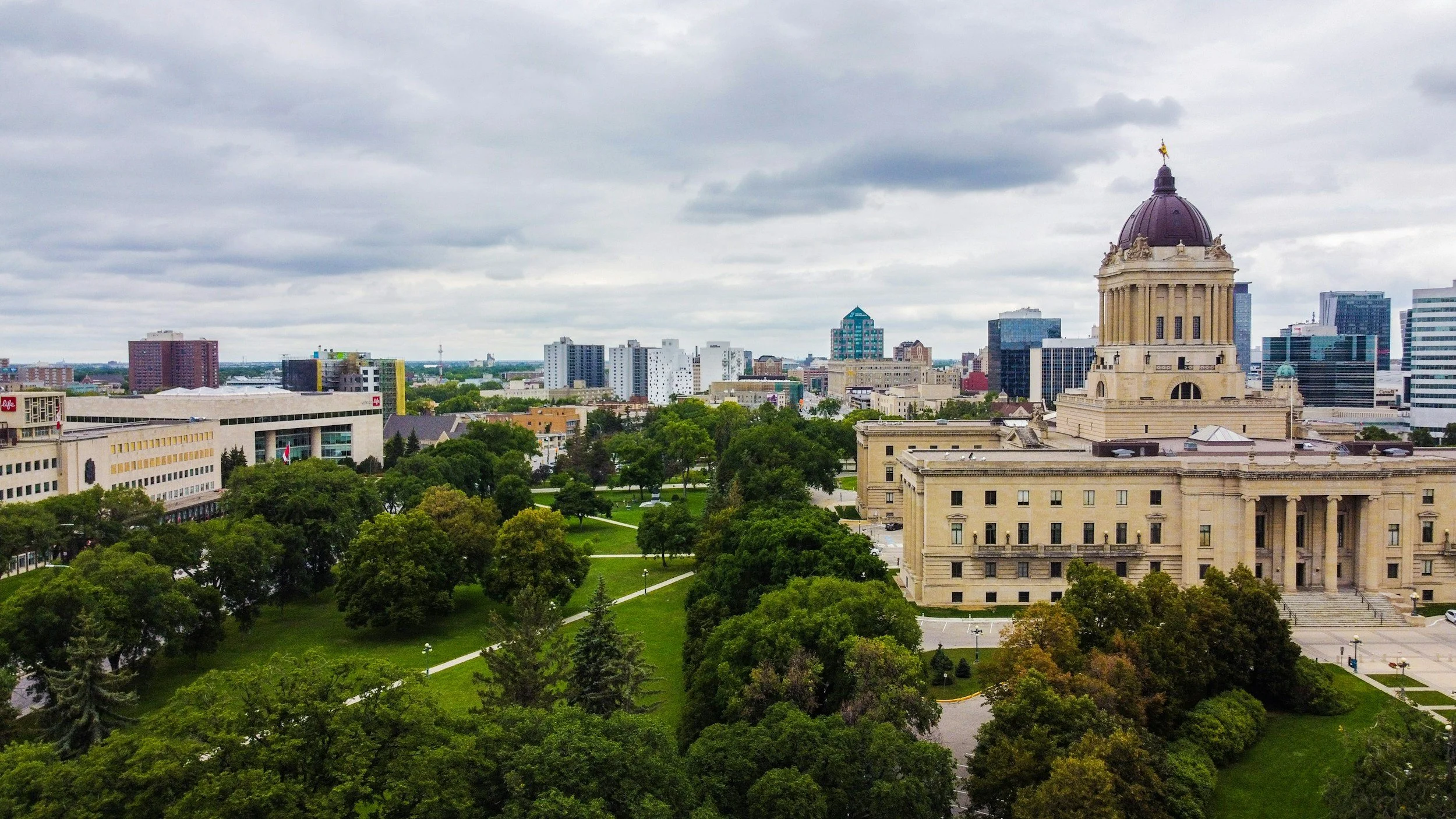
Moving to Winnipeg is often driven by opportunity: affordability, career growth, family roots, or lifestyle change. While Winnipeg may appear simpler than Canada’s largest cities, relocating here presents its own unique challenges. Climate extremes, sprawling neighborhoods, interprovincial distance, and housing variety require a different planning approach than moves to coastal or urban-core cities.
This guide is designed to give you a complete, realistic understanding of what it takes to move to Winnipeg successfully — whether you are relocating from another Manitoba city, from Ontario or British Columbia, from the United States, or from abroad.
This is not a surface-level checklist. It is a strategic framework built around how Winnipeg moves actually happen.
Who This Guide Is For
This guide is written for people who want to move to Winnipeg with clarity and confidence, not guesswork.
It applies to:
People moving to Winnipeg from Toronto, Vancouver, or Montreal
Canadians relocating from Calgary, Edmonton, or Saskatchewan
Families returning to Manitoba
Professionals relocating for work
People moving to Winnipeg from the United States
International newcomers settling in the Prairies
If your move involves distance, winter conditions, or downsizing or upsizing housing, this guide applies to you.
Section 1: Why Moving to Winnipeg Is Different From Other Canadian Cities
Climate, Geography, and Housing Shape Every Relocation
Winnipeg is often underestimated as a relocation destination. Its affordability and grid-style layout create the impression that moving here is straightforward. In reality, Winnipeg’s climate, geography, and housing stock create logistical challenges that require foresight and planning.
Understanding these differences early is the key to a smooth relocation.
Winnipeg’s Geographic Reality
Winnipeg is centrally located but geographically isolated.
This affects:
Long-distance transit times
Limited routing options
Weather exposure during transport
Unlike cities with multiple nearby hubs, most moves into Winnipeg are long-haul.
Climate Extremes and Moving Logistics
Winnipeg is known for:
Extremely cold winters
Hot, humid summers
Rapid seasonal transitions
Weather is not a minor variable — it directly affects safety, timing, and cost.
Winter in Winnipeg: A Major Planning Factor
Winter conditions include:
Heavy snow
Ice
Sub-zero temperatures
Reduced daylight
Moving during winter requires additional preparation and flexibility.
Housing Stock and Layout
Winnipeg features:
Detached homes
Bungalows
Duplexes
Low-rise apartments
Compared to Toronto or Montreal, elevators are less common, but access is generally better.
Sprawl and Neighborhood Distance
Winnipeg is spread out.
This means:
Longer driving distances
Car-dependent neighborhoods
Fewer walk-up challenges but more transit time
Distance within the city matters.
Why People Underestimate Winnipeg Moves
Common assumptions include:
“It’s cheaper, so it’s easier”
“The city is smaller”
“Winter won’t affect timing”
These assumptions cause planning gaps.
Why Winnipeg Rewards Good Planning
When planned properly, Winnipeg moves offer:
Predictable access
Fewer permit issues
More flexible scheduling
Preparation transforms complexity into simplicity.
Section 2: Types of Moves Involving Winnipeg
Local, Interprovincial, Cross-Border, and International Relocations
Before planning your move to Winnipeg, you must accurately define the type of relocation you are making. Treating different move types the same way leads to unrealistic timelines, inaccurate budgets, and unnecessary stress.
This section explains the major categories of Winnipeg moves and why classification matters.
Local Moves Within Winnipeg
Local moves include:
Neighborhood-to-neighborhood relocations
Moves within Winnipeg suburbs
Short-distance downsizing or upsizing
These moves are affected by:
Weather
House access
Seasonal demand
Moves to Winnipeg From Elsewhere in Manitoba
Common routes include:
Brandon to Winnipeg
Steinbach to Winnipeg
Rural Manitoba relocations
These often involve:
Farm or acreage properties
Larger volumes
Specialized items
Interprovincial Moves to Winnipeg
Popular interprovincial routes include:
Toronto to Winnipeg
Vancouver to Winnipeg
Calgary to Winnipeg
Edmonton to Winnipeg
These moves are long-distance and weather-sensitive.
Cross-Border Moves From the United States
US-to-Winnipeg moves require:
Customs documentation
Immigration status clarity
Border coordination
Even Midwest routes require compliance.
International Moves to Winnipeg
International relocations involve:
Ocean or air freight
Customs clearance
Temporary housing and storage
Winnipeg receives many newcomer families each year.
Why Correct Move Classification Matters
Each move type affects:
Cost
Transit time
Risk exposure
Required services
Misclassification causes problems later.
How We Classify Moves at Two Amigos
At Two Amigos, we begin every Winnipeg relocation by identifying:
Route distance
Seasonal risk
Property access
Volume and special items
Only then do we design the move.
Winnipeg Moving Services for Local and Long-Distance Moves – Two Amigos
If you are planning a move to Winnipeg and are unsure how complex your relocation really is, we can help. At Two Amigos, we design Winnipeg moves around real conditions — not assumptions — so your relocation is controlled, predictable, and stress-free.
Section 3: Moving to Winnipeg From Other Canadian Cities
Interprovincial Routes, Transit Reality, and Cost Considerations
Moving to Winnipeg from another Canadian city is rarely a simple point-to-point relocation. Because Winnipeg sits in the geographic center of the country but far from major population hubs, most interprovincial moves into Manitoba involve long driving distances, fewer routing options, and heavy exposure to seasonal weather.
This section breaks down the most common Canadian routes to Winnipeg and explains what movers actually experience on these corridors.
Moving to Winnipeg From Toronto
One of Canada’s Longest and Most Common Relocation Routes
Toronto to Winnipeg is one of the most frequent interprovincial moves into Manitoba. While both cities are major hubs, the distance between them is significant, and the route crosses multiple climate zones.
Distance and Transit Expectations
Toronto to Winnipeg is approximately 2,200 kilometers. Transit typically takes:
Several days of driving time
Buffer days for weather or mechanical delays
This is not an overnight move.
Cost Factors for Toronto to Winnipeg Moves
Pricing depends on:
Volume of goods
Packing requirements
Seasonal timing
Storage needs
Toronto to Winnipeg is usually priced as a dedicated long-distance move.
Winter Risk on the Ontario–Manitoba Corridor
Winter conditions along this route include:
Snowstorms
Ice-covered highways
Limited alternate routes
Winter planning requires extra flexibility.
Moving to Winnipeg From Vancouver
A Cross-Country Prairie Relocation
Vancouver to Winnipeg moves are long-distance relocations that cross mountains, plains, and multiple weather systems.
Transit Time Reality
Expect:
7–14 days of transit
Flexible delivery windows
Exact delivery dates are uncommon.
Cost Reality for Vancouver to Winnipeg Moves
Costs are driven by:
Distance
Fuel
Mountain transit risk
This is one of the more expensive domestic routes.
Moving to Winnipeg From Calgary and Edmonton
Prairie-to-prairie moves are common and slightly more predictable.
Calgary to Winnipeg
Calgary routes involve:
Moderate distance
Weather exposure
Fewer access challenges
Edmonton to Winnipeg
Edmonton routes are longer and more weather-sensitive.
Moving to Winnipeg From Saskatchewan Cities
Moves from Regina or Saskatoon are shorter but still impacted by:
Rural access
Weather
Seasonal road conditions
Storage and Staging for Interprovincial Moves
Many interprovincial moves require:
Short-term storage
Staged delivery
Especially when housing is not ready upon arrival.
Delivery Challenges in Winnipeg
Delivery into Winnipeg is generally easier than major metro cities but still affected by:
Winter snowbanks
Narrow residential streets
Driveway access
Planning remains essential.
How We Manage Interprovincial Moves at Two Amigos
At Two Amigos, we plan interprovincial relocations to Winnipeg with distance, weather, and access in mind. We account for prairie realities and build buffer into every schedule.
Moving to Winnipeg From Other Provinces – Two Amigos
If you are moving to Winnipeg from Toronto, Vancouver, Alberta, or anywhere else in Canada, we can help you plan a relocation that respects distance, seasonality, and cost. At Two Amigos, we structure interprovincial moves so they arrive smoothly — even when conditions change.
Section 4: Moving to Winnipeg From the United States
Cross-Border Compliance, Prairie Routes, and Customs Reality
Moving to Winnipeg from the United States is more common than many people expect. Winnipeg attracts professionals, returning Canadians, students, and families from the Midwest and beyond due to affordability, work opportunities, and strong community networks. While the geographic distance may be shorter than moves to Toronto or Vancouver, cross-border relocations to Winnipeg still require careful coordination.
This section explains how US-to-Winnipeg moves actually work, what paperwork is required, and where most cross-border moves encounter trouble.
Why US-to-Winnipeg Moves Are Often Underestimated
Many people assume that because Winnipeg is close to the US border, moving there will be simple. In practice, the challenge is not distance but compliance.
Key complexities include:
Immigration status verification
Customs documentation
Border inspection delays
Prairie weather exposure during transit
Crossing the border is a process, not a formality.
Immigration Status Must Be Settled First
Before any shipment moves, immigration status must be finalized.
Common scenarios include:
Canadian citizens returning from the US
Permanent residents relocating
Work permit holders
Study permit holders
Your status determines:
Duty exemptions
Required paperwork
Delivery timing
Goods may not clear customs without confirmed status.
Canadian Customs Rules for Household Goods
Canada allows duty-free import of used household goods if:
Items were owned and used prior to import
Goods are for personal use
Inventories are accurate and complete
New or high-value items may be assessed duties.
Importance of a Detailed Inventory
A proper inventory should include:
Clear item descriptions
Quantities
Estimated values
Vague listings increase inspection risk and delays.
Common US Routes Into Winnipeg
Moving to Winnipeg From Minneapolis–St. Paul
This is one of the most common US-to-Winnipeg routes.
Challenges include:
Busy border crossings
Weather volatility
Commercial inspection queues
Transit is short, but inspections are not predictable.
Moving to Winnipeg From Chicago and the Midwest
Midwest routes involve:
Longer driving distances
Multiple state crossings
Seasonal weather risk
Scheduling buffers are essential.
Moving to Winnipeg From the Western United States
Western routes involve:
Long-haul transit
Mountain and prairie weather systems
These moves resemble cross-country relocations.
Border Crossing Locations and Timing
Common border crossings into Manitoba include:
Emerson–Pembina
Factors affecting clearance time:
Time of day
Volume
Random inspection selection
Delays are normal and should be expected.
What You Can and Cannot Bring Into Canada
Restricted or regulated items include:
Firearms and weapons
Alcohol beyond personal limits
Certain food products
Plants and soil
Misunderstanding restrictions causes delays.
Vehicle Import Considerations
Importing a vehicle requires:
Compliance with Canadian standards
Documentation
Possible modifications
Many vehicles require inspection.
Weather and Prairie Border Reality
Border areas experience:
Extreme cold
High winds
Snow drifts
Winter crossings require contingency planning.
Delivery Challenges After Crossing Into Winnipeg
Once across the border, delivery challenges include:
Snow-packed residential streets
Limited daylight in winter
Large detached homes with long driveways
Professional coordination matters.
Why DIY Cross-Border Moves Often Fail
Self-managed moves fail due to:
Paperwork errors
Insurance gaps
Border refusals
Professional handling reduces risk.
Cross-Border Moving to Winnipeg – Two Amigos
If you are moving to Winnipeg from the United States, we can help you navigate customs, border timing, and prairie delivery conditions with confidence. At Two Amigos, we coordinate cross-border relocations as a single process, so your move continues smoothly from pickup to final delivery.
Section 5: Winnipeg Neighborhoods, Housing Types, and Moving Logistics
How Location, Property Style, and Access Shape Your Move
Winnipeg’s neighborhoods are diverse in layout, housing stock, and access. Unlike dense coastal cities, Winnipeg is largely composed of low-rise housing and detached homes. While this often simplifies moving access, it introduces other considerations such as longer driveways, larger volumes, garages, basements, and winter access challenges.
Choosing the right neighborhood and understanding property logistics before you move can dramatically reduce cost and stress.
Winnipeg’s Housing Landscape at a Glance
Winnipeg is dominated by:
Detached single-family homes
Bungalows
Duplexes and triplexes
Low-rise apartments and condos
Elevator buildings are relatively uncommon.
Why Houses Change the Nature of Winnipeg Moves
Many Winnipeg homes include:
Full basements
Garages
Yards and sheds
This increases volume and labor time compared to apartment moves.
Driveways, Alleys, and Rear Access
Many Winnipeg neighborhoods use:
Rear lanes and alleys
Detached garages
Access may not be from the front of the property.
Downtown Winnipeg: Condos and Controlled Access
Downtown Winnipeg features:
Modern condos
Office-to-residential conversions
Moving challenges include:
Elevator bookings
Parking restrictions
Time windows
River Heights and Tuxedo: Larger Homes, Heavier Moves
These established neighborhoods often involve:
Large homes
Heavy furniture
Long carry distances
Moves here require planning and manpower.
St. Vital and St. Boniface: Family-Oriented Areas
These neighborhoods offer:
Suburban layouts
Easier access
Larger volumes
Language and cultural considerations may apply in St. Boniface.
North End and Older Neighborhoods
Older areas may include:
Narrow streets
Aging infrastructure
Limited parking
Planning access remains important.
New Developments and Suburban Growth Areas
Newer areas like:
Bridgwater
Sage Creek
Offer:
Wide streets
Easy access
Larger homes
But volume increases costs.
Winter Access Challenges by Neighborhood
Winter affects:
Driveway clearing
Alley access
Parking availability
Snowbanks can restrict truck positioning.
Choosing Housing With Moving Logistics in Mind
Before committing to a property, consider:
Basement access
Garage contents
Stair count
Driveway length
Logistics matter as much as layout.
Winnipeg Apartment Moves vs House Moves
Apartment moves involve:
Smaller volumes
Less exterior exposure
House moves involve:
More labor
Outdoor logistics
Each requires different planning.
Winnipeg Residential Moving Services – Two Amigos
If you are moving into a house, condo, or apartment in Winnipeg, we can help you plan around access, volume, and seasonal challenges. At Two Amigos, we design Winnipeg moves that fit the property — not the other way around.
Section 6: Best and Worst Times of Year to Move to Winnipeg
Weather, Pricing, Safety, and Seasonal Strategy
Winnipeg’s climate plays a larger role in moving logistics than in almost any other major Canadian city. With long winters, extreme cold, and short transitional seasons, timing your move correctly can significantly affect cost, safety, and overall experience.
This section explains how each season impacts moves to Winnipeg and how to choose the right window based on your priorities.
Why Seasonality Matters More in Winnipeg
Winnipeg experiences:
Extremely cold winters
Heavy snowfall
Short summers with high demand
Ignoring seasonality can lead to delays, damage, or inflated costs.
Winter Moves in Winnipeg (November to March)
Winter is the most challenging season to move to Winnipeg.
Pros of Winter Moves
Lower demand
Potentially lower base rates
Easier scheduling
Cons of Winter Moves
Extreme cold affecting crews and equipment
Snow and ice hazards
Slower loading and unloading
Higher risk of delays
Temperatures can drop below -30°C.
Spring Moves (April to May)
Spring offers a transitional period.
Advantages
Melting snow
Moderate demand
Improving conditions
Challenges
Slush and mud
Unpredictable weather
Limited availability
Summer Moves (June to August)
Summer is peak moving season in Winnipeg.
Advantages
Best weather conditions
Easier driving
Faster loading times
Disadvantages
Highest demand
Higher pricing
Limited availability
Booking early is essential.
Fall Moves (September to October)
Fall is often ideal.
Advantages
Cooler temperatures
Stable weather
Lower demand than summer
Disadvantages
Short window before winter
Early snowfall risk
Choosing the Right Season Based on Your Situation
Your ideal season depends on:
Budget
Flexibility
Volume
Origin distance
Long-distance moves benefit from stable weather.
Cross-Border and Interprovincial Seasonality
US and long-haul moves should avoid:
Mid-winter crossings
Peak summer congestion
Balanced timing reduces risk.
Storage and Seasonal Flexibility
Seasonal timing sometimes requires:
Temporary storage
Staged deliveries
This is common in winter and spring.
How We Plan Seasonal Moves at Two Amigos
At Two Amigos, we build season-specific plans for Winnipeg moves. We adjust staffing, equipment, and scheduling to match conditions, ensuring safety and reliability regardless of the month.
Best Time to Move to Winnipeg – Two Amigos
If you’re deciding when to move to Winnipeg, we can help you choose a season that balances cost, safety, and timing. At Two Amigos, we plan moves that respect Winnipeg’s climate instead of fighting it.
Section 7: Cost of Moving to Winnipeg
Local, Interprovincial, and Cross-Border Pricing Explained in Detail
Understanding the cost of moving to Winnipeg requires more than looking at average prices. Winnipeg’s geographic position, climate, housing styles, and distance from other major cities all influence pricing in ways that surprise many movers. Costs vary significantly depending on where you are moving from, the time of year, and the type of property you are moving into.
This section breaks down moving costs to Winnipeg in a realistic, transparent way so you can plan accurately.
What Determines the Cost of Moving to Winnipeg
Several core factors drive pricing:
Distance of the move
Volume of household goods
Type of residence (house vs apartment)
Time of year
Packing requirements
Storage needs
Border or customs requirements
Winnipeg moves often involve longer distances than expected, which increases transportation costs.
Local Moving Costs Within Winnipeg
Local moves within Winnipeg are generally more affordable than in major coastal cities, but costs still vary.
Typical Local Move Scenarios
Apartment to apartment
House to house
Condo moves with elevator access
Local moves are usually charged hourly.
What Increases Local Moving Costs
Large basements
Garages and sheds
Long carry distances
Winter conditions
Multiple flights of stairs
Even local moves can become complex due to volume.
Cost of Moving to Winnipeg From Other Manitoba Cities
Short-distance provincial moves are lower cost but still affected by:
Rural access
Road conditions
Seasonal weather
These moves are typically priced as short-haul relocations.
Cost of Moving to Winnipeg From Toronto
Toronto to Winnipeg is one of the longest common domestic routes.
Cost drivers include:
Distance (over 2,000 km)
Fuel costs
Labor days
Potential storage
This move is often priced as a dedicated long-distance move rather than hourly.
Cost of Moving to Winnipeg From Vancouver
Vancouver to Winnipeg is a cross-country relocation.
Major cost contributors:
Mountain travel
Fuel surcharges
Long transit times
Weather exposure
This is one of the higher-cost domestic routes into Winnipeg.
Cost of Moving to Winnipeg From Calgary and Edmonton
Moves from Alberta are more predictable.
Costs depend on:
Exact city
Volume
Timing
Prairie routes reduce some complexity but not distance.
Cost of Moving to Winnipeg From Montreal
Montreal to Winnipeg moves combine:
Long distance
Multiple provincial crossings
Variable weather
These are priced similarly to Toronto routes.
Cost of Moving to Winnipeg From the United States
US-to-Winnipeg costs depend on:
Origin city
Border clearance complexity
Documentation
Customs inspections
Moves from nearby Midwest cities are more affordable than coastal US moves.
Additional Costs Many Movers Forget
Common overlooked expenses include:
Packing materials
Temporary storage
Insurance coverage
Elevator bookings
Parking permits
These can add significantly to total cost.
Winter vs Summer Pricing Differences
Seasonality affects cost.
Summer rates are higher due to demand
Winter may offer lower base pricing but higher risk
The cheapest move is not always the best move.
Cost Control Strategies for Moving to Winnipeg
Ways to manage cost include:
Decluttering before the move
Booking early
Avoiding peak season
Flexible delivery windows
Planning reduces surprises.
Winnipeg Moving Costs – Two Amigos
If you are budgeting for a move to Winnipeg, we can help you understand the real cost based on your origin, volume, and timing. At Two Amigos, we provide clear, honest pricing so you can plan with confidence.
Section 8: Jobs, Economy, and Why People Are Moving to Winnipeg
Employment, Cost of Living, and Long-Term Opportunity
People rarely move to Winnipeg on impulse. Most relocations are driven by employment, affordability, family connections, or long-term stability. While Winnipeg does not have the global profile of Toronto or Vancouver, it offers a resilient economy, lower cost of living, and steady job demand across several key sectors.
This section explains why Winnipeg continues to attract new residents and how employment and affordability influence relocation decisions.
Winnipeg’s Economic Overview
Winnipeg’s economy is diverse and less volatile than many larger cities.
Key characteristics include:
Stable employment base
Strong public sector presence
Lower exposure to boom-and-bust cycles
This stability appeals to families and professionals.
Major Employment Sectors in Winnipeg
Healthcare and Education
Winnipeg is a regional hub for:
Hospitals
Research institutions
Universities and colleges
Healthcare workers frequently relocate to Winnipeg.
Manufacturing and Transportation
Due to its central location, Winnipeg plays a major role in:
Manufacturing
Warehousing
Logistics
Transportation jobs are common.
Finance, Insurance, and Administration
Winnipeg hosts:
Major insurance firms
Financial service centers
These roles attract interprovincial movers.
Technology and Digital Services
While smaller than Toronto or Vancouver, Winnipeg’s tech sector is growing, particularly in:
Software
Data services
Digital media
Remote work has increased Winnipeg’s appeal.
Cost of Living Advantage
One of the strongest drivers for moving to Winnipeg is affordability.
Compared to major cities:
Housing costs are significantly lower
Daily expenses are more manageable
Home ownership is more attainable
This shifts long-term financial stability.
Housing Affordability and Lifestyle Impact
Lower housing costs allow:
Larger living spaces
Shorter commutes
Higher quality of life
This is especially attractive to families.
Migration Trends Into Winnipeg
Winnipeg attracts:
Returning Manitobans
New immigrants
Interprovincial movers
Growth is steady rather than explosive.
Why Families Choose Winnipeg
Families are drawn by:
Affordable housing
Access to education
Community-oriented neighborhoods
Moves are often long-term.
Why Professionals Relocate to Winnipeg
Professionals move for:
Job stability
Career advancement
Reduced financial pressure
Winnipeg offers balance.
How Employment Impacts Moving Timelines
Job start dates affect:
Seasonal timing
Delivery flexibility
Temporary housing needs
Employment-driven moves require precision.
Relocation Planning for Career Moves – Two Amigos
If your move to Winnipeg is tied to a new job or career transition, we can help you align your moving timeline with employment requirements. At Two Amigos, we understand how job-driven relocations work and plan moves accordingly.
Section 9: Schools, Education, and Moving With Children to Winnipeg
Public, Private, and Post-Secondary Education Explained
For families moving to Winnipeg, education is often one of the most important factors in choosing where to live. Winnipeg offers a wide range of educational options, from public and private schools to post-secondary institutions, making it an attractive destination for families seeking stability, affordability, and access to quality education.
This section explores Winnipeg’s education landscape and how it influences relocation decisions.
Overview of Winnipeg’s Education System
Education in Winnipeg is overseen by:
Public school divisions
Private and independent schools
Francophone school boards
Options exist for diverse needs.
Public Schools in Winnipeg
Public schools are widely accessible and vary by neighborhood.
Key features include:
Strong academic standards
Specialized programs
Community involvement
School catchment areas influence housing choices.
French Immersion and Francophone Education
Winnipeg offers:
French immersion programs
Francophone school divisions
These options attract bilingual families.
Private and Independent Schools
Private schools provide:
Smaller class sizes
Specialized curricula
Religious or alternative education
Costs vary widely.
Moving to Winnipeg With Young Children
Families with young children prioritize:
Safe neighborhoods
Proximity to schools
Access to childcare
These factors influence moving logistics.
High Schools and Specialized Programs
Winnipeg offers:
Academic-focused high schools
Arts and technical programs
Early planning helps placement.
Post-Secondary Education in Winnipeg
Winnipeg is home to:
Universities
Colleges
Technical institutes
Students often relocate independently.
Student Moves to Winnipeg
Student moves are typically:
Smaller volume
Time-sensitive
Budget-conscious
Scheduling aligns with academic calendars.
Planning a Family Move Around School Schedules
School calendars affect:
Ideal move dates
Temporary housing needs
Registration deadlines
Summer moves are common.
Housing Decisions Based on Education
Families often choose neighborhoods based on:
School quality
Commute times
Community resources
Education shapes relocation strategy.
Family Moving Services to Winnipeg – Two Amigos
If you are moving to Winnipeg with children, we can help you plan a relocation that aligns with school schedules and family needs. At Two Amigos, we understand how education decisions shape moves and plan accordingly.
Section 10: Healthcare, Services, and Quality of Life in Winnipeg
What New Residents Need to Know Before Moving
Beyond housing and employment, quality of life plays a major role in relocation decisions. Winnipeg offers a comprehensive healthcare system, strong public services, and a slower pace of life compared to larger metropolitan areas. For many movers, these factors outweigh climate challenges and distance from major urban centers.
This section explains what daily life in Winnipeg actually looks like once the move is complete.
Healthcare Access in Winnipeg
Winnipeg is the healthcare hub for Manitoba.
Key features include:
Major hospitals
Specialized care facilities
Regional referral centers
Healthcare access is generally strong.
Registering for Manitoba Health
New residents must:
Apply for Manitoba Health coverage
Provide proof of residency
Coverage is not immediate for all movers.
Finding Family Doctors and Specialists
Challenges include:
Physician shortages
Wait times for non-emergency care
Early registration is important.
Emergency and Urgent Care
Winnipeg offers:
Emergency departments
Urgent care clinics
Emergency access is reliable.
Public Transportation and Commuting
Winnipeg’s public transit system is:
Bus-based
More limited than major cities
Many residents rely on vehicles.
Driving and Vehicle Ownership
Car ownership is common due to:
Urban sprawl
Weather conditions
Limited transit coverage
Winter driving preparation is essential.
Public Services and Infrastructure
Winnipeg provides:
Libraries
Recreation centers
Community programs
Public services are accessible and affordable.
Winter Preparedness and Lifestyle Adjustments
Winter affects:
Daily routines
Transportation
Moving logistics
Preparation improves quality of life.
Recreation, Culture, and Community
Winnipeg offers:
Arts and culture
Festivals
Outdoor recreation
Community engagement is strong.
Safety and Neighborhood Considerations
Safety varies by area.
New residents should:
Research neighborhoods
Balance affordability with location
Local knowledge helps.
Quality of Life Comparison
Winnipeg offers:
Lower stress
Lower costs
Slower pace
Lifestyle trade-offs exist but appeal to many.
Relocating for Quality of Life – Two Amigos
If your move to Winnipeg is driven by lifestyle and quality-of-life goals, we can help you plan a transition that supports long-term comfort. At Two Amigos, we help movers settle in smoothly so they can focus on living, not logistics.
Section 11: International Moving to Winnipeg
Immigration, Customs, Shipping Methods, and Prairie-Specific Reality
Moving to Winnipeg from another country is a fundamentally different process than moving within Canada. While Winnipeg may appear less complex than Toronto or Vancouver, international relocations into Manitoba still involve federal customs rules, immigration compliance, and long inland transportation routes after arrival in Canada.
This section explains how international moves to Winnipeg actually work, what international movers must prepare for, and where most people encounter unexpected challenges.
Why International Moves to Winnipeg Are Often Misjudged
Many international movers assume Winnipeg will be simpler because it is smaller or less congested than major ports. In reality, international moves to Winnipeg add an extra inland transportation layer that coastal cities do not.
Key challenges include:
Port-to-inland transit coordination
Customs clearance timing
Storage needs after arrival
Weather exposure during inland delivery
Planning must account for both international and domestic logistics.
Immigration Status Comes First
Before any international shipment can be released, immigration status must be confirmed.
Common immigration categories include:
Permanent residents
Work permit holders
Study permit holders
Returning Canadian citizens
Your status affects:
Duty exemptions
Required documentation
When goods can be delivered
Without confirmed status, shipments may be held in bonded storage.
Canadian Customs Rules for International Household Goods
Canada allows duty-free import of used household goods under specific conditions:
Items must have been owned and used prior to arrival
Goods must be for personal use
Inventory documentation must be accurate
New items, high-value goods, or commercial items may be taxed.
The Importance of a Detailed Inventory for International Moves
International inventories must include:
Clear item descriptions
Quantities
Estimated values
High-value item declarations
Vague inventories increase inspection risk and clearance delays.
Shipping Methods for International Moves to Winnipeg
Ocean Freight (Sea Containers)
Most international moves begin with ocean freight.
Key considerations:
Shipments arrive at Canadian ports
Inland transport to Winnipeg follows
Transit times are extended
Ocean freight is cost-effective but slow.
Air Freight for Priority Shipments
Air freight is used for:
Small shipments
Essential items
Time-sensitive relocations
Costs are significantly higher.
Shared Containers and Groupage
Shared container options reduce cost but:
Increase transit time
Reduce scheduling predictability
This option suits flexible timelines.
Port of Entry and Inland Transport to Winnipeg
International shipments typically arrive at:
Vancouver
Montreal
Halifax
From there, goods travel inland by rail or truck to Winnipeg.
This additional leg increases:
Transit time
Handling steps
Weather exposure
Typical International Transit Timelines to Winnipeg
Approximate timelines:
Europe to Winnipeg: 8–12 weeks
UK to Winnipeg: 7–11 weeks
Asia to Winnipeg: 10–14 weeks
These estimates exclude customs delays.
Storage Needs for International Movers
Many international movers require:
Temporary storage
Staged delivery
This is common when housing is not ready.
What Causes Delays in International Moves to Winnipeg
Common causes include:
Incomplete paperwork
Inaccurate inventories
Immigration status delays
Port congestion
Winter weather during inland transit
Delays compound quickly when multiple systems interact.
Insurance for International Moves
International insurance should cover:
Ocean transit
Inland transportation
Storage periods
Basic coverage is often insufficient for long routes.
Delivering International Shipments in Winnipeg
Final delivery challenges include:
Winter access
Driveway clearance
Large homes with basements
Inland delivery requires local expertise.
International Moving to Winnipeg – Two Amigos
If you are moving to Winnipeg from another country, we can help you coordinate customs, shipping, and inland delivery with clarity and structure. At Two Amigos, we understand the full international pipeline and manage your move from port to prairie without unnecessary delays.
Section 12: How to Move to Winnipeg Successfully Without Regret
Final Planning Framework, Mistakes to Avoid, and Long-Term Success Strategy
Moving to Winnipeg is not just about transporting belongings from one place to another. It is a life transition that requires realistic expectations, strategic planning, and an understanding of how Winnipeg’s geography, climate, and lifestyle shape everyday living. Those who succeed are not the ones who rush the process, but those who prepare intentionally.
This final section summarizes what truly matters when moving to Winnipeg and how to avoid the most common regrets.
The Most Common Mistakes People Make When Moving to Winnipeg
Underestimating Distance and Transit Time
Many movers underestimate how far Winnipeg is from other major cities. Long-distance and cross-border moves require buffer time, not tight schedules.
Ignoring Seasonal Risk
Winter is not just inconvenient in Winnipeg — it can halt logistics. Failing to plan around winter conditions leads to delays and added costs.
Misjudging Housing Size and Volume
Winnipeg homes are often larger than expected. Basements, garages, and yards increase moving volume and labor requirements.
Overlooking Storage Needs
Many moves require temporary storage, especially:
During winter
When closing dates do not align
For international arrivals
Failing to plan for storage creates stress.
Choosing Price Over Planning
Low quotes often exclude:
Weather buffers
Proper insurance
Experienced crews
Cost-cutting increases risk.
A Step-by-Step Framework for Moving to Winnipeg
Step 1: Confirm Your Why
Clarify whether your move is driven by:
Employment
Family
Lifestyle
Education
This shapes timing and priorities.
Step 2: Choose Timing Strategically
Balance:
Weather
Cost
Personal deadlines
Avoid emotional decision-making.
Step 3: Understand Your Route
Whether local, interprovincial, cross-border, or international, each route has unique risks and requirements.
Step 4: Reduce Volume Early
Decluttering before the move reduces:
Cost
Labor
Transit risk
Less volume equals more control.
Step 5: Prepare for Climate
Plan for:
Winter access
Snow removal
Weather delays
Preparation prevents chaos.
Final Checklist for Moving to Winnipeg
Before moving, ensure:
Housing is secured
Documentation is complete
Storage is arranged if needed
Insurance is confirmed
Timing buffers are built in
Checklists prevent oversight.
What Long-Term Success in Winnipeg Looks Like
Successful movers report:
Lower financial pressure
Improved work-life balance
Strong community ties
Winnipeg rewards patience and preparation.
When Winnipeg Is the Right Choice
Winnipeg is ideal if you value:
Affordability
Stability
Space
Community
It may not suit those seeking constant urban stimulation.
Why Professional Planning Matters
Complex moves require:
Experience
Local knowledge
Flexibility
Professional planning reduces uncertainty.
Moving to Winnipeg With Confidence – Two Amigos
If you are planning a move to Winnipeg — whether local, interprovincial, cross-border, or international — we can help you execute it with clarity and confidence. At Two Amigos, we plan moves with realism, transparency, and respect for Winnipeg’s unique challenges, so your relocation supports long-term success rather than regret.
Final Word
Winnipeg is not a city that sells itself loudly, but it rewards those who arrive prepared. With thoughtful planning, realistic expectations, and the right support, moving to Winnipeg can be a decision that improves both your finances and your quality of life for years to come.
