
Moving to Vancouver
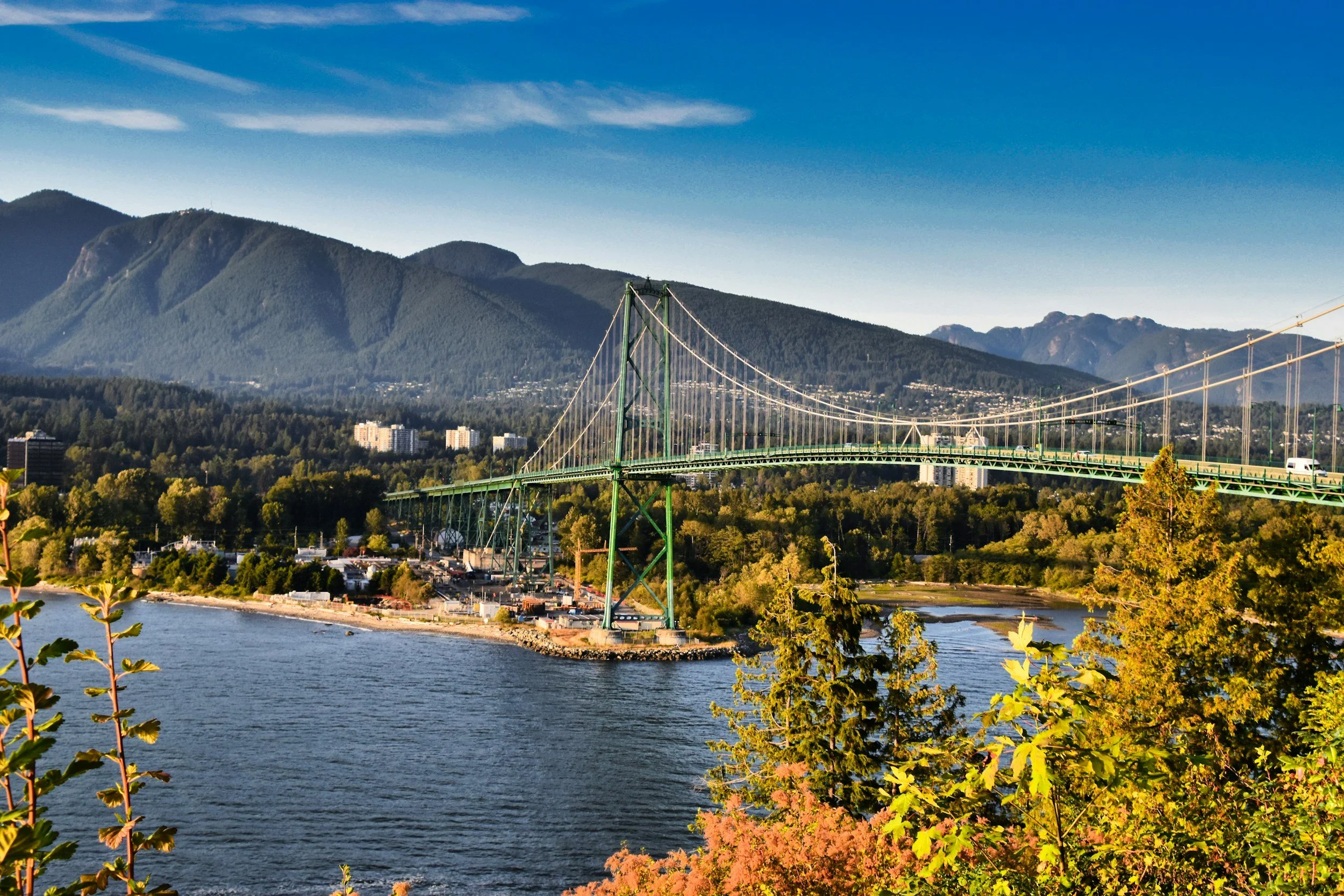
Moving to Vancouver is fundamentally different from moving to any other major Canadian city. Geography, housing density, port infrastructure, climate, and municipal regulation combine to create a relocation environment that rewards planning and punishes assumptions. People underestimate Vancouver because it feels relaxed on the surface. Logistically, it is one of the most constrained cities in North America.
This guide is designed to give you a realistic understanding of what it takes to move to Vancouver successfully, whether you are relocating from another Canadian city, moving across North America, or planning an international move from the UK.
This is not a checklist. It is a decision framework built on how moves actually unfold.
Who This Guide Is For
This guide is written for people who are serious about moving to Vancouver and want to avoid the mistakes that cost time, money, and control.
It applies to:
People moving to Vancouver from Toronto, Calgary, or Montreal
Canadians relocating from Ontario or the Prairies to British Columbia
People moving to Vancouver from the US
International relocations, including moving to Vancouver from the UK
Families, professionals, and downsizers planning long-distance moves
If your move involves distance, strata buildings, tight timelines, or border crossings, this guide is for you.
Section 1: Why Moving to Vancouver Is Uniquely Complex
Geography, Housing Density, and Regulation Shape Every Move
Vancouver is not just another large Canadian city. It is geographically constrained by water, mountains, and protected land. This creates density, limited access routes, and some of the strictest building and parking regulations in the country.
Understanding these constraints early prevents most moving disasters.
Vancouver’s Geography Changes Logistics
Vancouver sits between:
The Pacific Ocean
The North Shore Mountains
The Fraser River
There are limited major routes in and out of the city. Traffic congestion is not optional; it is structural.
This affects:
Arrival times
Truck routing
Labor efficiency
Delivery windows
A move across Vancouver can take longer than a move between cities elsewhere in Canada.
High-Rise and Strata Living Dominates Vancouver
Vancouver has an extremely high concentration of strata-managed buildings.
This means:
Elevator bookings are mandatory
Insurance documentation is required
Moving hours are restricted
Damage deposits are common
Strata councils enforce rules strictly. Non-compliance often results in denied access.
Vancouver Is a Port City — and That Matters
Vancouver’s port infrastructure affects:
International shipping
Container availability
Customs inspection scheduling
For international moves, including moves from the UK, port congestion and timing are critical variables.
Weather Is a Logistics Factor, Not a Footnote
Vancouver’s climate is mild, but persistent rain affects:
Loading safety
Packing materials
Transit efficiency
Winter rarely brings snow like Toronto, but rain creates its own risks.
Why Vancouver Moves Fail More Quietly
Unlike cities where problems explode immediately, Vancouver move failures often show up as:
Slow loading
Missed strata windows
Unexpected storage
Gradual cost creep
These failures are subtle but expensive.
Section 2: Understanding the Types of Moves Involving Vancouver
Local, Long-Distance, Cross-Border, and International
Before planning a move to Vancouver, it is essential to understand what type of move you are actually making. Misclassifying your move leads to inaccurate estimates and unrealistic expectations.
Local Moves Within Vancouver and the Lower Mainland
Local moves include:
Vancouver proper
Burnaby
Richmond
North Vancouver
West Vancouver
New Westminster
Even short-distance moves can be complex due to:
Strata rules
Parking limitations
Vertical living
Distance matters less than access.
Long-Distance Moves Within Canada
Common long-distance routes include:
Toronto to Vancouver
Calgary to Vancouver
Edmonton to Vancouver
Montreal to Vancouver
These routes introduce:
Multi-day transit
Mountain passes
Weather variability
Fuel exposure
Toronto to Vancouver is one of the longest and most expensive domestic routes in Canada.
Cross-Border Moves From the United States
Moves to Vancouver from the US involve:
Customs documentation
Immigration status verification
Export and import compliance
West Coast US routes such as:
Seattle to Vancouver
Los Angeles to Vancouver
San Francisco to Vancouver
Have their own border dynamics.
International Moves to Vancouver
Including Moving to Vancouver From the UK
International moves are an entirely separate category.
They involve:
Ocean freight or air freight
Container loading
UK export requirements
Canadian import compliance
Port coordination in Vancouver
This will be covered in full depth in a dedicated section later in the guide.
Why Treating These Moves the Same Causes Problems
Local movers often underestimate long-distance moves. Long-distance movers often mishandle strata rules. International relocations require coordination that neither category covers alone.
Choosing the right strategy starts with classification.
How We Approach Move Classification at Two Amigos
At Two Amigos, we start by identifying:
Route complexity
Building constraints
Border or port exposure
Timing sensitivity
Only after this do we discuss pricing or scheduling. This prevents misalignment from the start.
If you are moving to Vancouver and unsure what category your move truly falls into, we can help. At Two Amigos, we don’t force moves into templates. We design strategies around real conditions.
Whether you are relocating within BC, crossing the country, or planning an international move from the UK, we help you start with clarity instead of assumptions.
Section 3: Moving to Vancouver From Other Canadian Cities
Long-Distance Relocations Across Canada and What They Really Involve
Moving to Vancouver from another Canadian city is not simply a longer version of a local move. Canada’s geography, climate zones, and infrastructure make cross-country and interprovincial relocations uniquely complex. Vancouver, sitting at the western edge of the country, amplifies every one of these challenges.
This section breaks down the most common Canadian routes into Vancouver, the realities of each, and what movers rarely explain upfront.
Moving to Vancouver From Toronto
Canada’s Longest Common Relocation Route
Moving from Toronto to Vancouver is one of the most demanding domestic moves in Canada. The distance exceeds 4,300 kilometers and requires crossing multiple provinces, time zones, and mountain ranges.
What Makes Toronto to Vancouver So Complex
This route involves:
Multi-day transit, typically 7–14 days door to door
Mountain driving through the Rockies
Variable weather across provinces
Fuel price exposure over long distances
Delays are not unusual and must be planned for.
Cost Factors for Toronto to Vancouver Moves
Pricing depends on:
Shipment weight or volume
Packing requirements
Storage needs
Delivery access in Vancouver
This route is expensive because of distance and fuel consumption, not labor alone.
Timing Considerations
Peak moving season increases demand and pricing significantly. Winter moves reduce cost but increase transit risk through mountain passes.
Moving to Vancouver From Calgary
Shorter Distance, Different Challenges
Although Calgary is much closer to Vancouver than Toronto, the move is still complex.
Challenges include:
Mountain passes
Weather unpredictability
Seasonal highway closures
Transit times are shorter, but reliability depends heavily on conditions.
Calgary to Vancouver Cost Reality
Costs are lower than Toronto routes but still significant due to:
Terrain
Fuel
Limited alternative routes
This is not a simple one-day move.
Moving to Vancouver From Edmonton
Edmonton to Vancouver relocations share many Calgary challenges but add distance.
Considerations include:
Longer mountain transit
Fewer direct routes
Seasonal constraints
Advance planning reduces exposure.
Moving to Vancouver From Montreal
East-to-West Complexity With Language and Infrastructure Differences
Montreal to Vancouver moves combine:
Long-distance transit
Cultural and logistical differences
Bilingual documentation considerations
Transit is long, and coordination matters.
Cost Comparison: Major Canadian Cities to Vancouver
While exact pricing varies, trends are consistent:
Toronto to Vancouver is the most expensive
Montreal is similar due to distance
Calgary and Edmonton are less costly but weather-dependent
Choosing timing strategically can save thousands.
Storage and Staging During Long-Distance Moves
Many people moving to Vancouver choose:
Temporary storage
Staged deliveries
Partial shipments
This reduces pressure on strata scheduling and housing availability.
Vancouver Arrival Challenges for Long-Distance Moves
Long-distance arrivals face:
Tight elevator booking windows
Limited truck parking
Strict delivery times
These must be coordinated before the truck departs the origin city.
How We Handle Long-Distance Canadian Moves at Two Amigos
At Two Amigos, we plan Canadian long-distance moves backward from the delivery window in Vancouver, not forward from pickup. This ensures:
Transit buffers
Strata compliance
Predictable delivery
We treat the Vancouver arrival as the anchor point of the move.
If you are moving to Vancouver from Toronto, Calgary, Edmonton, or Montreal, we can help you plan a move that respects both distance and Vancouver’s constraints. At Two Amigos, we design cross-country relocations that arrive on time, within budget, and without surprises.
Section 4: Moving to Vancouver From the United States
Cross-Border Relocation Realities, Compliance, and Risk Management
Moving to Vancouver from the United States is fundamentally different from moving within Canada. Border crossings, customs compliance, immigration status, and documentation requirements introduce layers of complexity that many movers underestimate. Vancouver’s proximity to the US border makes these moves common, but common does not mean simple.
This section explains what moving to Vancouver from the US actually involves, how different US regions affect logistics, and how to avoid the mistakes that cause delays, fines, or denied entry.
Why US-to-Vancouver Moves Are High-Risk Without Planning
Cross-border moves fail most often due to:
Incomplete customs paperwork
Incorrect item declarations
Misunderstanding import rules
Timing mismatches at the border
Unlike domestic moves, errors at the border can halt a shipment entirely.
Immigration Status Comes First
Before planning logistics, immigration status must be clear.
Common scenarios include:
Work permits
Permanent residency
Study permits
Returning Canadian citizens
Your status determines what you can import, when, and under what conditions.
Understanding Canadian Customs for Household Goods
Canada allows duty-free import of used household goods under specific conditions.
Requirements typically include:
Ownership and use prior to import
Detailed inventory lists
Goods-to-follow documentation if shipping later
Missing or inaccurate paperwork leads to inspections and delays.
Common US-to-Vancouver Routes and Their Differences
Moving to Vancouver From Seattle and the Pacific Northwest
These are among the most common cross-border routes.
Characteristics include:
Short transit distances
High border traffic volume
Frequent inspections
Despite proximity, compliance is still mandatory.
Moving to Vancouver From California (Los Angeles, San Francisco, San Diego)
West Coast long-distance US moves add:
Multi-day transit
State-to-state regulations
Higher fuel exposure
Los Angeles to Vancouver moves require careful scheduling.
Moving to Vancouver From the East Coast (New York, Boston, Washington DC)
East Coast routes are complex and expensive.
Challenges include:
Long transit times
Multiple state crossings
Border scheduling coordination
These moves resemble international relocations in complexity.
What Can and Cannot Be Brought Into Canada
Certain items face restrictions or prohibitions.
Common issues include:
Alcohol limits
Firearms
Certain food products
Vehicles without compliance modifications
Understanding this early prevents shipment holds.
Vehicle Import Considerations
Importing a vehicle into Canada requires:
Compliance with Canadian standards
Modifications in some cases
Documentation at the border
Many people underestimate this process.
Border Timing and Inspection Realities
Border crossings are not predictable.
Factors affecting crossing time include:
Time of day
Volume
Inspection selection
Planning buffers is essential.
Vancouver Delivery Complications for US Moves
Once across the border, Vancouver-specific challenges begin:
Strata delivery windows
Limited parking
Tight urban access
Cross-border complexity does not end at customs.
Why DIY US-to-Vancouver Moves Fail
Self-managed moves often fail due to:
Misfiled paperwork
Uninsured transport
Border refusals
Professional coordination is not optional for many routes.
How We Handle US-to-Vancouver Moves at Two Amigos
At Two Amigos, we coordinate:
Customs documentation
Inventory accuracy
Border scheduling
Vancouver delivery compliance
We plan US-to-Vancouver moves as compliance projects, not just transport.
If you are moving to Vancouver from the United States, we can help you navigate customs, compliance, and delivery with confidence. At Two Amigos, we handle cross-border moves with precision, transparency, and planning that prevents delays.
Section 5: Vancouver Neighborhoods and Housing Logistics
How Location, Building Type, and Access Shape Your Entire Move
In Vancouver, where you live affects how you move more than almost any other factor. Neighborhood density, building age, strata enforcement, street access, and parking rules vary widely across the city and surrounding areas. Choosing a location without understanding these logistics often leads to delays, added costs, or compromised delivery plans.
This section breaks down Vancouver’s major residential areas and explains how housing type impacts moving logistics.
Why Vancouver Neighborhoods Matter More Than You Expect
Unlike cities with uniform layouts, Vancouver is a patchwork of:
High-density urban cores
Low-rise residential neighborhoods
Suburban developments
Waterfront and hillside communities
Each presents distinct challenges for moving trucks and crews.
Downtown Vancouver
High-Rise Density and Strict Strata Control
Downtown Vancouver has one of the highest concentrations of high-rise residential towers in Canada.
Moving challenges include:
Mandatory elevator bookings
Limited loading zones
Time-restricted move windows
Insurance documentation requirements
Most downtown buildings enforce strict penalties for non-compliance.
Yaletown and Coal Harbour
Luxury Buildings With Complex Rules
These areas feature newer, luxury strata buildings.
Expect:
Concierge coordination
Narrow loading bays
Height restrictions
Tight scheduling
Moves must be precisely timed.
Kitsilano
Low-Rise Buildings and Street Parking Constraints
Kitsilano has fewer high-rises but presents other challenges:
Narrow streets
Limited parking
Older walk-up buildings
Permits may be required for truck access.
Mount Pleasant and East Vancouver
Mixed Housing Types, Variable Access
These neighborhoods include:
Duplexes
Low-rise apartments
Older homes
Access can vary significantly by block.
Burnaby
High-Rise Growth and Suburban Layouts
Burnaby has seen rapid condo development.
Logistical considerations include:
High-rise elevator coordination
Wider roads than downtown Vancouver
Varying strata enforcement levels
Burnaby often offers smoother access than Vancouver proper.
Richmond
Suburban Density With Unique Road Patterns
Richmond features:
Townhomes
Detached houses
Condo developments
Truck access is generally easier, but strata rules still apply.
North Vancouver and West Vancouver
Hills, Narrow Roads, and Restricted Access
These areas present:
Steep terrain
Narrow winding roads
Limited truck maneuverability
Smaller trucks or staged moves may be required.
Houses vs Condos: Why It Matters
Condo Moves
Condo moves require:
Advance notice
Elevator reservations
Proof of insurance
Damage deposits
Missing any of these can halt a move.
House Moves
House moves offer more flexibility but still face:
Street parking restrictions
Permit requirements
Neighborhood bylaws
Urban houses are not always simpler.
Choosing Housing With Move Feasibility in Mind
Many people choose housing based on aesthetics or rent alone.
Better decisions consider:
Truck access
Elevator capacity
Move-in windows
Storage availability
Logistics should inform lifestyle choices.
How We Plan Neighborhood-Specific Moves at Two Amigos
At Two Amigos, we assess:
Building rules
Street access
Truck size requirements
Timing constraints
This allows us to plan moves that work within Vancouver’s realities.
If you are moving to Vancouver and unsure how your neighborhood or building will affect your move, we can help. At Two Amigos, we plan around strata rules, street access, and building constraints so your move proceeds smoothly.
Section 6: The Real Cost of Moving to Vancouver
What People Pay, Why Costs Escalate, and How to Budget Intelligently
The cost of moving to Vancouver is one of the most misunderstood aspects of relocation. Many people focus on headline estimates without understanding how Vancouver-specific logistics, distance, timing, and housing type interact to drive final pricing. This leads to surprise charges, rushed decisions, or compromised service quality.
This section breaks down the true cost structure of moving to Vancouver and explains why pricing varies so widely.
Why Vancouver Moves Cost More Than Expected
Vancouver moves are expensive for structural reasons, not just demand.
Cost drivers include:
Geographic isolation
Limited access routes
Strata-controlled buildings
Port congestion
High labor costs
Even local moves can exceed expectations.
Cost Components in Any Vancouver Move
Regardless of distance, most moves include:
Labor
Transportation
Fuel
Insurance
Packing materials
Vancouver adds additional layers.
Local Moving Costs Within Vancouver
Local moves are typically priced hourly.
Costs escalate due to:
Elevator delays
Parking challenges
Long carry distances
Weather-related slowdowns
What looks like a simple move can double in time.
Long-Distance Moving Costs to Vancouver
Long-distance moves are priced by:
Weight or volume
Distance
Transit time
Fuel
Toronto to Vancouver is among the most expensive domestic routes in Canada.
Cross-Border Cost Considerations
US-to-Vancouver moves add:
Customs processing
Documentation preparation
Border waiting time
These costs are often underestimated.
International Moving Costs
Including Moving to Vancouver From the UK
International moves are priced differently.
Key cost factors include:
Container size
Ocean freight rates
Port fees
Customs clearance
Inland delivery
UK-to-Vancouver moves involve ocean freight via the Atlantic and Panama Canal or alternative routes.
Seasonal Pricing Variability
Moving to Vancouver during:
Summer months
Month-end periods
Peak immigration cycles
Increases cost significantly.
Storage Costs in Vancouver
Storage is commonly required due to:
Housing delays
Strata scheduling
Downsizing
Vancouver storage rates are among the highest in Canada.
Hidden Costs People Miss
Common overlooked expenses include:
Elevator booking fees
Damage deposits
Parking permits
Storage handling
These add up quickly.
Budgeting Intelligently for a Vancouver Move
Smart budgeting includes:
Contingency buffers
Flexible timing
Accurate volume assessments
Cheap estimates often signal future problems.
How We Price Moves at Two Amigos
At Two Amigos, we explain pricing transparently and account for Vancouver-specific risks upfront. Our goal is predictable cost, not surprise adjustments.
If you are planning a move to Vancouver and want realistic pricing without hidden fees, we can help. At Two Amigos, we build budgets that reflect real conditions and protect you from cost escalation.
Section 7: Packing and Preparing for a Move to Vancouver
Protection, Compliance, and Weather-Ready Planning
Packing is where most moving problems begin. In Vancouver, poor packing does not just lead to broken items; it leads to delays, denied building access, moisture damage, and increased labor costs. Because of Vancouver’s climate, housing density, and long-distance routes, packing standards must be higher than in many other cities.
This section explains how to prepare properly, whether you are moving locally, across Canada, from the US, or internationally.
Why Packing Matters More in Vancouver
Vancouver’s environment introduces risks that many movers underestimate.
Key factors include:
Persistent rain and moisture
Long carry distances
Elevator congestion
Multi-day transit
Packing must protect against time, not just movement.
Weather-Proofing Your Move
Rain is the most common challenge.
Preparation includes:
Plastic-wrapped furniture
Waterproof mattress covers
Sealed cartons
Floor protection for buildings
Unprotected items absorb moisture quickly.
Condo-Specific Packing Requirements
Many strata buildings require:
Fully boxed items
No loose belongings
Clean, labeled boxes
Non-compliance can stop a move mid-load.
Packing for Long-Distance Moves to Vancouver
Long-distance packing must withstand:
Repeated handling
Vibration
Temperature changes
Extended storage
Fragile items require custom protection.
Packing for Cross-Border Moves
US-to-Vancouver packing requires:
Accurate inventory labeling
No prohibited items
Clear separation of personal and commercial goods
Improper packing triggers inspections.
International Packing Standards
Especially for Moving to Vancouver From the UK
International moves follow stricter standards.
Requirements include:
Export-grade packing materials
Detailed inventories
Crating for fragile or high-value items
UK-to-Vancouver shipments often spend weeks in transit.
What Not to Pack
Certain items should not be moved.
These include:
Perishables
Hazardous materials
Certain electronics
Restricted items
Understanding this prevents customs issues.
Decluttering Before Moving to Vancouver
Vancouver’s housing sizes encourage downsizing.
Decluttering reduces:
Cost
Storage needs
Unpacking stress
Moving less often means moving better.
Timing Packing With Strata Rules
Packing must align with:
Elevator booking times
Move-in windows
Building regulations
Late packing causes missed slots.
How We Handle Packing at Two Amigos
At Two Amigos, we tailor packing to:
Route length
Weather exposure
Building requirements
Customs compliance
We pack to protect outcomes, not just items.
If you are moving to Vancouver and want packing that protects your belongings and your timeline, we can help. At Two Amigos, we prepare moves for Vancouver’s realities, not generic conditions.
Section 8: Timing Your Move to Vancouver
Seasonal Strategy, Scheduling Precision, and Risk Reduction
When you move to Vancouver matters almost as much as how you move. Seasonal demand, weather patterns, immigration cycles, strata availability, and port congestion all affect timing. Poor scheduling is one of the most common causes of cost overruns and failed deliveries.
This section explains how to choose the right time to move and how to build a schedule that survives real-world disruptions.
Why Timing Is Critical in Vancouver
Vancouver’s moving ecosystem is constrained by:
Limited access routes
High population density
Strata-controlled buildings
Seasonal demand spikes
Unlike cities with excess capacity, Vancouver punishes poor timing.
Peak Moving Season in Vancouver
Peak season typically runs from:
Late spring through early fall
During this period:
Prices rise
Availability shrinks
Elevators book months in advance
Last-minute changes are costly.
Off-Peak Moving Advantages
Off-peak periods offer:
Lower pricing
Greater flexibility
Easier booking
Winter moves carry weather risk but can be cost-effective.
Month-End and Month-Beginning Pressure
Most leases turn over at month-end.
This creates:
Scheduling bottlenecks
Elevator shortages
Increased traffic congestion
Mid-month moves reduce stress.
Strata Booking Timelines
Many buildings require:
Advance notice
Proof of insurance
Damage deposits
Missing deadlines can delay possession.
Long-Distance Transit Scheduling
Cross-country moves require:
Transit buffers
Flexible delivery windows
Contingency planning
Exact-day guarantees are rare.
Cross-Border and International Timing
US and UK moves must consider:
Border wait times
Customs processing
Port congestion
Shipping windows matter.
Weather Considerations by Season
Vancouver weather affects:
Loading speed
Safety
Material protection
Rain is more disruptive than snow.
Coordinating Move-In and Move-Out Dates
Misaligned dates cause:
Storage requirements
Extra handling
Increased cost
Bridging strategies reduce risk.
How We Schedule Moves at Two Amigos
At Two Amigos, we build schedules with buffers, not assumptions. We plan backward from delivery constraints and adjust for seasonal risk.
If you are planning a move to Vancouver and want a schedule that holds up under pressure, we can help. At Two Amigos, we design timelines that account for real-world conditions, not ideal scenarios.
Section 9: Storage and Transitional Solutions in Vancouver
Why Storage Is Often Necessary and How to Use It Strategically
In Vancouver, storage is not a failure of planning. It is often a requirement created by housing availability, strata scheduling, international transit timelines, and long-distance delivery uncertainty. Many successful relocations into Vancouver rely on temporary or staged storage to reduce pressure and preserve flexibility.
This section explains when storage is necessary, how to use it intelligently, and how to avoid turning storage into an expensive mistake.
Why Storage Is Common When Moving to Vancouver
Vancouver moves frequently involve gaps between:
Move-out and move-in dates
Arrival and strata availability
International shipment arrival and customs clearance
Storage absorbs these gaps safely.
Housing Delays and Tight Inventory
Vancouver’s rental and ownership markets are competitive.
Delays occur due to:
Lease start date mismatches
Renovations
Strata approval timing
Storage prevents rushed housing decisions.
Strata Restrictions Create Forced Storage
Even when housing is secured, strata rules may limit:
Move-in days
Time windows
Elevator availability
Storage provides breathing room.
Long-Distance Moves and Transit Uncertainty
Cross-country moves involve:
Variable weather
Traffic delays
Mechanical issues
Exact delivery dates are rarely guaranteed.
International Moves and Port Delays
Especially Relevant for UK to Vancouver Moves
International shipments are affected by:
Ocean freight schedules
Port congestion
Customs inspections
Storage near Vancouver allows controlled final delivery.
Types of Storage Used in Vancouver Moves
Short-Term Storage
Used for:
Bridging gaps of days or weeks
Waiting for strata access
Often charged daily or weekly.
Long-Term Storage
Used for:
Downsizing
Extended international transitions
Delayed housing
Costs accumulate quickly.
Containerized vs Warehouse Storage
Containerized storage offers:
Less handling
Faster retrieval
Warehouse storage offers:
Flexibility
Access
Choosing incorrectly increases risk.
Storage Costs in Vancouver
Storage is expensive due to:
High real estate costs
Demand
Climate-controlled requirements
Budgeting for storage upfront prevents shock.
Storage Risks to Avoid
Common mistakes include:
Poor labeling
Lack of access planning
Unclear retrieval timelines
Storage should reduce stress, not create it.
Staging Deliveries From Storage
Many people choose staged delivery:
Essentials first
Remaining items later
This is common for condo living.
How We Use Storage Strategically at Two Amigos
At Two Amigos, we recommend storage only when it protects timing, budget, or decision quality. We design storage plans that align with Vancouver’s constraints and your long-term needs.
Section 10: Choosing the Right Moving Company for Vancouver
How to Separate Real Experience From Marketing Claims
Choosing a moving company for a Vancouver relocation is one of the most consequential decisions in the entire process. Vancouver’s logistical constraints, strata enforcement, weather, and long-distance routes mean that not every mover who advertises in the city is actually equipped to operate effectively within it.
This section explains how to evaluate movers properly and avoid the traps that cause most relocation failures.
Why Vancouver Demands Specialized Moving Experience
Vancouver is not forgiving of inexperience.
Common failure points include:
Missed strata bookings
Incorrect truck sizing
Parking violations
Insurance gaps
Experience matters more here than in many cities.
The Problem With Generic Moving Companies
Many movers rely on:
Subcontracted labor
One-size-fits-all pricing
Inflexible scheduling
This approach collapses under Vancouver conditions.
Questions That Reveal Real Vancouver Experience
When evaluating movers, ask:
How do you handle strata-managed buildings?
What happens if elevator access is delayed?
How do you protect against rain?
How do you manage long-distance arrivals?
The quality of answers matters more than speed.
Understanding Estimates vs Reality
Low estimates often exclude:
Packing materials
Long carries
Storage handling
Delays
Transparent estimates explain variability.
Insurance and Liability in Vancouver Moves
Insurance must cover:
High-rise environments
Long-distance transit
Storage
Minimal coverage exposes clients to loss.
Red Flags to Watch For
Be cautious if a mover:
Refuses written estimates
Avoids discussing strata rules
Promises exact delivery times without buffers
Offers prices far below market norms
These are warning signs.
Local vs National vs Specialized Movers
Each has strengths and weaknesses.
Vancouver moves often benefit from:
Specialized, experienced teams
Local knowledge combined with long-distance capability
Scale alone is not an advantage.
Why Communication Matters More Than Speed
Delays happen.
The difference between a smooth move and a disaster is how issues are communicated and resolved.
How We Approach Moves at Two Amigos
At Two Amigos, we focus on:
Planning before pricing
Communication throughout the move
Adapting to Vancouver’s constraints
We operate with the assumption that conditions will change and plan accordingly.
If you are moving to Vancouver and want a mover who understands the city’s realities, we can help. At Two Amigos, we bring experience, transparency, and planning to every relocation.
Section 11: Moving to Vancouver From the UK
International Relocation, Customs Compliance, and Transatlantic Logistics Explained
Moving to Vancouver from the UK is not simply a longer move with a plane or a ship involved. It is a multi-phase international relocation that involves export regulations, ocean freight logistics, customs clearance, inland delivery coordination, and Vancouver-specific access constraints. Each phase has its own risks, timelines, and decision points.
This section breaks down the entire process in practical terms, so you know exactly what to expect and where most UK-to-Vancouver moves succeed or fail.
Why Vancouver Is a Common Destination for UK Movers
Vancouver attracts people from the UK for several reasons:
Shared language and cultural familiarity
Strong job markets in tech, film, and finance
High quality of life and natural environment
Clear immigration pathways for skilled workers and families
However, popularity also means congestion, especially at ports and in housing markets.
Understanding the Structure of a UK to Vancouver Move
An international move from the UK to Vancouver happens in distinct stages:
Pre-move planning and documentation
Packing and export preparation
Ocean freight transit
Arrival at the Port of Vancouver
Canadian customs clearance
Inland delivery or storage
Problems occur when people plan only for the first two stages.
Immigration Status Must Be Settled First
Before any shipment is booked, immigration status must be confirmed.
Common scenarios include:
Work permits
Permanent residency
Study permits
Returning Canadian citizens
Your status determines:
Duty exemptions
Timing of import
Documentation requirements
Shipping before immigration clarity is a major risk.
Packing Standards for International Moves From the UK
International packing is different from domestic packing.
UK-to-Vancouver shipments require:
Export-grade materials
Moisture protection for long ocean transit
Detailed itemized inventories
Crating for fragile or high-value items
Poor packing leads to damage weeks later, not immediately.
Inventory Documentation: Where Most Delays Begin
Canadian customs requires:
Detailed descriptions
Estimated values
Clear ownership status
Generic descriptions cause inspections.
For example:
“Kitchen items” is not sufficient
“Used household kitchen items owned over 12 months” is clearer
Accuracy speeds clearance.
Shipping Methods: Full Container vs Shared Container
Full Container Load (FCL)
Best for:
Larger households
Full home relocations
Advantages:
Faster transit
Less handling
Lower damage risk
Less Than Container Load (LCL)
Best for:
Smaller shipments
Apartments or partial moves
Trade-offs:
Longer transit times
More handling
Shared schedules
Choosing incorrectly affects cost and timing.
Transit Time Expectations From the UK to Vancouver
Typical timelines include:
Packing and export: 1–2 weeks
Ocean transit: 4–8 weeks
Port processing and customs: 1–3 weeks
Delays are common and should be assumed.
The Port of Vancouver: Why It Matters
Vancouver is Canada’s largest port.
Factors affecting clearance include:
Vessel congestion
Labour conditions
Seasonal volume spikes
This is outside your mover’s control but must be planned for.
Canadian Customs Clearance for UK Imports
To import household goods duty-free, items must:
Be owned and used prior to import
Be for personal use
Be properly documented
Customs inspections are routine, not exceptional.
Goods-to-Follow and Staggered Shipments
Many UK movers ship items in stages.
Goods-to-follow documentation allows:
Later shipments
Temporary storage in the UK or Canada
This flexibility is often necessary.
Inland Delivery Challenges After Arrival
Once cleared, Vancouver-specific challenges resume:
Strata elevator booking
Truck access
Storage coordination
International complexity does not end at the port.
Storage After UK Arrival Is Common
Many people use storage due to:
Housing not yet secured
Strata move-in delays
Downsizing decisions
Storage must be climate-controlled.
Common Mistakes UK Movers Make
Frequent issues include:
Underestimating transit time
Shipping prohibited items
Poor inventory descriptions
Assuming delivery dates
International moves reward patience and planning.
Cost Structure for Moving From the UK to Vancouver
Costs include:
Packing and export services
Ocean freight
Port and terminal fees
Customs clearance
Inland delivery or storage
Pricing varies widely based on volume and timing.
Why DIY International Moves Fail
Self-managed moves often fail due to:
Compliance errors
Insurance gaps
Port delays
Professional coordination protects against cascading issues.
How We Handle UK to Vancouver Moves at Two Amigos
At Two Amigos, we coordinate the entire chain, from export packing to Vancouver delivery. We plan for delays, strata rules, and storage needs so the move does not collapse at the final stage.
Our role is to integrate international logistics with Vancouver realities.
If you are moving to Vancouver from the UK and want clarity instead of uncertainty, we can help. At Two Amigos, we manage international relocations with structure, compliance, and communication from start to finish.
Section 12: After the Move — Settling Into Vancouver Successfully
What Happens Once the Shipment Arrives and Real Life Begins
For many people, the most stressful part of moving to Vancouver is not the packing or transit, but the weeks immediately after arrival. Vancouver is an easy city to admire but a harder one to integrate into quickly. Housing constraints, administrative systems, transportation patterns, and neighborhood dynamics all influence how settled you feel.
This section explains what to expect after the move and how to transition from arrival to stability without unnecessary frustration.
The First Week in Vancouver: Focus on Stability
The goal of the first week is not perfection.
Priorities should include:
Making the space livable
Identifying essential services
Establishing basic routines
Unpacking everything immediately often backfires.
Unpacking Strategically in Vancouver Homes
Vancouver homes tend to be:
Smaller
Storage-limited
Multi-functional
Unpack by necessity, not by box order.
Dealing With Space Reality
Many newcomers realize:
Some furniture is oversized
Storage assumptions were optimistic
This is common and manageable.
Setting Up Utilities and Services
Typical post-move tasks include:
Internet and mobile services
Utilities
Waste and recycling registration
Timelines vary by provider.
Administrative Tasks After Arrival
Depending on your situation, you may need to:
Register for healthcare
Update identification
Register vehicles
Open or update bank accounts
Spacing these tasks prevents burnout.
Transportation and Commuting Adjustments
Vancouver commuting patterns differ significantly from other cities.
Consider:
Transit availability
Cycling infrastructure
Traffic flow
Expect an adjustment period.
Neighborhood Integration Takes Time
Vancouver neighborhoods operate as micro-communities.
Integration improves when you:
Learn local rhythms
Identify nearby services
Engage consistently
Familiarity reduces friction.
Post-Move Stress Is Normal
Feeling unsettled does not mean something went wrong.
Most people experience:
Fatigue
Second-guessing
Temporary regret
This fades with routine.
When Storage or Secondary Moves Become Necessary
Sometimes adjustments require:
Additional storage
Furniture changes
Staged deliveries
These are refinements, not failures.
How We Support Clients Beyond Delivery at Two Amigos
At Two Amigos, we think beyond unloading. We help clients anticipate post-move challenges so the transition into Vancouver life is smoother and less stressful.
If you are moving to Vancouver and want support that extends beyond delivery day, we can help. At Two Amigos, we plan moves with life after arrival in mind.
Section 13: The Complete Moving to Vancouver Decision Framework
How to Relocate With Confidence, Control Costs, and Avoid Regret
Moving to Vancouver is not a single logistical event. It is a sequence of decisions that begin months before a truck or container arrives and continue well after delivery day. The success of your relocation depends less on speed and more on structure, realism, and the ability to adapt when conditions change.
This final section brings the entire guide together into a practical framework you can use to evaluate your move, your options, and your next steps with clarity.
Who This Guide Is Designed For
This guide is for people who want to move to Vancouver without guesswork.
It applies to:
Canadians relocating from Toronto, Montreal, Calgary, or Edmonton
People moving to Vancouver from the United States
International movers, including those moving to Vancouver from the UK
Professionals, families, and downsizers managing complex relocations
If your move involves distance, timing constraints, strata buildings, or border crossings, this framework applies to you.
Step One: Accurately Define the Move You Are Making
Many problems begin when people mislabel their move.
Ask yourself:
Is this a local, long-distance, cross-border, or international move?
Is the destination a house, townhouse, or strata-managed condo?
Are dates fixed or flexible?
Until these questions are answered honestly, planning cannot begin.
Step Two: Identify Where Risk Exists in Your Move
Every relocation has risk, but Vancouver concentrates risk in predictable areas.
High-risk zones include:
Strata move-in scheduling
Long-distance transit through mountain corridors
Border and customs clearance
Port congestion
Risk must be planned for, not ignored.
Step Three: Choose Location With Logistics in Mind
Lifestyle matters, but logistics determine feasibility.
Vancouver neighborhoods differ dramatically in:
Truck access
Elevator capacity
Parking availability
Strata enforcement
A beautiful unit can still be a logistical nightmare.
Step Four: Build a Timeline That Includes Buffers
Vancouver moves fail when timelines are too tight.
A realistic timeline:
Locks in critical approvals early
Preserves flexibility for delays
Accounts for weather and congestion
Buffer time is not waste; it is protection.
Step Five: Decide How Much Control You Need
Control reduces stress but often costs more upfront.
Control comes from:
Professional packing
Dedicated transport
Storage flexibility
Saving money by surrendering control often backfires.
Step Six: Choose a Mover Based on Experience, Not Promises
The right mover understands:
Vancouver’s strata landscape
Cross-border and international compliance
Long-distance risk management
Fast talk does not equal expertise.
Why Vancouver Magnifies Small Mistakes
Vancouver’s constraints amplify errors.
A missed elevator booking or a delayed shipment quickly becomes:
Storage fees
Rescheduling costs
Lifestyle disruption
Precision matters here.
What Long-Term Relocation Success Actually Looks Like
A successful move to Vancouver is defined by:
Predictable cost
Minimal disruption
Safe delivery
Confidence during transition
The goal is stability, not speed.
How We Approach Relocations at Two Amigos
At Two Amigos, we treat moves as structured projects. We plan with Vancouver’s realities in mind and design relocations that can absorb delays, inspections, and constraints without collapsing.
We specialize in:
Long-distance Canadian relocations
Cross-border US moves
International moves from the UK
Strata-heavy urban environments
Our role is to protect your time, budget, and peace of mind.
Moving to Vancouver - Two Amigos
If you are moving to Vancouver and want confidence instead of uncertainty, we are ready to help. At Two Amigos, we bring clarity to complex relocations and structure to decisions that matter.
Whether you are moving from Toronto, Calgary, the United States, or the UK, we work with you to plan intelligently, execute precisely, and settle successfully.
A move this important deserves more than hope. It deserves experience.
Moving to Vancouver? Let Two Amigos Move You Forward
Moving to Vancouver is more than a change of address—it’s a life upgrade. Between the mountains, the ocean, the booming job market, and the unmatched lifestyle, Vancouver continues to attract families, professionals, students, and businesses from across Canada and beyond. But while the destination is exciting, the process of getting there can feel overwhelming.
That’s where Two Amigos Moving Company comes in.
If you’re planning a move to Vancouver, you need more than a truck and a few boxes. You need a trusted Vancouver moving company that understands the city, respects your belongings, and delivers a stress-free moving experience from start to finish.
At Two Amigos, we don’t just move items—we move lives, memories, and new beginnings.
Why So Many People Are Moving to Vancouver
Vancouver consistently ranks among the most desirable cities in the world. People are drawn here for opportunity, balance, and quality of life. Whether you’re relocating from another province, another city, or another country, Vancouver offers something rare: ambition without burnout.
Key reasons people are moving to Vancouver:
Thriving job market in tech, film, healthcare, construction, and education
Access to world-class nature: mountains, beaches, forests, and parks
Diverse, multicultural communities
Strong real estate investment opportunities
Excellent schools and universities
Mild climate compared to most Canadian cities
But moving to Vancouver also comes with challenges—tight streets, high-rise buildings, traffic congestion, strata rules, and strict timelines. Choosing the right Vancouver movers makes all the difference.
Two Amigos: Your Trusted Vancouver Moving Company
Two Amigos Moving Company is built on one simple idea: moving should be reliable, transparent, and human.
We know that no two moves are the same. That’s why we offer customized moving solutions in Vancouver designed to fit your needs, your schedule, and your budget.
What makes Two Amigos different?
Experienced, professional movers
Fully licensed and insured Vancouver moving company
Honest pricing with no hidden fees
Friendly, bilingual crews who treat you like family
Deep knowledge of Vancouver neighborhoods and logistics
When you choose Two Amigos, you’re choosing a moving partner that shows up on time, communicates clearly, and handles your belongings with care.
Full-Service Moving to Vancouver
Whether you’re moving into a downtown condo, a North Shore home, or a commercial space in Burnaby or Richmond, Two Amigos provides end-to-end moving services in Vancouver.
Our Vancouver moving services include:
Residential Moving
From studio apartments to multi-story homes, we handle residential moves of all sizes. Our team carefully packs, loads, transports, and unloads your belongings so you can focus on settling into your new Vancouver home.
Long-Distance Moving to Vancouver
Moving from another city or province? Two Amigos specializes in long-distance moves to Vancouver, ensuring your belongings arrive safely, on time, and exactly where they need to be.
Commercial & Office Moving
Relocating a business requires precision and planning. Our Vancouver office movers minimize downtime and keep your operations running smoothly during the transition.
Packing & Unpacking Services
Packing is often the most stressful part of moving. Let our trained movers handle it with high-quality materials and professional techniques that protect your items.
Condo & Apartment Moves
Vancouver condos come with elevators, strata rules, and tight access points. We coordinate everything in advance to ensure a smooth move without delays or penalties.
Moving to Vancouver Doesn’t Have to Be Stressful
Many people delay their move because they fear the logistics. Traffic. Parking. Damage. Delays. Unexpected costs. These concerns are valid—but they’re also avoidable.
With Two Amigos, your Vancouver move is planned, organized, and executed with precision.
We start with a detailed consultation, listening to your needs and answering your questions. From there, we build a moving plan that works for you—not a one-size-fits-all solution.
Our goal is simple:
Make moving to Vancouver easy.
Local Knowledge Matters When Moving to Vancouver
Vancouver is a city of neighborhoods, each with its own challenges and character. From downtown high-rises to narrow residential streets, local experience is critical.
Two Amigos has extensive experience moving clients into:
Downtown Vancouver
Kitsilano
Yaletown
Mount Pleasant
East Vancouver
North Vancouver
Burnaby
Richmond
Surrey
Coquitlam
This local expertise allows us to anticipate challenges before they happen—saving you time, money, and stress.
Why Customers Choose Two Amigos
When people search for “best moving company in Vancouver”, they’re not just looking for a truck—they’re looking for trust.
Our reputation is built on:
Positive customer reviews
Repeat clients and referrals
Transparent communication
Respect for your time and property
We understand that your belongings aren’t just items—they’re personal. That’s why every move is treated with care and accountability.
Affordable Vancouver Movers Without Cutting Corners
Vancouver is an expensive city—but your move doesn’t have to be.
Two Amigos offers competitive pricing for Vancouver moving services without sacrificing quality. We believe affordability should never come at the cost of professionalism or safety.
You’ll receive:
Clear estimates
No surprise fees
Flexible scheduling
Honest recommendations
Our pricing reflects real value—not shortcuts.
Moving to Vancouver Is a Big Step—Make the Right One
Relocating is one of life’s biggest transitions. It marks a new chapter—new routines, new goals, new possibilities.
The last thing you need is a moving company that adds stress to the process.
With Two Amigos, you get a team that understands how important this move is. We show up prepared, positive, and ready to work—because your success matters to us.
Your Call to Action: Move to Vancouver With Confidence
If you’re planning on moving to Vancouver, don’t leave it to chance. Choose a Vancouver moving company that’s built on trust, experience, and genuine care.
Let Two Amigos handle the heavy lifting—so you can focus on what comes next.
Residential & commercial moving
Local & long-distance moves to Vancouver
Packing, loading, transport, and setup
Friendly, professional Vancouver movers
Get Your Free Vancouver Moving Quote Today
Your move to Vancouver starts with one simple step.
Contact Two Amigos Moving Company today for a free, no-obligation quote and discover how smooth moving can really be.
Moving to Vancouver?
Move with Two Amigos.
Reliable. Affordable. Professional.
Your new life in Vancouver is waiting. Let’s get you there—together.
