
Moving to Uxbridge
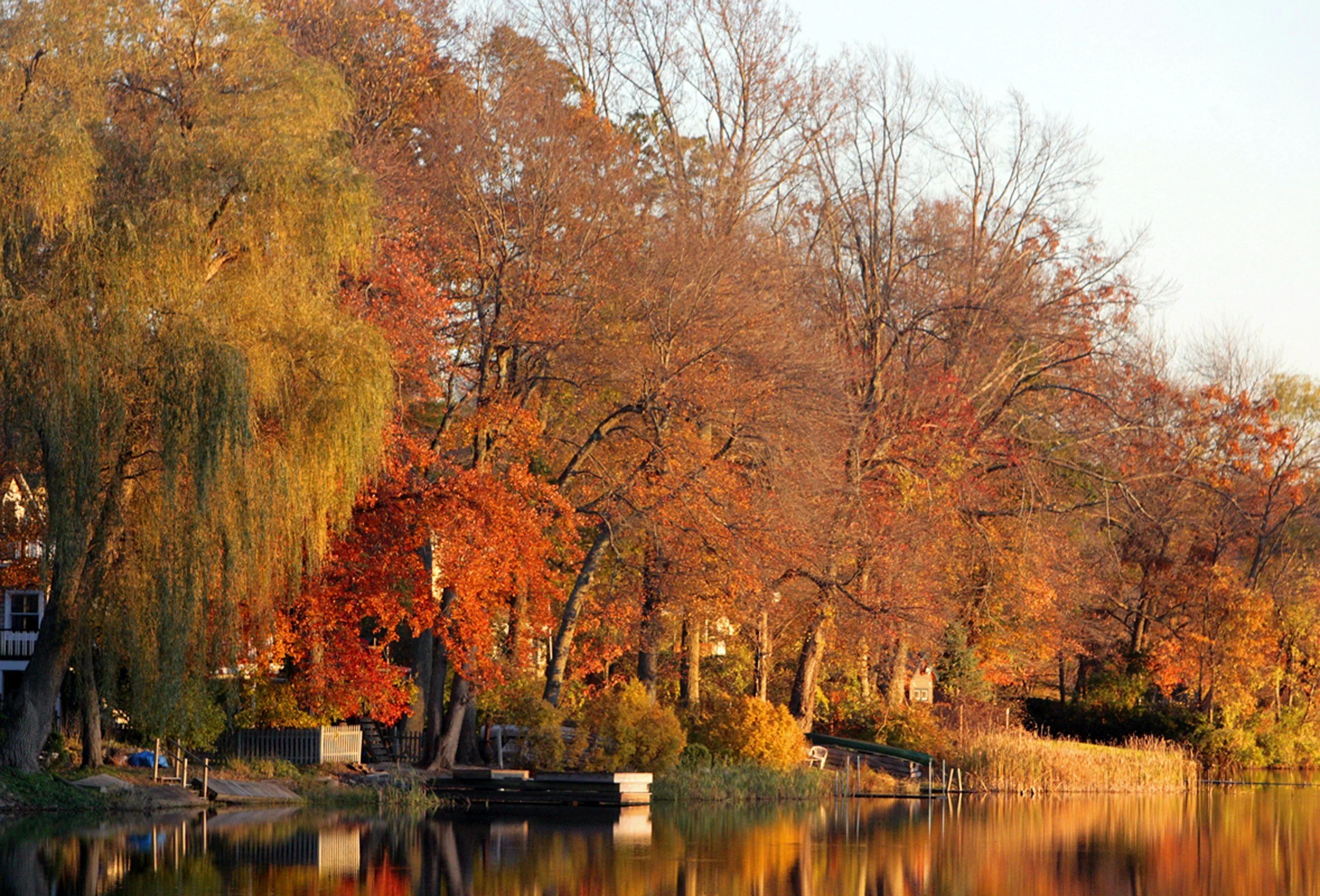
Relocating to Uxbridge offers one of the most balanced rural-suburban lifestyles in the northern Durham Region, blending small-town living with strong access to natural landscapes and reasonable connectivity to the Greater Toronto Area (GTA). Located north of Whitby and east of Aurora, Uxbridge is often described as the “Trail Capital of Canada” due to its extensive network of conservation areas, hiking trails, and protected green spaces.
Unlike more rapidly urbanizing GTA municipalities, Uxbridge has maintained a controlled growth approach that prioritizes environmental preservation, heritage conservation, and low-density residential development. This creates a town that feels both connected and isolated—close enough to major centres for commuting, yet far enough to preserve a strong rural identity.
Why Move to Uxbridge
A Lifestyle Built Around Nature and Trails
Uxbridge is widely recognized for its outdoor lifestyle and natural surroundings. The municipality sits within the Oak Ridges Moraine, which provides rolling hills, forests, wetlands, and protected ecosystems that define the local geography.
Residents are drawn to:
extensive hiking and cycling trail systems
conservation areas and protected green space
year-round outdoor recreation opportunities
This makes Uxbridge particularly appealing to individuals who prioritize nature, wellness, and outdoor activity as part of daily life rather than occasional leisure.
Small-Town Living With Strong Community Identity
Uxbridge has a well-established small-town atmosphere centered around its historic downtown core. The community is active, engaged, and locally focused, with independent businesses, local events, and seasonal festivals shaping the social environment.
Residents often highlight:
walkable downtown with local shops and cafés
strong community involvement and events
a slower, more personal pace of life
This creates a lifestyle where social connections are more visible and community engagement plays a central role in daily living.
Strategic Position in Northern Durham Region
Uxbridge is strategically located within commuting distance of southern Durham Region and parts of the GTA. It connects to Whitby, Pickering, and northern York Region via regional roads.
While there is no direct highway running through Uxbridge, access to Highway 407 and Highway 401 is achievable via connecting routes. This makes commuting possible, though longer than more urbanized suburbs.
For many residents, Uxbridge represents a trade-off between commute time and lifestyle quality.
Controlled Growth and Preservation of Character
Uxbridge has taken a measured approach to development, focusing on maintaining its rural and heritage character. Unlike municipalities experiencing rapid suburban expansion, Uxbridge has limited high-density development and prioritizes environmental protection.
This results in:
preserved farmland and forest areas
limited high-rise or dense housing development
strong emphasis on sustainable land use
As a result, the town has retained much of its historical and rural charm.
Strong Appeal for Outdoor and Active Lifestyles
In addition to its trail systems, Uxbridge offers a wide range of outdoor recreational activities, including cycling, equestrian sports, skiing in winter, and nature exploration.
Residents benefit from:
cross-country skiing and snowshoeing in winter
mountain biking and trail running
equestrian facilities and rural sports
This makes it one of the most active outdoor lifestyle communities within reach of the GTA.
Cost of Living in Uxbridge
Housing Costs and Market Overview
Housing in Uxbridge is generally more affordable than southern GTA municipalities but more expensive than many rural towns due to its desirability and proximity to nature.
Rental housing is limited, with one-bedroom units typically ranging from $1,800 to $2,400 per month. Larger homes and rural rentals can range from $2,400 to $3,200 depending on size and location.
For buyers, detached homes dominate the market. Prices typically start around $850,000 to $1 million for smaller homes and can exceed $1.5 million for larger properties or homes located near conservation areas. Rural estate properties with acreage may be significantly higher depending on land and features.
The market reflects a strong demand for space, nature, and quality of life rather than density-driven affordability.
Monthly Living Expenses
Daily living costs in Uxbridge are comparable to other rural-suburban Ontario communities. Utilities typically range from $150 to $300 per month depending on home size and heating needs.
Internet and mobile services generally cost between $100 and $200 combined, though some rural areas may experience variability in service quality.
Grocery expenses are consistent with regional averages, with individuals spending $350 to $600 per month and families spending $900 to $1,500 or more.
Transportation is a key expense due to reliance on personal vehicles for commuting and daily errands.
Cost Comparison Within Durham Region and GTA Fringe
Uxbridge is generally:
more affordable than Aurora in housing
similar or slightly more expensive than East Gwillimbury in certain neighbourhoods
less expensive than southern GTA municipalities like Markham or Richmond Hill
This positions Uxbridge as a mid-range rural-suburban option with strong lifestyle value.
Best Communities in Uxbridge
Uxbridge Downtown
The downtown core is the cultural and commercial heart of the town. It features historic buildings, local shops, restaurants, and community services. It is walkable and highly desirable for those who want small-town convenience.
Sandford
Sandford is a small rural hamlet offering quiet residential living and access to surrounding countryside. It appeals to those seeking low-density environments outside the main town core.
Goodwood
Goodwood is a scenic rural community known for its equestrian properties, rolling landscapes, and proximity to conservation areas. It is highly sought after for estate-style rural living.
Leaskdale
Leaskdale is a historic rural community offering farmland, heritage homes, and a peaceful environment. It appeals to buyers seeking rural character and larger land parcels.
Rural Uxbridge
The majority of Uxbridge consists of rural land, including farms, forested areas, and estate properties. These areas offer maximum privacy, space, and direct access to nature.
Moving to Uxbridge from Within Canada
Relocating to Uxbridge from cities such as Toronto, Whitby, or Vaughan often reflects a desire for a more balanced rural-suburban lifestyle.
Many movers are attracted to:
access to nature and trails
larger properties and less density
small-town community living
However, this comes with longer commuting times and reduced access to major urban infrastructure.
Moving to Uxbridge from the United States or North America
Cross-border relocation to Uxbridge involves customs clearance, financial setup, and healthcare registration. Moving costs typically range from $4,000 to $20,000 or more depending on distance and household size.
New residents must:
establish Canadian banking
apply for Ontario health coverage
manage importation of personal belongings
Uxbridge is often chosen by international movers seeking outdoor-focused living within reach of Toronto.
Employment and Career Opportunities
Uxbridge has a limited local job market, with employment primarily found in:
retail and small business services
tourism and outdoor recreation industries
healthcare and education roles
Most residents commute to nearby employment centres such as Whitby, Pickering, or Toronto. As a result, Uxbridge functions primarily as a residential and lifestyle community.
Transportation and Commuting
Transportation in Uxbridge is heavily car-dependent. There is no direct GO Train service into the town, which makes commuting rely on regional roads and highway connections.
Access to Highway 407 and Highway 401 is possible via connecting routes, but travel times can be significant during peak hours.
For residents working remotely or locally, transportation is manageable, but for daily GTA commuters, it is a major consideration.
Lifestyle in Uxbridge
Life in Uxbridge is defined by outdoor activity, community engagement, and a slower pace of living. The town strongly emphasizes recreation and nature-based living.
Residents enjoy:
extensive trail networks and conservation areas
community festivals and local events
outdoor sports and seasonal recreation
While entertainment options are limited compared to urban centres, nearby cities provide additional variety when needed.
Challenges of Moving to Uxbridge
The primary challenge is commuting access and transportation limitations. Without direct rail service, residents rely heavily on driving.
Other challenges include limited rental availability, fewer large commercial amenities, and the need for travel to access specialized services or entertainment.
Step-by-Step Moving Plan
Planning a move to Uxbridge should begin early, especially when considering rural or conservation-adjacent properties.
Start by selecting a preferred community such as downtown Uxbridge, Goodwood, or rural areas. Set a budget that includes both housing and transportation costs.
Before moving, organize logistics, plan for commuting routes, and prepare for a more nature-oriented lifestyle.
After arrival, focus on integrating into the community, exploring trails, and adapting to a slower, more rural-suburban rhythm of life.
Final Thoughts
Is Uxbridge the Right Move?
Moving to Uxbridge offers a strong combination of:
access to nature and trail systems
small-town community living
balanced rural-suburban lifestyle
proximity to northern GTA employment zones
It is best suited for families, outdoor enthusiasts, and professionals seeking space, nature, and community without fully disconnecting from the GTA.
Closing Perspective
Uxbridge stands out as one of the most naturally integrated and lifestyle-focused communities in Durham Region. While it requires compromises in commuting and urban convenience, it delivers a highly desirable combination of space, recreation, and long-term livability that continues to attract steady demand.
