
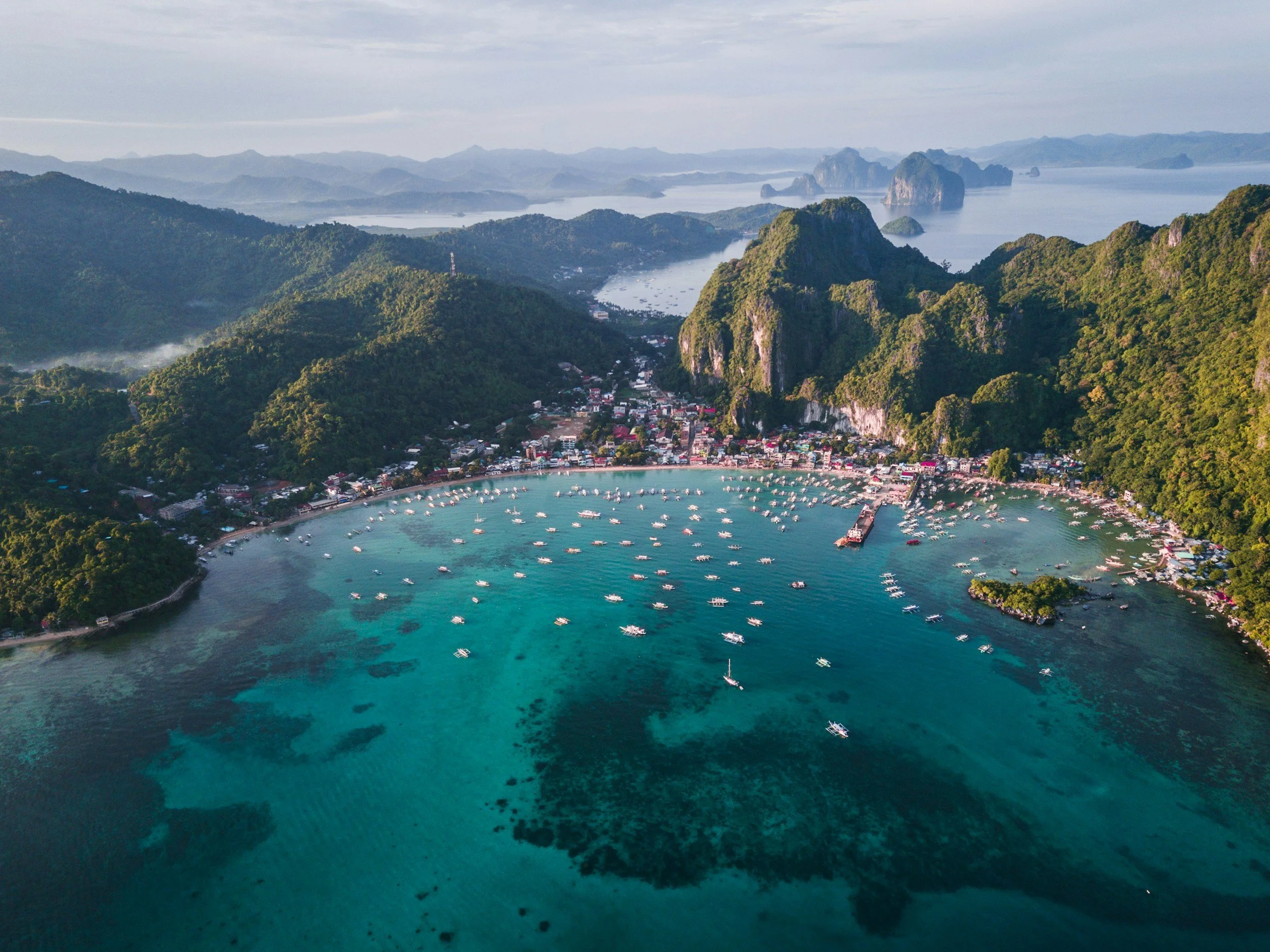
Moving to the Philippines from Canada is an increasingly attractive option for Canadians seeking a warmer climate, affordable living, family reunification, retirement opportunities, business prospects, and a different lifestyle in Southeast Asia. Whether you are relocating from Toronto, the Greater Toronto Area, Vancouver, Calgary, Edmonton, Montreal, Ottawa, Winnipeg, Halifax, or another Canadian city, moving to the Philippines requires careful preparation and an understanding of the country's immigration requirements, housing market, healthcare system, employment opportunities, taxation, and international moving logistics.
The Philippines is particularly appealing to Canadians because of its widespread use of English, established international communities, tropical climate, and strong cultural connections with Canada's Filipino population. Many Filipino Canadians consider relocating to the Philippines to reconnect with family, establish businesses, purchase property where legally eligible, or enjoy retirement closer to relatives.
Other Canadians are attracted by the country's beaches, islands, urban centres, and potentially lower living expenses. From the commercial districts of Metro Manila to the coastal communities of Cebu, the growing city of Davao, and the quieter environments of Iloilo and Dumaguete, the Philippines offers a wide variety of destinations.
However, moving from Canada to the Philippines is not simply a matter of purchasing a plane ticket and finding accommodation. Canadians must investigate legal residence options, employment authorization, healthcare coverage, international shipping costs, customs regulations, and the practical challenges of establishing a household in another country.
This comprehensive guide explains what Canadians should know about moving to the Philippines, including the best cities to live in, immigration pathways, cost of living, employment, retirement, housing, education, transportation, taxation, shipping household belongings, and preparing for a successful international relocation.
Why Are Canadians Moving to the Philippines?
Canadians relocate to the Philippines for several reasons, including family connections, retirement, business opportunities, lifestyle changes, and potentially lower living expenses.
One of the most significant motivations is family reunification. Canada has a large Filipino community, and many Canadians have relatives, spouses, or extended family members living in the Philippines.
For Filipino Canadians who have spent years or decades in Toronto, Mississauga, Brampton, Vancouver, Calgary, Winnipeg, or other Canadian communities, returning to the Philippines may provide an opportunity to reconnect with family and cultural traditions.
Retirement is another important consideration. Canadians receiving pensions, retirement savings, or other dependable income may find that certain everyday expenses are lower in the Philippines than in major Canadian cities.
The country's tropical climate also appeals to Canadians seeking an alternative to long winters.
Other people relocate for employment, entrepreneurship, international business, or personal relationships.
However, the Philippines has substantial differences in infrastructure, healthcare access, transportation, property ownership, and immigration rules.
Canadians should evaluate these differences carefully rather than assuming that lower living expenses automatically guarantee a better lifestyle.
Understanding the Differences Between Canada and the Philippines
Moving from Canada to the Philippines involves a major adjustment in daily life.
Canada has extensive suburban communities, relatively large residential properties, established transportation networks, and a climate characterized by significant seasonal changes.
The Philippines is a tropical archipelago consisting of thousands of islands, with major metropolitan areas, smaller cities, coastal communities, and rural provinces.
A Canadian moving from Toronto or Vancouver may find familiar urban conveniences in Metro Manila, including modern shopping centres, office towers, residential condominiums, restaurants, and international businesses.
However, traffic congestion, flooding, infrastructure differences, and transportation challenges can make everyday life significantly different.
Climate is another major consideration. Much of the Philippines experiences warm temperatures throughout the year, with regional differences in rainfall and seasonal weather.
Typhoons and tropical storms affect parts of the country, making location-specific weather risks important when choosing accommodation.
Language is one area where Canadians may find the transition easier than in some other Asian destinations.
Filipino and English are official languages, and English is widely used in business, education, and many government settings.
However, regional languages are also important, and English proficiency varies by location and circumstance.
Learning basic Filipino or the language commonly spoken in the chosen region can improve communication and community integration.
Best Cities in the Philippines for Canadians Moving Abroad
Choosing the right city is one of the most important decisions when relocating to the Philippines. Each destination offers different employment opportunities, housing costs, healthcare facilities, transportation arrangements, and lifestyles.
Moving from Toronto to Metro Manila
Metro Manila is the Philippines' principal metropolitan and commercial centre.
It offers the country's largest concentration of corporate employment, financial institutions, international businesses, hospitals, universities, shopping centres, and modern residential developments.
For Canadians moving from Toronto, Metro Manila may provide the most familiar metropolitan environment.
However, the region is extensive, and commuting conditions vary considerably.
Choosing accommodation close to employment, schools, and essential services can make everyday life more manageable.
Moving from Canada to Makati
Makati is one of the Philippines' most important financial and commercial districts.
It offers corporate offices, residential condominiums, restaurants, shopping facilities, hotels, and international services.
Canadians working in finance, consulting, technology, or multinational corporations may find Makati particularly convenient.
However, premium accommodation can be expensive compared with housing in smaller Philippine cities.
Neighbourhood selection should consider transportation, building quality, security, and access to everyday amenities.
Moving to Bonifacio Global City
Bonifacio Global City, commonly known as BGC, is a modern business and residential district in Taguig.
It offers contemporary office buildings, residential towers, shopping centres, restaurants, parks, and international schools.
For Canadians accustomed to modern developments in Toronto or Vancouver, BGC may provide a relatively familiar urban environment.
However, rental costs can be substantial, particularly for larger apartments and premium condominium buildings.
Moving from Canada to Cebu City
Cebu City is one of the Philippines' major commercial centres outside Metro Manila.
It offers business opportunities, universities, hospitals, shopping facilities, and access to nearby coastal destinations.
Canadians seeking a combination of urban amenities and island recreation may find Cebu appealing.
Residential options range from modern condominiums to houses in surrounding communities.
However, traffic congestion and transportation requirements should be considered when selecting accommodation.
Moving from Canada to Davao City
Davao City is a major urban centre in Mindanao.
It offers commercial activity, residential communities, educational institutions, healthcare facilities, and access to natural attractions.
Canadians considering Davao should investigate employment opportunities, neighbourhood conditions, transportation, and healthcare availability.
As with any international relocation, security and local conditions should be assessed using current, location-specific information.
Moving to Iloilo City
Iloilo City offers an established regional economy, universities, hospitals, shopping facilities, and residential neighbourhoods.
It may appeal to Canadians seeking a smaller urban environment than Metro Manila.
Housing expenses can differ significantly from premium districts in the capital.
Families should investigate school availability, healthcare facilities, and transportation before relocating.
Moving to Dumaguete
Dumaguete is often considered by retirees and international residents interested in smaller-city living.
The city offers universities, restaurants, residential communities, and access to nearby coastal areas.
However, Canadians should carefully evaluate healthcare availability, transportation connections, and long-term residence requirements.
People with complex medical needs may prefer locations with greater access to specialized treatment.
Cost of Living in the Philippines Compared to Canada
The cost of living is one of the main reasons Canadians consider relocating to the Philippines.
Certain expenses, including accommodation, local restaurants, transportation, and personal services, may be considerably lower than in Toronto or Vancouver.
However, costs vary significantly by city, neighbourhood, household size, and lifestyle.
A retiree living in a modest apartment in Iloilo may have very different expenses from a family renting a premium condominium in Bonifacio Global City.
Housing Costs in the Philippines
The Philippines offers a wide range of housing options, including condominiums, apartments, townhouses, and detached homes.
Premium developments in Makati and BGC can be expensive.
Smaller cities and provincial communities may offer more affordable accommodation.
However, property quality, maintenance, water supply, security, and access to services should be carefully evaluated.
Canadians should not select accommodation based solely on advertised rent.
Grocery and Food Expenses
Local food can be relatively affordable, particularly when purchasing ingredients from markets and eating at neighbourhood restaurants.
The Philippines offers a diverse culinary culture influenced by regional traditions and international cuisines.
However, imported groceries, specialty products, and Western restaurant meals may be more expensive.
Canadians with specific dietary requirements should investigate availability before choosing a destination.
Electricity and Utility Costs
Electricity can represent a significant household expense in the Philippines.
Air conditioning is commonly used because of the tropical climate.
Larger homes and apartments requiring extensive cooling may have substantial electricity bills.
Internet reliability, water supply, and backup power arrangements should also be considered when evaluating accommodation.
Finding Employment in the Philippines Before Leaving Canada
Canadians relocating for employment should ideally secure a suitable position before departure.
The Philippines has opportunities in technology, business process outsourcing, finance, manufacturing, education, international trade, and professional services.
However, local salaries may be substantially lower than equivalent Canadian earnings.
Canadians should compare compensation packages carefully before accepting employment.
Technology and Business Process Outsourcing
The Philippines has an established business process outsourcing industry.
Companies provide customer service, technical support, financial services, administrative operations, and other business functions for international clients.
Canadians with experience in operations management, technology, customer experience, or corporate services may find relevant opportunities.
However, employment generally requires appropriate authorization.
International Business and Consulting
Multinational corporations operate in Metro Manila, Cebu, and other commercial centres.
Professionals with specialized experience in finance, consulting, engineering, logistics, and international trade may find suitable positions.
However, the availability of employment depends on qualifications, industry conditions, and employer requirements.
Starting a Business in the Philippines
The Philippines may appeal to Canadians interested in entrepreneurship.
Potential sectors include technology, consulting, professional services, tourism, manufacturing, and international trade.
However, foreign ownership restrictions and licensing requirements can apply to particular industries.
Registering a company does not automatically provide unrestricted immigration or employment rights.
Canadians should obtain qualified legal and accounting advice before investing.
Immigration and Visa Requirements for Canadians Moving to the Philippines
Immigration planning is essential for Canadians intending to live in the Philippines long term.
The country offers different immigration categories for visitors, employees, retirees, qualifying family members, and other applicants.
Temporary visitor permission should not be confused with unrestricted residence or employment authorization.
Employment Visas for Canadians
Canadians intending to work for Philippine employers generally require appropriate employment authorization.
Depending on the circumstances, this may involve an employment visa and other permits or approvals.
The employer may need to provide supporting documentation.
Applicants should confirm that the necessary authorization is in place before beginning work.
Family-Based Immigration
Canadians with Filipino spouses or qualifying family relationships may have additional immigration options.
Eligibility depends on the specific relationship, citizenship circumstances, and applicable requirements.
Supporting documents may include marriage certificates, birth certificates, identification, and evidence of the qualifying relationship.
Retirement Immigration Options
The Philippines offers retirement-related immigration arrangements for qualifying foreign nationals.
One option is the Special Resident Retiree's Visa, commonly known as the SRRV.
Eligibility requirements can depend on age, financial qualifications, program category, and other conditions.
Canadians should verify the current requirements with the Philippine Retirement Authority before making financial commitments.
Former Filipino Citizens and Dual Citizenship
Some Filipino Canadians may qualify for citizenship reacquisition under Philippine law.
Eligibility depends on individual circumstances and the applicable legal requirements.
Individuals who qualify may have different residence, employment, and property rights from foreign nationals.
Canadians considering dual citizenship should investigate the legal implications carefully.
Can Canadians Move to the Philippines Without a Job?
Some Canadians may qualify for long-term residence through retirement, family relationships, or other recognized immigration categories.
However, the Philippines does not provide unrestricted permanent residence simply because a Canadian wishes to live there.
Canadians should establish an appropriate legal basis for residence before relocating.
People intending to work remotely for Canadian employers should also investigate immigration and tax implications.
Renting an Apartment or House in the Philippines
Finding suitable accommodation is an important part of settling in the Philippines.
Many international residents begin with temporary accommodation before signing a long-term lease.
This provides time to investigate neighbourhoods, transportation, building maintenance, and access to essential services.
Renting a Condominium
Condominiums are common in Metro Manila, Cebu, and other urban centres.
Many buildings offer security, swimming pools, fitness facilities, parking, and shared amenities.
However, maintenance standards and building management quality vary.
Canadians should inspect the property carefully and confirm which services are included in the rent.
Renting a Detached House
Detached houses may be available in suburban communities and smaller cities.
Families moving from large Canadian homes may prefer this type of accommodation.
However, security, maintenance, water supply, drainage, and transportation should be evaluated.
Understanding Rental Agreements
Rental contracts should clearly specify rent, deposits, payment schedules, maintenance obligations, and termination conditions.
Canadians should verify the landlord's authority to rent the property.
An inventory of supplied furniture and appliances can help prevent disputes.
Can Canadians Buy Property in the Philippines?
Property ownership rules are an important consideration for Canadians relocating to the Philippines.
Foreign nationals generally face restrictions on direct ownership of Philippine land.
However, qualifying foreigners may be able to purchase condominium units within applicable foreign ownership limits.
Other property arrangements may be available under specific legal circumstances.
Former Filipino citizens and qualifying dual citizens may have different rights.
Canadians should obtain independent legal advice before purchasing property.
Property ownership should not be assumed to provide immigration status.
Healthcare in the Philippines for Canadians
Healthcare is an important consideration when moving internationally.
The Philippines has public and private medical facilities, but access and quality vary by location.
Major cities such as Metro Manila and Cebu offer private hospitals and specialist services.
Smaller communities may have more limited medical facilities.
Private Health Insurance
Canadians should investigate comprehensive health insurance before relocating.
Policies may cover hospitalization, specialist treatment, outpatient services, and emergency care.
However, coverage limits, exclusions, deductibles, and pre-existing conditions vary.
Medical evacuation coverage may be particularly important for residents living on smaller islands or in remote communities.
Healthcare Considerations for Retirees
Retirees should investigate access to ongoing medical treatment, prescription medications, and specialists.
Insurance premiums may increase with age.
Canadians with complex medical needs should consider living near major healthcare facilities.
Education and International Schools in the Philippines
Families moving from Canada to the Philippines should investigate educational options early.
The country has public, private, and international schools.
English is widely used in education, although language arrangements vary by institution.
International schools may offer curricula familiar to Canadian families.
However, tuition fees can be substantial.
Parents should consider admissions requirements, transportation, extracurricular programs, and curriculum compatibility.
Transportation and Driving in the Philippines
Transportation varies significantly between cities and regions.
Metro Manila experiences substantial traffic congestion.
Public transportation includes buses, rail services, jeepneys, taxis, and ride-hailing options.
Outside major cities, private vehicles and local transportation services may be more important.
Can Canadians Drive in the Philippines?
Canadians should verify the licensing requirements applicable to their immigration status and length of stay.
A Canadian driver's licence may be recognized for certain temporary periods, subject to applicable rules.
Long-term residents may need to obtain or convert to a Philippine driving licence.
Insurance and vehicle registration requirements should also be reviewed.
Should Canadians Ship Their Car to the Philippines?
Importing a Canadian vehicle can involve significant restrictions, duties, taxes, and registration requirements.
For many Canadians, selling their vehicle before departure and purchasing or arranging transportation locally is more practical.
Shipping Household Goods from Canada to the Philippines
International moving from Canada to the Philippines involves packing, inland transportation, ocean freight, customs clearance, and destination delivery.
The country's island geography creates additional logistical considerations.
Delivering household belongings to Metro Manila may involve different transportation arrangements from delivering to Cebu, Davao, Iloilo, Dumaguete, or smaller islands.
Moving from Toronto and the GTA to the Philippines
Canadians relocating from Toronto, Mississauga, Brampton, Vaughan, Markham, Richmond Hill, Oakville, Burlington, Milton, Newmarket, Ajax, Pickering, Whitby, or Oshawa should begin by preparing a detailed household inventory.
Furniture, clothing, kitchen equipment, electronics, and personal belongings should be reviewed carefully.
Some items may be worth shipping, while others may be easier to replace after arrival.
Professional packing can help protect fragile furniture and valuables during international transportation.
After collection, belongings are transported to an appropriate export terminal before being shipped overseas.
Upon arrival in the Philippines, the shipment must undergo applicable customs procedures before final delivery.
Moving from Vancouver to the Philippines
Vancouver's Pacific location may offer different freight routing possibilities from eastern Canada.
However, carrier schedules, consolidation arrangements, and destination services determine actual transportation times.
Canadians should compare complete door-to-door quotations rather than freight charges alone.
Moving from Calgary, Edmonton, Montreal, Ottawa, or Winnipeg to the Philippines
International shipments originating inland may require transportation to an export terminal.
This additional stage can influence total moving costs and delivery timelines.
The moving provider should explain the proposed route and handling arrangements.
Full Container Load Versus Shared Container Shipping
Full-container-load shipping may be suitable for Canadians transporting substantial furniture and household belongings.
A dedicated container provides space for larger shipments.
Less-than-container-load shipping allows smaller shipments to share container space.
This can be economical for people relocating from apartments or transporting limited belongings.
However, consolidated shipping may involve additional handling and scheduling.
The best option depends on shipment volume, budget, and destination requirements.
Philippines Customs Regulations for Household Goods
The Philippines has customs regulations governing imported personal effects and household belongings.
The treatment of a shipment depends on the importer's citizenship or immigration circumstances, the nature of the goods, and applicable regulations.
Certain qualifying returning residents, former Filipino citizens, or other eligible individuals may have access to specific customs privileges.
However, eligibility conditions apply.
Canadians should prepare detailed inventories and supporting documentation.
Restricted goods may require permits or additional approvals.
Vehicles, alcohol, tobacco, certain electronics, and other regulated products may be subject to special rules.
Improperly documented shipments can result in delays and additional expenses.
How Much Does It Cost to Move from Canada to the Philippines?
International moving costs depend on shipment volume, transportation method, Canadian departure location, Philippine destination, and services required.
A Canadian moving several boxes will face different expenses from a family transporting the contents of a large home.
Ocean freight is generally more economical for large household shipments.
Air freight may provide faster transportation for urgent belongings but can be expensive for bulky items.
Moving quotations should explain whether packing, loading, inland transportation, export documentation, freight, customs coordination, destination handling, storage, and final delivery are included.
What Affects International Moving Costs?
Shipment volume is one of the most important factors.
The larger the shipment, the more freight space and handling may be required.
The destination also matters.
Moving to Metro Manila may involve different delivery arrangements from moving to Cebu, Davao, Iloilo, or a smaller island.
Additional domestic transportation may be necessary.
Building access, elevator restrictions, parking conditions, and storage requirements can also influence costs.
Should Canadians Ship Furniture or Buy New Furniture in the Philippines?
The Philippines has furniture retailers and manufacturers offering products across different price ranges.
For Canadians relocating into furnished accommodation, shipping large furniture may be unnecessary.
Even when renting an unfurnished property, replacing inexpensive furniture locally may be more economical than transporting it internationally.
However, valuable furniture, antiques, artwork, and sentimental belongings may justify shipping.
Canadians should measure their furniture and review the destination property before arranging transportation.
Electrical compatibility is another important consideration.
Canadian appliances designed exclusively for 120-volt power may not operate safely on the Philippines' predominantly 220–230-volt electrical supply without suitable equipment.
How Long Does It Take to Move from Canada to the Philippines?
International moving timelines depend on freight schedules, shipment consolidation, customs clearance, and destination delivery.
Ocean freight shipments can take several weeks or longer.
Air freight may provide faster transportation for smaller shipments.
However, the complete door-to-door process also includes packing, inland transportation, export handling, customs procedures, and final delivery.
Canadians should begin planning several months before departure whenever possible.
Temporary accommodation and a separate supply of essential belongings can help during the period before the main shipment arrives.
Preparing for the Philippine Climate
The Philippines has a tropical climate characterized by warm temperatures and regional variations in rainfall.
Typhoons and tropical storms affect parts of the country.
Canadians should investigate the weather risks associated with their specific destination.
Flooding, drainage, and building resilience should be considered when selecting accommodation.
Lightweight clothing, sun protection, and rain gear are important.
Air conditioning is common in modern accommodation, but electricity costs should be included in the household budget.
Humidity can also affect furniture, documents, clothing, and electronics.
Banking and Managing Money in the Philippines
The Philippines uses the Philippine peso.
Canadians relocating long term may need local banking arrangements.
Account opening requirements depend on the bank and immigration status.
Canadians should investigate the required documentation before arrival.
Maintaining Canadian bank accounts may also be important for existing financial obligations.
International transfers can involve currency conversion costs and transaction fees.
Retirees receiving Canadian pensions or investment income should consider exchange-rate fluctuations when preparing long-term budgets.
Canadian Taxes and Philippine Tax Residency
Taxation is an important consideration when moving from Canada to the Philippines.
Canada determines tax residency based on individual circumstances and residential ties.
Leaving Canada does not automatically eliminate every Canadian tax obligation.
Some individuals may face departure-tax considerations involving particular assets.
The Philippines has its own tax rules, and the treatment of income depends on citizenship, residency classification, and other circumstances.
Canadians should investigate the Canada–Philippines tax treaty and obtain qualified cross-border tax advice.
This is particularly important for retirees, remote workers, business owners, and individuals retaining Canadian investments or property.
Moving to the Philippines with Children and Family Members
Family relocations require additional preparation.
Parents should investigate schools, healthcare, accommodation, immigration documentation, and transportation before departure.
International school tuition can represent a significant expense.
Families should also consider access to parks, recreational facilities, childcare, and suitable medical services.
Children may need support adjusting to a different cultural environment.
For families moving from large Canadian suburban homes, adjusting to condominium living may require reducing household belongings.
Planning furniture shipments around the destination property's size can help prevent unnecessary expenses.
Bringing Pets from Canada to the Philippines
Canadians relocating with pets must investigate Philippine animal import requirements.
Depending on the animal and circumstances, requirements may include vaccinations, veterinary certificates, identification, and import permits.
Airlines also impose requirements concerning carriers, documentation, and transportation conditions.
Some animals may be subject to additional restrictions.
Pet owners should begin preparing well before departure to ensure that the required documentation is completed correctly.
Common Mistakes Canadians Make When Moving to the Philippines
One common mistake is assuming that lower living costs automatically guarantee financial security.
Premium housing, international education, private healthcare, imported goods, and frequent travel can increase expenses substantially.
Another mistake is failing to secure appropriate immigration authorization.
Temporary visitor arrangements should not be treated as unrestricted long-term residence or employment permission.
Canadians may also underestimate traffic congestion, infrastructure differences, and regional weather risks.
Shipping unsuitable furniture or incompatible appliances can create unnecessary expenses.
Failing to investigate healthcare access, local neighbourhoods, and insurance requirements may also complicate settlement.
Careful research and realistic budgeting can help prevent these problems.
How to Prepare for Moving from Toronto and the GTA to the Philippines
A successful international move begins with confirming immigration eligibility and establishing a reliable financial plan.
Once the destination is selected, Canadians should research accommodation, healthcare, transportation, and everyday expenses.
The next step is reviewing household belongings.
Furniture, clothing, electronics, kitchen equipment, and personal effects should be divided into items to ship, sell, donate, store, or carry during travel.
Important documents should remain accessible.
Professional packing may be appropriate for fragile or valuable items.
Canadians should confirm customs requirements and understand the services included in their international moving quotation.
Before leaving Canada, review banking arrangements, taxation, healthcare coverage, property obligations, and other financial responsibilities.
After arriving in the Philippines, prioritize immigration formalities, residence registration where required, housing, banking, healthcare, and transportation.
International Moving from Canada to the Philippines with Two Amigos
Moving from Canada to the Philippines requires careful coordination, particularly when transporting furniture and household belongings across international borders.
At Two Amigos, we understand that overseas relocations involve more than packing boxes and arranging transportation.
International moving requires attention to shipment volume, protective packing, freight arrangements, customs documentation, and destination delivery requirements.
For Canadians moving from Toronto and the Greater Toronto Area, preparing an accurate household inventory can help simplify the planning process.
Whether you are relocating from Toronto, Mississauga, Brampton, Vaughan, Markham, Richmond Hill, Oakville, Burlington, Milton, Newmarket, Ajax, Pickering, Whitby, Oshawa, or another Ontario community, organizing belongings early can reduce avoidable complications.
Our team can discuss your household moving requirements, packing needs, and the services available for your intended international destination. Specific overseas shipping, customs coordination, storage, and destination delivery arrangements should be confirmed as part of your individual moving quotation.
Planning Your Move from Toronto to Manila, Cebu, Davao, or Iloilo
Every Philippine destination presents different logistical considerations.
Moving to a high-rise condominium in Metro Manila may require coordination concerning loading areas, elevators, and building access.
Relocating to Cebu or Davao may involve additional domestic transportation arrangements.
Moving to Iloilo, Dumaguete, or smaller islands can involve different freight and delivery requirements.
Providing accurate destination information during the quotation process can help identify potential challenges.
Request a Personalized International Moving Quote
If you are preparing to move from Toronto or the GTA to the Philippines, begin by identifying the belongings you intend to transport and your expected relocation date.
An accurate household inventory can help determine suitable packing and transportation arrangements.
Discussing your requirements early provides time to evaluate shipping options, prepare documentation, and coordinate delivery expectations.
Contact Two Amigos to discuss your international relocation plans and request a personalized moving quotation.
Final Thoughts: Is Moving from Canada to the Philippines Worth It?
Moving to the Philippines from Canada can provide an exciting opportunity to reconnect with family, experience a tropical lifestyle, pursue professional opportunities, establish a business, or enjoy retirement in a different environment.
The Philippines offers diverse destinations, from the metropolitan activity of Metro Manila to the commercial opportunities of Cebu and the quieter residential environments of Iloilo and Dumaguete.
However, relocation also presents challenges involving immigration, employment, healthcare, transportation, property ownership, weather conditions, and international shipping.
Canadians moving from Toronto, Vancouver, Calgary, Montreal, Ottawa, Edmonton, Winnipeg, Halifax, or elsewhere in Canada should carefully evaluate their financial circumstances and long-term goals.
With appropriate immigration authorization, realistic budgeting, suitable accommodation, and organized international moving arrangements, relocating from Canada to the Philippines can provide the foundation for a rewarding new chapter abroad.
