
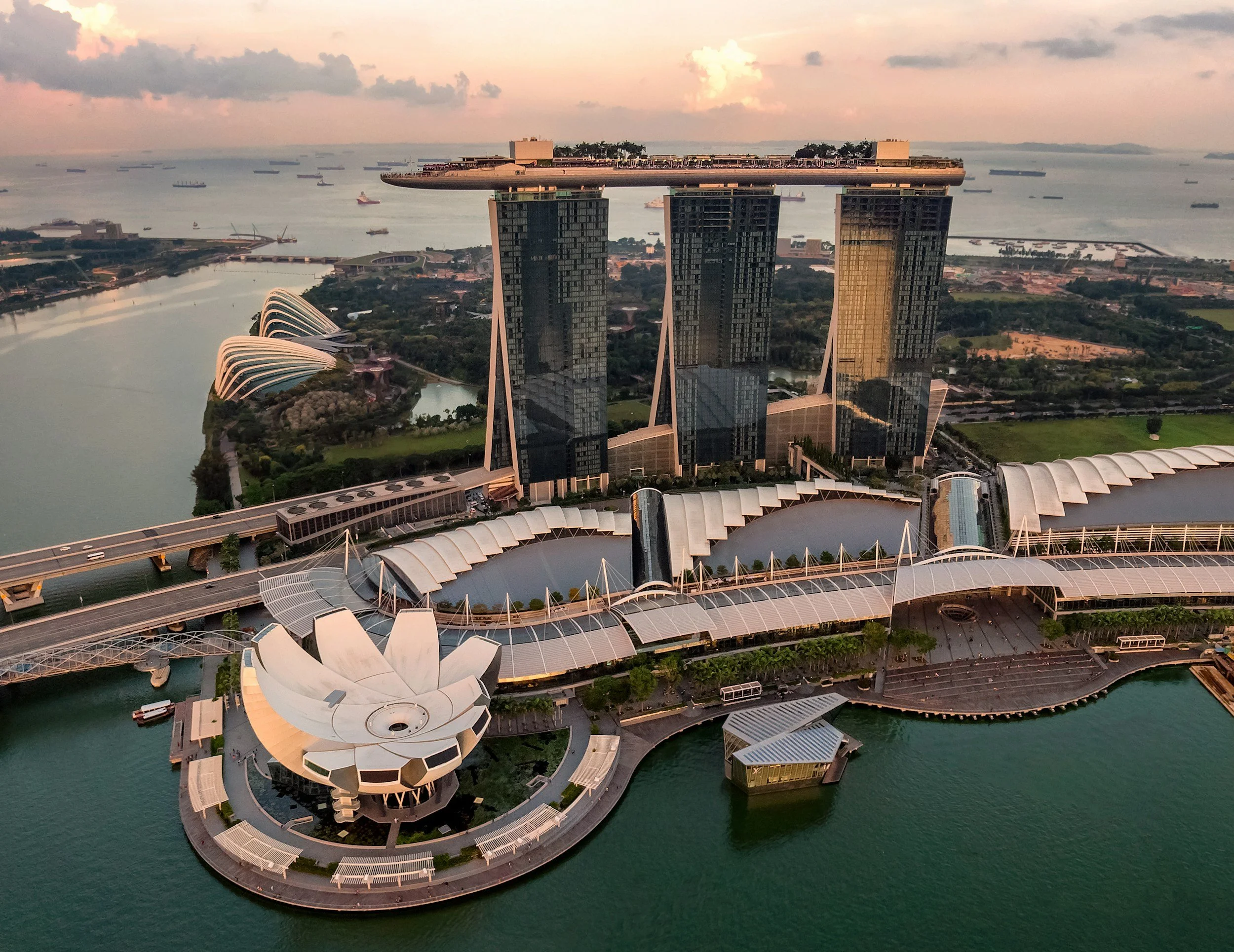
Moving to Singapore from Canada is an exciting opportunity for Canadians seeking international career advancement, business opportunities, a modern urban lifestyle, and access to one of Asia's most important financial and commercial centres. Whether you are relocating from Toronto, the Greater Toronto Area, Vancouver, Calgary, Montreal, Ottawa, Edmonton, or another Canadian city, moving to Singapore involves significant changes in lifestyle, housing, employment, taxation, healthcare, and everyday living.
Singapore is internationally recognized for its modern infrastructure, efficient transportation system, strong financial sector, advanced technology industry, and strategic location in Southeast Asia. It attracts professionals, entrepreneurs, corporate executives, researchers, and families from around the world.
For Canadians accustomed to living in Toronto or Vancouver, Singapore offers a distinctive combination of metropolitan convenience, international business opportunities, tropical weather, and cultural diversity. However, relocating to Singapore is not necessarily a way to reduce living expenses. Housing, international education, vehicle ownership, and certain imported products can be expensive.
Moving household belongings from Canada to Singapore also requires international transportation arrangements, shipping documentation, customs clearance, and careful coordination between Canadian moving providers and destination service partners.
This comprehensive guide explains what Canadians should know about moving to Singapore, including immigration requirements, employment opportunities, housing, healthcare, taxation, education, transportation, shipping costs, and practical preparations for establishing a new home.
Why Are Canadians Moving to Singapore?
Singapore attracts Canadians for several reasons, with professional opportunities and international business exposure among the most important.
The country serves as a regional headquarters location for numerous multinational corporations, financial institutions, technology companies, logistics providers, and professional service organizations.
Canadian professionals working in banking, investment management, software development, cybersecurity, consulting, engineering, supply chain management, and international trade may find Singapore particularly attractive.
Its location also provides access to major Asian markets. Professionals based in Singapore can travel relatively conveniently to Malaysia, Thailand, Indonesia, Vietnam, the Philippines, China, Japan, and other regional destinations.
Another advantage is the widespread use of English. Singapore has four official languages—English, Malay, Mandarin Chinese, and Tamil—and English is extensively used in business, education, and government administration.
For English-speaking Canadians, this can reduce certain communication challenges associated with moving internationally.
Singapore also offers highly developed public transportation, modern residential buildings, extensive shopping facilities, and access to international restaurants and recreational amenities.
However, the country has a different climate, legal environment, housing market, and immigration system from Canada. Understanding these differences is essential before committing to relocation.
Understanding the Differences Between Canada and Singapore
Moving from Canada to Singapore involves a major adjustment in geography, climate, transportation, housing, and daily routines.
Canada is one of the world's largest countries geographically, with extensive suburban communities and significant distances between major cities. Singapore is a compact city-state where residential, commercial, and recreational districts are connected by an extensive transportation network.
A Canadian living in Mississauga, Brampton, Vaughan, Oakville, or another GTA community may be accustomed to driving regularly. In Singapore, many residents use public transportation for commuting, shopping, and everyday activities.
The climate is another major difference. Singapore has a tropical rainforest climate, with consistently warm temperatures, high humidity, and substantial rainfall throughout the year.
Canadians moving from Ontario, Alberta, Quebec, or British Columbia will no longer experience the same seasonal changes associated with Canadian winters.
Housing also differs. Singapore has a substantial high-rise residential market, including private condominiums, apartments, and public housing developments.
Many international professionals rent condominium units offering amenities such as swimming pools, gyms, security, and shared recreational facilities.
However, accommodation sizes and rental costs vary significantly, and foreign residents should understand the eligibility rules governing different property types.
Best Neighbourhoods in Singapore for Canadians
Choosing the right neighbourhood is an important part of planning a successful relocation. Singapore offers a wide range of residential environments, from central business districts to established family communities and quieter suburban areas.
Moving from Toronto to Orchard Road and River Valley
Orchard Road and River Valley are attractive areas for Canadians seeking central accommodation, shopping, restaurants, and convenient access to commercial districts.
Orchard is known for its extensive retail facilities, international hotels, dining establishments, and transportation connections.
River Valley offers residential condominiums and access to nearby entertainment and business areas.
These locations may appeal to professionals relocating from downtown Toronto who want a comparable urban lifestyle.
However, central accommodation can be expensive, particularly in premium condominium developments.
Living in Tanjong Pagar and the Central Business District
Tanjong Pagar is an attractive location for professionals working in Singapore's financial and commercial sectors.
The area offers office buildings, restaurants, residential developments, and convenient transportation connections.
Canadians working in banking, consulting, technology, or multinational corporations may appreciate the ability to live relatively close to their workplace.
The Central Business District provides a highly urban environment, although some residents may prefer quieter neighbourhoods farther from major office concentrations.
Moving to East Coast and Katong
East Coast and Katong appeal to families and professionals interested in established residential communities with access to waterfront recreation.
The area is known for its restaurants, heritage architecture, residential developments, and proximity to East Coast Park.
Canadians who enjoy cycling, walking, outdoor exercise, and coastal recreation may find this part of Singapore particularly appealing.
Housing options include condominiums and other residential properties, with costs varying by location and building.
Living in Holland Village and Bukit Timah
Holland Village and Bukit Timah are worth considering for Canadians relocating with children.
These areas offer residential neighbourhoods, restaurants, green spaces, and access to educational facilities.
Some international schools are located in or near these districts, although school selection should be based on actual admissions availability and commuting requirements.
Families moving from detached homes in Toronto or the GTA may prefer these neighbourhoods over more densely developed central districts.
Living in Woodlands and Northern Singapore
Woodlands is located in northern Singapore near the Malaysian border.
It offers residential communities, shopping facilities, and transportation connections.
Accommodation may differ in price and character from central Singapore, making the area worth investigating for households with specific budget or location requirements.
However, Canadians working in the central business district should carefully evaluate commuting times before selecting housing.
Cost of Living in Singapore Compared to Canada
The cost of living is one of the most important considerations when moving from Canada to Singapore.
Singapore can be expensive, especially for accommodation, private vehicle ownership, international education, and certain imported goods.
However, the overall financial impact depends on household size, employment compensation, housing preferences, and lifestyle.
A Canadian professional relocating from Toronto with a substantial salary increase may find Singapore financially attractive.
Conversely, a family moving without housing or education allowances may discover that the cost of maintaining their preferred lifestyle is higher than expected.
Housing Costs in Singapore
Housing is often the largest monthly expense for international residents.
Private condominium rentals vary significantly depending on neighbourhood, apartment size, building age, amenities, and proximity to public transportation.
Premium central locations generally command higher prices.
Families requiring three- or four-bedroom accommodation may face substantial expenses, particularly when seeking properties near international schools or business districts.
Canadians should also understand that rental agreements commonly involve security deposits, tenancy conditions, and specific responsibilities for maintenance.
Before signing a lease, it is important to review the contract carefully and confirm which expenses are included.
Grocery and Food Expenses
Singapore offers a wide range of food options.
Local hawker centres and food courts can provide relatively affordable meals, while international restaurants and premium dining establishments can be expensive.
Imported groceries may cost more than equivalent products in Canada, particularly when they require specialized transportation or storage.
Canadians who regularly purchase imported dairy products, specialty foods, or familiar North American brands should account for these expenses.
Shopping at local supermarkets and markets can help control household spending.
Transportation Expenses
Singapore's public transportation system can reduce the need for private vehicle ownership.
The MRT network and public buses connect residential neighbourhoods, commercial districts, shopping areas, and major transportation hubs.
For Canadians accustomed to driving throughout the GTA, relying on public transportation may represent a significant lifestyle change.
Private vehicle ownership is expensive because of Singapore's vehicle registration and Certificate of Entitlement requirements.
Many international residents therefore choose to use public transportation, taxis, and ride-hailing services instead of purchasing a vehicle.
Finding Employment in Singapore Before Leaving Canada
For Canadians relocating primarily for career opportunities, securing employment before departure is generally the most practical approach.
Singapore has a competitive labour market, and foreign professionals must meet applicable work authorization requirements.
Canadian applicants should begin by researching employers operating in their professional field.
Multinational corporations with offices in both Canada and Singapore may provide opportunities for internal transfers.
Professionals in finance, technology, logistics, consulting, engineering, and international business may find roles suited to their qualifications.
However, employment opportunities depend on market conditions, professional experience, and the employer's willingness and ability to sponsor an appropriate work pass.
Financial Services and Banking Careers
Singapore is an important international financial centre.
Banks, investment firms, insurance companies, asset managers, and financial technology businesses maintain operations in the country.
Canadian professionals with experience in corporate finance, risk management, investment analysis, compliance, and financial technology may find relevant opportunities.
However, competition can be substantial, and employers may prioritize candidates with specialized skills or regional experience.
Technology and Software Development Careers
Singapore has a developed technology sector encompassing software engineering, cybersecurity, cloud computing, artificial intelligence, data analytics, and enterprise technology.
International technology companies and regional businesses employ professionals across numerous technical disciplines.
Canadians working in software development, product management, information security, and related fields may find Singapore attractive.
Employment packages should be evaluated against local housing costs, taxes, and other expenses.
Logistics and Supply Chain Careers
Singapore is a major international transportation and logistics hub.
Its port facilities, airport connections, warehousing operations, and international trade networks support opportunities in freight forwarding, supply chain management, procurement, transportation planning, and logistics technology.
Canadian professionals with experience in international shipping, manufacturing, distribution, and supply chain operations may find relevant employment opportunities.
Consulting and Professional Services
Singapore also hosts international consulting firms, accounting organizations, legal service providers, and corporate advisory businesses.
Experienced professionals may find opportunities supporting companies operating across Southeast Asia.
However, professional licensing and recognition requirements can apply to certain occupations.
Immigration and Work Pass Requirements for Canadians Moving to Singapore
Canadians cannot relocate to Singapore for unrestricted employment simply because they hold Canadian passports.
Foreign nationals intending to work generally require an appropriate work pass.
The Employment Pass is a common route for eligible foreign professionals, managers, and executives.
Eligibility includes salary requirements and other criteria, and many applications are assessed under the Complementarity Assessment Framework, known as COMPASS.
Singapore also has other work authorization categories for qualifying applicants.
The appropriate category depends on employment type, compensation, qualifications, and other factors.
Employment Pass for Canadian Professionals
The Employment Pass is intended for qualifying foreign professionals working for eligible employers in Singapore.
Applications are generally submitted through the employer or an authorized employment agent.
Applicants must satisfy the requirements applicable to their circumstances.
Because eligibility criteria can change, Canadians should confirm the current rules with Singapore's Ministry of Manpower before accepting an offer or making relocation commitments.
S Pass and Other Work Categories
The S Pass is another work authorization category for eligible skilled foreign employees.
It has separate salary requirements, employer obligations, and applicable workforce controls.
Other pass categories may exist for entrepreneurs, specialized professionals, and certain qualifying business activities.
Canadians should not assume that every work pass provides identical employment rights or family sponsorship privileges.
Moving to Singapore with a Spouse and Children
Canadians relocating with family members should investigate eligibility for dependent passes and other appropriate immigration arrangements.
Eligibility may depend on the principal applicant's work pass and salary.
Accompanying family members should also confirm whether they are permitted to work or study under their particular immigration status.
Coordinating family documentation before departure can help prevent delays.
Can Canadians Move to Singapore Without a Job?
Moving to Singapore without an employment offer can be challenging for individuals seeking long-term residence.
Singapore does not provide unrestricted residence simply because a Canadian wishes to live there.
Certain immigration arrangements may be available for qualifying entrepreneurs, investors, family members, students, or individuals with other recognized circumstances.
However, these pathways have specific requirements.
Canadians considering business establishment should understand that registering a company does not automatically provide the right to reside or work in Singapore.
Entrepreneurship-related immigration programs may require evidence of qualifying business activities, innovation, funding, or other conditions.
Professional immigration advice may be beneficial before committing significant capital.
Renting an Apartment in Singapore
Finding suitable accommodation is a major part of settling in Singapore.
Many international residents rent private condominium apartments, which may offer swimming pools, fitness centres, security, parking, and shared recreational facilities.
However, condominium amenities vary, and premium facilities can contribute to higher rental costs.
Canadians should consider the location of their workplace, proximity to MRT stations, school requirements, and access to everyday services.
A cheaper apartment located far from work may create additional transportation costs and longer commuting times.
Understanding Singapore Rental Agreements
Rental contracts generally specify the tenancy period, monthly rent, security deposit, maintenance responsibilities, and other conditions.
Before signing, Canadians should confirm whether the property is furnished or unfurnished.
They should also inspect appliances, air conditioning, plumbing, furniture, and other fixtures.
An inventory of supplied furniture and equipment can help prevent disputes when the tenancy ends.
It is important to understand responsibilities for repairs and maintenance, particularly concerning air conditioning systems.
Should Canadians Rent Before Buying Property?
Renting is often the most practical option for newcomers.
Singapore has restrictions and additional tax considerations affecting foreign property buyers.
Eligibility to purchase certain property types differs from the rules applicable to citizens and permanent residents.
Foreign buyers may also face substantial additional buyer's stamp duties, depending on the transaction and applicable exemptions.
Canadians should obtain professional property and tax advice before considering a purchase.
Healthcare in Singapore for Canadians
Healthcare is an important consideration when relocating from Canada.
Singapore has a developed healthcare system with public and private medical facilities.
However, foreign residents should not assume that they will receive the same healthcare subsidies or coverage arrangements available to Singapore citizens.
Access to particular schemes depends on residency status and eligibility.
For many Canadian expatriates, employer-provided medical insurance is an important part of the compensation package.
Employer Health Insurance
Some multinational employers provide health insurance covering hospitalization, outpatient treatment, specialist consultations, and other services.
However, coverage varies significantly.
Canadians should examine policy limits, deductibles, exclusions, maternity benefits, prescription coverage, and treatment for pre-existing conditions.
Families should also determine whether spouses and children are covered.
Private Healthcare and Medical Expenses
Singapore has private hospitals and specialist clinics serving international patients.
Medical treatment can be expensive without adequate insurance.
Canadians relocating with ongoing health conditions should investigate access to appropriate specialists and continuity of care.
Arranging insurance before arrival can reduce the risk of unexpected medical expenses.
Education and International Schools in Singapore
Families moving from Canada to Singapore should investigate schooling well before their intended relocation date.
Singapore has a strong education system, but admission arrangements differ for citizens, permanent residents, and foreign students.
International schools may offer curricula familiar to Canadian families, including International Baccalaureate and other internationally recognized programs.
However, tuition fees can be substantial.
School availability, admission requirements, waiting lists, transportation, and extracurricular programs should be considered.
Parents should also investigate the academic calendar because school terms may differ from Canadian schedules.
For families relocating with teenagers, curriculum compatibility and future university plans can be particularly important.
Transportation and Daily Commuting in Singapore
Singapore's public transportation network is one of the country's most practical advantages.
The MRT system connects major residential, commercial, and recreational areas.
Public buses complement the rail network, while taxis and ride-hailing services provide additional transportation options.
For Canadians moving from car-dependent communities in the GTA, living without a vehicle may initially feel unfamiliar.
However, choosing accommodation near an MRT station can make daily commuting convenient.
Should Canadians Ship Their Car to Singapore?
For most Canadians, shipping a personal vehicle to Singapore is unlikely to be economical.
Vehicle importation and registration involve substantial costs, regulatory requirements, and compliance procedures.
Singapore also uses right-hand-drive vehicles, unlike Canada.
A Canadian vehicle may therefore face significant practical and regulatory obstacles.
Selling the vehicle before departure and relying on public transportation is often the more sensible option.
Shipping Household Goods from Canada to Singapore
International moving from Canada to Singapore requires careful coordination between packing, export transportation, international freight, customs clearance, and final delivery.
Singapore is a major global shipping hub, making ocean freight a common transportation method for household belongings.
Canadians moving from Toronto, Vancouver, Montreal, Calgary, Ottawa, or Edmonton should begin by determining which items they intend to transport.
Moving from Toronto and the GTA to Singapore
Households relocating from Toronto, Mississauga, Brampton, Vaughan, Markham, Richmond Hill, Oakville, Burlington, Milton, Ajax, Pickering, Whitby, or Oshawa should prepare an accurate inventory before requesting international moving quotations.
Furniture, appliances, clothing, electronics, kitchen equipment, and personal belongings should be assessed individually.
Some items may be worth shipping, while others may be easier to replace after arrival.
Professional packing can help protect fragile belongings during transportation.
After collection, the shipment is transported to an appropriate export terminal before being shipped overseas.
Upon arrival in Singapore, the shipment must satisfy customs requirements before final delivery.
Moving from Vancouver to Singapore
Vancouver's Pacific location may offer different freight routing possibilities from those available to households in eastern Canada.
However, shipping schedules, carrier availability, consolidation arrangements, and destination services determine the actual route.
Canadians should compare complete door-to-door quotations rather than assuming that geographic proximity automatically produces the lowest cost.
Moving from Calgary, Edmonton, Ottawa, or Montreal to Singapore
International relocations originating inland may involve additional transportation to a suitable export terminal.
Household belongings may travel by truck or rail before beginning the overseas journey.
The cost and timing depend on shipment volume, transportation arrangements, and destination delivery requirements.
Full Container Load Versus Shared Container Shipping
Canadians moving large households may consider full-container-load shipping.
A dedicated container can be appropriate when transporting substantial furniture, household equipment, and personal belongings.
Smaller households may benefit from consolidated shipping, where several shipments share container space.
Consolidation can reduce freight expenses but may involve additional handling and scheduling considerations.
The best option depends on shipment size, budget, delivery expectations, and available services.
Canadians should ask how their belongings will be inventoried, packed, protected, and tracked.
Singapore Customs Regulations for Household Goods
Singapore has specific customs requirements governing the importation of personal belongings and household effects.
Qualifying individuals transferring their residence may be eligible for GST relief on certain used household articles and personal effects, subject to conditions.
Eligibility can depend on factors such as prior possession and use, the circumstances of the move, and required documentation.
Canadians should not assume that all imported belongings automatically qualify for relief.
Singapore also restricts or prohibits certain goods.
Controlled products may require permits or approvals before importation.
A detailed inventory should be prepared, and any uncertain items should be reviewed before shipment.
How Much Does It Cost to Move from Canada to Singapore?
International moving costs vary significantly according to household size, transportation method, origin, destination, and services required.
A Canadian relocating with several suitcases and a few boxes will have very different expenses from a family transporting the contents of a detached home.
Ocean freight is generally more economical for large household shipments.
Air freight may be appropriate for urgent personal belongings but can be expensive for furniture and bulky items.
Moving quotations should explain whether packing, inland transportation, export handling, international freight, customs coordination, destination charges, storage, and final delivery are included.
Factors That Influence International Moving Costs
Shipment volume is one of the largest cost factors.
Additional furniture requires more container space and can increase packing and handling expenses.
The Canadian departure location also matters.
Moving from Toronto may involve different inland freight arrangements than moving from Vancouver.
Destination property access is another consideration.
High-rise condominiums may have loading restrictions, designated moving hours, or requirements for elevator reservations.
Specialized items such as artwork, antiques, and delicate electronics may require additional packing.
Temporary storage can create further expenses if the shipment arrives before the new residence is ready.
Should Canadians Ship Furniture or Buy New Furniture in Singapore?
The decision depends on furniture quality, sentimental value, shipping costs, and accommodation size.
Singapore has numerous furniture retailers offering products across different price ranges.
For Canadians relocating into furnished apartments, shipping large furniture may be unnecessary.
Even when renting an unfurnished condominium, the cost of transporting inexpensive furniture may exceed its replacement value.
Large Canadian sectional sofas, oversized dining tables, and bulky bedroom furniture may also be unsuitable for certain Singapore apartments.
Canadians should measure their furniture and review the destination floor plan before committing to shipment.
Electrical compatibility is another consideration.
Singapore uses a different electrical voltage and plug standard from Canada, meaning some Canadian appliances may not be suitable for use without appropriate equipment.
How Long Does It Take to Move from Canada to Singapore?
The international relocation timeline depends on immigration processing, housing arrangements, shipping schedules, customs clearance, and delivery requirements.
Ocean freight shipments may take several weeks or longer, depending on routing and consolidation.
Air freight can provide faster transportation for smaller shipments.
However, transit time should not be confused with the complete door-to-door moving timeline.
Packing, export transportation, customs processing, and destination delivery can add time.
Canadians should begin planning several months before departure whenever possible.
It is also advisable to prepare essential belongings for the period before the main household shipment arrives.
Preparing for Singapore's Tropical Climate
Singapore's climate is substantially different from Canada's.
Temperatures remain warm throughout the year, and humidity is consistently high.
Rainfall can be heavy, and thunderstorms are common.
Canadians relocating from Toronto, Calgary, Montreal, or Ottawa should prepare for the absence of traditional winter seasons.
Heavy winter coats, snow boots, and other cold-weather equipment may not be necessary for everyday life.
However, lightweight clothing suitable for warm weather, rain protection, and comfortable footwear become important.
Air conditioning is widely used in homes, offices, shopping centres, and transportation facilities.
Canadians should consider the cost of air conditioning when preparing their household budget.
Humidity can also affect furniture, clothing, documents, and electronic equipment.
Proper storage and ventilation can help protect belongings.
Banking and Managing Money in Singapore
Singapore uses the Singapore dollar.
Canadians relocating for employment may need a local bank account for salary payments and everyday transactions.
Banks generally require identification and supporting documentation, with requirements varying by institution and account type.
Maintaining Canadian banking access may also be important for ongoing financial obligations.
International transfers can involve exchange-rate differences and transaction fees.
Canadians should compare financial service providers before transferring substantial funds.
Those retaining Canadian investments, property, or businesses should also review the financial implications of becoming resident abroad.
Canadian Taxes and Singapore Tax Residency
Tax planning is an important part of moving from Canada to Singapore.
Canada determines tax residency based on an individual's circumstances and residential ties.
Leaving Canada does not automatically eliminate every Canadian tax obligation.
Some individuals may face departure-tax considerations involving particular assets.
Singapore has its own income tax rules, and the tax treatment of employment income depends on residency status and other factors.
Singapore does not impose a general capital gains tax, but that does not mean every transaction or business receipt is automatically exempt from taxation.
Canadians should investigate the Canada–Singapore tax treaty and obtain professional advice concerning their circumstances.
Cross-border tax planning is especially important for people retaining Canadian property, investments, corporations, or significant financial interests.
Moving to Singapore with Children and Family Members
Family relocations require coordination across immigration, housing, education, healthcare, and transportation.
Parents should investigate school admissions before selecting a residential neighbourhood.
International school fees may represent one of the largest household expenses.
Families should also confirm whether their employment package includes education allowances or other relocation benefits.
Healthcare coverage for spouses and children should be reviewed carefully.
For young children, access to childcare facilities, parks, recreational programs, and convenient transportation can influence neighbourhood selection.
Families moving from large suburban homes in the GTA may need to adjust to apartment living.
Choosing suitable furniture and reducing unnecessary belongings before shipping can help make the transition easier.
Bringing Pets from Canada to Singapore
Canadians relocating with pets must comply with Singapore's animal import requirements.
Depending on the animal and circumstances, requirements may include identification, vaccinations, veterinary certificates, import permits, and quarantine arrangements.
Singapore has specific rules concerning certain dog breeds and other animals.
Airline requirements must also be considered.
Pet owners should begin preparing well before departure because veterinary documentation and import approvals can take time.
Professional pet relocation assistance may be useful for complicated arrangements.
Common Mistakes Canadians Make When Moving to Singapore
One common mistake is underestimating housing expenses.
A professional salary that appears attractive may provide less disposable income than expected once accommodation and family expenses are included.
Another mistake is assuming that employment can begin without the appropriate work authorization.
Singapore has specific immigration requirements, and applicants should obtain the necessary approvals before relocating for employment.
Families sometimes underestimate international school expenses or fail to investigate admission availability.
Shipping unsuitable furniture is another potential problem.
Large Canadian furniture may not fit into smaller apartments, while certain electrical appliances may not be compatible with local power standards.
Canadians should also avoid assuming that employer-provided health insurance covers every medical expense.
Reviewing the details of employment contracts, insurance policies, rental agreements, and shipping quotations can help prevent unnecessary complications.
How to Prepare for Moving from Toronto and the GTA to Singapore
A successful move begins with employment and immigration planning.
Once the legal basis for relocation is established, Canadians should research accommodation and prepare a realistic household budget.
The next step is reviewing personal belongings.
Furniture, clothing, electronics, kitchen equipment, and other household items should be divided into categories for shipping, selling, donating, storing, or carrying during travel.
Important documents should remain accessible.
Professional packing may be appropriate for fragile or valuable items.
Canadians should confirm the transportation method, customs documentation, and expected delivery arrangements before shipping.
It is also important to address Canadian financial obligations, property arrangements, healthcare coverage, and utility accounts.
After arrival, essential priorities include immigration formalities, banking, healthcare arrangements, housing, transportation, and school registration where applicable.
International Moving from Canada to Singapore with Two Amigos
Moving from Canada to Singapore is a major international relocation that requires careful planning, organization, and coordination.
At Two Amigos, we understand that preparing for an overseas move involves much more than packing boxes and arranging transportation.
Every international relocation presents unique challenges involving shipment volume, furniture protection, transportation logistics, customs documentation, and destination delivery requirements.
For Canadians relocating from Toronto and the Greater Toronto Area, organizing household belongings early can help simplify the process.
Whether you are moving from Toronto, Mississauga, Brampton, Vaughan, Markham, Richmond Hill, Oakville, Burlington, Milton, Newmarket, Ajax, Pickering, Whitby, Oshawa, or another Ontario community, preparing an accurate household inventory is an important first step.
Our team can discuss your moving requirements, packing needs, and the services available for your intended international destination. Specific overseas freight, customs coordination, storage, and destination delivery arrangements should be confirmed as part of your individual moving quotation.
Planning Your Move from Toronto to Singapore
Before arranging international transportation, determine which belongings you intend to bring.
Consider the size of your future accommodation, the availability of furnished housing, and the cost of replacing household items locally.
An accurate inventory helps identify the appropriate transportation requirements.
Canadians should also consider whether they need temporary storage in Canada or Singapore.
Providing details about building access, delivery restrictions, and preferred timelines can help clarify the services required.
Request a Personalized International Moving Quote
If you are preparing to move from Toronto or the GTA to Singapore, begin planning well before your intended departure date.
Discuss your household inventory, packing requirements, expected relocation schedule, and destination arrangements.
Understanding the available transportation options and service inclusions can help you make informed decisions.
Contact Two Amigos to discuss your international relocation plans and request a personalized moving quotation.
Final Thoughts: Is Moving from Canada to Singapore Worth It?
Moving to Singapore from Canada can provide exceptional opportunities for professionals, entrepreneurs, and families seeking international experience.
The country offers modern infrastructure, strong international business connections, extensive public transportation, cultural diversity, and access to Southeast Asian markets.
However, Singapore also presents important financial and practical challenges.
Housing expenses, immigration requirements, international education costs, tropical weather, and differences in healthcare arrangements require careful planning.
Canadians relocating from Toronto, Vancouver, Calgary, Montreal, Ottawa, Edmonton, or elsewhere in Canada should evaluate their expected income, family requirements, professional opportunities, and long-term goals before making the move.
With appropriate immigration authorization, realistic financial planning, suitable accommodation, and organized international moving arrangements, relocating from Canada to Singapore can become the foundation for a rewarding new chapter abroad.
