
Moving to Regina
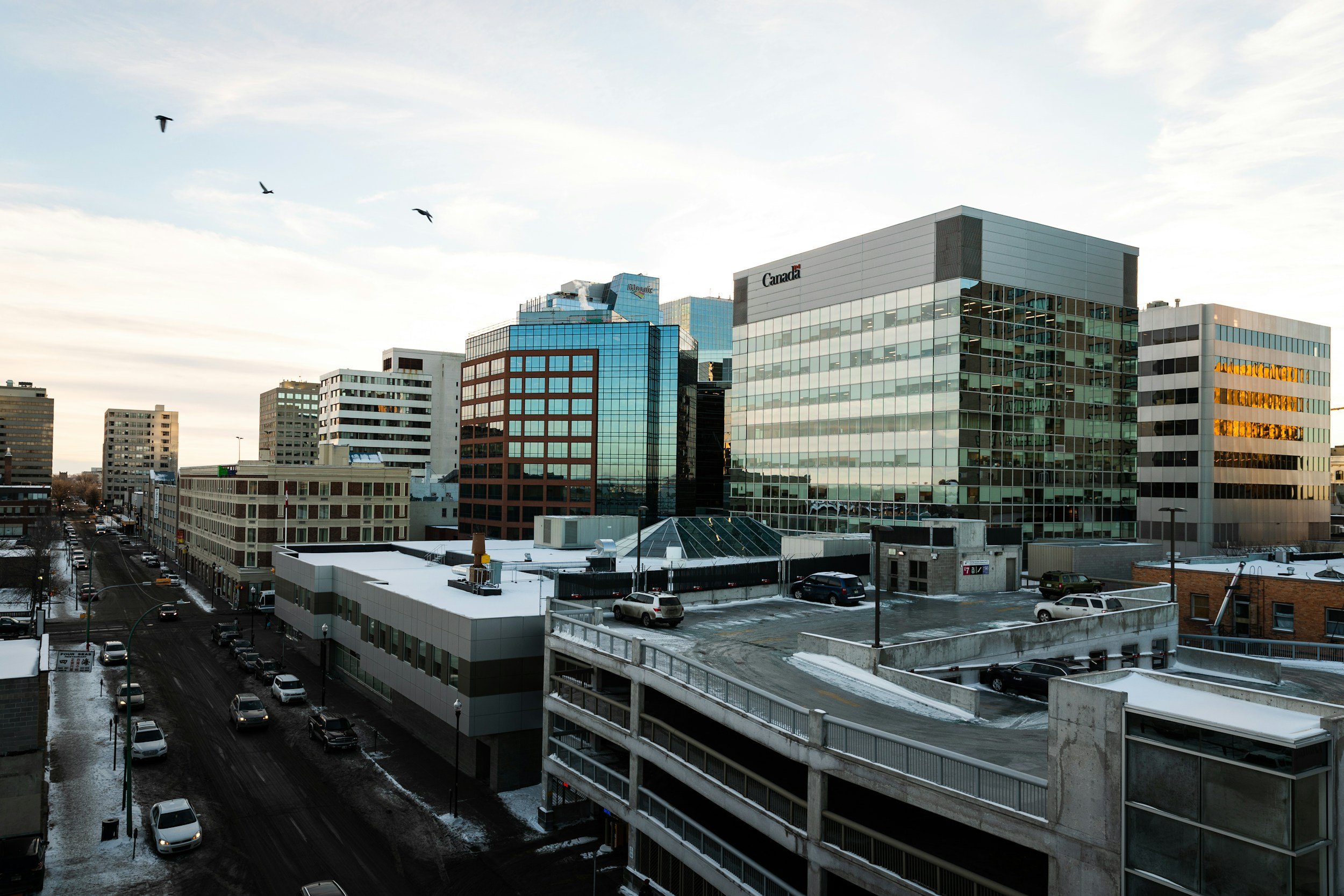
Are you planning on moving to Regina? Whether you’re relocating for work, family, school, or a fresh start, moving can quickly become overwhelming. Packing, loading, coordinating schedules, and ensuring your belongings arrive safely all take time and energy. That’s where Two Amigos comes in. We make moving to Regina simple, efficient, and stress-free.
Regina is a city built on opportunity and community. With a stable economy, affordable housing, and welcoming neighborhoods, it continues to attract individuals and families looking for a better quality of life. But while Regina offers a smoother pace of living, your move still requires experienced movers who understand logistics, planning, and care. Two Amigos delivers exactly that.
Why Choose Two Amigos for Your Regina Move
At Two Amigos, we believe moving should feel organized, reliable, and straightforward. Our team focuses on doing the job right the first time, treating your belongings with respect and your time with priority.
Here’s why people trust Two Amigos for Regina moves:
Experienced Regina movers who handle your belongings with care
Full-service moving options including packing, loading, transport, and unloading
Long-distance moving expertise for relocations from other cities or provinces
Transparent pricing with no hidden fees
Professional, friendly crews who communicate clearly
From downtown apartments to family homes in Harbour Landing, Rochdale Park, or East Regina, Two Amigos ensures your move is handled smoothly from start to finish.
Complete Moving Services in Regina
Residential Moving: Whether you’re moving into an apartment, townhouse, or detached home, our team carefully packs, transports, and unloads your belongings with precision and care.
Long-Distance Moving: Relocating to Regina from another city or province? Two Amigos coordinates every detail to ensure your belongings arrive safely and on schedule.
Commercial and Office Moves: Moving a business requires efficiency and planning. We minimize downtime while safely transporting office furniture, equipment, and supplies.
Packing and Unpacking Services: Let us handle the packing so you can focus on your transition. We use quality materials to protect fragile and valuable items.
Apartment and Condo Moves: We manage elevators, access points, and parking restrictions to ensure a seamless move without delays.
Make Your Move to Regina Stress-Free
Moving represents a major life transition, and the right movers make all the difference. Two Amigos handles the heavy lifting, planning, and logistics so you can focus on settling into your new Regina home or office.
We take pride in reliability, professionalism, and attention to detail. Every move is customized to your needs, ensuring a smooth and worry-free experience.
Contact Two Amigos Today
Your move to Regina starts with one simple step. Contact Two Amigos today for a free, no-obligation quote and discover how easy moving can be with experienced professionals on your side.
Whether you’re moving locally, across Saskatchewan, or from another province, Two Amigos is ready to make your Regina move efficient, safe, and stress-free. Book your move today and start your next chapter with confidence.
Section 1: Moving to Regina – Overview and Why Regina Is a Smart Choice
Regina is the capital city of Saskatchewan and a steady, practical relocation destination for families, professionals, students, and newcomers seeking affordability, stability, and opportunity. With a population of roughly 250,000 in the metropolitan area, Regina offers the advantages of a mid-sized city without the congestion, housing pressure, or cost burdens found in Canada’s largest urban centres.
Often described as “big enough for opportunity, small enough for balance,” Regina combines strong employment sectors, accessible housing, and a high quality of life rooted in community, green space, and predictability.
Why People Are Choosing Regina
1. Affordable Cost of Living
Regina consistently ranks among Canada’s most affordable cities. Housing prices, rental rates, insurance, and daily expenses are significantly lower than in cities like Toronto, Vancouver, Calgary, or even Winnipeg.
2. Stable Job Market
The local economy is anchored by government, healthcare, education, utilities, agriculture, energy, and insurance. Regina is less volatile than boom-and-bust resource cities, offering long-term employment stability.
3. Family-Friendly Environment
Wide streets, parks, safe neighborhoods, strong schools, and community recreation make Regina especially appealing to families raising children.
4. Manageable Commutes and Traffic
Most commutes are 10–20 minutes. Traffic congestion is minimal, parking is accessible, and daily routines are easier to manage.
5. Central Prairie Location
Regina’s location makes it a practical hub for those with ties across Western Canada or the northern United States.
Regina may not be flashy—but it is dependable, livable, and increasingly attractive for people prioritizing financial freedom, stability, and lifestyle balance.
Section 2: Climate, Seasons, and What Life in Regina Really Feels Like
Regina has a continental prairie climate, meaning clear seasonal differences that directly influence housing, transportation, clothing, and daily routines. Understanding the climate is essential before relocating.
Winter in Regina
Average temperatures: −15°C to −5°C (5°F–23°F)
Cold snaps: Can drop below −30°C with wind chill
Snowfall: Moderate but persistent
Lifestyle impact:
Winter tires are essential
Block heaters are common for vehicles
Outdoor activities shift indoors
Despite the cold, winters are manageable with preparation. The city functions normally year-round, and infrastructure is designed for extreme weather.
Spring
Temperatures: 0°C–15°C (32°F–59°F)
Snowmelt can create muddy conditions
Spring is short but energizing
Ideal for moving, home repairs, and settling in
Summer
Temperatures: 22°C–30°C (72°F–86°F)
Long daylight hours and sunny weather
Peak season for festivals, parks, patios, and family activities
Air conditioning is common in homes
Fall
Temperatures: 5°C–15°C (41°F–59°F)
Crisp air, minimal rainfall
Excellent season for relocation and home preparation
Transition period before winter sets in
Regina’s climate rewards preparation. Those who plan clothing, vehicles, and housing accordingly find the seasons predictable and livable.
Section 3: Neighborhoods, Housing, and Where to Live in Regina
Choosing the right neighborhood is one of the most important relocation decisions. Regina offers a mix of historic districts, family suburbs, and newer developments—each with distinct advantages.
Cathedral Area
Housing: Character homes, duplexes, rentals
Lifestyle: Artsy, walkable, community-focused
Pros: Close to downtown, unique homes, local shops
Cons: Older housing stock may require maintenance
Lakeview
Housing: Mid-century homes, renovated properties
Lifestyle: Quiet, established, family-oriented
Pros: Near Wascana Park, schools, and downtown
Cons: Limited new builds
Harbour Landing
Housing: Newer single-family homes, townhouses, condos
Lifestyle: Modern suburban living
Pros: New infrastructure, shopping, schools
Cons: Car-dependent, farther from downtown
East Regina (The Greens, Gardiner Park)
Housing: New developments and established homes
Lifestyle: Family-friendly, convenient retail access
Pros: Strong schools, growing communities
Cons: Less character than older neighborhoods
North Regina
Housing: Mix of affordable homes and newer developments
Lifestyle: Practical, accessible, diverse
Pros: Lower housing costs, improving infrastructure
Cons: Some areas vary significantly by block
Housing Snapshot
Rent (1-bedroom): $900–$1,300/month
Rent (family home): $1,300–$2,100/month
Home purchase:
Condos: $220,000–$350,000
Detached homes: $320,000–$550,000
Regina offers one of the lowest barriers to homeownership among Canadian cities, making it ideal for first-time buyers and long-term planners.
Section 4: Moving Costs and Budgeting for Regina
Relocating to Regina is generally more affordable than moving to most Canadian cities, but accurate budgeting is still essential—especially for interprovincial or international moves.
Local Moves Within Regina
Local moves are typically charged by the hour and depend on home size and services required.
Studio or 1-bedroom: $300–$700
2–3 bedroom home: $700–$1,500
Full-service packing: Adds 20–40% to total cost
Local moves are efficient due to short driving distances and minimal congestion.
Interprovincial Moves
Long-distance costs vary by origin city, shipment size, and service level.
Calgary → Regina: $2,000–$4,500
Edmonton → Regina: $2,500–$5,000
Toronto → Regina: $3,500–$7,000
Full-service options (packing, loading, unloading) reduce physical strain but increase cost.
International Moves
Regina is a common destination for newcomers from the United States and overseas.
United States → Regina: $2,500–$8,000
United Kingdom / Europe → Regina: $6,000–$12,000
Costs include shipping, customs clearance, insurance, and inland transport.
Additional Costs to Budget For
Utility deposits and connection fees
Temporary accommodation (if possession dates don’t align)
Winter surcharges for cold-weather moves
Vehicle import or inspection fees
A realistic moving budget allows newcomers to settle without financial pressure during their first months.
Section 5: Jobs, Income, and Career Opportunities in Regina
Regina’s economy is known for stability rather than volatility, making it ideal for long-term career planning.
Major Employment Sectors
Government & Public Administration
As the provincial capital, Regina has a high concentration of government jobs—policy, administration, IT, finance, and regulatory roles.
Healthcare
Hospitals, clinics, long-term care facilities, and health administration are major employers, with ongoing demand for skilled professionals.
Education
Public schools, post-secondary institutions, and training organizations offer roles for educators, administrators, and support staff.
Crown Corporations & Utilities
Insurance, power, telecommunications, and energy-related crown entities provide secure, well-paying employment.
Agriculture & Agri-Business
While more office-based than rural roles, Regina supports research, logistics, management, and technology positions tied to agriculture.
Income Expectations
Entry-level roles: $38,000–$50,000
Mid-career professionals: $55,000–$85,000
Senior / specialized roles: $90,000–$120,000+
While wages may be slightly lower than in Toronto or Vancouver, purchasing power is significantly higher due to lower living costs.
Job Search Tips
Secure employment before moving if possible, especially for international relocations
Credential recognition may be required for regulated professions
Networking is highly effective—Regina has a close-knit professional community
Regina is ideal for professionals seeking career security, predictable growth, and work-life balance.
Section 6: Healthcare, Education, and Essential Services
Access to healthcare, education, and daily services is a top concern for relocating families—and Regina performs strongly in all areas.
Healthcare
Residents are covered under the Saskatchewan Health Plan
New residents may experience a waiting period of up to 3 months—temporary insurance is recommended
Major healthcare facilities include general hospitals, specialty clinics, and urgent care centres
Family doctors can have waitlists, but walk-in clinics are widely available
Education
Public Schools
English and French-language programs available
Strong focus on literacy, numeracy, and student support services
Private & Faith-Based Schools
Smaller class sizes and specialized curricula
Higher tuition but increased customization
Post-Secondary Education
Universities, colleges, and technical institutions support local and international students
Strong programs in education, healthcare, trades, and public administration
Childcare & Family Services
Daycare costs: $850–$1,300/month per child
Early learning and after-school programs are widely available
Community centers provide sports, arts, and youth programming
Essential Services
Utilities are reliable and affordable
Banking, insurance, and government services are accessible and efficient
Transit, libraries, and recreation centers support daily life
Registering for healthcare, enrolling children early, and setting up services promptly helps families settle smoothly.
Section 7: Transportation, Commuting, and Getting Around Regina
Regina is a car-friendly city with short commute times, simple road layouts, and minimal congestion. Transportation planning is straightforward compared to larger urban centres.
Driving in Regina
Average commute: 10–20 minutes
Traffic congestion is light, even during peak hours
Parking is widely available and affordable
Winter driving preparedness is essential (snow tires, block heaters)
Most households own at least one vehicle, particularly in suburban neighborhoods.
Public Transit
Operated by Regina Transit
Bus routes cover most residential areas and commercial hubs
Service frequency is strongest during weekday peak hours
Monthly transit passes are affordable compared to larger cities
Public transit is reliable for commuting but less convenient for late evenings or cross-city travel.
Cycling and Walking
Regina is relatively flat, making cycling accessible
Multi-use pathways connect parks, neighborhoods, and Wascana Centre
Walking is practical in core neighborhoods like Cathedral and Downtown
Ride-Sharing and Taxis
Ride-sharing services operate city-wide
Taxis remain a common option, particularly during winter months
Transportation Tips for Newcomers
Choose housing based on proximity to work or school
Factor winter travel time into daily routines
If relocating from a car-free city, expect lifestyle adjustments
Overall, Regina’s transportation system supports predictable routines, low stress, and time efficiency.
Section 8: Seasonal Considerations and the Best Time to Move to Regina
Timing your move to Regina can significantly affect cost, comfort, and logistics. Each season presents unique advantages and challenges.
Winter Moves (December–February)
Pros
Lower moving costs due to off-peak demand
More availability with movers and rentals
Cons
Extreme cold, snow, and icy conditions
Increased risk of delays or weather-related issues
Best For: Budget-conscious movers with flexibility and winter preparedness.
Spring Moves (March–May)
Pros
Moderate temperatures
Easier handling of household goods
Lower competition than summer
Cons
Snowmelt can create muddy conditions
Best For: Families and professionals seeking balance between cost and comfort.
Summer Moves (June–August)
Pros
Ideal weather
Easier home showings and neighborhood exploration
School-year planning for families
Cons
Highest moving costs
Increased demand for rentals and movers
Best For: Families with children and those prioritizing convenience.
Fall Moves (September–November)
Pros
Cooler weather without extreme cold
Reduced moving costs compared to summer
Ideal for settling before winter
Cons
Shorter daylight hours later in the season
Best For: Strategic movers planning long-term settlement.
For most newcomers, late spring or early fall offers the best overall balance.
Section 9: Settling In – The First 90 Days in Regina
The first three months after relocation are critical for building stability, routines, and a sense of belonging.
Days 1–30: Foundation
Unpack essentials and organize living spaces
Set up utilities, internet, and waste services
Register for healthcare coverage and update IDs
Learn key routes for work, school, groceries, and healthcare
Days 31–60: Routine Building
Establish commuting routines
Explore local grocery stores, fitness facilities, and parks
Register children for school, daycare, or extracurriculars
Begin light social engagement through neighbors or community events
Days 61–90: Integration
Join community groups, sports leagues, or hobby clubs
Attend local festivals, markets, or cultural events
Evaluate long-term housing satisfaction
Begin professional networking if career growth is a priority
Tips for a Smooth Transition
Keep schedules flexible during the adjustment period
Prepare for seasonal changes, especially winter
Avoid overcommitting socially or financially too early
Most newcomers report feeling fully settled within 3–6 months, particularly due to Regina’s manageable pace and welcoming community culture.
Section 10: Cost of Living in Regina – A Detailed Breakdown
One of Regina’s strongest advantages is its low overall cost of living, especially when compared to major Canadian cities. Lower housing costs ripple outward, making everyday life more affordable and predictable.
Housing Costs
Housing is the single largest expense—and Regina excels here.
Rent (1-bedroom apartment): $900–$1,300/month
Rent (2–3 bedroom home): $1,300–$2,100/month
Home ownership:
Condos: $220,000–$350,000
Detached homes: $320,000–$550,000
Mortgage payments in Regina are often lower than rent in larger cities, accelerating long-term financial stability.
Utilities and Household Expenses
Electricity & heating: $120–$200/month (higher in winter)
Water & waste: Often included in property taxes or rent
Internet & mobile: $80–$130/month
Homes are generally well-insulated, but winter heating must be budgeted carefully.
Food and Groceries
Single adult: $300–$450/month
Family of four: $750–$1,100/month
Dining out is affordable, with casual meals averaging $15–$25 per person.
Transportation
Gasoline: Typically lower than national average
Car insurance: Lower than many provinces
Transit pass: Affordable and predictable
Childcare, Insurance, and Miscellaneous
Daycare: $850–$1,300/month per child
Gym & recreation: $40–$80/month
Entertainment & leisure: $100–$300/month
Overall, Regina allows households to save more, stress less, and plan long-term.
Section 11: Lifestyle, Recreation, and Community Life in Regina
Regina’s lifestyle is centered around community, accessibility, and balance. While it lacks the intensity of large metropolitan centres, it excels in livability.
Outdoor Recreation
Extensive walking and cycling paths
Large urban parks and green spaces
Seasonal sports: skating, hockey, golf, soccer, and fitness leagues
Outdoor activities are accessible year-round with seasonal adjustments.
Arts, Culture, and Entertainment
Local theatres, galleries, and live music venues
Community festivals and seasonal events
Strong local food scene with independent cafés and restaurants
While quieter than major cities, Regina offers consistent cultural engagement without overcrowding.
Family and Social Life
Family-oriented neighborhoods and schools
Community centers offering affordable programs
Youth sports, arts, and educational activities
Parents often cite Regina’s safety, simplicity, and support systems as major benefits.
Community Integration
Volunteerism is strong and accessible
Neighbors tend to be approachable and welcoming
Professional and social circles are easier to build than in large cities
Regina rewards those who engage locally—it’s a city where participation quickly turns into belonging.
Section 12: Housing Market Trends and Long-Term Outlook
Regina’s real estate market is best described as stable, accessible, and low-risk, making it ideal for homeowners and long-term investors.
Market Characteristics
Slower price appreciation than major cities
Minimal speculative volatility
Strong owner-occupier market
This stability protects buyers from sharp market swings.
Buying vs. Renting
Buying is often cheaper than renting within 3–5 years
First-time buyers benefit from lower down payment requirements
Long-term ownership builds equity without financial strain
Investment Potential
Steady rental demand from government workers, students, and healthcare professionals
Lower acquisition costs reduce financial risk
Reliable, though modest, returns
Neighborhood Growth
New developments continue in the south and east
Older neighborhoods see gradual revitalization
Infrastructure investments support long-term livability
Regina is not a “quick-flip” market—it’s a wealth-preservation and lifestyle-focused housing environment.
Section 13: Cross-Border & International Moves to Regina
Regina welcomes newcomers from across Canada, the United States, and overseas. While the city’s pace is calm, cross-border logistics require precision, documentation, and timing.
Moving from the United States
Entry documentation: Valid passport, visa/work permit (if applicable), and detailed household inventory
Customs: Used household goods can typically enter duty-free when properly documented
Vehicles: Must meet Canadian safety and emissions standards; inspections and fees may apply
Typical costs: $2,500–$8,000 for a 1–2 bedroom household, depending on distance and services
Moving from the United Kingdom & Europe
Immigration pathways: Express Entry, Provincial Nominee Programs, work or study permits
Shipping options:
Sea freight (4–8 weeks): cost-effective for full households
Air freight (1–2 weeks): faster, higher cost, best for essentials
Costs: $6,000–$12,000 for standard household moves, including insurance and inland delivery
Planning Tips for International Movers
Align shipment arrival with housing possession to avoid storage fees
Carry essentials and documents with you, not in shipped containers
Purchase temporary private health insurance until provincial coverage begins
With proper preparation, international moves to Regina are straightforward and predictable.
Section 14: Schools, Childcare, and Family Support Systems
Regina is particularly attractive to families due to its strong education system, accessible childcare, and broad family support services.
Public Education
Regina offers English and French-language public schooling
Schools emphasize literacy, numeracy, and student support services
Catchment-based enrollment encourages neighborhood community building
Private and Faith-Based Schools
Smaller class sizes and specialized programs
Higher tuition but more individualized learning environments
Often chosen for curriculum focus or values-based education
Post-Secondary Education
Universities, colleges, and technical institutions support domestic and international students
Strong programs in trades, healthcare, education, and public administration
Student populations contribute to steady rental demand and local economic activity
Childcare
Daycare costs: $850–$1,300/month per child
Demand can be high—early registration is strongly recommended
Home-based and center-based options are available
Healthcare and Family Services
Residents register for the Saskatchewan Health Plan
Walk-in clinics are widely accessible
Family doctors may have waitlists, but availability is improving
Community centers offer affordable sports, arts, and youth programs
Regina’s family infrastructure allows parents to focus on careers and quality of life without constant logistical stress.
Section 15: Moving Logistics – Packing, Storage, and Timeline Planning
Efficient logistics are the backbone of a smooth relocation. Regina’s straightforward layout and cooperative service providers make planning easier—but structure is still essential.
Packing Strategy
Room-by-room packing: Label boxes clearly by room and contents
Essentials kit: Clothing, toiletries, medications, chargers, documents
Fragile items: Use reinforced boxes, padding, and custom crating when necessary
Storage Solutions
Short-term storage is useful if housing dates don’t align
Climate-controlled units are recommended for electronics and antiques
Many movers coordinate storage-to-delivery seamlessly
Timeline Planning
6–12 Months Out
Research neighborhoods and housing
Secure employment or school placements
Begin immigration or interprovincial documentation
3–6 Months Out
Book movers
Begin downsizing and packing non-essentials
Arrange vehicle transport if needed
1 Month Out
Confirm moving dates
Transfer utilities and services
Finalize inventory lists
Moving Week
Supervise loading
Verify inventory
Prepare for weather conditions, especially in winter
Regina-Specific Tips
Winter moves require flexible scheduling
Summer is peak season—book early
Short city distances reduce delivery complications
Well-planned logistics turn a complex move into a controlled, low-stress transition.
Section 16: Transportation, Commuting, and Daily Mobility in Regina (Deep Dive)
Regina’s transportation ecosystem is designed around simplicity and predictability. For most residents, daily movement is efficient, low-stress, and inexpensive compared to larger cities.
Driving as the Primary Mode
Commute times typically range from 10–20 minutes across the city.
Road networks are straightforward, with clear arterial routes and minimal bottlenecks.
Parking is widely available at workplaces, shopping centres, and residential areas—often free or low cost.
Winter readiness is essential: snow tires, windshield fluid rated for extreme cold, and block heaters are common.
Public Transit
Public transportation is provided by Regina Transit, which operates bus routes covering most residential and commercial corridors.
Strongest service during weekday peak hours
Reliable for commuting to downtown, schools, and major employment hubs
Less frequent late-evening and weekend service compared to major metros
Transit works best for commuters with predictable schedules or those living along major routes.
Walking and Cycling
Regina’s flat terrain makes cycling accessible for many residents
Multi-use pathways connect parks, residential areas, and Wascana Centre
Walking is practical in established neighborhoods like Cathedral and Downtown
Ride-Sharing and Taxis
Ride-sharing services operate city-wide
Taxis remain a reliable winter option
Mobility Planning Tips
Most households plan around vehicle ownership
Choose neighborhoods based on commute simplicity rather than proximity pressure
Winter travel planning reduces seasonal stress
Overall, Regina offers time efficiency—one of its most underrated lifestyle benefits.
Section 17: Seasonal Life, Festivals, and Community Culture in Regina
Regina’s culture is closely tied to the seasons, with community life adapting naturally throughout the year. Participation—not spectacle—is what defines social life here.
Spring: Renewal and Reconnection
Residents emerge from winter routines
Community sports leagues, walking groups, and outdoor markets resume
A popular season for moving, renovations, and social rebuilding
Summer: Peak Community Engagement
Parks, patios, and backyard gatherings dominate social life
Outdoor concerts, food events, and cultural celebrations fill weekends
Long daylight hours encourage evening activities and family outings
Sports culture is especially strong, with deep civic pride around the Saskatchewan Roughriders, whose games and traditions bring the entire province together.
Fall: Structure and Preparation
School routines return
Cultural programming, arts events, and community fundraisers increase
Residents prepare homes and vehicles for winter
Winter: Resilience and Togetherness
Life slows slightly but does not stop
Indoor recreation, community centres, and local events keep social ties strong
Neighbors often support one another during extreme cold
Cultural Identity
Regina’s culture is:
Practical rather than performative
Community-driven rather than trend-driven
Inclusive, with strong volunteerism and local pride
For newcomers, engagement—not observation—is the fastest path to belonging.
Section 18: Settling In Long-Term – Networking, Careers, and Belonging
Thriving in Regina long-term comes from relationship building and routine integration, not constant hustle.
Professional Networking
Regina’s professional circles are smaller and more accessible
Word-of-mouth referrals are powerful
Industry associations, community boards, and volunteer leadership often lead to career advancement
Consistency matters more than volume—showing up regularly builds trust.
Career Growth
Career progression tends to be steady rather than explosive
Employers value loyalty, reliability, and community involvement
Many professionals enjoy shorter hours and stronger work-life balance than in major cities
Social Integration
Community leagues, faith groups, hobby clubs, and recreation programs are common entry points
Parents often connect quickly through schools and sports
Newcomers who volunteer report faster social integration
Long-Term Living Advantages
Predictable expenses
Stable employment sectors
Easier home ownership and retirement planning
Reduced burnout compared to high-pressure urban centres
Mindset for Success in Regina
Those who thrive most in Regina:
Value consistency over chaos
Prioritize financial stability
Engage locally rather than chasing constant novelty
Regina rewards commitment—and once you’re part of the community, doors open naturally.
Section 19: Retirement, Aging in Place, and Long-Term Living in Regina
Regina is increasingly chosen by retirees and near-retirees who want financial predictability, access to healthcare, and a slower—but connected—pace of life. The city’s affordability allows many residents to retire earlier or live more comfortably on fixed incomes.
Why Regina Works Well for Retirement
Affordable Housing
Downsizing is realistic without sacrificing comfort
Single-level homes, bungalows, and condos are widely available
Property taxes and maintenance costs remain manageable
Healthcare Access
Hospitals, clinics, and specialized care are accessible within short travel times
Walk-in clinics help offset family doctor waitlists
Home care services support aging in place
Low Daily Stress
Minimal traffic
Short distances to essential services
Less noise and urban pressure
Aging in Place
Many Regina homes and neighborhoods naturally support aging in place:
Flat terrain reduces mobility challenges
Established neighborhoods offer nearby grocery stores, pharmacies, and clinics
Community centers provide senior-focused fitness, learning, and social programs
Senior Lifestyle and Community
Active senior associations and clubs
Volunteer opportunities that provide purpose and social engagement
Seasonal travel is common, with many retirees spending winters elsewhere and returning for summer
Regina offers retirees security, simplicity, and dignity, rather than constant adjustment or financial strain.
Section 20: Common Mistakes When Moving to Regina (and How to Avoid Them)
Most relocation challenges are not caused by Regina itself—but by mismatched expectations or planning oversights. Avoiding these common mistakes ensures a smoother transition.
Mistake 1: Underestimating Winter Preparation
Solution:
Invest in proper winter clothing and vehicle equipment
Learn winter driving habits early
Budget for heating and seasonal expenses
Mistake 2: Choosing Housing Without Neighborhood Research
Solution:
Visit neighborhoods at different times of day
Match lifestyle needs (schools, commute, quiet vs. activity)
Don’t assume all affordability equals fit
Mistake 3: Expecting Big-City Pace and Amenities
Solution:
Embrace Regina’s slower, more deliberate rhythm
Engage locally instead of comparing constantly
Focus on quality of life, not quantity of options
Mistake 4: Delaying Community Engagement
Solution:
Join clubs, leagues, or volunteer early
Attend community events—even casually
Relationships build faster in Regina when effort is visible
Mistake 5: Overlooking Career Networking
Solution:
Build professional connections early
Understand that reputation travels quickly in smaller markets
Reliability and presence matter more than credentials alone
Avoiding these pitfalls allows newcomers to settle faster, integrate better, and enjoy Regina fully.
Section 21: Final Summary – The Complete Regina Relocation Guide
Moving to Regina is not about chasing trends—it’s about building a sustainable, balanced life. This guide has covered every major aspect of relocation so newcomers can move with confidence, clarity, and realistic expectations.
Key Takeaways
Affordability is Regina’s greatest strength—housing, transportation, and daily life costs remain accessible
Employment stability supports long-term planning and work-life balance
Community engagement is the fastest path to belonging
Seasonal preparedness, especially for winter, is essential
Families, professionals, and retirees all find viable long-term pathways here
Who Thrives Most in Regina
First-time homebuyers
Families prioritizing safety and stability
Professionals seeking predictable careers
Retirees focused on cost control and access to care
Newcomers who value community over constant stimulation
Regina rewards people who commit, participate, and plan thoughtfully. Those who approach the move with intention often discover a city that quietly delivers freedom from financial pressure, time for family, and room to breathe.
Moving to Regina Starts With One Smart Decision
Moving to Regina isn’t just a change of location—it’s a reset. A new routine. A new pace. A chance to build something steadier, more affordable, and more balanced. Whether you’re relocating for work, family, education, or simply a better quality of life, how you move matters just as much as where you’re going. That’s why choosing the right movers is the first real decision of your new chapter.
Two Amigos exists to make that decision easy.
Moving has a reputation for being stressful, unpredictable, and exhausting. Boxes pile up. Timelines shift. Small mistakes turn into big frustrations. Two Amigos takes a different approach. We focus on planning, communication, and care—so your move to Regina feels controlled, efficient, and calm from the start.
Regina offers space, stability, and opportunity. It’s a city where commutes are shorter, neighborhoods are welcoming, and life feels more manageable. But even in a city known for simplicity, moving still requires experience. From careful packing and secure loading to efficient transport and organized unloading, every step needs to be done right. Two Amigos handles the details so you don’t have to.
We understand that you’re not just moving furniture—you’re moving your life. That’s why we treat every move with respect and precision. Our crews arrive prepared, work efficiently, and communicate clearly throughout the process. No confusion. No unnecessary delays. Just steady progress and dependable service.
Whether you’re moving into a downtown apartment, a family home in a growing neighborhood, or relocating your business, Two Amigos adapts to your needs. Local moves, long-distance relocations, residential or commercial—each move is planned around your timeline and priorities. We don’t rush care, and we don’t cut corners.
What makes Two Amigos different is simple: reliability. We show up when we say we will. We handle your belongings as if they were our own. We keep pricing clear and expectations realistic. That consistency is what turns a stressful move into a positive experience.
Moving to Regina should feel like a step forward, not a headache to get through. With the right movers, it becomes exactly that—a smooth transition into a new phase of life. Two Amigos is here to carry the load, manage the logistics, and make sure your move feels organized from the first box to the last.
If you’re planning a move to Regina, now is the time to choose confidence over uncertainty. Choose experience over guesswork. Choose movers who understand that a good move isn’t loud or chaotic—it’s quiet, efficient, and done right.
Your next chapter starts with the move.
Start it with Two Amigos.
