
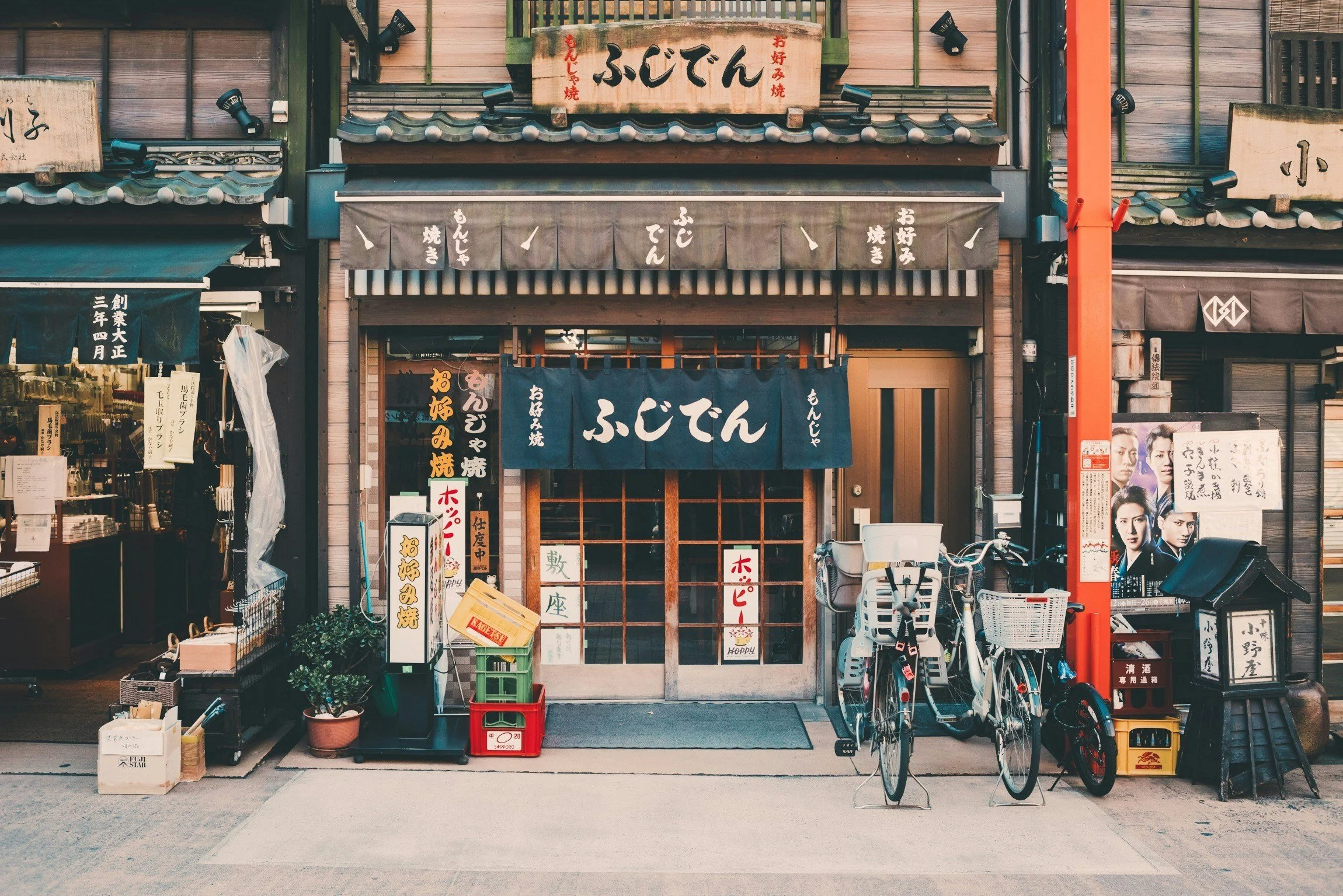
Moving to Japan from Canada is an exciting opportunity for Canadians seeking international career advancement, cultural experiences, modern urban living, educational opportunities, and a different lifestyle in one of Asia's most developed countries. Whether you are relocating from Toronto, the Greater Toronto Area, Vancouver, Calgary, Edmonton, Montreal, Ottawa, Winnipeg, Halifax, or another Canadian city, moving to Japan requires careful preparation and an understanding of Japanese immigration requirements, employment opportunities, housing arrangements, healthcare, taxation, and international moving procedures.
Japan is internationally recognized for its advanced infrastructure, extensive railway networks, distinctive cultural traditions, technological industries, public transportation, and diverse regional landscapes. From the metropolitan activity of Tokyo to the commercial environment of Osaka, the historic neighbourhoods of Kyoto, and the natural surroundings of Hokkaido, Canadians considering relocation have numerous destinations to explore.
For Canadians accustomed to living in Toronto or Vancouver, Japan offers a combination of familiar metropolitan conveniences and significant cultural differences. Large cities provide modern residential buildings, shopping centres, international businesses, restaurants, universities, and sophisticated transportation systems. However, housing sizes, workplace expectations, language requirements, and administrative procedures can differ considerably from Canadian standards.
Unlike some other Asian destinations, Japan should not automatically be considered a low-cost country. Although certain expenses may be more affordable than in Canada's most expensive cities, housing in desirable Tokyo neighbourhoods, international education, private accommodation, and imported products can be costly.
Moving household belongings from Canada to Japan also requires substantial logistical planning. Furniture and personal effects may travel thousands of kilometres by ocean freight before undergoing Japanese customs clearance and final delivery.
This comprehensive guide explains what Canadians should know before moving to Japan, including immigration pathways, employment opportunities, living expenses, housing, healthcare, education, transportation, taxation, shipping household belongings, and preparing for a successful international relocation.
Why Are Canadians Moving to Japan?
Japan attracts Canadians for several reasons, including professional opportunities, cultural experiences, education, safety, transportation, and quality of life.
One of the country's strongest attractions is its combination of modern infrastructure and traditional culture. Major cities offer advanced transportation networks, extensive commercial facilities, and access to international services, while historic neighbourhoods, temples, gardens, festivals, and traditional communities remain important parts of everyday life.
Canadian professionals may relocate to Japan for employment in technology, engineering, manufacturing, finance, education, research, and international business.
Japan is home to major automotive manufacturers, electronics companies, industrial businesses, financial institutions, and technology organizations.
For Canadians interested in international career development, working in Japan may provide valuable experience in a major global economy.
Education is another important motivation. Canadian students and researchers may pursue opportunities at Japanese universities, language schools, and research institutions.
Some Canadians move because of family relationships, while others are attracted by Japanese culture, cuisine, architecture, outdoor recreation, and regional travel opportunities.
Japan also has an extensive domestic transportation network, making it possible to explore different regions without relying entirely on private vehicles.
However, Canadians should approach relocation with realistic expectations. Language barriers, immigration requirements, workplace culture, housing arrangements, and the cost of establishing a household can create challenges.
A successful move generally requires appropriate residence authorization, dependable income, suitable accommodation, and a willingness to adapt to Japanese customs and administrative procedures.
Understanding the Differences Between Canada and Japan
Moving from Canada to Japan involves major adjustments in geography, housing, transportation, language, and daily routines.
Canada has extensive suburban communities, relatively large residential properties, and significant distances between major cities.
Japan has densely populated metropolitan areas, smaller regional cities, mountain communities, coastal towns, and rural regions.
A Canadian moving from Mississauga, Brampton, Vaughan, Oakville, or another GTA municipality may be accustomed to detached homes, large parking areas, and regular private vehicle use.
In Tokyo or Osaka, apartment living is common, and many residents rely on trains, subways, and buses for transportation.
Housing dimensions can also differ. Some Japanese apartments are compact compared with typical Canadian homes, particularly in central metropolitan areas.
Another important difference is language. Japanese is the primary language used in government administration, healthcare, banking, shopping, and most everyday interactions.
English is used in certain international businesses and tourist areas, but Canadians should not assume that English will be sufficient for every situation.
Learning Japanese can significantly improve employment opportunities, housing options, and everyday independence.
Japan's climate also varies considerably by region.
Northern areas experience snowy winters, while southern regions have warmer conditions. Much of the country experiences hot, humid summers, and certain regions are affected by typhoons.
Canadians should investigate the climate and natural hazards associated with their intended destination before relocating.
Best Cities in Japan for Canadians Moving Abroad
Choosing the right city is one of the most important decisions when moving to Japan. Different destinations offer different employment opportunities, housing costs, transportation networks, educational facilities, and lifestyles.
Moving from Toronto to Tokyo
Tokyo is Japan's capital and largest metropolitan centre.
It offers extensive employment opportunities, international businesses, financial institutions, universities, hospitals, shopping centres, and transportation connections.
For Canadians moving from Toronto, Tokyo may provide the most familiar large-city environment.
However, the scale and density of Tokyo can be significantly different from Canadian cities.
Neighbourhoods such as Shibuya, Shinjuku, Minato, Meguro, Setagaya, and Koto offer different residential environments.
Shibuya and Shinjuku are known for commercial activity, entertainment, offices, shopping, and major transportation hubs.
Minato includes international business districts and residential communities that may appeal to corporate expatriates.
Meguro and Setagaya offer residential neighbourhoods with varying levels of density, access to parks, and transportation connections.
Koto includes modern residential developments and waterfront areas.
Canadians should consider commuting times carefully because Tokyo's railway network is extensive and travel patterns can significantly affect everyday life.
Living close to a suitable railway station may be more important than selecting accommodation based solely on distance from the workplace.
Moving from Canada to Osaka
Osaka is one of Japan's largest commercial centres and offers a distinctive urban environment.
The city is known for its restaurants, shopping districts, business activity, and transportation connections.
For Canadians interested in metropolitan living outside Tokyo, Osaka may be an attractive alternative.
Neighbourhoods such as Umeda, Namba, Tennoji, and other residential districts offer different combinations of housing, employment access, and amenities.
Osaka also provides convenient access to nearby cities such as Kyoto, Kobe, and Nara.
Housing costs may differ from central Tokyo, although desirable locations and larger properties can still be expensive.
Moving from Canada to Kyoto
Kyoto is internationally recognized for its historic temples, traditional architecture, gardens, and cultural heritage.
The city also has universities, research institutions, businesses, and residential communities.
Canadians interested in Japanese history and traditional culture may find Kyoto particularly appealing.
However, tourism activity can affect certain neighbourhoods, and accommodation availability varies.
Employment opportunities may be more specialized than in Tokyo or Osaka.
Canadians should evaluate their professional prospects and housing requirements before selecting Kyoto.
Moving to Yokohama from Canada
Yokohama is a major city located south of Tokyo.
It offers waterfront districts, residential communities, shopping facilities, international businesses, and transportation connections.
Some Canadians working in the Tokyo metropolitan area may consider Yokohama because of its residential environment and commuting possibilities.
However, commute times depend on the specific home and workplace locations.
Yokohama offers a mixture of modern apartments, established neighbourhoods, and family-oriented residential areas.
Moving from Canada to Nagoya
Nagoya is an important industrial and commercial centre.
The region is particularly associated with automotive manufacturing, engineering, and related industries.
Canadian professionals working in manufacturing, industrial technology, engineering, and international trade may find relevant opportunities.
Nagoya offers modern urban amenities and transportation connections while providing a different metropolitan environment from Tokyo.
Moving to Fukuoka
Fukuoka is located on the island of Kyushu and has attracted attention for its urban amenities, technology-related business activity, and regional connections.
It offers restaurants, shopping facilities, residential neighbourhoods, and access to coastal areas.
Canadians seeking a major city with a somewhat different pace from Tokyo may find Fukuoka worth considering.
However, employment opportunities and international services should be evaluated based on individual requirements.
Moving to Sapporo and Hokkaido
Sapporo is the largest city in Hokkaido, Japan's northernmost main island.
It offers a climate that may feel more familiar to Canadians accustomed to snowy winters.
Hokkaido is known for winter sports, mountains, natural landscapes, and seasonal outdoor recreation.
Canadians interested in skiing, hiking, and cooler weather may find the region attractive.
However, winter transportation, heating expenses, and employment opportunities should be considered.
Cost of Living in Japan Compared to Canada
The cost of living is one of the most important considerations when relocating from Canada to Japan.
Japan offers a wide range of living expenses depending on location, accommodation, household size, and lifestyle.
Certain everyday expenses may compare favourably with Toronto or Vancouver, while others can be expensive.
A Canadian living in a modest apartment in a regional Japanese city may have substantially different expenses from a family renting a large home in central Tokyo.
Housing Costs in Japan
Housing expenses vary considerably.
Central Tokyo generally has some of the country's most expensive rental markets, particularly for larger apartments and properties in desirable neighbourhoods.
Regional cities may offer more affordable accommodation.
However, Japanese rental arrangements often involve additional upfront costs.
Depending on the property, these may include a security deposit, key money, agency fees, guarantor fees, insurance, and advance rent.
Canadians should investigate the total initial cost rather than focusing exclusively on monthly rent.
Grocery and Food Expenses
Japan offers extensive food shopping options, including supermarkets, convenience stores, specialty retailers, and traditional markets.
Local restaurants and prepared meals can sometimes be relatively affordable.
However, imported groceries, specialty products, and certain international foods may cost more.
Canadians with specific dietary requirements should investigate product availability.
Households can control expenses by purchasing local ingredients and adapting to Japanese shopping practices.
Utilities and Household Expenses
Electricity, gas, water, internet, and other utilities should be included in the household budget.
Heating costs can be significant during winter in colder regions.
Air conditioning expenses can increase during hot and humid summers.
Building insulation and heating arrangements vary, making property selection important.
Transportation Expenses
Japan's public transportation system can reduce the need for private vehicle ownership.
However, commuting costs depend on distance, transportation provider, and frequency of travel.
Some employers provide commuting allowances, but Canadians should confirm whether these are included in their employment package.
Finding Employment in Japan Before Leaving Canada
For Canadians moving to Japan for professional reasons, securing employment before departure is generally the most practical approach.
Japan has opportunities in technology, engineering, manufacturing, finance, education, research, and international business.
However, employment prospects depend on qualifications, experience, Japanese-language proficiency, and immigration eligibility.
Technology and Software Development Careers
Japan has a substantial technology industry.
Opportunities may exist in software engineering, cybersecurity, cloud computing, artificial intelligence, robotics, data analytics, and enterprise systems.
Some international technology companies employ English-speaking professionals.
However, Japanese-language proficiency can significantly expand employment options.
Canadian applicants should evaluate compensation, working hours, benefits, and career progression before accepting an offer.
Engineering and Manufacturing Careers
Japan is internationally recognized for automotive manufacturing, electronics, robotics, industrial machinery, and advanced manufacturing.
Canadian engineers and technical professionals may find opportunities with Japanese or multinational employers.
Certain positions may require specialized qualifications, professional experience, or Japanese-language ability.
Finance and International Business
Tokyo is a major financial centre.
Banks, investment firms, insurance companies, consulting organizations, and multinational corporations maintain operations in the city.
Canadian professionals with experience in financial services, corporate strategy, compliance, and international business may find relevant opportunities.
However, employment conditions and workplace expectations may differ from those in Canada.
Teaching English in Japan
English-language teaching is a common employment pathway considered by Canadians.
Potential employers include language schools, public-school programs, private educational institutions, and international schools.
Requirements vary by position.
Some roles require a university degree, while international schools generally expect recognized teaching credentials and relevant experience.
Canadians should carefully review employment contracts, compensation, housing arrangements, and work authorization requirements.
Research and Academic Careers
Japanese universities and research institutions may offer opportunities for qualified Canadian academics, scientists, and researchers.
Employment arrangements can involve university sponsorship, research funding, or specialized immigration categories.
Applicants should investigate the requirements associated with their particular institution and field.
Immigration and Visa Requirements for Canadians Moving to Japan
Immigration planning is essential for Canadians intending to live in Japan.
Canadian citizens may qualify for visa-free entry for certain short-term activities, but temporary visitor status does not authorize unrestricted employment or long-term residence.
Japan has specific residence categories covering employment, education, family relationships, business activities, and other qualifying circumstances.
The appropriate category depends on the applicant's intended activities and personal qualifications.
Working Visas for Canadian Professionals
Japan offers several employment-related residence categories.
These include categories for engineers, specialists in humanities and international services, instructors, researchers, professors, and other qualifying professionals.
The appropriate category depends on the nature of the employment.
Applicants may need educational credentials, professional experience, an employment contract, and supporting documentation from the Japanese employer.
A Certificate of Eligibility is commonly used to support certain long-term visa applications, although requirements depend on the case.
Canadians should confirm the applicable process before relocating.
Highly Skilled Professional Residence
Japan has immigration arrangements for qualifying highly skilled foreign professionals.
Eligibility can involve education, professional experience, compensation, and other criteria.
Certain qualifying applicants may receive immigration advantages under the applicable program.
However, these arrangements are not automatically available to every foreign professional.
Student Visas
Canadians planning to attend Japanese universities, language schools, or other eligible educational institutions may qualify for student residence status.
Students must satisfy admission, financial, and immigration requirements.
Employment during studies is restricted and generally requires separate permission for activities outside the authorized residence status.
Spouse and Family Residence
Canadians married to Japanese citizens or qualifying residents may have family-related immigration options.
Eligibility depends on the relationship and applicable legal requirements.
Family members accompanying foreign professionals may qualify for dependent residence status, but employment rights can be limited.
The Japanese Ministry of Foreign Affairs provides official information on available long-term visa categories.
Ministry of Foreign Affairs of Japan
Can Canadians Move to Japan Without a Job?
Moving to Japan without an employment offer may be possible under certain circumstances.
Qualifying students, spouses, entrepreneurs, and individuals with other recognized immigration grounds may have options.
However, Japan does not provide unrestricted long-term residence simply because a Canadian wishes to live there.
Canadians planning to work remotely should investigate the immigration rules applicable to their intended activities.
Japan has introduced arrangements for certain eligible digital nomads, but these are limited-duration programs with specific conditions rather than unrestricted permanent residence pathways.
Long-term residence should be planned around a lawful and appropriate immigration category.
Renting an Apartment or House in Japan
Finding accommodation in Japan can involve unfamiliar procedures for Canadians.
Japanese rental agreements may require substantial upfront payments, and landlords or management companies may have specific application requirements.
Foreign residents may also encounter requests for guarantors or guarantor-company arrangements.
Understanding Japanese Apartment Sizes
Japanese apartments are commonly advertised using layouts such as 1K, 1DK, 1LDK, 2LDK, and 3LDK.
These classifications describe the number of rooms and the presence of kitchen, dining, and living areas.
A 1LDK apartment generally includes one separate room and a combined living, dining, and kitchen area.
A 3LDK provides three separate rooms in addition to the main living space.
Canadians should review actual floor plans and measurements rather than relying exclusively on room classifications.
Understanding Key Money and Deposits
Some rental properties require key money, which is a non-refundable payment to the landlord.
Other initial expenses may include security deposits, agency fees, insurance, advance rent, and guarantor fees.
Not every property requires every type of payment.
Canadians should request a complete breakdown of move-in expenses before signing.
Furnished Versus Unfurnished Accommodation
Many Japanese rental apartments are unfurnished.
Some properties may not include appliances or lighting fixtures that Canadians ordinarily expect.
Furnished apartments and serviced accommodation are available, particularly in major cities.
However, these properties may have higher monthly costs.
Canadians should confirm exactly what is included before deciding which household belongings to ship.
Buying Property in Japan as a Canadian
Foreign nationals can generally purchase real estate in Japan, subject to applicable laws and reporting requirements.
However, property ownership does not automatically provide immigration status or residence rights.
Canadians should investigate property taxes, maintenance costs, building condition, financing arrangements, and legal obligations.
Earthquake resistance is particularly important when evaluating buildings.
Older properties may require substantial maintenance or renovation.
Canadians considering property purchases should obtain independent legal and real estate advice.
Healthcare in Japan for Canadians
Japan has a developed healthcare system with hospitals, clinics, specialists, and public health insurance arrangements.
Eligible residents are generally required to participate in an applicable public health insurance system.
Depending on employment and other circumstances, coverage may be provided through employer-based health insurance or National Health Insurance.
Patients typically pay a portion of covered medical expenses, subject to applicable rules and limits.
Canadians should confirm enrollment requirements soon after establishing residence.
Japan's Ministry of Health, Labour and Welfare provides guidance concerning National Health Insurance eligibility and enrollment.
厚生労働省
Employer Health Insurance
Many employees participate in employment-based health insurance arrangements.
Coverage and enrollment responsibilities depend on employment circumstances.
Canadians should review their employment contracts and confirm when coverage begins.
Medical Care and Language Barriers
Major cities have hospitals and clinics offering some English-language services.
However, English-language assistance is not universally available.
Canadians requiring ongoing treatment should investigate access to appropriate specialists before relocating.
Medical records, prescriptions, and relevant documentation should be organized in advance.
Pension Contributions
Japan also has pension enrollment requirements.
As a general rule, residents aged 20 to 59 are required to participate in the applicable national pension arrangements, subject to exceptions.
Employment circumstances determine how contributions are administered.
Canadians should investigate how Japanese pension participation interacts with their Canadian retirement planning.
Japan Pension Service
Education and International Schools in Japan
Families moving from Canada to Japan should investigate educational options well before departure.
Japan has public schools, private schools, and international schools.
Children attending Japanese public schools may benefit from language immersion and cultural integration.
However, language barriers can be challenging, particularly for older students.
International schools may offer English-language instruction and internationally recognized curricula.
These schools can be expensive, and admission availability varies.
Parents should consider commuting distances, school calendars, curriculum compatibility, and future university plans.
Families relocating with teenagers should pay particular attention to academic transitions.
Transportation and Daily Commuting in Japan
Japan's public transportation system is one of its most significant advantages.
Tokyo, Osaka, Nagoya, Kyoto, Fukuoka, and other cities have extensive railway, subway, and bus networks.
High-speed rail services connect major regions.
For Canadians accustomed to driving throughout the GTA, using trains for daily commuting may represent a major lifestyle change.
However, living near a convenient station can make transportation efficient.
Should Canadians Own a Car in Japan?
Vehicle ownership depends on location.
In central Tokyo, many residents do not need private vehicles.
In rural communities and smaller cities, cars may be more practical.
Vehicle ownership involves registration, insurance, parking, inspections, and maintenance.
Canadians should investigate the total costs before purchasing a vehicle.
Should Canadians Ship Their Canadian Car to Japan?
Importing a Canadian vehicle to Japan can involve regulatory requirements, inspections, modifications, shipping expenses, and registration procedures.
Japan also drives on the left side of the road.
For most Canadians, selling their vehicle before departure and purchasing or arranging transportation locally is more practical.
Shipping Household Goods from Canada to Japan
International moving from Canada to Japan involves several stages.
Household belongings must be packed, collected, transported to an export terminal, shipped overseas, cleared through Japanese customs, and delivered to the destination residence.
The exact arrangements depend on shipment volume, Canadian origin, Japanese destination, and freight availability.
Moving from Toronto and the GTA to Japan
Canadians relocating from Toronto, Mississauga, Brampton, Vaughan, Markham, Richmond Hill, Oakville, Burlington, Milton, Newmarket, Ajax, Pickering, Whitby, or Oshawa should begin by preparing a detailed household inventory.
Furniture, clothing, kitchen equipment, electronics, artwork, and personal belongings should be reviewed carefully.
Some items may be worth shipping, while others may be more economical to replace after arrival.
Professional packing can help protect fragile furniture and valuables during international transportation.
After collection, belongings are transported to an appropriate Canadian export terminal.
The shipment then travels overseas before undergoing Japanese customs procedures and destination delivery.
Moving from Vancouver to Japan
Vancouver's Pacific location may offer different ocean freight routing possibilities from eastern Canada.
However, transportation schedules, carrier availability, consolidation arrangements, and destination services determine actual delivery timelines.
Canadians should compare complete door-to-door quotations.
Moving from Calgary, Edmonton, Montreal, Ottawa, or Winnipeg to Japan
International shipments originating inland may require transportation by truck or rail to an export terminal.
This additional stage can influence total moving costs.
The moving provider should explain the proposed route, shipment handling arrangements, and destination services.
Full Container Load Versus Shared Container Shipping
Full-container-load shipping may be suitable for families transporting substantial furniture and household belongings.
A dedicated container provides space for larger shipments.
Less-than-container-load shipping allows smaller shipments to share container space.
This may be economical for Canadians moving from apartments or transporting limited belongings.
However, consolidated shipping can involve additional handling and scheduling.
The best option depends on shipment volume, budget, and delivery requirements.
Japan Customs Regulations for Household Goods
Japan has specific customs procedures for people importing household belongings when relocating.
Under Japan Customs guidance, people intending to stay in Japan for more than one year may qualify to import reasonable quantities of used household effects free of duty and applicable tax, subject to the relevant conditions.
Unaccompanied household goods generally must be imported within six months of arrival to qualify under the applicable relocation procedures.
Canadians transporting belongings separately from their flight should complete the required declaration when entering Japan.
For written declarations involving unaccompanied goods, two copies are required, and the certified copy is needed for subsequent customs clearance.
Failing to declare unaccompanied belongings correctly at entry can create difficulties obtaining the applicable customs relief.
税関 Japan Customs+1
Preparing a Household Inventory
An accurate inventory is essential.
Canadians should list furniture, appliances, electronics, clothing, kitchen equipment, and other belongings.
Restricted goods may require permits or additional approvals.
Food products, plants, animal products, medications, and other regulated items should be reviewed before shipment.
Commercial goods and unusually valuable items may require different customs procedures.
How Much Does It Cost to Move from Canada to Japan?
International moving costs depend on shipment volume, transportation method, Canadian departure location, Japanese destination, and services required.
A Canadian transporting several boxes will face different expenses from a family shipping the contents of a large detached home.
Ocean freight is generally more economical for large household shipments.
Air freight may provide faster transportation for urgent belongings but can be expensive for bulky items.
A complete moving quotation should explain whether packing, loading, inland transportation, export documentation, freight, customs coordination, destination handling, storage, and final delivery are included.
Factors Affecting International Moving Costs
Shipment volume is one of the largest cost factors.
Additional furniture requires more freight space and handling.
The destination also matters.
Moving to central Tokyo may involve different delivery arrangements from moving to Osaka, Kyoto, Nagoya, Fukuoka, or Sapporo.
Building access, elevator availability, parking restrictions, and narrow residential streets can affect delivery.
Temporary storage may create additional expenses if the shipment arrives before the residence is ready.
Should Canadians Ship Furniture or Buy New Furniture in Japan?
Japan has an extensive furniture market.
Canadians can purchase beds, sofas, tables, appliances, and household equipment locally.
For people relocating into compact apartments, shipping oversized Canadian furniture may be impractical.
Large sectional sofas, king-size beds, and bulky dining tables may not fit comfortably into certain Japanese residences.
Doorways, elevators, staircases, and apartment layouts should be measured carefully.
However, valuable furniture, antiques, artwork, and sentimental belongings may justify international transportation.
Electrical Compatibility
Electrical compatibility is particularly important.
Japan generally uses 100-volt electricity, while Canada commonly uses 120 volts.
Some modern electronics support a broad voltage range, but other appliances may not function correctly.
Japan also uses different electrical frequencies in eastern and western regions.
Canadians should inspect appliance specifications before deciding what to ship.
How Long Does It Take to Move from Canada to Japan?
International moving timelines depend on freight schedules, shipment consolidation, customs clearance, and destination delivery.
Ocean freight shipments may take several weeks or longer.
Air freight can provide faster transportation for smaller shipments.
However, the complete door-to-door process also includes packing, inland transportation, export handling, customs procedures, and final delivery.
Canadians should begin planning several months before departure whenever possible.
Temporary accommodation and a separate supply of essential belongings can help during the period before the main shipment arrives.
Preparing for Japan's Climate and Natural Hazards
Japan's climate varies considerably between regions.
Hokkaido experiences cold, snowy winters.
Tokyo and Osaka generally have hot, humid summers and cooler winters.
Southern regions have warmer conditions.
Japan also experiences earthquakes, typhoons, and other natural hazards.
Canadians should investigate local emergency procedures and building safety before relocating.
Earthquake Preparedness
Japan has established earthquake preparedness systems and building standards.
However, residents should still prepare emergency supplies and understand evacuation procedures.
Canadians should learn how to receive local emergency alerts and identify designated evacuation locations.
Typhoon Preparedness
Certain regions experience typhoons and heavy rainfall.
Residents should monitor weather warnings and understand local flood risks.
Emergency supplies, insurance arrangements, and appropriate housing selection can help reduce potential disruption.
Banking and Managing Money in Japan
Japan uses the Japanese yen.
Canadians relocating long term may need a Japanese bank account for salary payments, rent, utilities, and everyday transactions.
Account opening requirements depend on the financial institution and immigration status.
Canadians should investigate documentation requirements before arrival.
Maintaining Canadian banking access may also be important for existing financial obligations.
International transfers can involve exchange-rate differences and transaction fees.
Canadians should compare financial service providers before transferring substantial funds.
Canadian Taxes and Japanese Tax Residency
Tax planning is an important part of moving from Canada to Japan.
Canada determines tax residency based on individual circumstances and residential ties.
Leaving Canada does not automatically eliminate every Canadian tax obligation.
Some departing residents may face departure-tax considerations involving particular assets.
Japan has its own tax residency rules, and the treatment of income depends on individual circumstances.
Foreign-source income, employment income, investments, and other financial interests may be subject to different rules.
Canadians should investigate the Canada–Japan tax treaty and obtain qualified cross-border tax advice.
This is particularly important for people retaining Canadian property, investments, corporations, or business interests.
Moving to Japan with Children and Family Members
Family relocations require additional preparation.
Parents should investigate schools, healthcare, accommodation, immigration documentation, and transportation before departure.
International school tuition can represent a significant expense.
Families should also consider access to parks, childcare, recreational activities, and suitable medical services.
Children may need support adjusting to a new language and educational environment.
For families moving from large Canadian suburban homes, adjusting to smaller Japanese apartments may require reducing household belongings.
Planning furniture shipments around the destination property's size can help avoid unnecessary expenses.
Bringing Pets from Canada to Japan
Canadians relocating with pets must investigate Japan's animal import requirements well before departure.
Japan has strict procedures intended to prevent the introduction of certain animal diseases.
Depending on the animal and origin, requirements may include microchipping, vaccinations, rabies antibody testing, advance notification, veterinary certificates, and inspection.
The preparation timeline can be substantial.
Failing to meet the requirements may result in extended detention or quarantine.
Pet owners should coordinate with their veterinarian, airline, and Japan's Animal Quarantine Service before making travel arrangements.
Common Mistakes Canadians Make When Moving to Japan
One common mistake is underestimating the importance of Japanese-language proficiency.
Although English is used in some workplaces, everyday administrative procedures may require Japanese.
Another mistake is assuming that rental arrangements will resemble those in Canada.
Upfront rental costs, guarantor requirements, and property conditions can differ substantially.
Canadians may also underestimate the challenges of shipping oversized furniture into smaller apartments.
Failing to prepare customs declarations correctly can create complications when importing household belongings.
Other mistakes include overlooking healthcare enrollment, pension obligations, transportation costs, and regional natural hazards.
Careful planning can help prevent these problems.
How to Prepare for Moving from Toronto and the GTA to Japan
A successful international move begins with confirming immigration eligibility and establishing a reliable source of income.
Once the destination is selected, Canadians should research accommodation, healthcare, transportation, and everyday expenses.
The next step is reviewing household belongings.
Furniture, clothing, electronics, kitchen equipment, and personal effects should be divided into items to ship, sell, donate, store, or carry during travel.
Important documents should remain accessible.
Professional packing may be appropriate for fragile or valuable items.
Canadians should confirm customs requirements and understand the services included in their international moving quotation.
Before leaving Canada, review banking arrangements, taxation, healthcare coverage, property obligations, and other financial responsibilities.
After arriving in Japan, eligible mid- to long-term residents must register their address with the appropriate municipal office within 14 days of establishing their residence.
Immigration Services Agency
Other settlement priorities include banking, health insurance, pension enrollment where applicable, housing, and transportation.
International Moving from Canada to Japan with Two Amigos
Moving from Canada to Japan requires careful coordination, particularly when transporting furniture and household belongings across international borders.
At Two Amigos, we understand that overseas relocations involve more than packing boxes and arranging transportation.
International moving requires attention to shipment volume, protective packing, freight arrangements, customs documentation, and destination delivery requirements.
For Canadians moving from Toronto and the Greater Toronto Area, preparing an accurate household inventory can help simplify the planning process.
Whether you are relocating from Toronto, Mississauga, Brampton, Vaughan, Markham, Richmond Hill, Oakville, Burlington, Milton, Newmarket, Ajax, Pickering, Whitby, Oshawa, or another Ontario community, organizing belongings early can reduce avoidable complications.
Our team can discuss your household moving requirements, packing needs, and the services available for your intended international destination. Specific overseas shipping, customs coordination, storage, and destination delivery arrangements should be confirmed as part of your individual moving quotation.
Planning Your Move from Toronto to Tokyo, Osaka, Kyoto, or Yokohama
Every Japanese destination presents different logistical considerations.
Moving to a high-rise apartment in Tokyo may require coordination concerning loading areas, elevators, and building access.
Relocating to Kyoto may involve narrow streets or property access restrictions in certain neighbourhoods.
Moving to Osaka, Yokohama, Nagoya, or another metropolitan destination can involve different transportation and delivery arrangements.
Providing accurate destination information during the quotation process can help identify potential challenges.
Request a Personalized International Moving Quote
If you are preparing to move from Toronto or the GTA to Japan, begin by identifying the belongings you intend to transport and your expected relocation date.
An accurate household inventory can help determine suitable packing and transportation arrangements.
Discussing your requirements early provides time to evaluate shipping options, prepare documentation, and coordinate delivery expectations.
Contact Two Amigos to discuss your international relocation plans and request a personalized moving quotation.
Final Thoughts: Is Moving from Canada to Japan Worth It?
Moving to Japan from Canada can provide an exciting opportunity to experience a different culture, pursue professional opportunities, access advanced infrastructure, and explore one of Asia's most distinctive countries.
Japan offers diverse destinations, from the metropolitan activity of Tokyo and Osaka to the cultural heritage of Kyoto, the industrial opportunities of Nagoya, and the natural landscapes of Hokkaido.
However, relocation also presents challenges involving immigration, employment, language, housing, healthcare, taxation, and international shipping.
Canadians moving from Toronto, Vancouver, Calgary, Montreal, Ottawa, Edmonton, Winnipeg, Halifax, or elsewhere in Canada should carefully evaluate their financial circumstances and long-term goals.
With appropriate immigration authorization, realistic budgeting, suitable accommodation, and organized international moving arrangements, relocating from Canada to Japan can provide the foundation for a rewarding new chapter abroad.
