
Moving to Germany from Canada
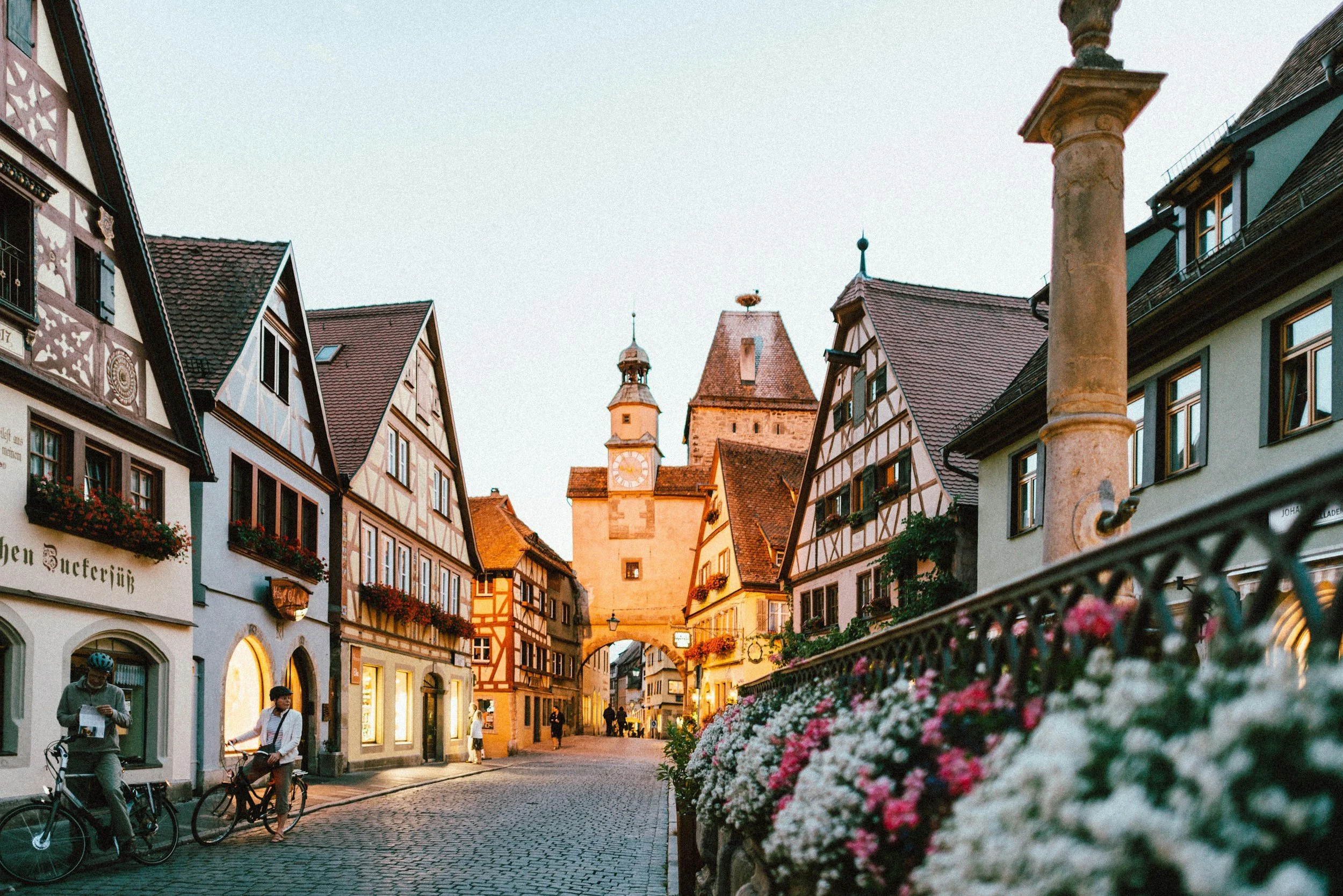
Relocating internationally is one of the most transformative decisions a person can make, and moving to Germany from Canada is increasingly popular among Canadians seeking career opportunities, affordable living, world-class infrastructure, and a central European lifestyle.
Germany is widely recognized as the economic powerhouse of Europe. With its strong job market, high standard of living, and excellent public systems, it offers a compelling alternative to life in Canada—especially for those looking to balance career growth with quality of life.
However, moving to Germany from Canada is not a simple transition. It requires careful planning, an understanding of immigration pathways, cultural adaptation, financial preparation, and logistical coordination.
This guide is designed to be a deep, comprehensive resource that walks you through every aspect of the relocation process—from deciding where to live to navigating visas, housing, healthcare, taxes, and long-term settlement.
Why Canadians Are Moving to Germany
Strong Economy and Job Opportunities
Germany has the largest economy in Europe and is a global leader in several industries.
Key sectors include:
automotive manufacturing
engineering and industrial production
information technology
renewable energy
finance and consulting
Cities like Berlin, Munich, and Frankfurt offer diverse job markets that attract international talent.
For Canadians, this means access to:
multinational corporations
EU-wide career mobility
high demand for skilled workers
Lower Cost of Living Compared to Major Canadian Cities
Compared to cities like Toronto or Vancouver, many German cities offer:
lower rent (especially outside Munich)
affordable public transportation
lower healthcare costs
cheaper groceries and dining
While some cities like Munich are expensive, overall affordability is often better than Canada’s largest urban centres.
Work-Life Balance
Germany is known for its strong emphasis on work-life balance.
Employees benefit from:
shorter working hours
strict labour protections
generous vacation time (often 20–30 days per year)
paid public holidays
For Canadians used to North American work culture, moving to Germany from Canada can feel like a major lifestyle upgrade.
Central Location in Europe
Germany’s location allows easy travel across Europe.
From cities like Frankfurt or Berlin, you can reach:
France
Italy
Spain
Netherlands
within hours.
This makes Germany an ideal base for exploring Europe.
High Quality of Life
Germany consistently ranks highly for:
public infrastructure
safety
environmental standards
healthcare quality
Cities are clean, efficient, and well-organized.
Choosing the Best City in Germany
Selecting the right city is one of the most important decisions when moving to Germany from Canada.
Berlin
Overview
Berlin is Germany’s capital and a global hub for culture, startups, and creativity.
Lifestyle
Berlin offers:
vibrant nightlife
diverse international communities
artistic and alternative culture
Job Market
Strong in:
tech startups
media and creative industries
digital marketing
Cost of Living
More affordable than Munich but rising quickly.
Best For
young professionals
creatives
digital nomads
Munich
Overview
Munich is one of Germany’s wealthiest cities.
Lifestyle
clean and organized
close to the Alps
high quality of life
Job Market
Strong in:
engineering
automotive (BMW headquarters)
finance
Cost of Living
One of the most expensive cities in Germany.
Best For
high-income professionals
families
engineers
Frankfurt
Overview
Frankfurt is Germany’s financial capital.
Job Market
Strong in:
banking
finance
consulting
Lifestyle
international environment
business-focused
excellent transport connections
Best For
finance professionals
expats seeking global careers
Hamburg
Overview
Hamburg is a major port city with a strong economy.
Lifestyle
waterfront living
relaxed atmosphere
strong cultural scene
Job Market
logistics
media
trade
Best For
professionals seeking balance
families
Cologne
Overview
Cologne is known for its friendly culture.
Lifestyle
welcoming atmosphere
strong social life
famous cathedral
Best For
newcomers seeking easier integration
Visa and Immigration Pathways
Understanding immigration is critical when moving to Germany from Canada.
Job Seeker Visa
Allows Canadians to stay in Germany for up to 6 months while searching for employment.
EU Blue Card
For highly skilled professionals with job offers.
Benefits include:
fast-track residency
path to permanent residency
Work Visa
Standard visa for employment in Germany.
Student Visa
For those attending German universities.
Freelance Visa
Popular among:
freelancers
creatives
digital nomads
Cost of Living in Germany
Housing
Berlin: €800–€1,500/month
Munich: €1,200–€2,500/month
smaller cities: €500–€1,000/month
Groceries
single person: €200–€400/month
Transportation
monthly pass: €50–€100
Utilities
€150–€300/month
Healthcare System in Germany
Germany has one of the best healthcare systems in the world.
Public Healthcare
Mandatory for most residents.
Private Healthcare
Available for higher earners.
Costs
typically deducted from salary
Cultural Differences
Language
German is the official language.
English is widely spoken in major cities, but learning German is essential long-term.
Social Norms
punctuality is critical
direct communication style
strong respect for rules
Moving Logistics
Shipping
air freight (fast, expensive)
sea freight (slow, affordable)
What to Bring
Most people bring:
essentials
documents
personal items
Settling In
First Steps
register your address
open a bank account
get health insurance
obtain tax ID
Final Thoughts (Part 1)
Moving to Germany from Canada offers incredible opportunities for career growth, lifestyle improvement, and cultural exploration.
While the process can be complex, the rewards are significant for those willing to plan carefully and adapt.
Moving to Germany from Canada (Part 2)
Building on the foundation, this section goes significantly deeper into the financial realities, housing systems, bureaucracy, and real-world execution of moving to Germany from Canada.
This is where most relocations either succeed smoothly—or become stressful. The difference is preparation and understanding the details most guides skip.
The True Cost of Moving to Germany from Canada
Relocating internationally involves layered costs that go far beyond flights and rent. A realistic budget ensures you avoid financial stress in your first 3–6 months.
One-Time Moving Costs (Deep Breakdown)
Flights
From major Canadian cities like:
Toronto
Vancouver
Typical one-way costs:
economy: $600 – $1,200 CAD
premium economy: $1,200 – $2,000 CAD
business class: $3,000+ CAD
Hidden factor: luggage fees. Many international movers underestimate this.
Extra baggage:
$100–$300 per additional suitcase
Visa and Immigration Costs
Depending on your pathway:
visa application: $100 – $1,000 CAD
document translations: $50 – $300 per document
notarization/legalization: $100 – $500
travel for consulate appointments (if required)
Initial Settlement Buffer (CRITICAL)
You should have at least:
€3,000 – €8,000 (minimum)
€10,000+ recommended
This covers your first 2–3 months without income.
Shipping Costs: What Most People Get Wrong
Shipping is often miscalculated.
Option 1: Minimalist Move (Most Popular Now)
Bring only:
clothes
laptop
documents
Cost:
$0 – $500 (extra luggage)
Why this works:
German apartments are often unfurnished, and buying locally is cheaper than shipping.
Option 2: Partial Shipment
$2,000 – $6,000
2–6 week delivery
Option 3: Full Household Move
$6,000 – $15,000+
6–10 weeks
Includes:
container shipping
customs handling
delivery
Key Insight
For most Canadians moving to Germany, shipping furniture is rarely worth it.
Housing in Germany: The Reality (Extremely Important Section)
Housing is the hardest part of moving to Germany.
Why It’s Difficult
Major cities like:
Berlin
Munich
have:
housing shortages
intense competition
strict application requirements
Types of Rentals
Warm Rent (Warmmiete)
Includes:
base rent
utilities (heating, water)
Cold Rent (Kaltmiete)
Base rent only.
You must pay:
utilities
electricity
internet
Upfront Costs
Expect to pay:
3 months rent deposit
first month’s rent
possibly agent fees
Example (Berlin)
rent: €1,200/month
deposit: €3,600
total upfront: €4,800+
Documents Required
To rent in Germany, you typically need:
proof of income
SCHUFA (credit report)
ID/passport
employment contract
rental application
Temporary Housing Strategy
Most newcomers:
Book Airbnb for 2–6 weeks
Search locally
Apply aggressively
Insider Tip
You may need to apply to 20–50 apartments before securing one.
Bureaucracy: The System You Must Understand
Germany is efficient—but highly bureaucratic.
Anmeldung (Address Registration)
This is mandatory.
After finding housing, you must register your address.
Without Anmeldung, you cannot:
open a bank account
get paid
access services
Tax ID (Steuer-ID)
Issued after registration.
Required for:
employment
salary processing
Residence Permit
After arriving, you must convert your visa into a residence permit.
Timeline Reality
Expect:
multiple appointments
long wait times
paperwork-heavy processes
Banking and Money Setup
Opening a bank account is essential.
Requirements
passport
address registration
sometimes employment contract
Popular Banks
N26 (digital)
Deutsche Bank
Commerzbank
Common Issue
You often need an address to open a bank account—but need a bank account for housing.
Solution: use digital banks initially.
Jobs in Germany: Deep Strategy for Canadians
Where Canadians Have an Advantage
You are highly competitive in:
English-speaking roles
international companies
tech and IT
marketing
finance
Where You May Struggle
government jobs
roles requiring fluent German
regulated professions
Best Cities for Jobs
Berlin
Startups, tech, creative industries
Munich
Engineering, corporate roles
Frankfurt
Finance and banking
Salary Expectations
entry-level: €40,000 – €55,000
mid-level: €55,000 – €80,000
senior: €80,000+
Key Insight
Salaries may be lower than Canada—but:
healthcare is cheaper
transportation is cheaper
lifestyle costs are lower overall
Taxes in Germany (Simplified but Deep)
Germany has a progressive tax system.
Income Tax Rates
Approximate:
14% – 45% depending on income
Social Contributions
Automatically deducted:
health insurance
pension
unemployment insurance
Net Salary Reality
You may take home 60–70% of your gross salary.
Tax Classes
Your tax class depends on:
marital status
family situation
Healthcare System (Detailed)
Germany has mandatory health insurance.
Public Insurance (Most Common)
based on income
covers most medical services
Private Insurance
Available for:
higher earners
freelancers
Costs
~14–15% of income (shared with employer)
Key Advantage
Healthcare quality is extremely high.
Transportation and Daily Life
Germany has one of the best transport systems globally.
Public Transit
trains (Deutsche Bahn)
U-Bahn (subway)
S-Bahn (regional trains)
buses and trams
Monthly Costs
€50 – €100
Car Ownership
Often unnecessary in cities.
Cultural Adjustment (Deep Reality)
Direct Communication
Germans are very direct.
This can feel blunt compared to Canadian politeness.
Punctuality
Being late is not acceptable.
Rules and Structure
Germany values:
order
efficiency
predictability
Social Integration
Making friends takes time—but relationships are strong once formed.
First 90 Days: Step-by-Step Reality
Week 1–2
arrive
settle into temporary housing
begin apartment search
Week 2–6
secure housing
complete Anmeldung
open bank account
Month 2–3
finalize residence permit
start job (or continue search)
integrate into daily life
Biggest Mistakes Canadians Make
Underestimating Housing Difficulty
This is the #1 issue.
Not Learning German
Even basic German makes a huge difference.
Bringing Too Much Stuff
Shipping costs outweigh benefits.
Expecting Canadian Systems
Germany operates very differently.
Final Thoughts (Part 2)
At this stage, you should understand the real mechanics of relocating.
Moving to Germany from Canada is not difficult—but it requires:
patience
planning
adaptability
Moving to Germany from Canada (Part 3)
Long-Term Residency and Citizenship in Germany
Understanding Permanent Residency (Niederlassungserlaubnis)
For Canadians moving to Germany, permanent residency is a major milestone that provides long-term stability and freedom.
Permanent residency allows you to:
live and work in Germany indefinitely
switch employers without restrictions
access broader social benefits
avoid repeated visa renewals
Eligibility Requirements
To qualify, most applicants must meet the following:
Standard Path (Typically 5 Years)
legal residence in Germany for at least 5 years
stable income and employment
contributions to the German pension system
basic German language skills (usually B1 level)
no criminal record
Fast-Track Options
Certain individuals can qualify faster:
EU Blue Card holders: 21–33 months depending on language level
graduates from German universities: reduced time requirements
Citizenship (Becoming German)
After permanent residency, many Canadians pursue citizenship.
General Requirements
5–8 years of legal residence
advanced German language skills
passing a citizenship test
financial independence
renouncing previous citizenship (though dual citizenship rules are evolving)
Key Insight
Germany has been modernizing its immigration system, making it increasingly attractive for skilled workers from Canada.
Deep Dive: Job Search Strategy for Canadians
Understanding the German Hiring Market
The job market in cities like Berlin, Munich, and Frankfurt operates differently than in Canada.
Employers prioritize:
formal qualifications
structured CVs
clear specialization
Building a German-Style CV (Lebenslauf)
Key Differences from Canadian Resumes
typically 1–2 pages max
includes a professional photo (optional but common)
detailed employment timeline
structured and chronological format
Cover Letters (Anschreiben)
Cover letters are often required and should:
be highly tailored
explain why you fit the role
demonstrate knowledge of the company
Best Job Platforms
When moving to Germany from Canada, focus on:
LinkedIn (for international roles)
StepStone
Indeed Germany
company career pages
Networking Strategy
Networking is critical.
Effective Approaches
attend industry events
join expat groups
connect with professionals on LinkedIn
leverage alumni networks
Language Advantage Strategy
If you don’t speak German fluently:
target English-speaking roles
focus on international companies
prioritize tech, startups, and global firms
Deep Cost Optimization Strategies
Housing Optimization
Live Outside City Centers
Instead of central Munich or Berlin:
consider suburban areas
commute via public transit
save 20–40% on rent
Grocery and Food Savings
shop at discount supermarkets (Aldi, Lidl)
cook at home more frequently
avoid premium imported goods
Transportation Savings
use monthly transit passes
avoid car ownership
take advantage of regional train deals
Tax Optimization
Understanding tax classes and deductions can significantly impact your net income.
Family Relocation to Germany
Moving with Children
Families moving to Germany from Canada benefit from strong public systems.
Education System
Germany offers:
public schools (free)
international schools (paid)
bilingual education options
Childcare (Kita)
subsidized childcare
availability varies by city
early application recommended
Family Benefits
Parents may receive:
Kindergeld (child benefit payments)
parental leave support
childcare subsidies
Best Cities for Families
Munich
safe, clean, high quality of life
Hamburg
balanced lifestyle, strong infrastructure
Cologne
family-friendly atmosphere
Lifestyle and Daily Living in Germany
Work-Life Balance
Germany emphasizes:
structured work hours
clear separation of work and personal life
generous vacation time
Shopping and Daily Routines
most shops close early (especially Sundays)
planning ahead is essential
smaller, local stores are common
Food Culture
German cuisine includes:
bread varieties
sausages
regional specialties
However, major cities offer global food diversity.
Social Life and Integration
Making Friends in Germany
Social circles can be:
slower to form
deeper once established
Best Ways to Integrate
join clubs (Vereine)
attend local events
take language classes
participate in community activities
Expat Communities
Cities like Berlin and Frankfurt have strong international communities, making integration easier.
Common Challenges and How to Overcome Them
Language Barrier
Solution
take structured German courses
practice daily
immerse yourself in local environments
Bureaucracy Frustration
Solution
stay organized
keep copies of all documents
book appointments early
Housing Competition
Solution
apply widely
prepare documents in advance
act quickly
Comparing Germany vs Canada (Deep Perspective)
Cost of Living
Germany often offers:
lower rent (outside Munich)
cheaper healthcare
lower transportation costs
Salaries
Canada may offer higher salaries in some sectors, but:
Germany provides stronger social benefits
overall lifestyle balance can be better
Healthcare
Germany’s system is:
faster access
mandatory coverage
highly efficient
Lifestyle
Germany offers:
structured daily life
central European access
strong cultural identity
Retirement in Germany for Canadians
Can Canadians Retire in Germany?
Yes, but it requires:
proof of financial stability
health insurance
residence permit
Cost Considerations
moderate living costs
strong healthcare system
lower daily expenses compared to major Canadian cities
Best Cities for Retirement
smaller towns for affordability
cities like Hamburg for balance
scenic regions in Bavaria
Final Integration Strategy
The First Year Blueprint
Months 1–3
secure housing
complete registration
establish finances
Months 3–6
stabilize work or job search
improve language skills
build routines
Months 6–12
expand social circle
optimize finances
plan long-term residency
Final Thoughts
Is Moving to Germany from Canada Worth It?
For many Canadians, the answer is yes.
Moving to Germany from Canada offers:
career opportunities in a global economy
strong social systems
high quality of life
access to Europe
However, success depends on:
preparation
adaptability
willingness to integrate
Closing Perspective
Germany rewards those who approach relocation with structure and patience. While the process can feel complex, the long-term benefits—financial stability, lifestyle quality, and global mobility—make it one of the most rewarding destinations for Canadians looking to build a life abroad.
Moving to Germany from Canada with Two Amigos
Begin Your New Life in Germany with Confidence
There are few decisions in life as transformative as moving to another country—especially one as dynamic, structured, and opportunity-rich as Germany. Whether you're drawn by its strong economy, high quality of life, world-renowned education system, or central location in Europe, moving to Germany from Canada is a bold and rewarding step.
But let’s be clear: international moving isn’t just about packing boxes and booking a shipment. It’s about managing logistics, navigating regulations, coordinating timelines, and ensuring your life transition is smooth from start to finish.
That’s where Two Amigos Moving comes in.
We specialize in helping Canadians move internationally—especially to Europe—and we’ve built a reputation for making complex relocations simple, organized, and stress-free.
If you’re planning a move to Germany, this will walk you through everything you need to know—and show you exactly how Two Amigos can help you get there with confidence.
Why Move to Germany from Canada?
A Global Economic Powerhouse
Germany is the largest economy in Europe and one of the strongest in the world. It offers stability, innovation, and opportunity across a wide range of industries:
Engineering and manufacturing
Automotive and industrial sectors
Technology and startups
Finance and business services
Renewable energy and sustainability
For Canadian professionals, entrepreneurs, and skilled workers, Germany presents incredible opportunities for growth and advancement.
Exceptional Quality of Life
Germany consistently ranks among the top countries in the world for quality of life. When you move here, you gain access to:
Efficient public transportation
High-quality healthcare
Clean, safe cities
Strong worker protections
Work-life balance
It’s a place where structure meets comfort—and where your everyday life feels organized, predictable, and fulfilling.
A Gateway to Europe
Germany’s central location makes it one of the best bases for exploring Europe.
Imagine weekend trips to:
France
Italy
Austria
Switzerland
The Netherlands
All within a few hours.
Living in Germany doesn’t just give you a new home—it gives you access to an entire continent.
Rich Culture and History
Germany offers a unique blend of:
Historic castles and towns
Modern cities and innovation
Festivals like Oktoberfest
Art, music, and architecture
It’s a country that respects its past while constantly building its future.
Why Choose Two Amigos for Your Move to Germany
Specialists in International Relocation
Moving from Canada to Germany involves more than distance—it involves coordination across borders, systems, and regulations.
Two Amigos specializes in international moves, ensuring:
Accurate planning
Smooth execution
No unexpected surprises
Full-Service Moving Experience
We handle every aspect of your move so you don’t have to juggle multiple providers.
Our services include:
Professional packing and wrapping
Detailed inventory management
Air and sea freight shipping
Customs clearance assistance
Storage solutions
Final delivery and setup
From your home in Canada to your new residence in Germany—we manage the entire journey.
Transparent Pricing You Can Trust
No guesswork. No hidden fees.
We provide:
Clear, upfront quotes
Flexible service packages
Detailed breakdowns
Honest timelines
Proven Experience
We’ve helped countless Canadians relocate internationally. Our experience ensures your move is efficient, secure, and stress-free.
Understanding the Moving Process to Germany
Step 1: Personalized Consultation
We begin with a detailed consultation to understand:
Your destination in Germany
Your timeline
Your shipment size
Your priorities
Step 2: Customized Moving Plan
We create a tailored strategy covering:
Packing approach
Shipping method
Timeline
Cost structure
Step 3: Professional Packing
Our team uses high-quality materials and techniques to protect your belongings for international transit.
Step 4: Transportation & Logistics
We coordinate:
Shipping (air or sea)
Port handling
Customs documentation
Step 5: Delivery in Germany
Your belongings are delivered safely to your new home.
Shipping Options Explained
Air Freight
Fast delivery
Ideal for essentials
Higher cost
Sea Freight
Cost-effective
Suitable for full households
Longer transit time
Customs & Regulations in Germany
Germany has strict import rules.
We help you navigate:
Customs declarations
Inventory lists
Restricted items
Duty exemptions
Cost of Moving to Germany
Key Cost Factors
Shipment volume
Shipping method
Additional services
How We Optimize Costs
Efficient packing
Consolidated shipping
Strategic planning
Best Cities in Germany for Canadians
Berlin
Creative and dynamic
Growing tech scene
Munich
High quality of life
Strong economy
Frankfurt
Financial hub
International environment
Hamburg
Port city
Relaxed lifestyle
Adjusting to Life in Germany
Language
While many Germans speak English, learning German is highly beneficial.
Healthcare
Germany has one of the best healthcare systems in the world.
Transportation
Efficient public transit makes commuting easy.
Tips for a Successful Move
Start planning early
Declutter
Organize documents
Research neighborhoods
Who We Help
Professionals
Families
Students
Retirees
Emotional Side of Moving
We understand the emotional challenges and support you throughout the journey.
What Sets Two Amigos Apart
Personalized service
Global expertise
End-to-end support
Imagine Your Life in Germany
Structured, efficient lifestyle
Rich cultural experiences
Travel opportunities
Ready to Move?
With Two Amigos, your move to Germany is simple and stress-free.
Take the First Step
Contact Two Amigos Moving today for your free consultation.
Your New Life Starts Now
Don’t wait.
Make the move.
With Two Amigos.
