
Moving to Be Closer to Nature: Best Small Canadian Towns for Peace & Space
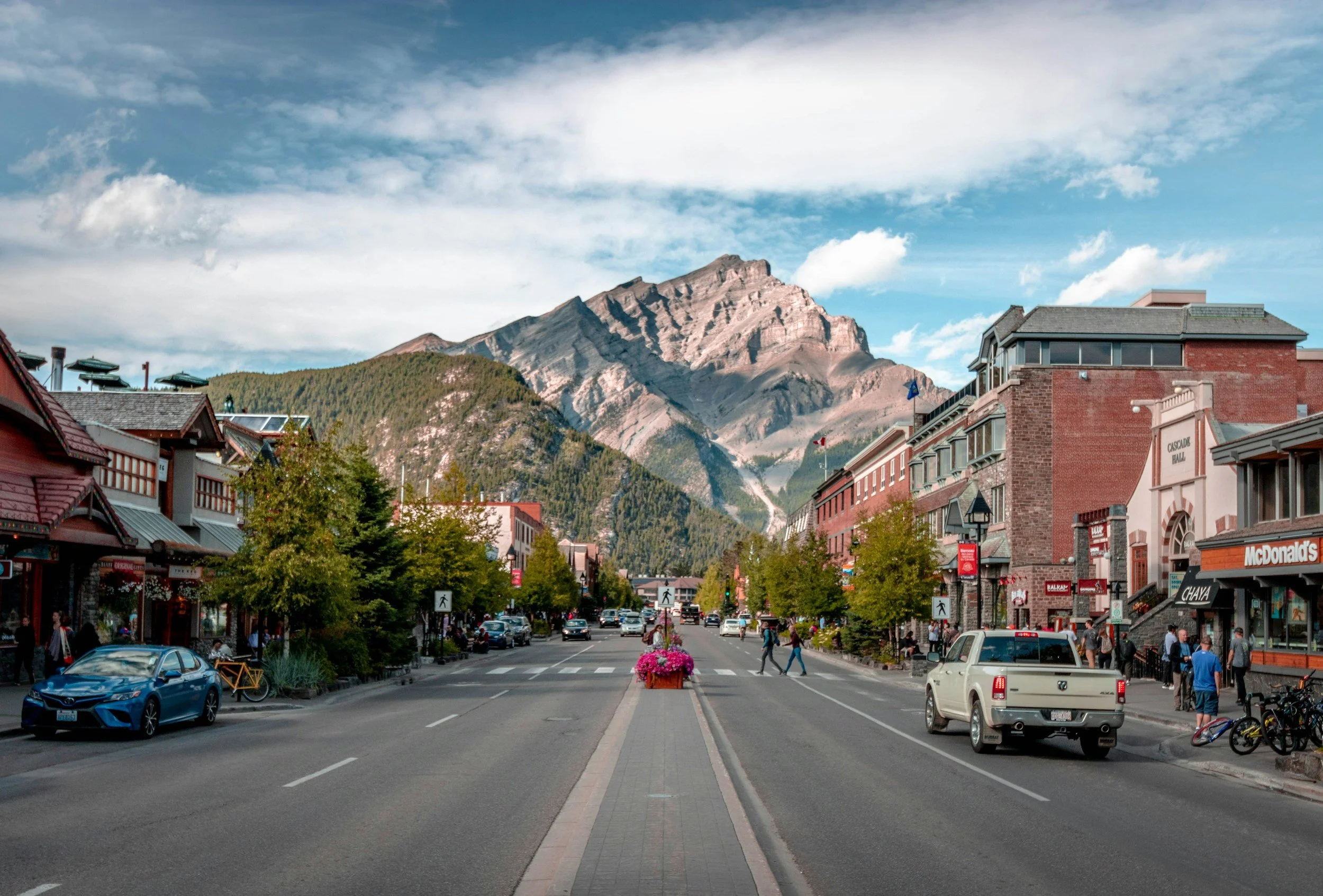
In today’s fast-paced, urban-focused world, more Canadians are seeking a slower, more peaceful lifestyle—one that allows them to reconnect with nature, enjoy open spaces, and embrace community-oriented living. The rise of remote work, increased environmental awareness, and the desire for a healthier lifestyle have all contributed to a growing trend: moving to smaller Canadian towns surrounded by nature.
If you’re dreaming of trading your city skyline for forests, rivers, and mountains—or just waking up to the sound of birds instead of traffic—this guide covers everything you need to know. From the best small towns across Canada to practical relocation advice, lifestyle considerations, and planning checklists, we’ve got you covered.
Why Move to a Small Canadian Town?
There are countless reasons why Canadians are choosing smaller towns over big cities.
1. Closer to Nature
Small towns often sit amidst forests, lakes, rivers, or mountains, making hiking, kayaking, skiing, and camping part of everyday life. Access to trails, wildlife, and natural landscapes enhances both physical and mental well-being.
2. Peace and Tranquility
Lower population densities mean quieter streets, less congestion, and a slower pace of life—perfect for those seeking calm and mental clarity.
3. Affordable Living
While prices are rising in many urban centers, small towns often offer affordable housing, larger lots, and lower property taxes. You may find a detached home for a fraction of the cost of a city condo.
4. Tight-Knit Communities
Small towns foster strong community connections. Neighbors often know each other, and local events and volunteer opportunities are abundant.
5. Healthier Lifestyle
Proximity to outdoor activities encourages regular exercise, reduces stress, and promotes a balanced lifestyle.
Things to Consider Before Moving to a Small Town
While the benefits are clear, relocating to a small town requires careful planning. Here’s what to consider:
1. Employment Opportunities
Unless you work remotely, assess local job availability. Many small towns rely on tourism, healthcare, education, agriculture, or small-scale manufacturing. Remote workers or freelancers may find these towns ideal due to lower living costs.
2. Accessibility
Consider how easy it is to travel to larger cities for shopping, healthcare, or travel. Some towns are remote, requiring long drives to reach major hospitals or airports.
3. Services and Amenities
Small towns may lack certain amenities found in cities, such as specialty medical services, high-end grocery stores, or entertainment options.
4. Housing Market
Research housing prices and availability. While small towns are generally more affordable, desirable locations near lakes, rivers, or ski resorts can be competitive.
5. Climate
Canada’s climate varies widely. Coastal towns often have milder winters, while inland and northern towns may experience heavy snowfall and colder temperatures. Ensure the climate aligns with your lifestyle preferences.
Checklist for Moving to a Small Canadian Town
A step-by-step checklist ensures your move is smooth and stress-free:
12 Weeks Before Moving
Research potential towns based on lifestyle, affordability, and accessibility
Create a moving budget
Decide between DIY move or hiring professional movers
Begin decluttering and organizing belongings
Notify employer if relocating for remote work
8 Weeks Before Moving
Visit shortlisted towns to explore neighborhoods and amenities
Secure housing, whether rental or purchase
Arrange school records if moving with children
Contact movers or truck rental companies
4 Weeks Before Moving
Start packing non-essential items
Update banking, insurance, and subscriptions
Notify utilities of upcoming disconnection/connection
Prepare documents (medical, educational, financial)
2 Weeks Before Moving
Pack essentials and label boxes carefully
Confirm moving dates with movers or rental truck company
Arrange pet transport if applicable
Moving Week
Disassemble furniture and pack fragile items
Ensure final utility readings and service disconnection
Pack a “first night” box for immediate necessities
After Arrival
Set up utilities, internet, and essential services
Register with local healthcare and schools if applicable
Explore the town, join community groups, and meet neighbors
Best Small Canadian Towns for Peace & Space
Below is a curated list of small towns across Canada that offer access to nature, tranquility, and lifestyle benefits.
1. Canmore, Alberta
Population: ~14,000
Why It’s Great:
Nestled in the Canadian Rockies near Banff National Park, Canmore offers breathtaking mountain views, hiking trails, skiing, and outdoor adventure.
Lifestyle Perks:
Proximity to Calgary for urban amenities
Strong tourism economy for entrepreneurs or remote workers
Thriving arts and community events
Best For: Outdoor enthusiasts, remote workers, and families seeking a mountain lifestyle
2. Nelson, British Columbia
Population: ~10,000
Why It’s Great:
Located in the Selkirk Mountains and along the shores of Kootenay Lake, Nelson is known for its vibrant arts scene and historic architecture.
Lifestyle Perks:
Affordable real estate compared to Vancouver
Abundant hiking, biking, and water sports
Small-town community with arts and cultural events
Best For: Artists, remote workers, and anyone seeking a lake-and-mountain lifestyle
3. Wolfville, Nova Scotia
Population: ~4,000
Why It’s Great:
A charming town in the Annapolis Valley, Wolfville offers wineries, river trails, and proximity to the Bay of Fundy.
Lifestyle Perks:
Home to Acadia University, fostering a youthful, intellectual atmosphere
Access to organic farms, local markets, and vineyards
Peaceful riverside living
Best For: Students, academics, retirees, and nature lovers
4. Tofino, British Columbia
Population: ~2,000
Why It’s Great:
A remote coastal town on Vancouver Island, Tofino is famous for surfing, whale watching, and old-growth forests.
Lifestyle Perks:
Tight-knit community with strong environmental consciousness
Access to remote work opportunities via high-speed internet
Stunning beaches and natural parks
Best For: Remote workers, environmentalists, and adventure seekers
5. Banff, Alberta
Population: ~8,000
Why It’s Great:
World-famous national park town with easy access to hiking, skiing, and wildlife.
Lifestyle Perks:
Tourism-driven economy
High-quality amenities for residents
Outdoor-focused lifestyle with a vibrant community
Best For: Entrepreneurs in tourism, outdoor sports, or hospitality; outdoor lovers
6. St. Andrews, New Brunswick
Population: ~2,000
Why It’s Great:
A historic coastal town with ocean views and access to quiet beaches.
Lifestyle Perks:
Peaceful maritime lifestyle
Strong tourism and arts community
Maritime festivals and local markets
Best For: Retirees, writers, artists, and small-business owners in hospitality
7. Canora, Saskatchewan
Population: ~2,500
Why It’s Great:
Situated in the prairies, Canora offers open space, lakes, and a slower pace of life.
Lifestyle Perks:
Affordable property prices
Access to lakes and outdoor recreation
Community-focused lifestyle with small-town events
Best For: Retirees, remote workers, and families seeking wide-open spaces
8. Kenora, Ontario
Population: ~15,000
Why It’s Great:
Located on the shores of Lake of the Woods, Kenora is perfect for fishing, boating, and winter sports.
Lifestyle Perks:
Scenic lakeside living
Vibrant community events and arts
Affordable housing compared to Southern Ontario
Best For: Families, retirees, and seasonal business owners
9. Magog, Quebec
Population: ~25,000
Why It’s Great:
Nestled in the Eastern Townships, Magog offers lakes, forests, and proximity to Montreal.
Lifestyle Perks:
Bilingual community (French & English)
Access to Mont-Orford National Park for hiking, skiing, and biking
Cultural activities and arts festivals
Best For: Bilingual remote workers, retirees, and small-town entrepreneurs
10. Nipigon, Ontario
Population: ~1,500
Why It’s Great:
Located on Lake Superior, Nipigon offers fishing, hiking, and vast wilderness.
Lifestyle Perks:
Quiet, remote living
Abundant natural recreation opportunities
Strong community cohesion
Best For: Outdoor enthusiasts, nature writers, and remote workers
Tips for Finding the Right Small Town
1. Align Lifestyle and Work Needs
Remote work? Internet connectivity is critical.
Family? Consider schools, safety, and healthcare.
Retiree? Look for peaceful environments with amenities for seniors.
2. Visit Before Moving
Spend time in potential towns to understand daily life, community culture, and access to necessities.
3. Consider Seasonal Variations
Canada’s climate varies widely. Some towns are remote and snowbound in winter; coastal towns may face fog or storms.
4. Check Housing Market
Smaller towns often have lower prices but limited inventory, especially for lakefront or mountain properties.
5. Engage with Local Communities
Small-town life thrives on community involvement. Join local clubs, volunteer, and attend events to integrate smoothly.
Benefits of Moving Closer to Nature
Improved Mental Health
Access to green spaces reduces stress and enhances mood.Physical Health Benefits
Hiking, biking, swimming, and other outdoor activities promote fitness.Stronger Sense of Community
Smaller populations foster closer relationships.Lower Living Costs
Many small towns have cheaper housing and lower taxes than urban centers.Environmental Engagement
Living near natural landscapes encourages environmental stewardship and sustainable practices.
Challenges of Small-Town Life
Limited entertainment and dining options
Smaller employment markets
Possible isolation or distance from specialized healthcare
Harsh winters in northern or inland locations
Fewer public transportation options
Despite these challenges, careful planning and adaptability make small-town living incredibly rewarding for those seeking peace, space, and a closer connection to nature.
Conclusion
Moving closer to nature in Canada means prioritizing quality of life, health, and peace over urban convenience. Towns like Canmore, Nelson, Tofino, Wolfville, Banff, St. Andrews, Magog, Kenora, and Nipigon offer diverse landscapes, outdoor activities, and close-knit communities.
A successful relocation requires research, planning, and a willingness to embrace small-town culture. Using our checklist, visiting potential towns, and understanding the local lifestyle will help you find a home that balances tranquility with convenience and supports your long-term well-being.
Whether you are a remote worker, entrepreneur, retiree, or simply someone seeking a lifestyle change, small-town Canada offers a unique opportunity: peace, space, and a meaningful connection to nature.
