
Moving from Toronto & the GTA to Miami, Florida
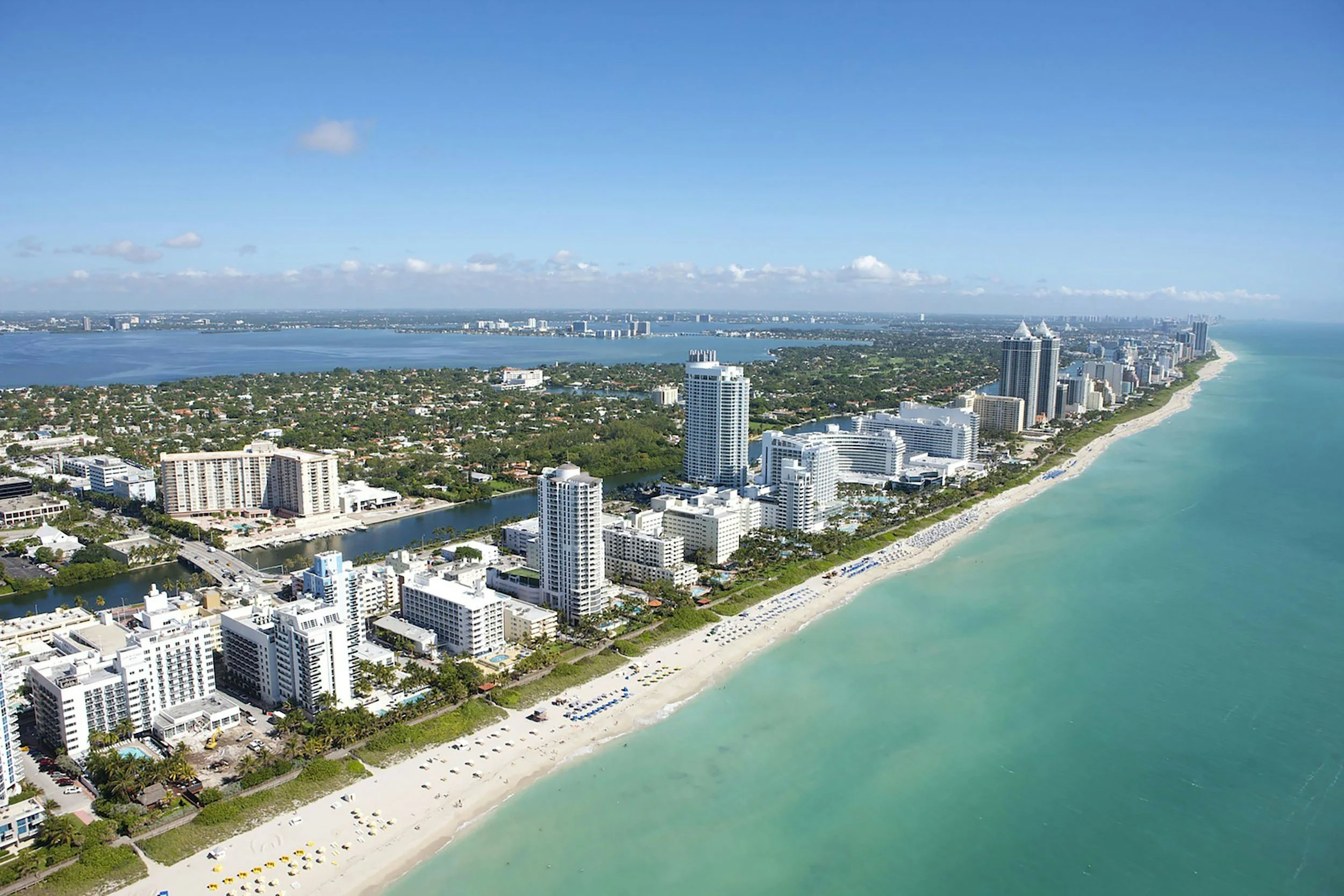
Relocating from Toronto and the Greater Toronto Area to Miami is one of the most lifestyle-driven international moves Canadians make. Unlike relocating within Canada, this transition involves a complete shift in climate, cost structure, legal systems, healthcare, and daily living.
Miami offers sun, beaches, tax advantages, and a vibrant international culture—but it also comes with higher complexity, especially around visas, insurance, and housing dynamics.
This guide covers everything you need to know before making the move.
Why People Are Moving from Toronto to Miami
The motivations for moving to Miami are typically centered around lifestyle and financial optimization, rather than pure cost savings.
The biggest draw is climate. Escaping Toronto’s long, cold winters for Miami’s year-round warmth is a major appeal, especially for those seeking an outdoor lifestyle.
Another key factor is taxes. Florida has no state income tax, which can significantly increase take-home income compared to both Ontario and high-tax U.S. states like California.
Miami is also a growing hub for business, finance, tech, and entrepreneurship. In recent years, it has attracted professionals and companies looking for a more flexible and tax-friendly environment.
Finally, Miami offers a global, multicultural atmosphere with strong Latin American and international influences—creating a dynamic and energetic lifestyle.
Cost of Living: Toronto vs Miami
Housing Costs
Housing in Miami varies significantly by neighbourhood, but overall, it is comparable to or slightly lower than Toronto for rentals—while luxury areas can exceed Toronto pricing.
In Toronto, one-bedroom apartments typically range from $2,300 to $3,000+ CAD per month.
In Miami, one-bedroom apartments typically range from $2,200 to $3,500+ USD depending on location. Waterfront and luxury units can go significantly higher.
Buying property is also expensive in prime areas, though there are more diverse options compared to Toronto’s condo-heavy market.
Taxes and Financial Advantages
One of Miami’s biggest financial advantages is no state income tax.
However, you still need to consider:
U.S. federal income tax
property taxes
sales tax
For many professionals, especially high earners, the lack of state income tax can result in meaningful savings compared to Ontario.
Healthcare Costs
Healthcare is one of the biggest adjustments.
Unlike Canada’s publicly funded system, the U.S. requires private health insurance, which can cost hundreds of dollars per month per person.
Out-of-pocket medical costs can also be significant without proper coverage.
Daily Expenses
Costs vary depending on lifestyle:
groceries can be similar or slightly higher
dining ranges widely from affordable to luxury
utilities (especially air conditioning) can be higher
Overall, Miami is not necessarily cheaper than Toronto—it simply has a different cost structure.
Immigration & Visa Requirements
You Need Legal Authorization
Moving to the United States requires a valid visa. Common pathways include:
TN Visa (for eligible Canadian professionals)
H-1B Visa (employer-sponsored roles)
L-1 Visa (company transfers)
Investor visas (E-2) for entrepreneurs
Each option has specific requirements, and most require employment or investment.
Long-Term Residency
Obtaining a Green Card is necessary for permanent residency. This process can take years depending on your pathway.
Lifestyle Differences
Year-Round Warm Weather
Miami offers a tropical climate:
hot summers
warm winters
frequent sunshine
This allows for year-round outdoor living, including beaches, boating, and fitness.
Beach and Coastal Lifestyle
Living near iconic areas like South Beach is a major draw.
The ocean becomes part of daily life, whether for relaxation, socializing, or recreation.
Car Dependency
Like many U.S. cities, Miami is car-dependent.
Public transit exists but is limited compared to Toronto. Most residents rely on driving, which adds costs and requires adjustment.
Cultural Diversity
Miami is one of the most international cities in the U.S., with strong Latin American and Caribbean influences.
Spanish is widely spoken, and the cultural experience is very different from Toronto.
Fast-Paced but Leisure-Oriented
Miami combines a fast-paced business environment with a strong emphasis on leisure, nightlife, and social life.
It is both a work and lifestyle destination.
Employment and Career Opportunities
Key Industries
Miami is growing rapidly in:
finance and banking
real estate and development
tech startups
hospitality and tourism
It is also becoming a hub for remote entrepreneurs and digital businesses.
Salary Expectations
Salaries vary widely depending on industry. Some sectors pay more than Toronto, while others pay less.
However, tax advantages can increase net income.
Remote Work Advantage
Some Canadians move to Miami while working remotely for Canadian or international companies. This can provide income stability while enjoying Miami’s lifestyle.
Best Areas to Live in Miami
Brickell
Brickell is the financial district, offering high-rise living, walkability, and a professional environment.
Downtown Miami
Downtown offers urban living with access to business and entertainment.
Miami Beach
Known for its lifestyle, beaches, and nightlife, Miami Beach is one of the most iconic areas.
Coral Gables
Coral Gables offers a more suburban, upscale environment with strong appeal for families.
Wynwood
Wynwood is trendy and creative, known for art, culture, and a younger demographic.
Moving Logistics: Toronto to Miami
Distance and Travel
The distance between Toronto and Miami is approximately 2,200–2,500 km depending on route.
Most people choose to fly, though driving is an option for those relocating with vehicles.
Moving Costs
International moving costs typically range from $6,000 to $15,000 depending on:
shipment size
transportation method
services required
Many people choose to bring fewer items and purchase new furnishings in Miami.
Timeline
Plan your move at least 2–3 months in advance.
Key steps include:
securing a visa
finding housing
arranging transportation
setting up banking and insurance
Who Should Move to Miami
Miami is best suited for:
entrepreneurs and business owners
remote workers
individuals seeking warm climate
high-income earners optimizing taxes
It may not be ideal for:
those seeking affordability
individuals without visa pathways
people uncomfortable with heat and humidity
Pros and Cons of Moving to Miami
Pros
no state income tax
warm weather year-round
vibrant lifestyle and culture
strong business environment
Cons
healthcare costs
visa complexity
high housing costs in prime areas
humidity and hurricane risk
Step-by-Step Moving Plan
Start by confirming your visa eligibility and securing employment or investment if required.
Research neighbourhoods based on your lifestyle and budget. Secure housing early, as demand can be high.
Decide what to bring versus what to replace. Book movers or arrange travel.
Set up essential services such as banking, insurance, and healthcare.
Final Thoughts
Is Moving from Toronto to Miami Worth It?
For many, moving from Toronto to Miami is a lifestyle upgrade rather than a cost-saving move.
Closing Perspective
Miami offers sun, energy, and financial advantages—but it requires planning, adaptability, and financial readiness.
If your priorities include climate, flexibility, and global lifestyle, Miami can be one of the most exciting moves you can make.
