
Moving from Toronto & the GTA to Kingston, Ontario
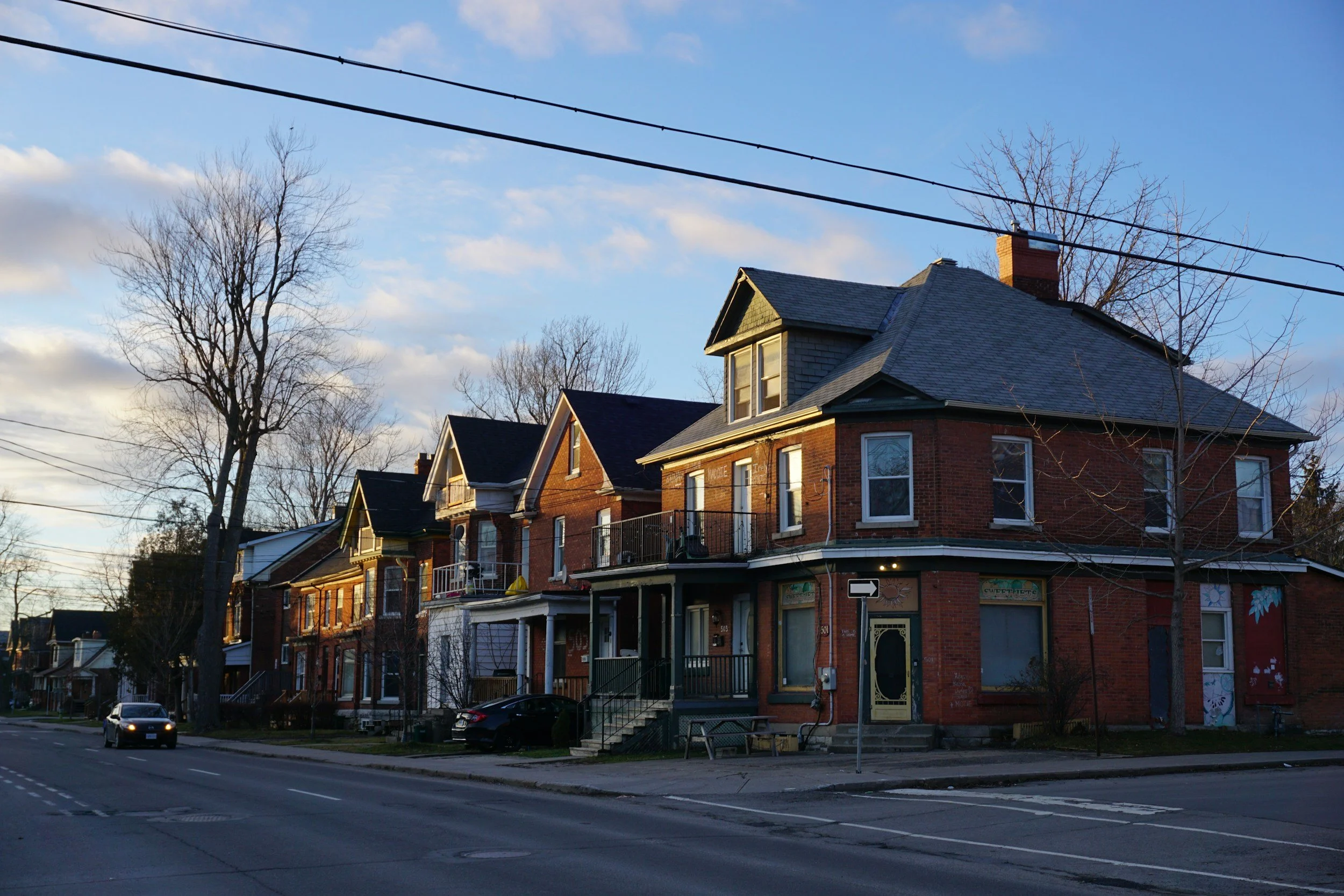
Relocating from Toronto and the broader Greater Toronto Area to Kingston is a move defined less by necessity and more by intention. Unlike destinations such as Ottawa or Calgary, which attract movers for career or economic reasons, Kingston draws people seeking a lifestyle transformation—a slower pace, waterfront living, strong community, and a more grounded day-to-day experience.
This guide breaks down everything you need to know about making the move, including cost comparisons, lifestyle shifts, employment realities, neighbourhoods, and whether Kingston is the right long-term fit.
Why People Are Moving from Toronto to Kingston
The move from Toronto to Kingston is often driven by a desire to step away from the intensity of big-city living.
Housing affordability plays a role, but it is not the only factor. While Kingston is more affordable than Toronto, it is not dramatically cheap compared to smaller Ontario towns. Instead, the value lies in what you get for your money—more space, quieter surroundings, and access to nature.
Lifestyle is the primary motivator. Kingston offers a relaxed, community-focused environment that contrasts sharply with Toronto’s density and pace. People moving here are often prioritizing mental space, work-life balance, and quality of life over proximity to a major economic hub.
Remote work has also made Kingston more viable. Many movers retain Toronto-based jobs while enjoying a completely different living environment.
Cost of Living: Toronto vs Kingston
Housing Costs
Housing is more affordable in Kingston, but the gap is narrower than in cities like London or Windsor.
In Toronto, detached homes often exceed $1 million, while condos and townhomes remain expensive entry points.
In Kingston, detached homes typically range from $600,000 to $850,000 depending on neighbourhood, size, and proximity to the waterfront. Townhomes and condos are more accessible, often starting between $400,000 and $650,000.
Rental prices for one-bedroom apartments usually range from $1,600 to $2,100 per month, with larger units costing more.
While not dramatically cheaper, Kingston offers better value in terms of space and environment.
Everyday Expenses
Daily costs in Kingston are similar to or slightly lower than Toronto.
Groceries and utilities are comparable, though dining and entertainment may be slightly cheaper. Parking is easier and often free or low-cost.
Transportation costs can be lower if you rely less on commuting, though owning a car becomes more important.
Lifestyle Differences
Slower Pace and Less Congestion
Kingston operates at a much slower pace than Toronto. Traffic is minimal, commutes are short, and daily life is less rushed.
This creates a sense of calm that many former GTA residents find refreshing.
Strong Community Feel
Kingston has a tight-knit community atmosphere. It is large enough to offer amenities but small enough to feel personal.
Neighbourhoods tend to have a strong identity, and residents often feel more connected to their surroundings.
Waterfront Living
Located on the shores of Lake Ontario, Kingston offers access to waterfront parks, marinas, and scenic views.
This adds a lifestyle element that is difficult to replicate in Toronto without paying a premium.
Limited Urban Energy
While Kingston has restaurants, cafes, and cultural events, it does not offer the same level of variety or intensity as Toronto.
Those who rely on nightlife, major events, or constant activity may find the transition challenging.
Employment and Career Considerations
Local Job Market
Kingston’s economy is driven by education, healthcare, and government services.
Major employers include Queen's University, Kingston Health Sciences Centre, and various public sector institutions.
Job opportunities exist, but salaries are generally lower than in Toronto, and the market is smaller.
Remote Work Advantage
Many people moving from Toronto to Kingston retain their jobs remotely. This allows them to benefit from Toronto-level income while enjoying Kingston’s lifestyle.
This is one of the most effective ways to make the move financially advantageous.
Commuting to Toronto
Kingston is approximately 2.5 to 3 hours from Toronto. While daily commuting is not feasible, occasional trips are manageable by car or train.
This distance makes Kingston more of a full relocation rather than a commuter city.
Best Neighbourhoods in Kingston
Downtown Kingston
Downtown offers historic charm, walkability, and proximity to restaurants, shops, and the waterfront. It is ideal for those who want a more urban feel within a smaller city.
West End
The West End is one of the most popular residential areas, offering newer developments, family-friendly communities, and access to amenities.
East End
The East End is growing rapidly, with new housing developments and more affordable options. It is attractive for first-time buyers.
North End
The North End offers some of the most affordable housing in Kingston, though it varies in terms of neighbourhood appeal.
Sydenham Ward and Old North Kingston
These areas offer historic homes, tree-lined streets, and proximity to downtown. They are among the most desirable neighbourhoods in the city.
Moving Logistics: Toronto to Kingston
Distance and Travel
The distance between Toronto and Kingston is approximately 260 km. Most moves can be completed in one day.
Moving Costs
Moving costs typically range from $1,800 to $4,500 depending on:
size of the move
number of movers
packing and storage needs
timing of the move
Professional movers are recommended for larger households.
Planning Timeline
Start planning at least 4–8 weeks in advance.
Key steps include:
securing housing in Kingston
booking movers
transferring utilities and services
updating your address
Who Should Move to Kingston
Kingston is best suited for:
remote workers seeking lifestyle improvement
retirees looking for a relaxed environment
families prioritizing community and safety
individuals seeking a slower pace of life
It may not be ideal for:
those needing high-paying local job opportunities
individuals seeking big-city energy
people heavily reliant on Toronto for work
Pros and Cons of Moving to Kingston
Pros
quieter, less stressful lifestyle
access to waterfront and nature
strong sense of community
more space for the cost
Cons
smaller job market
limited entertainment compared to Toronto
colder winters and wind off the lake
distance from major urban centers
Step-by-Step Moving Plan
Start by defining your priorities—whether they are affordability, lifestyle, or remote work compatibility.
Research Kingston neighbourhoods to find the best fit. Secure housing before finalizing your move.
Book movers early and organize logistics. Downsize belongings if needed.
After arriving, take time to explore the city, integrate into the community, and adjust to the slower pace.
Final Thoughts
Is Moving from Toronto to Kingston Worth It?
For many, moving from Toronto to Kingston is less about saving money and more about reclaiming lifestyle.
Closing Perspective
Kingston is not a replacement for Toronto—it is an alternative philosophy of living. It trades speed for calm, scale for connection, and intensity for balance.
If your priorities have shifted toward quality of life, community, and environment, Kingston can be one of the most rewarding moves you can make within Ontario.
