
From Urban to Suburban Living — What Surprises People Most
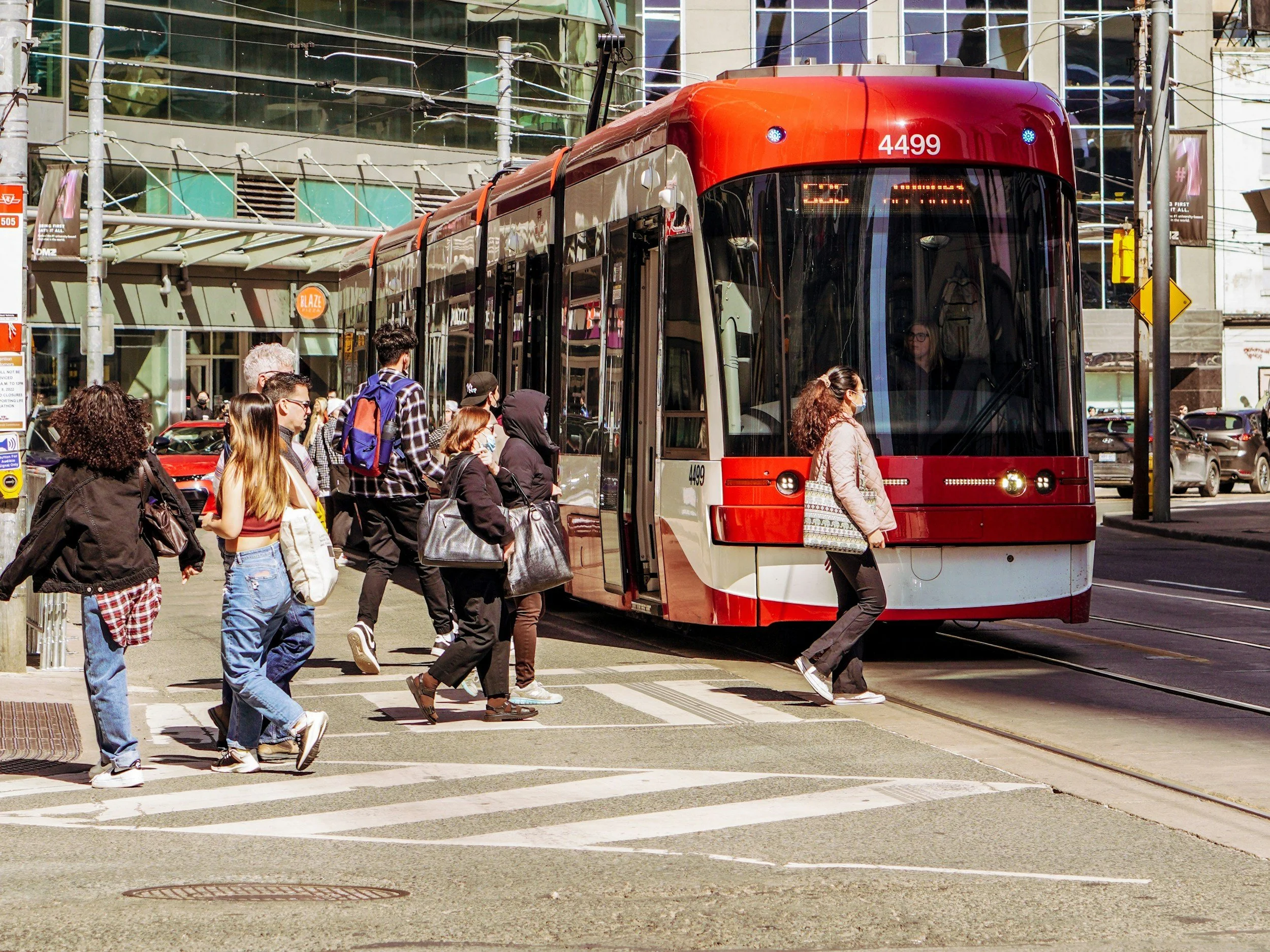
For many people, the move from the city to the suburbs starts with a simple idea: more space, less noise, and a better quality of life. On paper, suburban living often looks like an obvious upgrade—bigger homes, quieter streets, greener surroundings, and a slower pace.
But once the boxes are unpacked and the novelty wears off, many former city dwellers realize that suburban life comes with a set of surprises—some welcome, some challenging, and some completely unexpected.
This guide explores what actually surprises people most when they move from urban to suburban living, covering lifestyle shifts, financial changes, social dynamics, transportation realities, and emotional adjustments. If you’re considering making the move—or have recently done so—this article will help you understand what’s really ahead.
Why So Many People Are Leaving Cities for the Suburbs
Before diving into the surprises, it helps to understand why this migration happens in the first place.
Common motivations include:
Desire for larger living space
Lower housing costs per square foot
Better schools
Safer neighborhoods
Access to green space
Remote or hybrid work flexibility
Raising a family
Burnout from urban congestion
The suburbs often represent stability, comfort, and long-term planning. But they also require adjustments that many people don’t anticipate.
The Biggest Surprises of Suburban Living
1. How Quiet It Really Is (For Better and Worse)
One of the first things new suburban residents notice is the absence of noise.
No traffic hum.
No sirens.
No late-night construction.
No neighbors throwing parties at 2 a.m.
At first, the quiet feels luxurious—almost like a vacation. But for some people, it eventually becomes unsettling.
What Surprises People:
The silence can feel uncomfortable at night
Sounds you never noticed before (wind, animals, creaking houses) become louder
Fewer background distractions means more awareness of your own thoughts
City noise provides a constant sensory buffer. In the suburbs, that buffer disappears.
2. You Need a Car for Almost Everything
Many former urban residents underestimate just how car-dependent suburban life is.
In cities:
You walk
You bike
You take transit
Amenities are nearby
In the suburbs:
Groceries may be 10–15 minutes away
Transit is limited or infrequent
Ride-sharing can be unreliable or expensive
Walking is often impractical
What Surprises People:
Owning a car becomes non-negotiable
Households often need two vehicles
Gas, insurance, maintenance, and parking add up quickly
Spontaneous outings require planning
The convenience of space often comes at the cost of mobility freedom.
3. Bigger Homes Mean More Maintenance Than Expected
Yes, suburban homes are larger—but that space comes with responsibility.
What People Don’t Anticipate:
Lawn care and landscaping
Snow removal
Gutter cleaning
Driveway upkeep
Roof and exterior maintenance
Higher utility bills
In condos or apartments, maintenance is often handled by landlords or property management. In the suburbs, you are the property manager.
Many new homeowners are surprised by how much time and money is required just to maintain the home—not improve it.
4. The Pace of Life Is Slower—Sometimes Too Slow
Suburban life generally moves at a calmer pace. Fewer crowds. Less urgency. More predictability.
What Surprises People:
Stores close earlier
Fewer late-night options
Less spontaneity
Longer waits for services
More planning required for social activities
For people used to 24/7 cities, this slower rhythm can feel peaceful—or frustrating.
The shift often requires recalibrating expectations around convenience and immediacy.
5. Social Life Takes More Effort
In cities, social interaction often happens organically:
Cafés
Public transit
Events
Shared buildings
In the suburbs, socializing becomes intentional.
What Surprises People:
Neighbors are friendly but private
People socialize less spontaneously
Relationships take longer to form
Community involvement requires effort
You may not “bump into” people as often, but deeper relationships can form over time—especially through schools, sports, and local groups.
6. You Become More Schedule-Driven
Suburban life runs on calendars.
School drop-offs.
Commutes.
Practices.
Appointments.
Errands.
What Surprises People:
Daily life becomes more structured
Missed errands are harder to fix last-minute
Time management becomes essential
Even leisure activities require planning
The freedom of city living is often replaced by predictability and routine.
7. Suburban Expenses Are Different—Not Always Lower
Many people move to the suburbs expecting lower costs—but that’s not always the case.
Costs That Surprise People:
Property taxes
Home insurance
Utilities
Vehicle expenses
Maintenance and repairs
HOA or community fees
While housing may be cheaper per square foot, the total cost of living can be comparable—or higher—depending on lifestyle.
8. Schools Become a Central Part of Life
For families, schools quickly become the anchor of suburban living.
What Surprises People:
School quality heavily influences home values
School calendars dictate family schedules
Parent involvement expectations are higher
Commutes revolve around school times
Even people without children feel the impact of school zoning on property values and community identity.
9. Nature Becomes Part of Daily Life
One of the most pleasant surprises is how accessible nature becomes.
Benefits People Love:
Trees and green spaces
Parks and trails
Quieter streets
Wildlife sightings
Outdoor activities close to home
For many, this connection to nature significantly improves mental health and overall well-being.
10. Privacy Increases—but So Does Isolation
Suburban homes are designed for privacy:
Fewer shared walls
Larger lots
Setback homes
What Surprises People:
Less incidental human contact
Fewer spontaneous conversations
A greater sense of isolation, especially for singles or newcomers
Privacy is a gift—but it requires effort to balance it with connection.
11. Identity Shifts More Than Expected
Many people underestimate how much their identity is tied to where they live.
Leaving the city can feel like:
Letting go of a former version of yourself
Losing proximity to culture and energy
Redefining success and lifestyle goals
This emotional adjustment is normal—but often unexpected.
12. Kids (and Pets) Thrive Faster Than Adults
Families often notice that children and pets adapt faster than adults.
Why:
More space to play
Safer streets
Predictable routines
Outdoor access
Adults, on the other hand, may grieve convenience, excitement, and social stimulation.
13. Community Feels Different—but Deeper Over Time
Suburban communities often appear quiet and reserved at first.
But over time:
Relationships grow stronger
Neighbors rely on each other more
Community events become meaningful
Long-term stability creates trust
What suburbs lack in energy, they often make up for in longevity and consistency.
Who Adjusts Best to Suburban Living?
People who tend to thrive in the suburbs:
Families with children
Remote or hybrid workers
Homeowners planning long-term
People who value routine and stability
Nature lovers
Those seeking quieter lifestyles
Those who struggle most:
Car-free individuals
Highly social urban professionals
People who rely on spontaneous activity
Those who dislike routine
How to Make the Transition Easier
Practical Tips:
Budget realistically for suburban expenses
Plan transportation early
Get involved in community activities
Maintain city connections intentionally
Give yourself time to adjust emotionally
The transition is less about logistics—and more about mindset.
Is Suburban Living “Better”?
The answer depends entirely on your values.
Suburban living offers:
Space
Quiet
Stability
Nature
Family-friendly environments
Urban living offers:
Energy
Convenience
Culture
Density
Spontaneity
Neither is better—just different.
Final Thoughts
Moving from urban to suburban living is not just a change of address—it’s a lifestyle shift that affects how you move, socialize, spend, and think.
Most people expect space and peace.
Few expect structure, responsibility, and emotional adjustment.
The surprises don’t mean you made the wrong choice—they mean you’re adapting.
With time, intention, and realistic expectations, suburban living can offer a deeply fulfilling next chapter.
