
Best Cities to Live in the United States
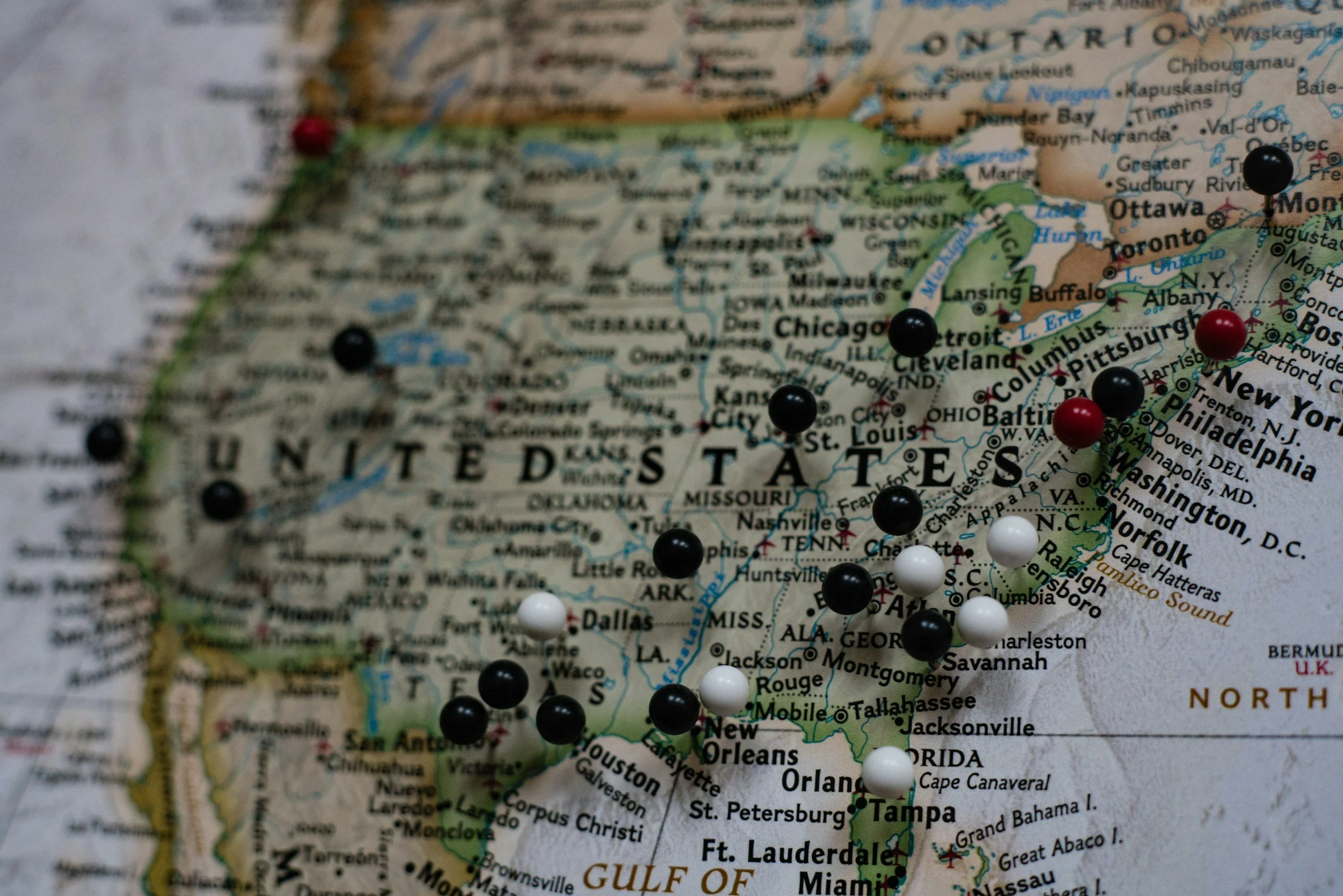
Choosing where to live in the United States is one of the most important life decisions you can make. With more than 19,000 cities and towns across 50 states, the answer to “where should I live in the US?” depends on far more than just cost or popularity. Lifestyle preferences, career goals, family needs, climate, safety, affordability, and long-term quality of life all play a role.
This guide is designed to help you understand what truly makes a city livable, compare different types of places to live in the US, and narrow down the best cities for your situation — whether you’re looking for affordability, family-friendliness, job opportunity, or overall quality of life.
Section 1: What Makes a City One of the Best Places to Live in the US?
Before listing cities, it’s critical to understand how “best” is defined. The best cities to live in the USA are not always the biggest or most famous — they are the places where people can realistically build stable, fulfilling lives.
Key Factors That Define the Best Cities to Live In
The most livable cities in the US typically perform well across several core categories:
Affordability and Cost of Living
Housing costs, taxes, utilities, groceries, transportation, and healthcare must align with local wages. A city with high salaries but extreme housing costs may still be less livable than a smaller city with balanced expenses.
Employment Opportunities and Economic Stability
Strong job markets, diverse industries, and economic resilience are essential. Cities dependent on one industry are more vulnerable during downturns.
Quality of Life and Lifestyle Balance
Access to parks, entertainment, dining, culture, fitness, and community spaces significantly affects daily happiness.
Safety and Healthcare Access
Low crime rates and access to quality healthcare systems matter for both individuals and families.
Education and Schools
For families especially, school quality, graduation rates, and higher education access are major decision factors.
Climate and Environment
Weather, air quality, natural disaster risk, and access to nature all influence long-term satisfaction.
The best cities to live in the US are the ones that balance these elements, rather than excelling in only one area.
Section 2: Overall Best Cities to Live in the USA (Quality of Life Focus)
These cities consistently rank high for livability due to strong economies, cultural offerings, healthcare access, and community satisfaction.
Austin, Texas
Austin has transformed into one of the most desirable places to live in the US due to its strong tech economy, cultural identity, and relatively affordable lifestyle (compared to coastal cities).
Residents enjoy:
A booming job market in tech and creative industries
No state income tax
A vibrant live music and food scene
Outdoor recreation with lakes, trails, and parks
While housing costs have risen, Austin still offers better value than Silicon Valley or New York.
Raleigh, North Carolina
Raleigh stands out as one of the most livable cities in the US due to its affordability, education levels, and economic growth.
Key advantages include:
Strong job market driven by research, healthcare, and technology
High-quality public schools
Moderate cost of living
Mild climate
Raleigh is particularly attractive to families and professionals seeking long-term stability.
Madison, Wisconsin
Madison offers a rare blend of college-town energy and family-friendly living.
Why people love Madison:
Excellent healthcare and education systems
Strong public services
High civic engagement
Access to lakes, biking trails, and green space
It consistently ranks among the best cities to live in the US for overall happiness.
Boulder, Colorado
Boulder is ideal for those prioritizing health, outdoor living, and community engagement.
Highlights:
Exceptionally high quality of life
Strong economy with tech and research sectors
Immediate access to hiking, skiing, and nature
Cost of living is high, but many residents consider the lifestyle worth the price.
Section 3: Cheapest Places to Live in the United States
Affordability is often the deciding factor when people ask, “Where should I live in the US?” These cities provide low cost of living without sacrificing basic quality of life.
Tulsa, Oklahoma
Tulsa has gained national attention for affordability and remote-worker incentives.
Benefits include:
Extremely affordable housing
Growing arts and cultural scene
Low traffic and short commutes
Expanding tech and startup presence
Tulsa is one of the best cheap places to live in the US for professionals seeking value.
Des Moines, Iowa
Des Moines offers stability, affordability, and strong employment opportunities.
Why it stands out:
Low housing costs
Strong insurance and finance industries
Clean, safe neighborhoods
Good schools and family services
It’s a top choice for those seeking affordable Midwestern living.
Huntsville, Alabama
Huntsville combines affordability with high-income job opportunities.
Key features:
Aerospace and defense-driven economy
Low cost of living
High average salaries relative to expenses
Family-friendly environment
Huntsville is one of the best affordable cities to live in the US for engineers and professionals.
Wichita, Kansas
Wichita remains one of the most budget-friendly cities in America.
Residents benefit from:
Very low housing costs
Short commutes
Strong manufacturing and aviation sectors
It’s ideal for those prioritizing cost savings and simplicity.
Section 4: Nice Places to Live in the US (Lifestyle & Aesthetic Focus)
Some cities are chosen not for affordability alone, but for beauty, atmosphere, and lifestyle experience.
Charleston, South Carolina
Charleston is widely regarded as one of the nicest places to live in the US.
Why people move here:
Historic architecture and coastal beauty
Strong food and cultural scene
Slower pace of life
Growing job market
While tourism affects costs, many residents value the lifestyle.
Santa Fe, New Mexico
Santa Fe offers a unique blend of culture, art, and nature.
Appeal includes:
Distinctive architecture and arts scene
Scenic desert and mountain landscapes
Strong sense of community
It’s ideal for retirees, creatives, and remote workers.
Bend, Oregon
Bend is known for outdoor living and a relaxed lifestyle.
Residents enjoy:
Access to skiing, hiking, and rivers
Strong community culture
Expanding remote work population
Housing costs are higher, but quality of life is exceptional.
Section 5: Most Livable Cities in the US for Families
Families prioritize schools, safety, healthcare, and long-term stability.
Plano, Texas
Plano consistently ranks as one of the best cities for families to live in the US.
Family advantages:
Excellent public schools
Low crime rates
Strong job market
Suburban comfort with urban access
Irvine, California
Despite high costs, Irvine offers unparalleled family infrastructure.
Why families choose Irvine:
Top-ranked schools
Extremely low crime
Planned communities and parks
It’s one of the most livable cities for families who can afford it.
Overland Park, Kansas
Overland Park balances affordability with high-quality family services.
Key benefits:
Excellent schools
Safe neighborhoods
Reasonable housing costs
Strong local economy
Best Cities to Live in the United States Part 2
Where you live shapes not just your finances, but your health, happiness, career trajectory, and family life. In this section, we move beyond general rankings and focus on why different cities work for different people, depending on goals, priorities, and lifestyle preferences.
Section 6: Best Cities to Live in the US for Jobs and Career Growth
For many people asking “where should I live in the US?”, employment opportunities are the deciding factor. The best cities for jobs combine strong labor markets, industry diversity, wage growth, and long-term stability.
Dallas–Fort Worth, Texas
Dallas–Fort Worth is one of the strongest job markets in the country. Its economy is large, diverse, and resilient, with opportunities in technology, finance, healthcare, logistics, and defense.
Why it works:
Major corporate headquarters and constant job creation
No state income tax
Affordable housing compared to coastal metros
Strong suburban growth for families
DFW is ideal for professionals who want career mobility without extreme living costs.
Seattle, Washington
Seattle remains one of the best cities in the US for high-paying jobs, particularly in technology and engineering.
Key advantages:
Strong tech ecosystem and innovation culture
High salaries that offset cost of living
Access to global companies and startups
While housing is expensive, Seattle offers long-term career upside for skilled professionals.
Atlanta, Georgia
Atlanta is a major economic hub for the Southeast and one of the fastest-growing metro areas in the US.
Why Atlanta stands out:
Strong job growth across logistics, media, fintech, and healthcare
Relatively affordable housing for a major city
Excellent airport connectivity
Cultural diversity and strong Black professional community
Atlanta offers upward mobility with a lower barrier to entry than coastal cities.
Denver, Colorado
Denver combines strong employment with lifestyle appeal.
Career benefits include:
Growing tech and startup scene
Healthcare and aerospace industries
High quality of life attracting top talent
Denver is best for those who value work-life balance alongside career growth.
Section 7: Best Places to Live in the US by Region
The United States is vast, and regional differences matter. Climate, culture, cost, and pace of life vary dramatically.
Best Cities in the Northeast
The Northeast offers history, density, and access to education and healthcare.
Top choices:
Boston, Massachusetts – education, healthcare, biotech
Portland, Maine – coastal lifestyle, walkability
Pittsburgh, Pennsylvania – affordability, tech and healthcare growth
The Northeast works well for those who value walkable cities and strong institutions.
Best Cities in the South
The South is known for affordability, growth, and warmer climates.
Standouts include:
Nashville, Tennessee – entertainment, healthcare, and growth
Raleigh, North Carolina – education, tech, family life
Tampa, Florida – no state income tax, coastal living
Southern cities attract families, retirees, and remote workers alike.
Best Cities in the Midwest
The Midwest excels in affordability, stability, and family friendliness.
Top cities:
Columbus, Ohio – tech growth and affordability
Minneapolis, Minnesota – quality of life and healthcare
Grand Rapids, Michigan – affordable housing and community feel
Midwestern cities are ideal for long-term stability and homeownership.
Best Cities in the West
Western cities offer innovation, nature, and lifestyle appeal.
Best options:
San Diego, California – climate and quality of life
Salt Lake City, Utah – affordability and job growth
Boise, Idaho – fast-growing, family-friendly
The West is best for those prioritizing outdoor access and growth industries.
Section 8: Best Cities to Live in the US by Climate Preference
Climate plays a major role in daily happiness and health.
Best Cities for Warm Weather
For those who prefer sunshine and mild winters:
San Diego, California – ideal year-round climate
Phoenix, Arizona – dry heat and affordability
Orlando, Florida – warm climate with growing economy
Best Cities for Four Seasons
If you enjoy seasonal change:
Madison, Wisconsin – vibrant summers, snowy winters
Boulder, Colorado – mountain seasons
Asheville, North Carolina – mild but distinct seasons
Best Cities for Mild Climates
Balanced temperatures year-round:
San Jose, California
San Luis Obispo, California
Santa Barbara, California
Section 9: Best Cities for Remote Workers and Digital Nomads
Remote work has changed where people choose to live. The best cities for remote workers offer affordability, fast internet, lifestyle perks, and community.
Austin, Texas
Austin remains one of the top remote-worker destinations due to:
Creative culture
Tech-friendly environment
Strong coworking ecosystem
Boise, Idaho
Boise has emerged as a favorite among remote professionals seeking:
Affordable housing (relative to West Coast cities)
Outdoor access
Safe, community-oriented living
Chattanooga, Tennessee
Chattanooga is known for:
One of the fastest municipal internet networks in the US
Low cost of living
Growing remote worker community
Burlington, Vermont
Burlington offers:
Walkable downtown
Natural beauty
Strong sense of community
It’s ideal for remote workers who value quality of life over scale.
Section 10: Best Places to Move in the US for Long-Term Growth
Some cities may not be famous yet but offer strong long-term potential.
Frisco, Texas
Rapid growth, strong schools, and corporate expansion make Frisco one of the most promising places to live long-term.
Leander, Texas
Affordable housing, infrastructure investment, and proximity to Austin drive growth.
Mount Pleasant, South Carolina
A mix of coastal living, economic expansion, and controlled development creates long-term value.
Maricopa, Arizona
Affordable housing and regional expansion from Phoenix position Maricopa for future growth.
Best Cities to Live in the United States Part 3
Where you live shapes not just your finances, but your health, happiness, career trajectory, and family life. In this section, we move beyond general rankings and focus on why different cities work for different people, depending on goals, priorities, and lifestyle preferences.
Section 6: Best Cities to Live in the US for Jobs and Career Growth
For many people asking “where should I live in the US?”, employment opportunities are the deciding factor. The best cities for jobs combine strong labor markets, industry diversity, wage growth, and long-term stability.
Dallas–Fort Worth, Texas
Dallas–Fort Worth is one of the strongest job markets in the country. Its economy is large, diverse, and resilient, with opportunities in technology, finance, healthcare, logistics, and defense.
Why it works:
Major corporate headquarters and constant job creation
No state income tax
Affordable housing compared to coastal metros
Strong suburban growth for families
DFW is ideal for professionals who want career mobility without extreme living costs.
Seattle, Washington
Seattle remains one of the best cities in the US for high-paying jobs, particularly in technology and engineering.
Key advantages:
Strong tech ecosystem and innovation culture
High salaries that offset cost of living
Access to global companies and startups
While housing is expensive, Seattle offers long-term career upside for skilled professionals.
Atlanta, Georgia
Atlanta is a major economic hub for the Southeast and one of the fastest-growing metro areas in the US.
Why Atlanta stands out:
Strong job growth across logistics, media, fintech, and healthcare
Relatively affordable housing for a major city
Excellent airport connectivity
Cultural diversity and strong Black professional community
Atlanta offers upward mobility with a lower barrier to entry than coastal cities.
Denver, Colorado
Denver combines strong employment with lifestyle appeal.
Career benefits include:
Growing tech and startup scene
Healthcare and aerospace industries
High quality of life attracting top talent
Denver is best for those who value work-life balance alongside career growth.
Section 7: Best Places to Live in the US by Region
The United States is vast, and regional differences matter. Climate, culture, cost, and pace of life vary dramatically.
Best Cities in the Northeast
The Northeast offers history, density, and access to education and healthcare.
Top choices:
Boston, Massachusetts – education, healthcare, biotech
Portland, Maine – coastal lifestyle, walkability
Pittsburgh, Pennsylvania – affordability, tech and healthcare growth
The Northeast works well for those who value walkable cities and strong institutions.
Best Cities in the South
The South is known for affordability, growth, and warmer climates.
Standouts include:
Nashville, Tennessee – entertainment, healthcare, and growth
Raleigh, North Carolina – education, tech, family life
Tampa, Florida – no state income tax, coastal living
Southern cities attract families, retirees, and remote workers alike.
Best Cities in the Midwest
The Midwest excels in affordability, stability, and family friendliness.
Top cities:
Columbus, Ohio – tech growth and affordability
Minneapolis, Minnesota – quality of life and healthcare
Grand Rapids, Michigan – affordable housing and community feel
Midwestern cities are ideal for long-term stability and homeownership.
Best Cities in the West
Western cities offer innovation, nature, and lifestyle appeal.
Best options:
San Diego, California – climate and quality of life
Salt Lake City, Utah – affordability and job growth
Boise, Idaho – fast-growing, family-friendly
The West is best for those prioritizing outdoor access and growth industries.
Section 8: Best Cities to Live in the US by Climate Preference
Climate plays a major role in daily happiness and health.
Best Cities for Warm Weather
For those who prefer sunshine and mild winters:
San Diego, California – ideal year-round climate
Phoenix, Arizona – dry heat and affordability
Orlando, Florida – warm climate with growing economy
Best Cities for Four Seasons
If you enjoy seasonal change:
Madison, Wisconsin – vibrant summers, snowy winters
Boulder, Colorado – mountain seasons
Asheville, North Carolina – mild but distinct seasons
Best Cities for Mild Climates
Balanced temperatures year-round:
San Jose, California
San Luis Obispo, California
Santa Barbara, California
Section 9: Best Cities for Remote Workers and Digital Nomads
Remote work has changed where people choose to live. The best cities for remote workers offer affordability, fast internet, lifestyle perks, and community.
Austin, Texas
Austin remains one of the top remote-worker destinations due to:
Creative culture
Tech-friendly environment
Strong coworking ecosystem
Boise, Idaho
Boise has emerged as a favorite among remote professionals seeking:
Affordable housing (relative to West Coast cities)
Outdoor access
Safe, community-oriented living
Chattanooga, Tennessee
Chattanooga is known for:
One of the fastest municipal internet networks in the US
Low cost of living
Growing remote worker community
Burlington, Vermont
Burlington offers:
Walkable downtown
Natural beauty
Strong sense of community
It’s ideal for remote workers who value quality of life over scale.
Section 10: Best Places to Move in the US for Long-Term Growth
Some cities may not be famous yet but offer strong long-term potential.
Frisco, Texas
Rapid growth, strong schools, and corporate expansion make Frisco one of the most promising places to live long-term.
Leander, Texas
Affordable housing, infrastructure investment, and proximity to Austin drive growth.
Mount Pleasant, South Carolina
A mix of coastal living, economic expansion, and controlled development creates long-term value.
Maricopa, Arizona
Affordable housing and regional expansion from Phoenix position Maricopa for future growth.
Moving to the Best Cities to Live in the United States with Two Amigos
Choosing to move is more than changing addresses—it’s choosing a new lifestyle, new opportunities, and a new future. Across the United States, certain cities consistently stand out as the best places to live, offering strong job markets, affordable housing options, cultural vibrancy, family-friendly neighborhoods, and high quality of life. Whether you’re relocating for work, family, lifestyle, or a fresh start, moving to one of the best cities in the U.S. is an exciting step forward.
But getting there—especially from another state, across the country, or from Canada—requires careful planning, professional logistics, and a moving company you can trust.
That’s where Two Amigos Moving and Storage comes in.
Two Amigos specializes in cross-country moving, interstate relocations, long-distance household moves, and city-to-city moving services across North America. Whether you’re moving to Austin, Denver, Raleigh, Tampa, Phoenix, Nashville, Seattle, San Diego, or any of the top-ranked cities to live in the United States, Two Amigos provides the experience, reliability, and full-service support to make your move smooth, secure, and stress-free.
Why People Are Moving to the Best Cities in the United States
Every year, millions of Americans—and Canadians—relocate in search of better opportunities and improved quality of life. The best cities to live in the U.S. tend to share several defining characteristics:
Strong and diverse job markets
Affordable or competitive housing options
Excellent schools and universities
Safe, family-friendly communities
Cultural attractions, dining, and entertainment
Access to nature, recreation, and outdoor activities
Cities like Austin, Raleigh, Charlotte, Denver, Phoenix, Tampa, Orlando, Nashville, Dallas, San Antonio, Salt Lake City, Seattle, and San Diego consistently rank among the most livable cities due to their balance of opportunity and lifestyle.
But while choosing the destination is exciting, the move itself is often the most challenging part—especially when relocating long distance.
The Reality of Long-Distance and Cross-Country Moving
Moving to one of the best cities in the U.S. often means:
Relocating across multiple states
Navigating new traffic patterns and city regulations
Coordinating delivery windows with housing availability
Protecting belongings during long-haul transport
Managing timelines around work, school, or family obligations
Without professional movers, long-distance relocations can quickly become overwhelming. Poor planning, improper packing, or unreliable transportation can lead to delays, damaged belongings, and unexpected costs.
Two Amigos eliminates those risks with a proven, full-service approach to interstate and cross-country moving.
Two Amigos: Your Partner for Moving to the Best U.S. Cities
Two Amigos isn’t just a moving company—we’re a relocation partner. We understand that moving to a new city is a major life transition, and our goal is to make that transition as seamless as possible.
Who We Help
Two Amigos supports:
Families relocating to better school districts
Professionals moving for career advancement
Remote workers choosing lifestyle-first cities
Retirees relocating for climate or affordability
Entrepreneurs moving to business-friendly markets
Individuals and couples starting fresh in a new city
No matter your reason, our process is designed to protect your belongings, your time, and your peace of mind.
Full-Service Moving Solutions for Any Destination
1. Personalized Moving Plans
Every move begins with a detailed consultation. We assess:
Origin and destination cities
Household size and inventory
Timeline and scheduling needs
Special items requiring extra care
Storage requirements
This ensures your move is fully customized—not one-size-fits-all.
2. Professional Packing and Protection
Long-distance moves demand professional packing. Two Amigos provides:
High-quality packing materials
Custom crating for fragile or high-value items
Furniture disassembly and reassembly
Detailed inventory tracking
From apartments to large family homes, we pack with care and precision.
3. Interstate and Cross-Country Transportation
Our experienced drivers and logistics team manage:
Long-haul routes across North America
Weather and seasonal planning
Safe loading and secure transport
Efficient scheduling to meet delivery windows
Whether you’re moving coast to coast or region to region, your belongings are in expert hands.
4. Secure Storage Options
If your new home isn’t ready, Two Amigos offers:
Short-term storage
Long-term storage
Secure, monitored facilities
Your items remain safe until you’re ready for delivery.
Popular Moves to the Best Cities in the U.S.
Two Amigos frequently handles relocations such as:
Moving from California to Texas
Moving from New York to Florida
Moving from Illinois to North Carolina
Moving from Canada to the United States
Moving from the Midwest to the Sun Belt
Moving from coastal cities to affordable inland metros
Each move presents unique challenges, and our experience ensures smooth execution regardless of distance or complexity.
City-to-City Moving Expertise
Moving into a top U.S. city often involves unique logistics:
Urban Cities
Cities like New York, Seattle, San Francisco, Boston, and Chicago require:
Parking coordination
High-rise apartment logistics
Elevator scheduling
Tight delivery windows
Fast-Growing Metro Areas
Cities like Austin, Phoenix, Tampa, Nashville, and Raleigh involve:
Rapid suburban expansion
New developments with access rules
HOA and community restrictions
Lifestyle Cities
Cities like San Diego, Denver, Salt Lake City, and Portland require:
Climate-aware packing
Terrain-aware transportation
Flexible scheduling
Two Amigos understands these nuances and plans accordingly.
Family-Focused Relocations
Families moving to top U.S. cities often prioritize:
School districts
Neighborhood safety
Move timing around school years
Minimizing disruption for children
Two Amigos supports families with:
Organized packing
Clear move timelines
Safe handling of children’s belongings
Stress-reducing logistics
Professional & Corporate Moves
Many of the best cities in the U.S. are economic hubs. Two Amigos assists with:
Employee relocations
Executive household moves
Time-sensitive deliveries
Confidential and high-value shipments
Our efficiency minimizes downtime so professionals can focus on work—not moving logistics.
Why Two Amigos Stands Out
Clients choose Two Amigos because we offer:
Full-service, start-to-finish moving
Expertise in interstate and cross-country relocations
Transparent pricing with no hidden fees
Dedicated move coordinators
Professional packing, transport, and storage
A reputation built on reliability and trust
We don’t rush moves. We plan them properly.
Tips for a Successful Move to a Top U.S. City
Book early—top cities mean high demand
Declutter before packing to reduce costs
Pack essentials separately
Confirm access rules for your new building or community
Communicate regularly with your moving coordinator
With Two Amigos, you’re never left guessing.
Moving from Canada to the Best Cities in the U.S.
Two Amigos also specializes in Canada-to-U.S. relocations, helping clients move to top American cities with:
Customs and documentation support
Long-distance route planning
Secure cross-border transport
Coordinated delivery schedules
This makes Two Amigos a trusted choice for international North American moves.
The Long-Term Value of Professional Movers
While professional moving is an investment, it often saves money long term by:
Preventing damage
Avoiding delays
Reducing stress and lost time
Eliminating costly mistakes
When moving to one of the best cities in the U.S., the last thing you want is a poor moving experience overshadowing an exciting new chapter.
Moving to one of the best cities to live in the United States is a life-changing decision. Whether you’re relocating for opportunity, lifestyle, family, or a fresh start, Two Amigos Moving and Storage is here to make your move seamless, secure, and stress-free.
From cross-country relocations to interstate and city-to-city moves, Two Amigos handles every detail—planning, packing, transportation, storage, and delivery—so you can focus on settling into your new city with confidence.
Contact Two Amigos today for a personalized moving quote and discover why thousands trust us to move them to the best cities in the United States—safely, professionally, and without stress.
How to Pick the Best City in the United States for You
Choosing where to live is one of the most important decisions you’ll ever make. Your city influences your career opportunities, finances, relationships, mental health, daily routines, and long-term happiness. Yet many people choose a city based on rankings, hype, or a single factor like cost of living—only to realize later that the place doesn’t truly fit their life.
There is no single “best city” in the United States. There is only the best city for you.
This section breaks down how to choose the right city, step by step, based on lifestyle, income, goals, family needs, personality, and future plans. Whether you’re relocating within the US, moving cross-country, or choosing your first city as an adult, this guide will help you make a confident, informed decision.
1. Start With Your Why: Understanding Your Motivation to Move
Before comparing cities, you must understand why you’re moving. This sounds simple, but it’s where most people fail.
Ask yourself:
Are you moving for career growth?
Are you seeking lower cost of living?
Do you want a better quality of life?
Are you prioritizing family, schools, or safety?
Are you craving change, adventure, or reinvention?
Your motivation determines everything else.
Career-Driven Moves
If your primary goal is career growth, your ideal city will likely be:
A job market hub for your industry
Competitive and fast-paced
Higher cost, but higher earning potential
Examples include New York City, San Francisco, Seattle, Austin, and Boston.
Lifestyle-Driven Moves
If lifestyle matters more than income maximization, you may prioritize:
Climate
Outdoor access
Pace of life
Community
Cities like Denver, Boulder, Asheville, Santa Fe, San Diego, or Portland often appeal here.
Cost-Driven Moves
If affordability is your top priority, you’ll want cities with:
Lower housing costs
Manageable taxes
Stable job markets
Think cities in the Midwest, South, or secondary metros like Columbus, Kansas City, Tulsa, or Des Moines.
Until your “why” is clear, every city will seem like a possibility—and that leads to decision paralysis.
2. Define Your Ideal Lifestyle (Not Someone Else’s)
Many people choose cities based on what sounds impressive rather than what suits their daily life.
Instead of asking “What’s the best city?”, ask:
How do I want my average Tuesday to feel?
What does my weekend look like?
How important is quiet vs energy?
Urban vs Suburban vs Small City
Urban living offers walkability, culture, nightlife, and density—but comes with noise, crowds, and higher costs.
Suburban living offers space, schools, and calm—but often requires a car and longer commutes.
Small cities or towns offer community and affordability—but fewer job and entertainment options.
Many people assume they want “big city life” until they live it. Others underestimate how isolating suburbs can feel if they value social connection.
Pace of Life
Some cities move fast. Others move slow.
Fast-paced cities reward ambition but can cause burnout.
Slower cities offer balance but may frustrate highly driven individuals.
There’s no wrong answer—only mismatches.
3. Cost of Living: What You Can Afford vs What You Want
Cost of living is more than rent. It includes:
Housing
Taxes
Transportation
Healthcare
Childcare
Utilities
Food
Insurance
Housing Reality Check
Ask:
Do I want to rent or buy?
How much space do I actually need?
Am I okay with roommates or smaller homes?
Cities like NYC or San Francisco require compromises—smaller spaces, shared housing, or longer commutes.
Taxes Matter More Than You Think
Two cities with similar salaries can feel drastically different after taxes.
Consider:
State income tax
Local taxes
Property taxes
Sales tax
For example:
Texas and Florida have no state income tax
California and New York have high income taxes
Some states offset low income tax with high property tax
Always look at net income, not just salary.
4. Job Market and Career Opportunities
A city should support not just your current job—but your future career.
Ask:
Is my industry strong here?
Are there multiple employers, or just one?
Is networking easy or difficult?
Are layoffs common?
Industry Clusters Matter
Cities tend to specialize:
Tech: San Francisco, Seattle, Austin
Finance: NYC, Charlotte
Healthcare: Nashville, Cleveland
Government & policy: Washington DC
Manufacturing & logistics: Midwest cities
Living in an industry hub increases job security and mobility.
Remote Workers: A Different Calculation
If you work remotely, your options expand—but not infinitely.
Consider:
Time zones
Internet reliability
Airport access
Community for remote professionals
Many remote workers choose mid-sized cities for affordability and lifestyle.
5. Climate and Geography: You Will Feel This Every Day
Weather affects mood, routines, health, and social life.
Ask yourself honestly:
Can I handle long winters?
Do I hate humidity?
Do I want four seasons or endless summer?
Am I sensitive to heat or cold?
Climate Trade-Offs
Warm states often mean humidity, hurricanes, or drought
Cold states often mean snow, shorter days, and winter isolation
Coastal cities offer beauty but higher costs and risk
There is no perfect climate—only what you tolerate best.
6. Transportation and Commute Reality
How you move around a city shapes your daily stress level.
Ask:
Do I want to rely on a car?
Can I walk or bike?
Is public transit reliable?
Car-Dependent vs Transit-Friendly Cities
Cities like NYC, Chicago, and DC allow car-free living
Cities like Dallas, Phoenix, and Atlanta require a car
Commute time matters more than distance. A 10-mile commute can take 20 minutes—or 90.
7. Safety, Community, and Social Fit
Statistics matter—but how you feel matters more.
Ask:
Do I feel comfortable walking at night?
Are people friendly or closed off?
Is it easy to make friends?
Community Fit
Some cities are:
Transient and career-focused
Family-oriented and stable
Creative and expressive
Conservative or progressive
You don’t need everyone to agree with you—but you do need alignment.
8. Education, Schools, and Family Needs
If you have children—or plan to—schools become critical.
Consider:
School quality
Class sizes
Extracurriculars
Safety
Childcare availability
Cities that work well for singles don’t always work for families.
9. Healthcare Access and Quality
Healthcare varies widely by region.
Ask:
Are there strong hospitals nearby?
Are specialists accessible?
How long are wait times?
This becomes increasingly important as you age.
10. Long-Term Growth and Stability
A city should grow with you, not trap you.
Look for:
Population growth
Infrastructure investment
Job diversification
Housing supply
Cities with declining populations may be cheap—but often lack opportunity.
11. Visiting vs Living: The Reality Gap
Many cities are great to visit—but hard to live in.
Before committing:
Visit for at least a week
Stay in a normal neighborhood
Use grocery stores and transit
Observe daily life
Tourist areas lie.
12. Testing a City Before Committing
Smart movers test before moving permanently.
Options include:
Short-term rentals
Extended stays
Remote work trials
Month-to-month leases
This reduces regret and costly mistakes.
13. Common Mistakes People Make When Choosing a City
Choosing based on rankings alone
Ignoring daily lifestyle fit
Underestimating costs
Overestimating job prospects
Moving without a plan
Avoiding these mistakes saves years of frustration.
14. Creating Your Personal City Scorecard
Create your own criteria:
Career
Cost
Lifestyle
Climate
Community
Safety
Future growth
Score each city honestly. The winner often becomes obvious.
15. Final Thoughts: The Best City Is the One That Fits You
The best city in the United States is not the most popular, the most affordable, or the most exciting—it’s the one that supports your version of a good life.
When you choose based on alignment instead of hype, you don’t just move—you arrive.
Moving to the Best Cities to Live in the United States with Two Amigos
Relocating to one of the best cities to live in the United States is an exciting step toward better opportunities, lifestyle improvements, and long-term stability. Whether you’re moving for career growth, family needs, affordability, climate, or a fresh start, choosing the right city is only part of the journey. The other—and often more challenging—part is getting there safely, efficiently, and without unnecessary stress.
That’s where Two Amigos Moving and Storage comes in.
Two Amigos specializes in interstate moving, cross-country relocations, long-distance household moves, and city-to-city moving services across the United States and from Canada to the U.S. No matter which city you’re moving to—Austin, Denver, Raleigh, Tampa, Phoenix, Nashville, Seattle, San Diego, or anywhere else ranked among the best places to live—Two Amigos delivers a professional, full-service moving experience designed around your needs.
Why People Are Moving to the Best Cities in the U.S.
Each year, millions of people relocate to cities that offer a better balance of opportunity, affordability, and quality of life. The best cities to live in the United States typically share several key traits:
Strong and growing job markets
Competitive housing options compared to major coastal metros
Family-friendly neighborhoods and school systems
Cultural amenities, dining, and entertainment
Access to outdoor recreation and green spaces
Favorable tax structures or lower overall cost of living
Cities in Texas, Florida, North Carolina, Colorado, Arizona, Tennessee, Utah, and Washington consistently rank high for livability. These cities attract professionals, families, retirees, and remote workers alike—but moving to them often involves long-distance or cross-country relocation, which requires expert planning.
The Challenges of Long-Distance and Cross-Country Moving
Moving to a top U.S. city is rarely a simple local move. Many relocations involve:
Crossing multiple states
Navigating unfamiliar traffic patterns and access rules
Coordinating move dates with job start dates or school schedules
Protecting belongings during long-haul transport
Managing tight delivery windows in high-demand cities
Without professional movers, these challenges can lead to delays, damaged items, and unnecessary stress. Two Amigos eliminates these risks through a proven, full-service approach to interstate and cross-country moving.
Two Amigos: Trusted Movers for the Best Cities in the U.S.
Two Amigos isn’t just a moving company—we’re a relocation partner. We understand that moving to a new city is a major life transition, and we handle every detail so you can focus on what matters most: settling into your new home.
Who We Help
Two Amigos works with:
Families relocating for schools or safer neighborhoods
Professionals moving for new job opportunities
Remote workers choosing lifestyle-driven cities
Retirees seeking affordability or warmer climates
Entrepreneurs moving to business-friendly markets
Individuals and couples starting fresh in a new city
No matter the reason for your move, our team builds a plan tailored to your situation.
Full-Service Moving Solutions
Personalized Move Planning
Every move starts with a detailed consultation. We assess:
Origin and destination cities
Household size and inventory
Timeline and scheduling requirements
Special items such as artwork, pianos, or antiques
Temporary or long-term storage needs
This ensures your relocation is efficient, organized, and predictable.
Professional Packing Services
Long-distance moves require professional packing to prevent damage. Two Amigos provides:
High-quality packing materials
Furniture disassembly and reassembly
Custom crating for fragile or high-value items
Clear labeling and detailed inventory tracking
Your belongings are protected from pickup to delivery.
Interstate and Cross-Country Transportation
Two Amigos specializes in long-haul moves across North America. Our transportation services include:
Experienced drivers familiar with interstate routes
Weather-aware and seasonally planned logistics
Secure loading and transport
On-time delivery coordination
Whether you’re moving coast to coast or region to region, your move is handled with precision.
Secure Storage Options
If your new home isn’t ready, Two Amigos offers:
Short-term storage
Long-term storage
Secure, monitored facilities
This flexibility allows you to move on your timeline—not someone else’s.
Popular Moves to the Best Cities in the United States
Two Amigos regularly handles relocations such as:
Moving from California to Texas or Arizona
Moving from New York or New Jersey to Florida
Moving from the Midwest to the Southeast
Moving from high-cost cities to more affordable metros
Moving from Canada to the United States
Each move is unique, and our experience ensures smooth execution regardless of distance.
City-Specific Moving Expertise
Urban Cities
Cities like New York, Seattle, San Francisco, Chicago, and Boston require:
Elevator scheduling
Parking coordination
High-rise and condo delivery planning
Fast-Growing Cities
Cities like Austin, Phoenix, Tampa, Raleigh, and Nashville involve:
New developments with access rules
HOA and community regulations
Suburban delivery planning
Lifestyle-Driven Cities
Cities like Denver, Salt Lake City, San Diego, and Portland require:
Climate-conscious packing
Terrain-aware transportation
Flexible delivery scheduling
Two Amigos plans for these factors in advance to prevent delays or complications.
Family and Professional Relocations
Family Moves
Families moving to top U.S. cities benefit from:
Organized, room-by-room packing
Safe handling of children’s belongings
Move timelines aligned with school schedules
Reduced stress during a major transition
Professional and Corporate Moves
Many top cities are economic hubs. Two Amigos supports:
Employee and executive relocations
Time-sensitive deliveries
High-value household and office items
Minimal disruption to work schedules
Why Choose Two Amigos
Clients trust Two Amigos because we offer:
Full-service moving from start to finish
Expertise in interstate and cross-country moves
Transparent pricing with no hidden fees
Dedicated move coordinators
Professional packing, transport, and storage
A reputation built on reliability and care
We don’t cut corners—especially when it comes to your move.
Tips for a Smooth Move to a Top U.S. City
Book your move early, especially during peak seasons
Declutter before packing to reduce costs
Pack essentials separately for move-in day
Confirm building or community access rules
Stay in contact with your move coordinator
Two Amigos manages the logistics so you don’t have to.
Moving from Canada to the Best Cities in the U.S.
Two Amigos also specializes in Canada-to-U.S. moving, assisting clients with:
Cross-border logistics
Long-distance transport
Coordinated delivery schedules
Secure handling of household goods
This makes Two Amigos an ideal choice for international North American relocations.
Moving to one of the best cities to live in the United States is a major life decision. Whether you’re relocating across state lines, across the country, or from Canada, Two Amigos Moving and Storage is here to make your move smooth, secure, and stress-free.
From interstate and cross-country moving to packing, storage, and delivery, Two Amigos handles every detail so you can focus on starting your next chapter with confidence.
Contact Two Amigos today for a personalized moving quote and discover why so many people trust us to move them to the best cities in the United States.
